Bookcase in Front of Window: Practical Tips and Design Ideas
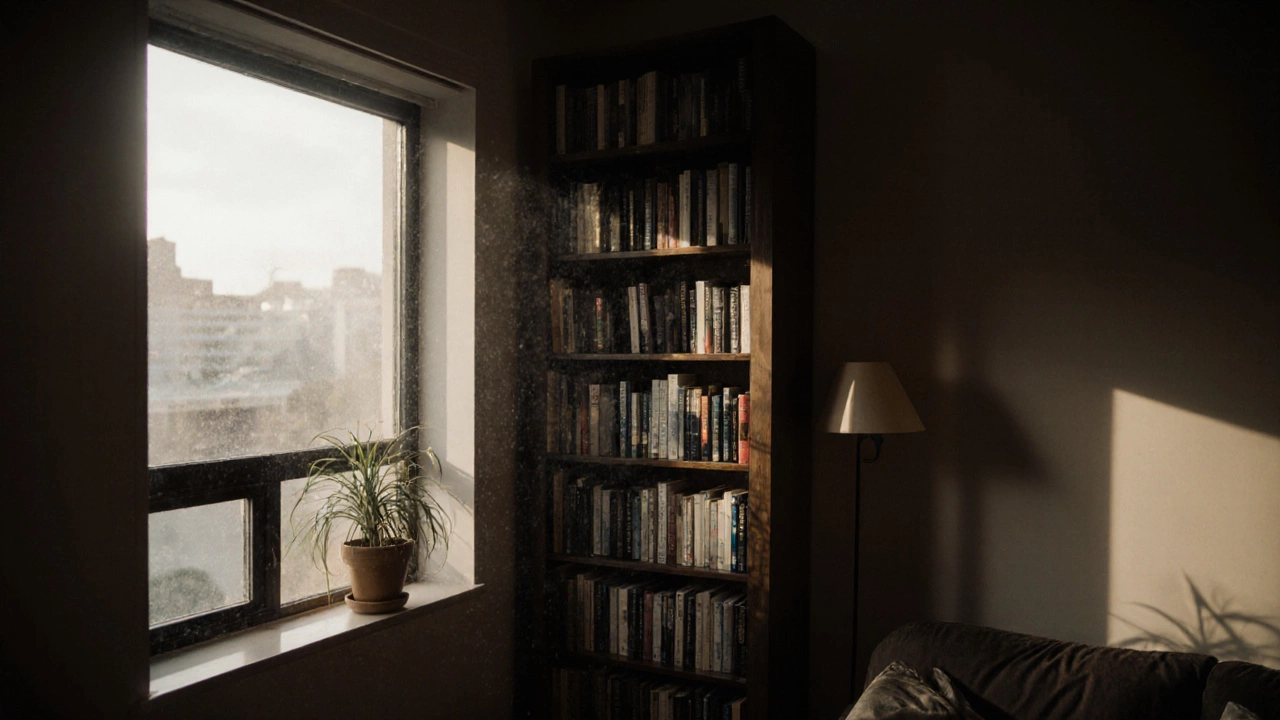
When you place a bookcase in front of a window, a freestanding storage unit designed to hold books, decor, and personal items, often used in homes, offices, and classrooms. Also known as a window bookshelf, it can turn unused space into a functional display—but only if you get the details right. Many people assume putting furniture in front of a window blocks too much light, but that’s not always true. In fact, a well-chosen bookcase can help manage glare, add depth to a room, and even make the window feel intentional rather than accidental.
The key is understanding how light moves through your space. A tall, narrow bookcase lets more light filter through the gaps between shelves, while a wide, solid unit can cast a heavy shadow across the floor. If you’re using it in a classroom or home office, think about where people sit. A bookcase placed too close to a window might cause glare on screens or make reading uncomfortable. But if you leave a few inches of space behind it, or use open-back shelving, you keep the light flowing while still having storage.
It’s not just about light—it’s about flow. A bookcase in front of a window shouldn’t block a pathway or make the room feel cramped. In smaller rooms, a low-profile unit works better than a floor-to-ceiling one. In larger spaces, you can layer it with a bench or a small chair to create a reading nook. People often forget that windows aren’t just for views—they’re for warmth. A bookcase can help trap heat in winter if it’s made of solid wood, but avoid dark finishes if the room already feels chilly. Light wood tones reflect light and keep things feeling open.
And what do you put on it? Don’t just stack books. Mix in plants, framed photos, or small lamps to break up the rows. In educational settings, like a school library or teacher’s lounge, adding labeled bins or baskets makes it easier to organize supplies. A bookcase isn’t just storage—it’s part of the room’s rhythm. When placed well, it doesn’t fight the window; it teams up with it.
You’ll find real examples of this in the posts below—how people balance light and storage, what works in tight spaces, and how to avoid the mistakes that make a bookcase feel like an afterthought instead of a feature. Whether you’re setting up a classroom, a home office, or just trying to make sense of your living room, these guides show you exactly what to try—and what to skip.