Bookshelf Decor: Smart Ways to Style and Use Bookshelves in Learning Spaces
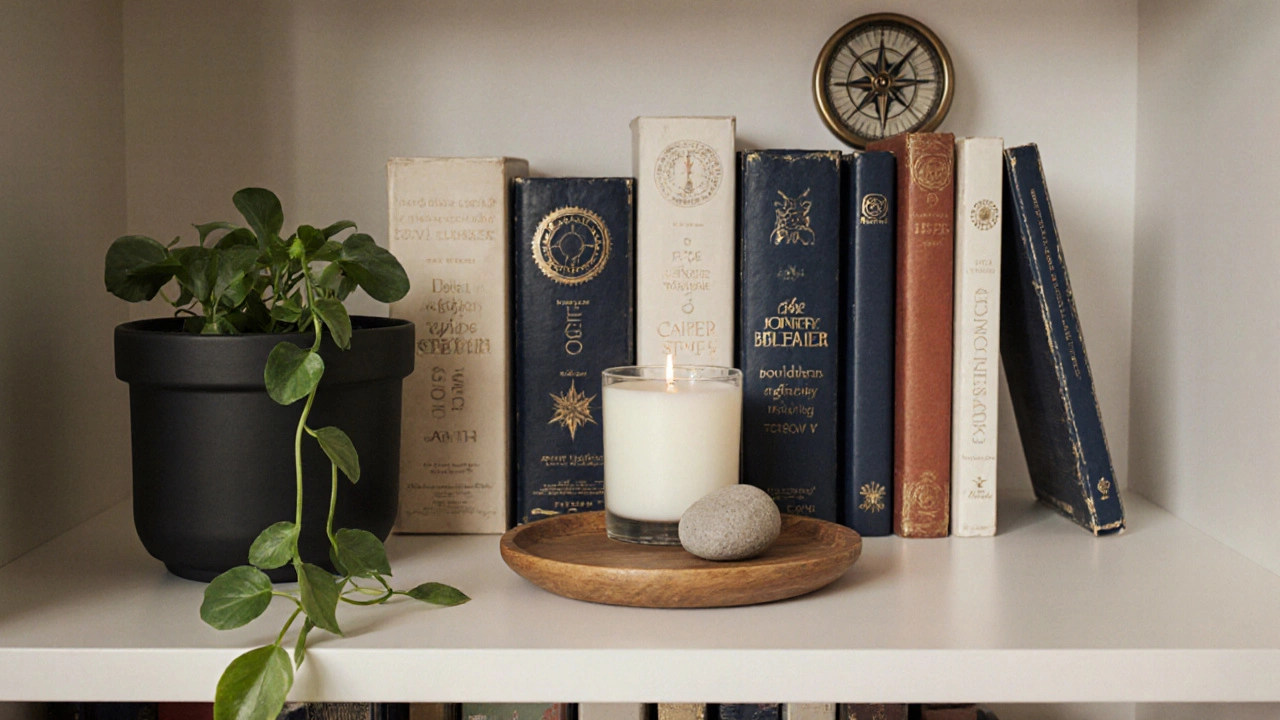
When we talk about bookshelf decor, a functional and visual way to organize books, supplies, and displays in learning environments. Also known as bookcase styling, it’s not just about making shelves look nice—it’s about creating spaces where students can easily find materials, stay focused, and feel inspired. In classrooms, libraries, and even home study areas, how you arrange a bookshelf affects how often kids use it. A cluttered shelf gets ignored. A well-organized one becomes the heart of the room.
Good bookshelf placement, where the shelf is positioned in relation to windows, doors, and traffic flow. Also known as furniture layout, it’s often overlooked but makes a big difference. Putting a bookcase right in front of a window might seem like a smart way to save space, but it blocks natural light and makes the room feel smaller. Instead, place shelves along side walls or behind desks where they support learning without stealing sunlight. This isn’t just about aesthetics—it’s about keeping the space bright, airy, and ready for focus.
And it’s not just books. classroom storage, the organized system for keeping supplies, student work, and learning tools within reach. Also known as educational furniture, it’s what turns a shelf into a teaching tool. Think bins for crayons, trays for worksheets, hooks for backpacks. When students can grab what they need without asking, they learn more independently. Teachers who use bookshelves as storage hubs report fewer disruptions and more time spent on actual lessons.
What makes bookshelf decor work in schools isn’t fancy vases or plastic plants. It’s clear labels, consistent height, and easy access. Low shelves for younger kids. Open backs so light flows through. Durable materials that handle daily use. These aren’t decoration tips—they’re learning design basics.
You’ll find posts here that show how to avoid common mistakes, like blocking windows or cramming too much onto one shelf. You’ll see real examples of how schools use bookshelves to support reading corners, science displays, and student art walls. No fluff. No trends. Just what actually works in a classroom where time, space, and focus matter most.