
Why You Shouldn't Fall Asleep on the Couch
Falling asleep on the couch might feel cozy, but it harms your spine, disrupts sleep quality, and causes chronic pain. Learn why your body needs proper support-and how to fix it.
When you fall asleep on couch, a common habit after a long day, often without thinking about the long-term effects on your body. Also known as couch sleep, it’s something millions do—whether from exhaustion, comfort, or a broken bed—but it’s not harmless.
Your body isn’t designed to sleep in a seated or semi-reclined position for hours. When you fall asleep on couch, your spine loses its natural curve. This puts pressure on your lower back and neck, which is why you wake up stiff or with a crick. If you use a recliner, you might think you’re safe, but even those can misalign your hips and shoulders if they don’t support your legs fully. Studies show that sleeping in a recliner for long periods can reduce blood flow to your legs, especially if your knees are bent higher than your hips. That’s why some people wake up with numb feet or aching calves.
It’s not just about posture. Your sleep cycles get messed up too. A couch rarely offers the firm, flat surface your brain needs to reach deep REM sleep. You shift constantly, wake up more often, and end up feeling more tired than when you started. And if you do this every night, your body starts to adapt—badly. You might notice it’s harder to walk after sitting, or your legs feel heavy in the morning. These aren’t just inconveniences—they’re signs your sleep setup is working against you.
That doesn’t mean you should never nap on the couch. A quick 20-minute rest after lunch? Fine. But if you’re regularly falling asleep on couch, because your bed feels uncomfortable or you’re avoiding it, that’s a signal to look deeper. Maybe your mattress is too soft, your room is too bright, or stress is keeping you awake. The real fix isn’t finding a better couch—it’s figuring out why you’re ending up there in the first place.
Below, you’ll find real stories and practical advice from people who’ve dealt with this exact problem. Some switched to adjustable beds. Others fixed their lighting or tried new pillows. A few discovered their recliner was the culprit all along. These aren’t generic tips—they’re solutions people tried and tested. Whether you’re trying to break the habit or just want to do it safely, the posts here will show you what actually works—and what’s just noise.
Falling asleep on the couch might feel cozy, but it harms your spine, disrupts sleep quality, and causes chronic pain. Learn why your body needs proper support-and how to fix it.

3 Aug
Creative Alternatives to TV Stands: Stylish & Functional Options for Your Living Room

29 Apr
What Wood Lasts Longer Outside? Garden Furniture That Goes the Distance

4 Dec
Choosing the Perfect Throw Pillows for Your Grey Couch
15 Dec
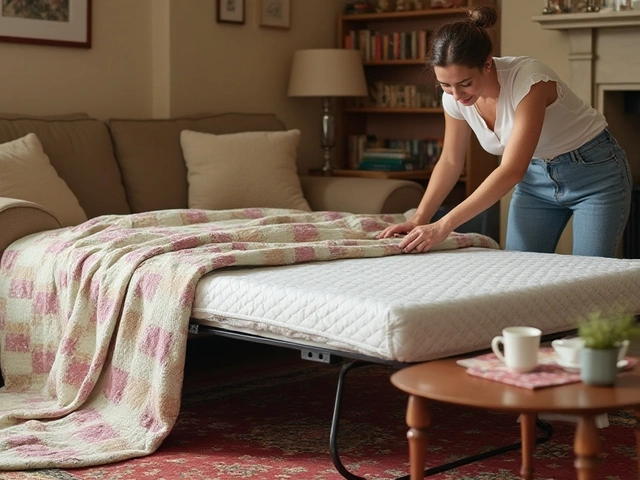
How to Make Your Sofa Bed Comfortable: Tips and Tricks
9 Oct
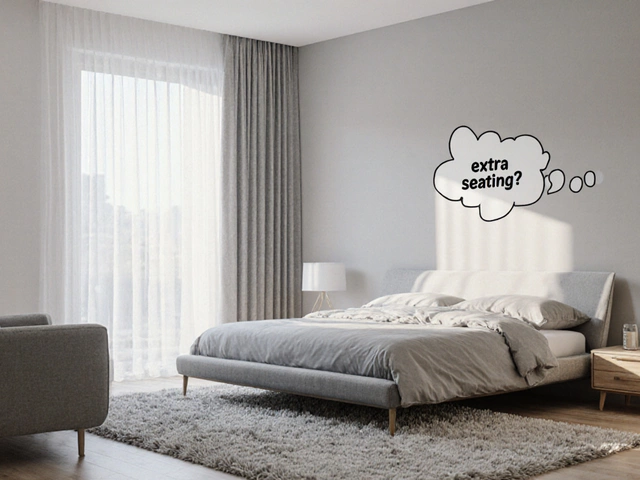
Couch in Bedroom: Pros, Cons & Design Tips