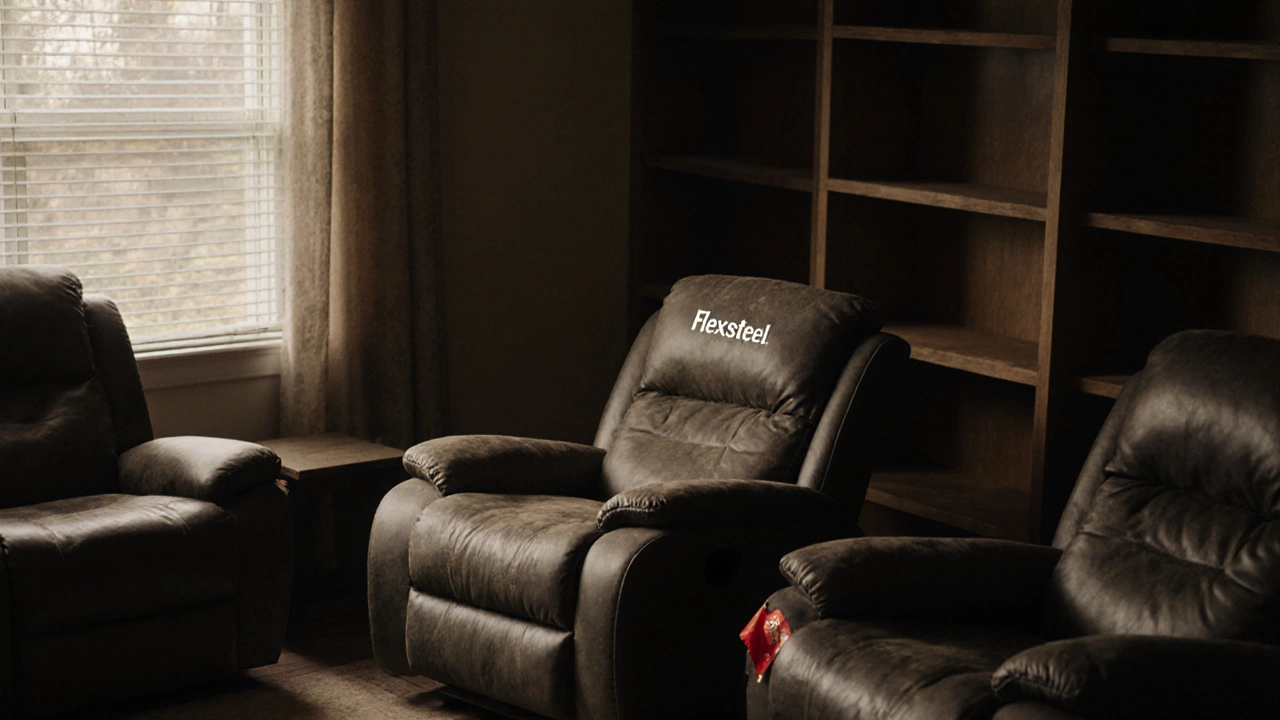
Why Did Flexsteel Go Out of Business?
Flexsteel, once a trusted name in American-made recliners, collapsed in 2025 after decades of ignoring design trends, online shopping, and rising costs. Here’s what really happened.
When a furniture company failure, a business that designs, manufactures, or sells furniture that shuts down despite offering quality products. Also known as furniture startup collapse, it often happens not because the chairs are uncomfortable or the desks break—but because no one knew they existed, or the company didn’t understand who was buying. You’d think if a company made sturdy, ergonomic desks for classrooms, they’d win. But in the UK, dozens of small furniture brands disappear every year—not because they made bad furniture, but because they made it for the wrong people, at the wrong time, or in the wrong way.
Many furniture design mistakes, errors in product development that ignore user needs, space constraints, or budget limits. Also known as poor ergonomic planning, it happen when a company falls in love with a sleek look but forgets that teachers need desks that stack, kids need chairs that grow, and schools need furniture that lasts 10 years without a single screw coming loose. A beautiful chair that collapses after six months isn’t a design win—it’s a liability. The same goes for storage units that look modern but can’t hold 50 textbooks. Schools don’t buy aesthetics. They buy reliability.
Another big reason furniture company failure, a business that designs, manufactures, or sells furniture that shuts down despite offering quality products. Also known as furniture startup collapse, it happens is poor distribution. Some companies make great classroom furniture but don’t know how to reach schools. They spend money on Instagram ads instead of talking to headteachers. They assume if it’s good, it’ll sell. It won’t. Buying for schools isn’t like buying a sofa for your living room. It’s a slow, paperwork-heavy process. You need to understand procurement cycles, budget deadlines, and safety standards like BS EN 1729. If you don’t, even the best desk will sit in a warehouse.
And then there’s cash flow. Many furniture startups think they just need to make a good product. But if your supplier demands payment in 30 days and your school client pays in 90, you’re running on empty. One UK-based company made stunning, custom ergonomic chairs for primary schools—and went bust after three years because they kept producing more chairs while waiting for payments. They didn’t realize they were financing their own failure.
Successful ergonomic furniture startup, a new business focused on designing furniture that supports healthy posture and movement, especially in educational or office environments. Also known as health-focused furniture brand, it don’t just build better chairs. They build relationships. They visit schools. They ask teachers what breaks, what’s heavy, what’s hard to clean. They don’t guess. They listen. They offer trial periods. They fix problems fast. They know that a school will forgive a slow delivery if the product works—and won’t forgive a broken chair that causes back pain in a 7-year-old.
What you’ll find below aren’t just articles about sofas and bookshelves. These are real stories about what works—and what kills furniture businesses. From why putting a bookcase in front of a window ruins a classroom’s light, to how recliner posture mistakes teach us about bad ergonomic design, each post shows a pattern. The best furniture doesn’t win because it looks nice. It wins because it solves a real problem, reaches the right buyer, and stays in business long enough to matter.
Flexsteel, once a trusted name in American-made recliners, collapsed in 2025 after decades of ignoring design trends, online shopping, and rising costs. Here’s what really happened.
15 Oct
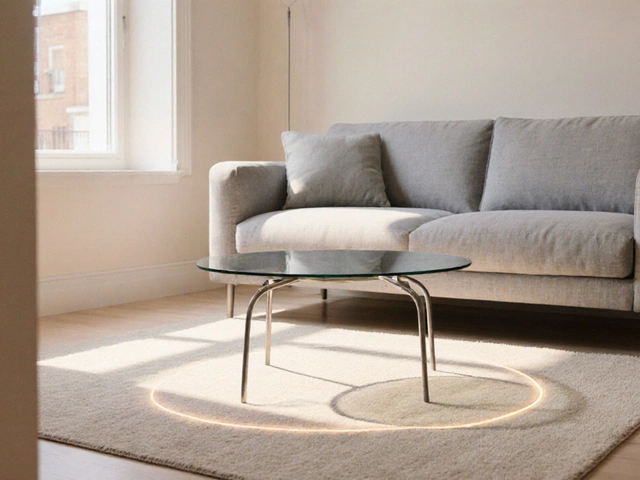
Space‑Saving Coffee Table Shapes: Which Uses the Least Footprint?
1 Jan
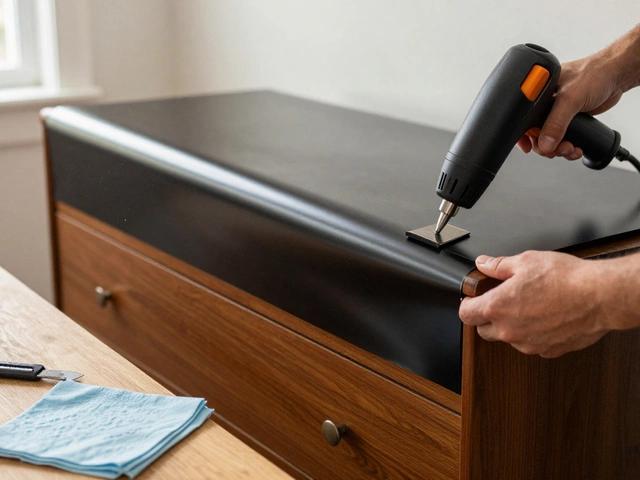
Is It Hard to Vinyl Wrap Furniture? A Simple Guide for Beginners

24 Nov
Can a Couch Fit in a 10x10 Storage Unit: Tips and Tricks

12 Oct
Couch Placement: Should You Put a Sofa in Front of a Window?
30 Mar
What Is a Funeral Couch? Explained Like Modern Sofa Beds