Furniture Storage Covers: Protect Your Belongings with the Right Cover
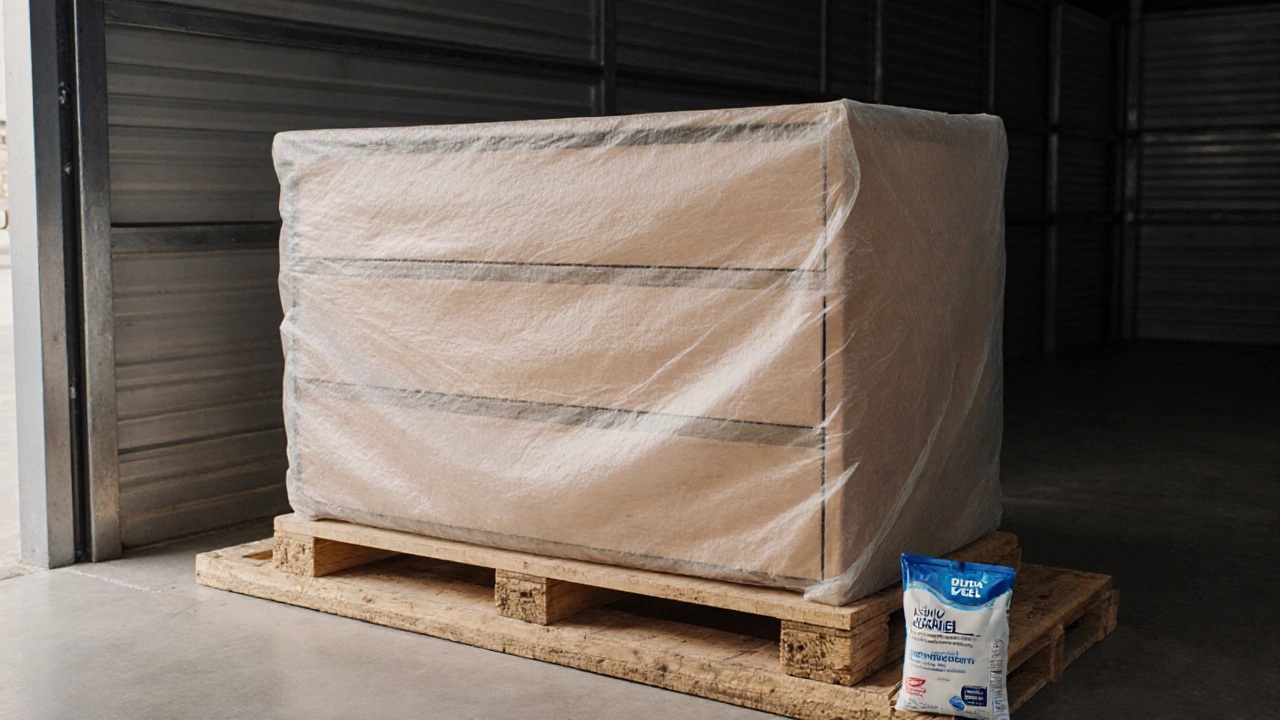
When you store furniture long-term—whether it’s a furniture storage cover, a protective layer used to shield items during storage or transport—you’re not just hiding it away. You’re protecting an investment. A good cover keeps dust out, blocks moisture, and prevents scratches. But not all covers are made the same. Some are thin plastic that traps humidity. Others are breathable fabric that lets air move while keeping dirt out. The difference matters, especially if you’re storing a wooden wardrobe, a leather sofa, or seasonal outdoor chairs.
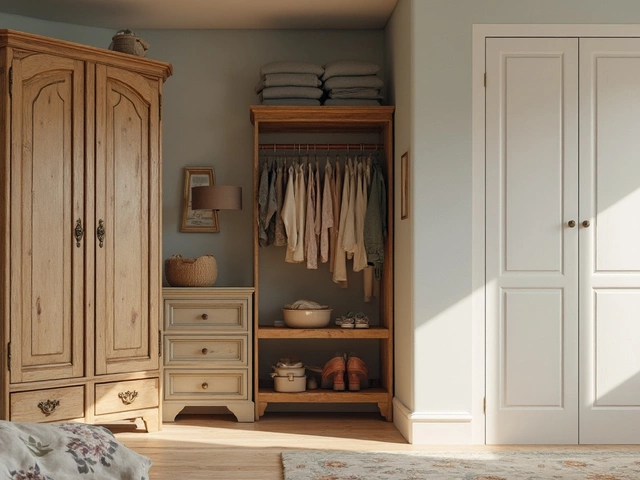
Think about what you’re covering. A wardrobe, a freestanding piece designed for hanging clothes and storing seasonal items needs a cover that won’t trap moisture inside. Mold grows fast in damp, enclosed spaces. That’s why people who store wardrobes in garages or basements often end up with mildew smells—even if the cover looks clean. A breathable cotton or non-woven fabric cover works better than plastic. For storage units, rented spaces used to store household items, often in climate-controlled or basic facilities, covers are just one part of the puzzle. You also need moisture absorbers like silica gel or calcium chloride to pull humidity out of the air. A cover alone won’t save your mattress or electronics if the air is wet.
It’s not just about what you cover—it’s about how you use it. A cover that’s too loose lets dust settle underneath. One that’s too tight can stretch or tear. Look for covers with elastic hems or adjustable straps. If you’re covering a sofa, make sure the cover fits over arms and legs without pulling fabric. And always clean your furniture before covering it. Dirt trapped under a cover can scratch surfaces over time. You wouldn’t wrap a dirty dish in foil and expect it to stay clean. Same rule applies to furniture.
Some people think covers are only for long-term storage. But they’re also useful for moving, renovations, or even just keeping pets off your furniture. A well-placed cover can save you from spills, pet hair, or accidental scratches during busy times. The best ones are easy to put on, easy to take off, and don’t leave behind sticky residue or lint.
Below, you’ll find real advice from people who’ve been there—whether it’s how to pick a cover that actually works, why some storage units still get moldy despite covers, or how to protect a wardrobe without sealing it shut. No fluff. Just what helps.