Wardrobe vs Closet: Key Differences and What You Really Need
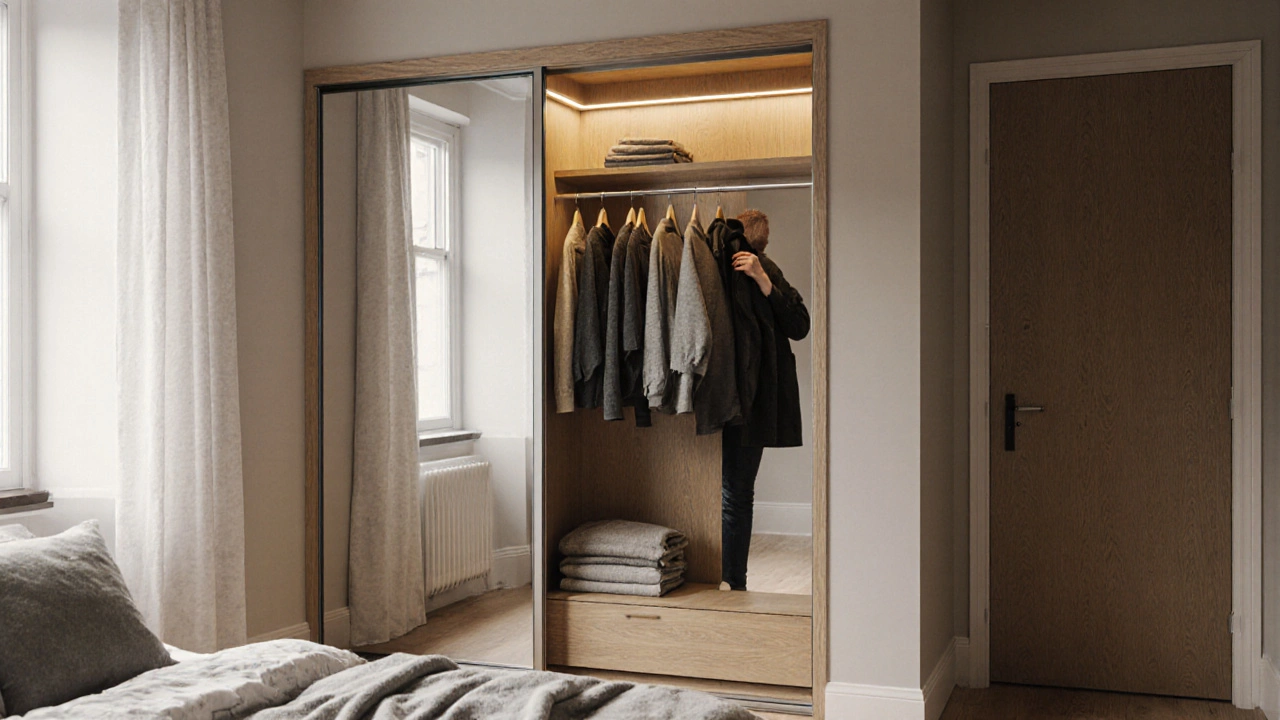
When it comes to storing clothes, you’ve probably heard the terms wardrobe, a freestanding piece of furniture designed to hang and store clothing and closet, a built-in room or alcove with shelves and hanging space for clothes used interchangeably. But they’re not the same. A wardrobe is movable furniture you can buy, move, and rearrange. A closet is part of your home’s structure—fixed, often larger, and built into the walls. The difference isn’t just in how they look; it’s in how they work for your space, budget, and lifestyle.
Think about what you actually need. If you’re renting, a wardrobe, a freestanding piece of furniture designed to hang and store clothing gives you flexibility—you can take it with you. If you own your home and have the wall space, a closet, a built-in room or alcove with shelves and hanging space for clothes adds permanent value and usually holds more. Wardrobes come in all sizes, from slim 2-foot units to wide walk-in models, and often include mirrors, drawers, or shelves. Closets can be customized with lighting, shoe racks, and pull-out hangers, but they’re harder and more expensive to change after construction. Many people use both: a small wardrobe in a bedroom for daily clothes, and a larger closet for seasonal or bulk storage.
Cost matters too. A basic wardrobe can cost under £200 and be assembled in an hour. Building a custom closet can run £1,000 to £5,000 or more, depending on materials and labor. If you’re tight on space, a tall wardrobe can fit where a closet can’t—like a corner or under a window. If you’re dealing with damp or poor ventilation, a wardrobe made of solid wood or metal might protect clothes better than a closet with no airflow. And if you’ve ever tried to move a built-in closet, you know: once it’s in, it’s stuck.
There’s also the question of style. Wardrobes can be modern, rustic, or minimalist—they’re furniture, so they add to your room’s look. Closets are hidden behind doors, so they’re invisible unless you open them. Some people love the clean lines of a wardrobe as a design feature. Others prefer the clutter-free feel of a hidden closet. Neither is better—it just depends on what you value more: visibility and portability, or space efficiency and permanence.
You’ll find posts here that dig into the history of the word wardrobe, why they cost so much, and how to pick one that lasts. You’ll also see guides on storage solutions, how to protect clothes from moisture, and how to organize your space smartly—whether you’re working with a built-in closet or a freestanding wardrobe. These aren’t just tips for tidy rooms—they’re real solutions for people who need their storage to work as hard as they do.