Recliner Cost Comparison Calculator
Compare the true long-term cost of a Lazy Boy recliner versus budget models. See how durability and warranty translate to real savings over 20 years.
Have you ever sat in a Lazy Boy recliner and thought, ‘This feels like it should cost half as much’-only to check the price and nearly drop your phone? You’re not alone. Lazy Boy recliners often carry price tags that make you pause. Some models cost over $2,000. That’s more than a decent sofa. So why? What are you really paying for?
It’s Not Just a Chair. It’s Built to Last Decades.
Most mass-market recliners you find at big-box stores are made to last two or three years before the springs sag, the fabric pills, or the mechanism starts squeaking. Lazy Boy doesn’t make furniture for two-year cycles. They build for 15, 20, even 30 years. The frames are constructed from kiln-dried hardwood, not particleboard or softwood. The joints are reinforced with double dowels and corner blocks, not just nails or glue. You can’t see this when you sit down, but you’ll feel it when your cheaper chair starts to wobble after a year.
Back in 2023, a consumer report tested 12 recliner brands over 10,000 cycles of reclining. Lazy Boy ranked #1 in frame durability. The next closest? A brand that cost 40% less-and failed by cycle 7,200. That’s not marketing. That’s engineering.
Every Stitch Is Hand-Finished
Lazy Boy doesn’t use automated sewing machines for the final assembly. Their upholstery is stitched by skilled craftspeople in their U.S. factories. Each chair goes through 18 separate inspection points before leaving the facility. The stitching pattern isn’t just for looks-it’s designed to hold under constant pressure. The seams are double-stitched in high-wear areas like the armrests and the seat base. You’ll find single-stitch seams on cheaper chairs. Lazy Boy uses double, sometimes triple.
And the leather? They use top-grain, full-aniline hides. That means the leather is dyed through, not coated with a plastic layer. It breathes. It ages gracefully. A $500 recliner might use bonded leather, which is basically shredded scraps glued together and stamped with a grain pattern. It cracks after a few years. Lazy Boy leather softens over time, developing a patina you can’t replicate.
Reclining Mechanisms That Don’t Quit
The magic of a recliner is in the mechanism. Cheap ones use plastic gears and thin steel cables. They break. They stick. They groan. Lazy Boy uses a patented steel cable system with reinforced tensioners. The reclining action is smooth, silent, and consistent-even after 10,000 uses. Their Power Lift models have dual motors with overload protection. You won’t find that kind of engineering in a $700 chair.
And here’s something most people don’t realize: Lazy Boy tests every mechanism for 50,000 cycles before it ships. That’s over 13 years of daily use. Most competitors test for 10,000. That’s a fivefold difference in durability testing.
You’re Paying for Customization, Not Just a Product
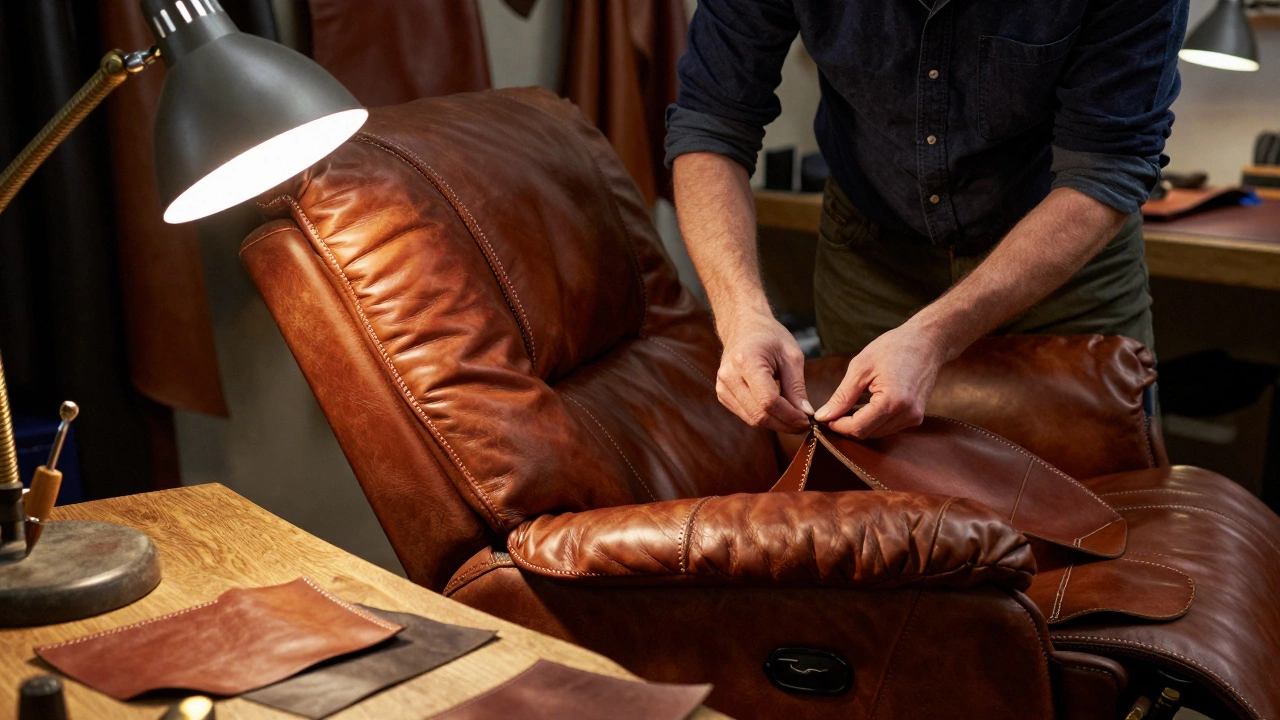
Lazy Boy doesn’t just sell one size fits all. You can pick from over 200 fabric options, 12 leather grades, and dozens of cushion densities. Want a recliner with extra lumbar support? Done. Need a wider seat for taller frames? They’ll build it. Want a power headrest and USB charging ports? No problem. Most brands offer 5-10 options. Lazy Boy offers a full suite of personalization.
This isn’t a catalog item. It’s a custom-built piece of furniture. That means more labor, more material waste, more time in production. That adds up. But it also means you’re not stuck with a chair that doesn’t fit your body.
Warranty That Actually Means Something
Lazy Boy offers a lifetime warranty on the frame, mechanism, and springs. That’s not a gimmick. It’s enforceable. If your frame cracks after 18 years? They’ll replace it. If the reclining mechanism fails? They’ll send a technician. Most brands offer 1-5 year warranties. Some even require you to pay shipping for repairs. Lazy Boy covers everything-parts, labor, and delivery.
And they’ve been doing this since 1927. That’s nearly 100 years of honoring warranties. That kind of track record isn’t cheap to maintain. But it builds trust. And trust costs money.
The Hidden Cost of Cheap Recliners
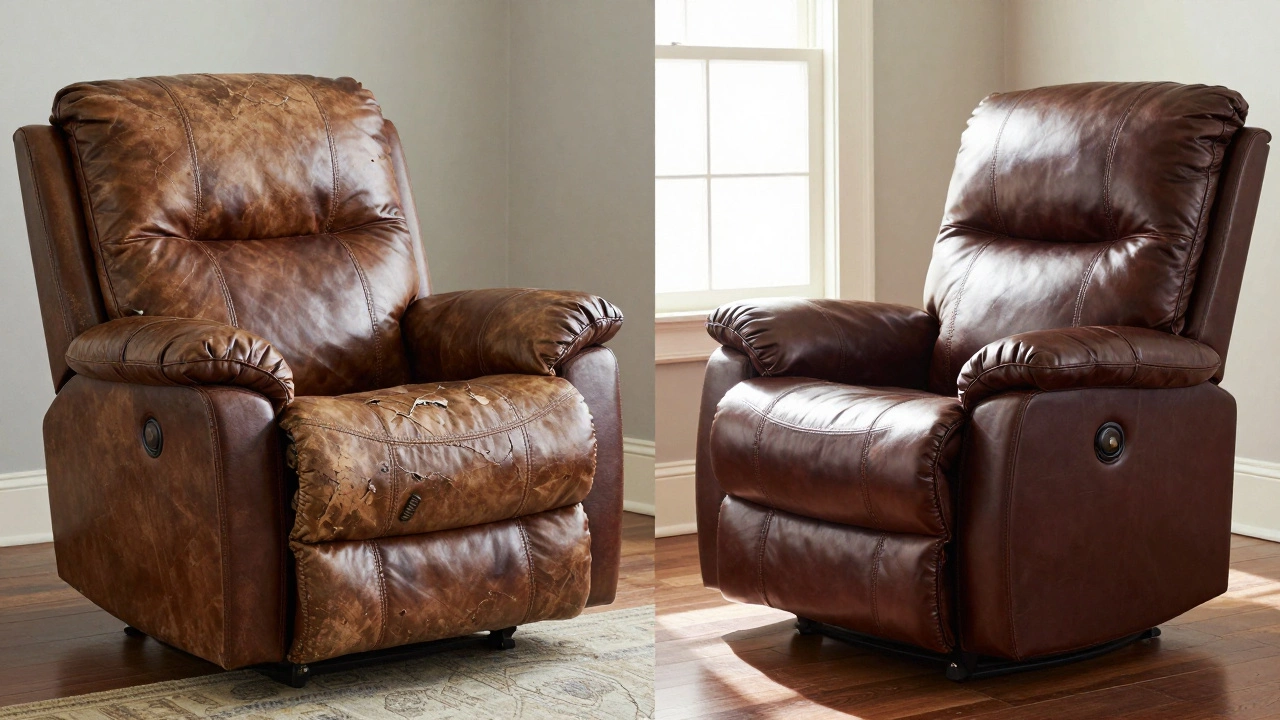
Let’s do a quick math check. A $400 recliner might look like a steal. But if it starts falling apart in 3 years, you’re spending $133 a year. A Lazy Boy at $1,800 lasts 20 years? That’s $90 a year. You’re saving $43 a year by spending more upfront.
And let’s not forget comfort. A poorly designed chair can cause back pain, poor posture, even sleep issues. A high-quality recliner supports your spine properly. That’s not just comfort-it’s long-term health. Many physical therapists recommend Lazy Boy for patients with chronic lower back pain.
It’s Not Just Furniture. It’s an Investment.
Lazy Boy doesn’t sell furniture. They sell peace of mind. You’re not just buying a chair-you’re buying decades of reliable comfort, no maintenance headaches, and a product that holds its value. Resale markets for used Lazy Boy chairs are surprisingly strong. You can often get 50-70% of the original price for a 10-year-old model in good condition. That’s something no $300 chair can do.
And if you’ve ever sat in a Lazy Boy after sitting in a cheap one? You’ll know the difference. It’s not just the cushion. It’s the way it cradles you. The silence. The smooth glide. The way it feels like it was made just for you.
Are Lazy Boy recliners worth the money?
Yes-if you plan to use it daily for more than 5 years. The upfront cost is higher, but the long-term value is clear. A Lazy Boy lasts 2-3 times longer than budget recliners, requires no repairs, and retains resale value. For most people, it’s the only recliner you’ll ever need to buy.
Can I find a similar quality recliner for less?
Not really. Brands like Stressless or Ekornes come close in quality, but they’re even more expensive. Most mid-range brands cut corners on materials or testing. You might find a chair with a similar look, but not the same durability, craftsmanship, or warranty. Lazy Boy’s combination of lifetime frame warranty and U.S. manufacturing is unique.
Do Lazy Boy chairs go on sale?
Yes, but rarely. Major discounts happen during Black Friday or at factory outlet stores. Online retailers sometimes offer 10-15% off during seasonal promotions. But don’t wait for a 50% sale-that’s not how Lazy Boy operates. Their pricing is consistent because they don’t use markdowns to clear inventory. If you want one, buy it when you need it.
Is the leather worth the extra cost?
If you’re looking for durability and natural aging, yes. Full-aniline leather lasts longer, breathes better, and develops a richer look over time. Synthetic leather or bonded leather cracks, peels, and looks cheap after a few years. The leather upgrade adds $300-$800, but it’s one of the best value-adds if you plan to keep the chair for decades.
Why are Lazy Boy chairs made in the USA?
Because quality control is tighter. U.S. factories follow stricter labor and material standards. Workers are trained for years, not hired for a few weeks. This means fewer defects, better consistency, and more accountability. It also means higher production costs-but that’s why the warranty works. They stand behind what they build.
If you’ve been avoiding Lazy Boy because of the price, ask yourself this: how many times have you replaced a recliner? How much time and money have you spent on repairs, replacements, or discomfort? The first Lazy Boy might hurt your wallet. But the next one? You’ll never need to buy another.