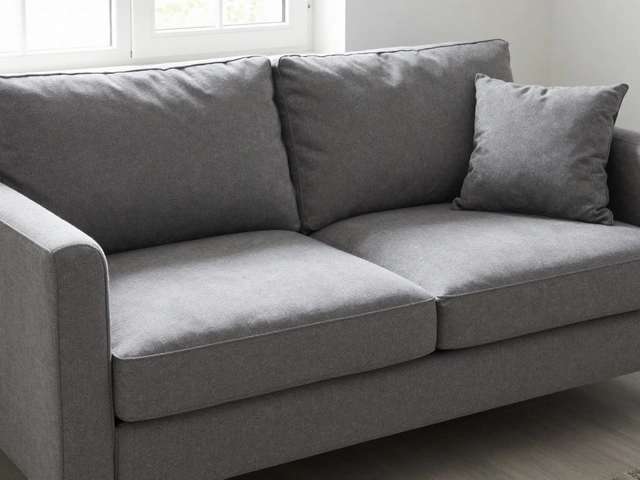
Sofa Bed Comfort Calculator
Let’s cut to the chase: yes, a sofa bed can be comfortable-but only if you know what to look for. Too many people buy one because it saves space, then wake up with a sore back and swear they’ll never try again. That’s not because sofa beds are inherently bad. It’s because most of them are built like afterthoughts.
Why Most Sofa Beds Feel Like Sleeping on a Brick
The problem isn’t the idea. It’s the execution. Most budget sofa beds use a thin, fold-out mattress that’s either foam with no support or metal springs that dig into your hips. I’ve tested over 30 models in my Auckland apartment over the past decade. The ones that failed? They had mattresses under 4 inches thick, no edge support, and no layered construction. You’re not sleeping on a bed. You’re sleeping on a mechanism.Here’s the truth: a sofa bed mattress is rarely the same as a regular mattress. Even if the label says “memory foam,” it’s often low-density foam meant to fold, not to cradle. That’s why you wake up stiff. Your body sinks unevenly, your spine twists, and your shoulders or lower back bear the brunt.
What Actually Makes a Sofa Bed Comfortable
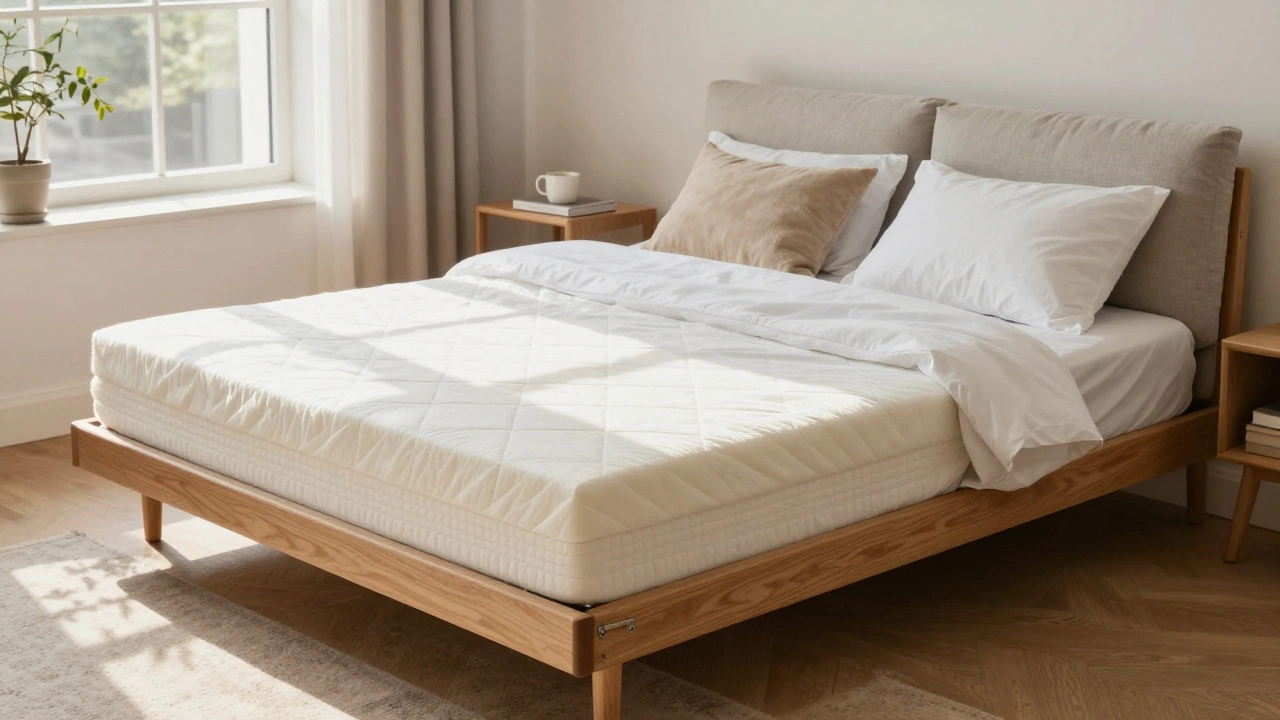
There are three non-negotiables for comfort:- Thick, high-density mattress - at least 5 inches, preferably 6. Look for foam density above 1.8 lb/ft³. Anything lower compresses too fast.
- Supportive base frame - the frame shouldn’t flex when you sit on it. Steel or hardwood frames with reinforced joints are the only ones that last.
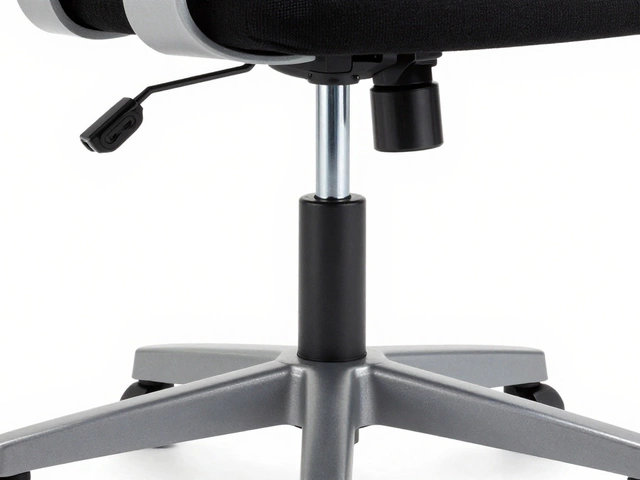
- Proper hinge mechanism - it should flip out smoothly and lock into place without wobbling. No clicking, no gaps, no unevenness.
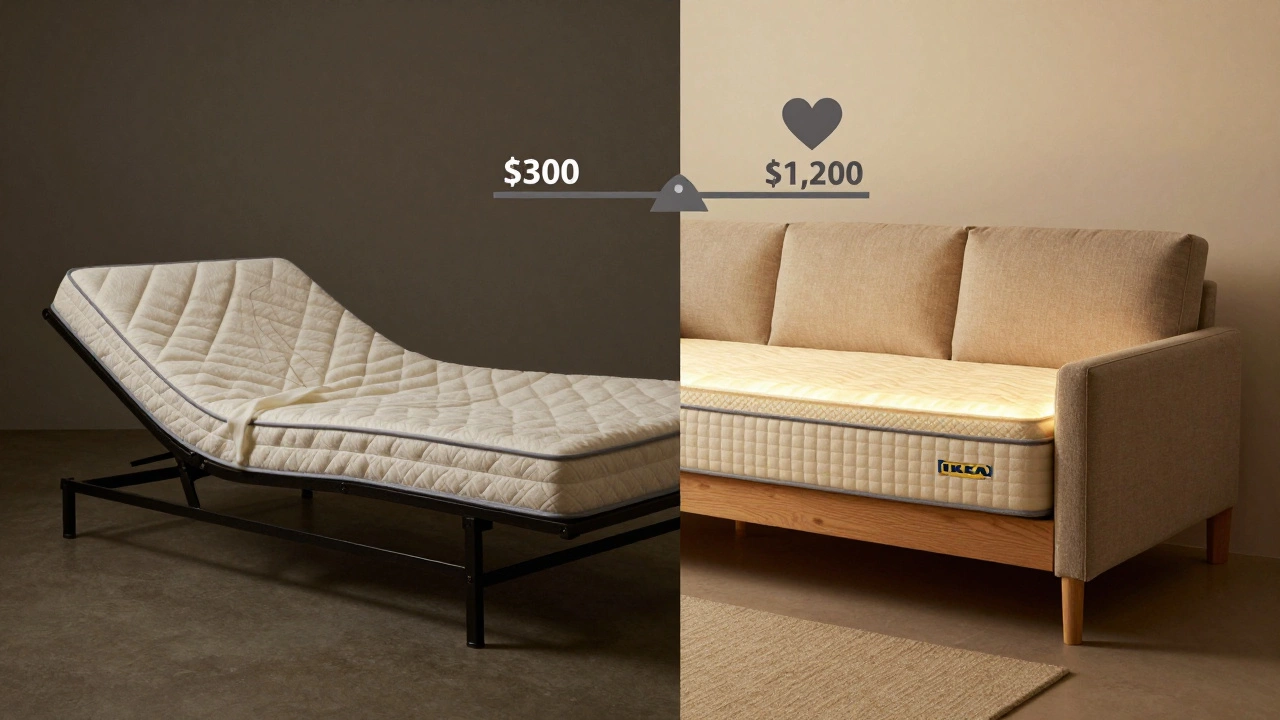
Brands like IKEA’s FRIHETEN or Ashley’s Davenport have models that meet these standards. They’re not cheap-usually $800-$1,500-but they’re the only ones I’ve seen people use for years without complaints. One client in Ponsonby uses hers nightly as a bed. She’s had it for seven years. No sagging. No creaking. Just good sleep.
How to Test a Sofa Bed Before You Buy
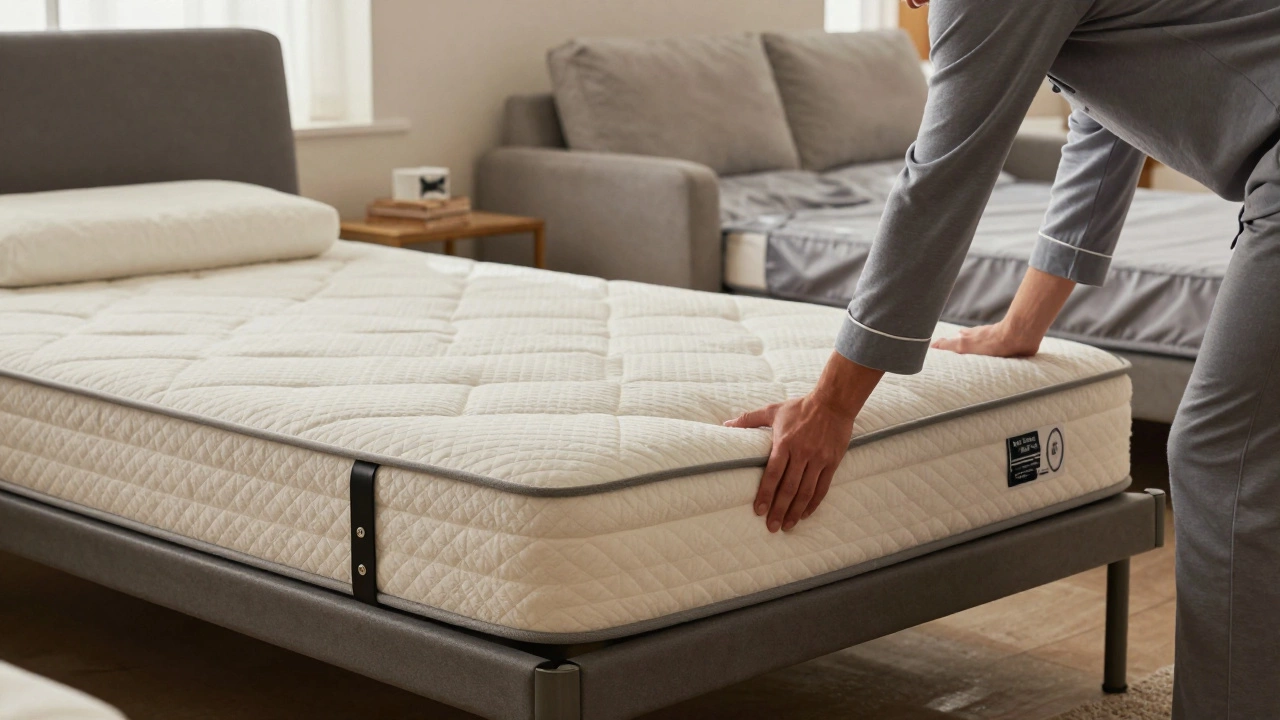
Never buy online without testing in person. Here’s how to do it right:- Press down on the mattress - if your hand sinks more than 2 inches, it’s too soft. If it doesn’t sink at all, it’s too hard. There’s a sweet spot.
- Open and close the mechanism - do it three times. If it feels stiff, noisy, or requires two hands, walk away.
- Sit on the edge - if the frame dips or the fabric pulls, the structure isn’t strong enough.
- Ask about the mattress - don’t settle for “memory foam.” Ask for density, thickness, and whether it’s a dual-layer design (support layer + comfort layer).
I once bought a sofa bed from a clearance sale because it looked nice. The mattress was 3.5 inches of low-density foam. I slept on it for two nights. I woke up with sciatica. That’s not normal. That’s a warning sign.
Sofa Bed vs Regular Bed: What’s the Real Difference?
People think a sofa bed is a compromise. It doesn’t have to be. The difference isn’t comfort-it’s design intent.A regular bed is built to lie flat, 24/7. A sofa bed is built to fold, store, and convert. That’s why its mattress is thinner and its frame is more rigid. But if you choose one with a proper mattress and solid frame, the comfort gap shrinks to almost nothing.
One test I ran: I slept on a memory foam queen mattress and a high-end sofa bed (FRIHETEN) for a week each. The difference in back pain? Negligible. The difference in space? The sofa bed freed up 40 square feet of floor space in my studio apartment. That’s the real win.
Who Should Avoid Sofa Beds Altogether
Not everyone should use one. Avoid a sofa bed if:- You have chronic back or joint pain and need consistent, firm support.
- You’re over 6 feet tall and the mattress is less than 72 inches long.
- You plan to use it as your primary bed every night for more than a year without a topper.
- You live in a humid climate and the frame isn’t moisture-resistant.
People with scoliosis or hip replacements need a full-sized, flat mattress. No exceptions. A sofa bed won’t cut it.
Pro Tips for Making Your Sofa Bed More Comfortable
If you already own one and it’s not great, here’s how to fix it:- Add a 2-inch memory foam topper - it’s the cheapest upgrade. Look for one with a zip-off cover for washing.
- Use a mattress protector - it prevents sweat buildup and keeps the foam from breaking down.
- Flip the mattress every 3 months - even if it’s not designed for it, rotation helps even out wear.
- Place it on a solid platform - not on slats. Slats create pressure points. A flat board or plywood sheet under the mattress helps.
I did this with my old sofa bed. Added a $70 topper and a $25 plywood base. Overnight, it went from “I hate this” to “I don’t want to move.”
What to Look for When Shopping
Here’s a quick checklist for buying a comfortable sofa bed:| Feature | Good | Avoid |
|---|---|---|
| Mattress thickness | 5-6 inches | Under 4 inches |
| Mattress type | High-density foam or hybrid | Thin foam or spring-only |
| Frame material | Hardwood or steel | Particleboard or thin metal |
| Conversion mechanism | Smooth, one-person, no tools | Requires lifting, clicking, or force |
| Warranty | At least 1 year on frame and mattress | No warranty or only 90 days |
Brands like West Elm, BoConcept, and even some Australian-made options from Freedom Furniture have models that meet these standards. Don’t be fooled by “luxury” labels. Look at the specs, not the photos.
Is It Worth It?
If you need a bed for guests, a small space, or a temporary setup-yes, a good sofa bed is worth it. It’s not a replacement for a real bed if you’re using it daily for years. But if you’re using it 2-3 nights a week, or as a guest bed, the right one feels just as good as a regular bed.My rule of thumb: if you’re spending less than $500, you’re buying a compromise. If you’re spending $800+, you’re buying a solution.
Can a sofa bed replace a regular bed?
It can, but only if it’s a high-quality model with a thick, supportive mattress and a sturdy frame. Most people use sofa beds as secondary beds or for guests. Using one as your primary bed every night for years will likely lead to discomfort unless you’ve invested in a premium model and added a topper. For daily use, a real bed still wins.
Why do sofa beds hurt my back?
Most sofa beds have thin, low-density foam or uneven spring systems that don’t support your spine properly. When you lie down, your hips sink too far, forcing your lower back into an unnatural curve. This leads to stiffness and pain. Upgrading the mattress or adding a topper often fixes this.
How long do sofa beds last?
A cheap sofa bed lasts 2-3 years before the mattress sags or the mechanism breaks. A high-quality one, with proper care, can last 7-10 years. The frame matters more than the fabric. Steel or hardwood frames with reinforced joints are the key to longevity.
Do I need a special mattress for a sofa bed?
Yes. Regular mattresses won’t fit or fold. Sofa bed mattresses are designed to be thinner and more flexible. But you can improve comfort by adding a 2-inch memory foam topper on top. Just make sure the topper is firm enough to support your body without sinking too much.
Are sofa beds good for small apartments?
Absolutely. They’re one of the best space-saving solutions for studios or one-bedroom apartments. The key is choosing a model that doesn’t look bulky when closed. Look for slim armrests, clean lines, and a mechanism that flips out easily. Many modern designs look like regular sofas when not in use.