Patio Furniture Bug Risk Calculator
This tool helps you assess how likely your patio furniture is to attract bugs based on material type, climate conditions, and maintenance habits. Results are based on information from the article "Can Bugs Live in Patio Furniture? What You Need to Know".
Input Your Furniture Details
Risk Assessment Results
Select your furniture details and click 'Calculate Bug Risk' to see your risk level.
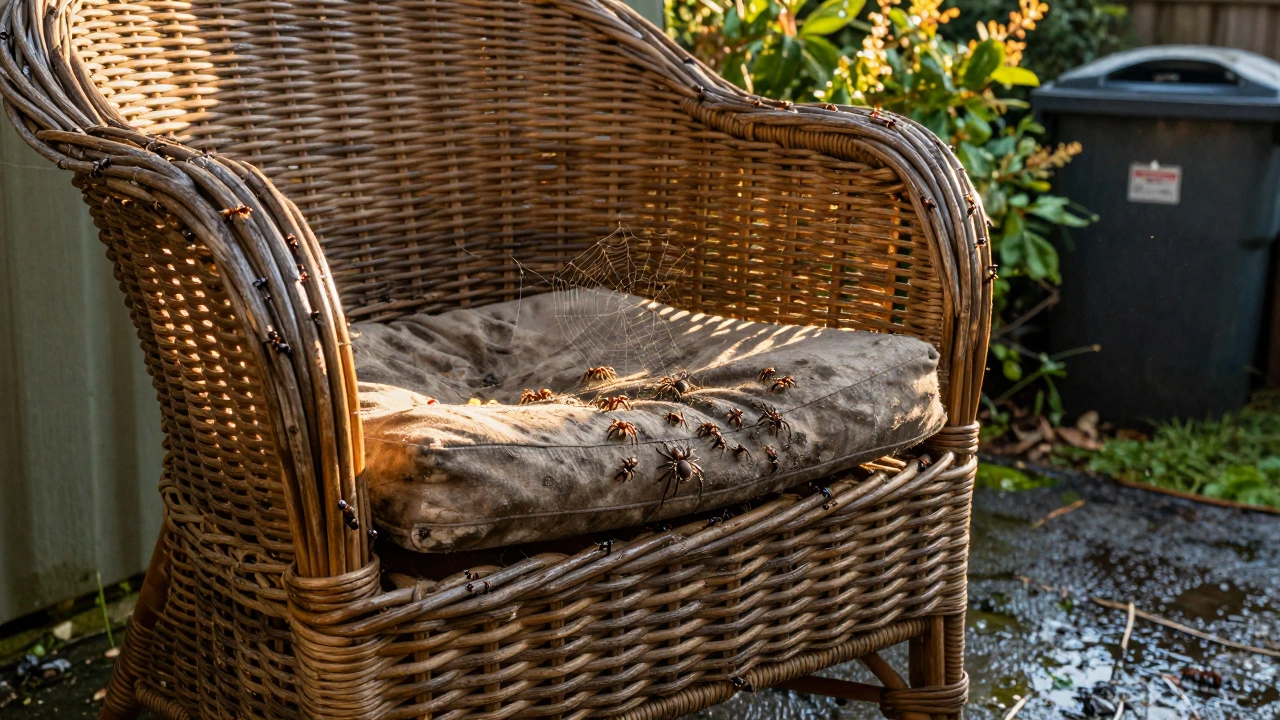
It’s a beautiful afternoon in Auckland. You’ve just pulled out your favorite patio chair, settled in with a cup of tea, and then-bugs. Not just one, but a whole cluster scuttling out from under the cushion. You freeze. Did your outdoor furniture become a bug hotel? The answer isn’t as simple as yes or no. But understanding how and why bugs show up in patio furniture can save you from a lot of frustration-and a lot of cleaning.
Yes, bugs can live in patio furniture. Here’s how.
Patio furniture isn’t just wood, metal, or plastic. It’s a structure with gaps, seams, cushions, and hidden spaces. These aren’t just design flaws-they’re perfect hiding spots for insects looking for warmth, shelter, or food. Outdoor furniture left out year-round, especially in damp climates like New Zealand’s, becomes a magnet for bugs that thrive in quiet, undisturbed corners.
Common culprits include:
- Spiders-they build webs in frame joints and under cushions, especially if the furniture hasn’t been moved in weeks.
- Ant colonies-they’re drawn to crumbs, spilled drinks, or even the foam inside cushions that’s starting to break down.
- Cockroaches-yes, even in outdoor spaces. They crawl in through cracks, especially if the furniture sits near a compost bin or overgrown shrubbery.
- Beetles and wood-boring insects-if your furniture is made from untreated wood, termites or powderpost beetles can slowly tunnel through it over time.
- Millipedes and earwigs-they don’t bite, but they love damp, dark places. If your patio doesn’t drain well, they’ll set up shop under chairs or tables.
These bugs aren’t always a sign of poor hygiene. Sometimes, they’re just opportunistic. A single ladybug might crawl under a cushion to escape rain. But if you start seeing dozens-or worse, egg sacs-then it’s not random. It’s a pattern.
What materials attract bugs the most?
Not all patio furniture is equal when it comes to bug attraction. Material matters more than you think.
| Material | Bug Risk | Why |
|---|---|---|
| Wicker (natural) | High | Deep weaves trap moisture and debris. Perfect for spiders, ants, and beetles to nest. |
| Wood (unsealed) | High | Moisture seeps in, causing rot. Wood-boring insects like termites and carpenter ants love it. |
| Plastic (HDPE) | Low | Smooth, non-porous surface. Bugs can’t grip or burrow. Easy to clean. |
| Metal (aluminum, steel) | Low to Medium | Generally bug-proof unless there are cracks, rust spots, or fabric cushions attached. |
| Fabric cushions | Very High | Even if the frame is plastic, cushions absorb spills, sweat, and dead skin. Bugs feed on organic matter inside. |
If you’ve got natural wicker or untreated wood, you’re at higher risk. Plastic and metal frames are far less inviting-unless you’ve added fabric. And that’s the real problem: cushions.
Cushions are the #1 bug hotspot
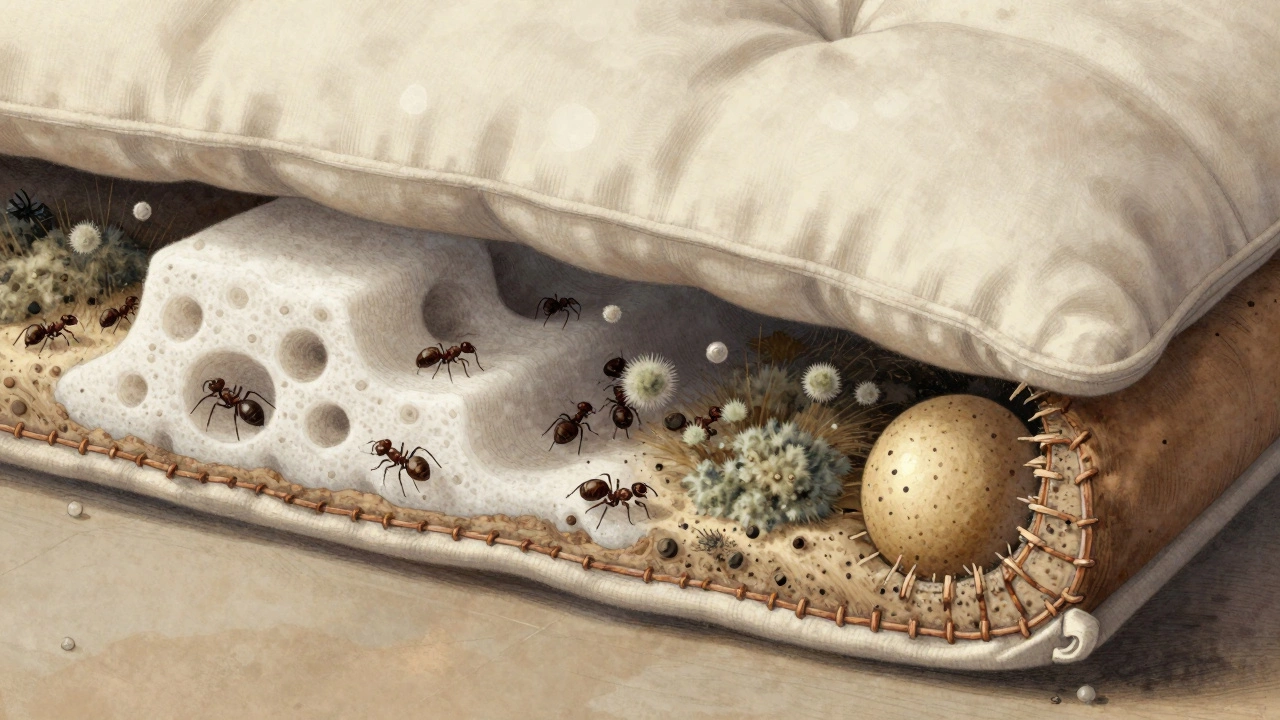
Here’s the truth most people ignore: the frame doesn’t matter as much as the cushion. Foam, polyester fill, and fabric create a warm, dark, moist environment that bugs find irresistible. Even if you clean the frame every week, if the cushions sit untouched for months, they’re basically bug condos.
Spiders lay eggs in the seams. Ants find crumbs trapped between the foam and the cover. Dust mites thrive in the dead skin cells that naturally shed onto cushions. In humid climates, mold can grow inside the foam, which attracts fungus gnats.
One homeowner in Wellington found a live ant colony inside a cushion after leaving it out over winter. She thought it was just dirt. It wasn’t. It was a nest.
The fix? Remove cushions during rain or cold months. Store them indoors. If you can’t, use waterproof covers that seal tightly. And don’t just wipe the surface-flip, shake, and vacuum the cushions every few weeks. Use a brush attachment to get into the stitching.
Signs your patio furniture has a bug problem
You don’t need to be an entomologist to spot trouble. Look for these clues:
- Small holes or sawdust near wooden joints (sign of wood-boring insects)
- Webbing under cushions or in frame joints (spiders)
- Live insects crawling out when you move furniture
- A musty smell coming from cushions (mold + mites)
- Tiny dark specks on fabric (insect droppings or eggs)
If you notice any of these, don’t wait. A few bugs today can become a full infestation by next summer.
How to prevent bugs from moving in
Prevention is easier-and cheaper-than cleaning up after the fact. Here’s what actually works:
- Keep it dry. Water is the biggest attractant. Make sure your patio drains well. Don’t leave cushions out in the rain.
- Move furniture regularly. Even shifting your chairs once a week disrupts bug habitats. Bugs like stability. Break it up.
- Use protective covers. Not just any cover-tight-fitting, breathable, UV-resistant ones. Avoid plastic tarps; they trap moisture.
- Choose synthetic cushions. Look for cushions with removable, machine-washable covers. Avoid down or feather fills.
- Seal wood furniture. Apply a high-quality outdoor wood sealant every year. Look for products with insect repellents like borate.
- Keep the area clean. Sweep up food crumbs, wipe down spills, and trim back bushes that touch your furniture. Bugs come from the environment.
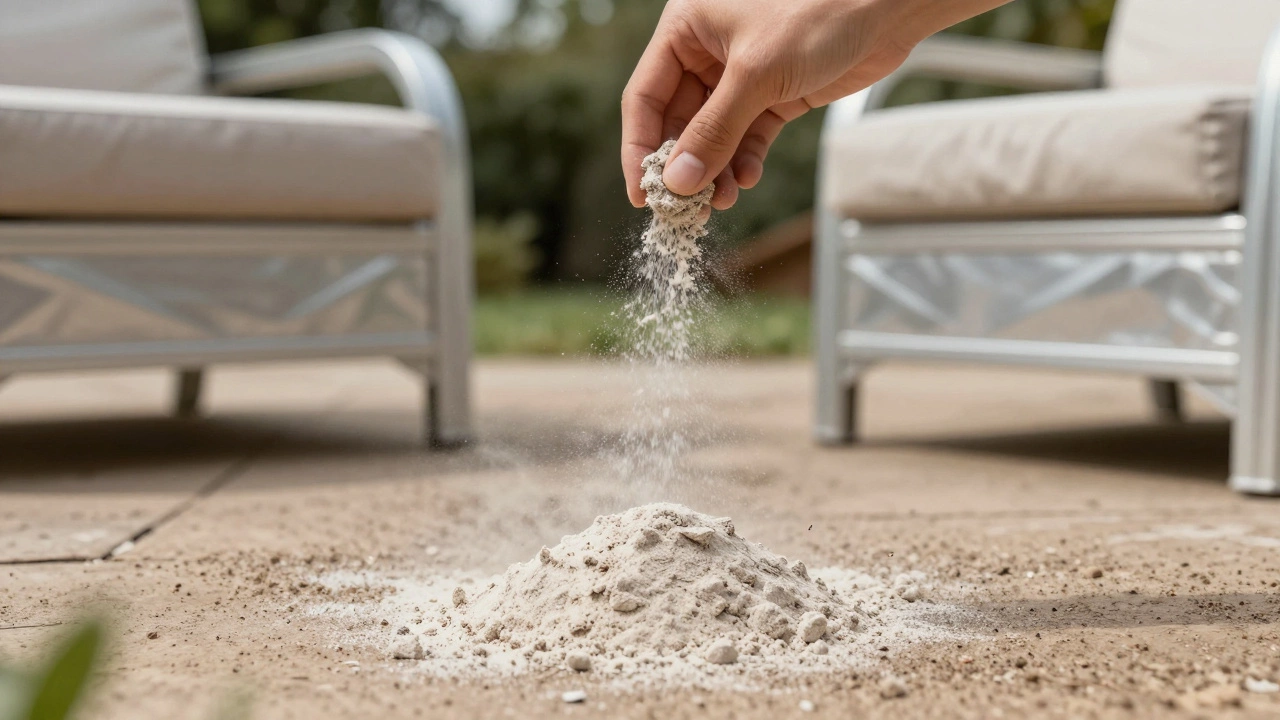
One trick used by landscape pros in Auckland: sprinkle food-grade diatomaceous earth around the base of your furniture. It’s a natural powder that dehydrates insects. Safe for pets and plants, and it lasts for months.
What to do if bugs are already there
If you’ve got an active infestation, don’t panic. But don’t ignore it either.
- Take cushions inside. Wash them in hot water (at least 60°C) and dry on high heat. This kills eggs, mites, and most insects.
- For wooden frames, use a stiff brush to scrub joints. Then wipe down with a solution of 50% white vinegar and 50% water. Vinegar kills mold and repels ants.
- For metal or plastic, a quick rinse with soapy water and a disinfectant spray (like Lysol Outdoor) will do the job.
- If you see wood damage-crumbling, hollow sounds when tapped-call a pest control expert. Termites can spread fast.
Never use harsh chemical sprays directly on furniture. They can damage fabrics, stain wood, or leave toxic residues. Stick to natural or outdoor-safe cleaners.
When to replace patio furniture
Some damage can’t be fixed. If your furniture has:
- Deep cracks in the wood
- Constant mold growth inside cushions
- Structural weakness from insect tunnels
- Fabric that’s permanently stained or smells bad after cleaning
Then it’s time to replace it. Holding onto damaged furniture doesn’t save money-it invites more bugs, more mess, and more work.
When shopping for new pieces, look for:
- All-weather synthetic wicker (not natural)
- Aluminum or powder-coated steel frames
- Cushions with zippered, removable, water-resistant covers
- Furniture that lifts slightly off the ground (prevents moisture buildup)
Can bugs live in plastic patio furniture?
Plastic patio furniture itself doesn’t attract bugs because it’s smooth and non-porous. But bugs can still hide under cushions, in seams, or in cracks around the frame. If your plastic furniture has fabric or foam, that’s where the problem lives-not the plastic.
Do bugs come out in winter?
In Auckland’s mild winters, many bugs stay active. Spiders, ants, and cockroaches don’t hibernate like they do in colder climates. If your patio furniture stays outside and damp, bugs will still be around-even in July.
Are bug sprays safe to use on outdoor furniture?
Avoid spraying chemical pesticides directly on furniture. They can damage materials, leave harmful residues, and aren’t designed for this use. Instead, clean with vinegar or mild soap, and use diatomaceous earth around the base for long-term prevention.
Can cushions be washed to remove bugs?
Yes, if they’re removable and machine-washable. Wash them in hot water (60°C or higher) and dry on high heat. This kills eggs, larvae, mites, and most insects. Always check the care label first.
Should I cover my patio furniture every night?
No, that’s unnecessary. But do cover them during extended rain, storms, or if you’re away for more than a few days. Daily covering traps moisture and can cause mold. Use covers only for long-term protection, not daily use.