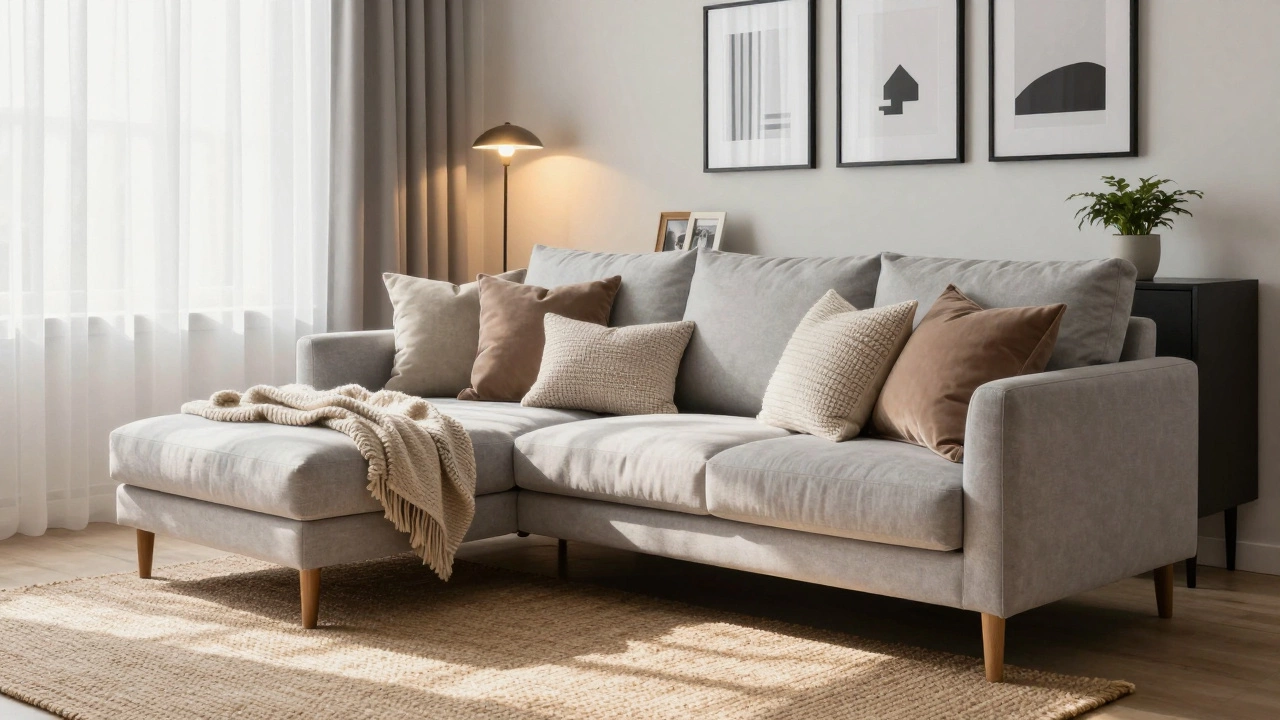
Corner Sofa Styling Calculator
For your room size, place your sofa the corner to create a comfortable conversation zone. Leave at least of walking space on the open side.
Tip: In small rooms, keep the sofa flush with walls; in large rooms, angle it slightly for visual interest.
For your style, try this color combination:
Use pillows total: mix with patterns. Add one chunky knit throw in .
Recommended rug size:
This size should fit under the front legs of your sofa. For your room dimensions, avoid rugs smaller than 6x9 ft.
Lighting recommendation:
Use warm white bulbs (2700K-3000K) for a cozy atmosphere. Avoid cool white LEDs that make the space feel sterile.
Corner sofa is one of the most practical pieces of furniture in a modern home. It fits snugly into awkward corners, offers plenty of seating, and often hides storage underneath. But let’s be honest-many people buy one and then wonder why it looks heavy, dull, or just plain out of place. The problem isn’t the sofa itself. It’s how it’s styled. A corner sofa doesn’t need to be the center of attention. But it should feel intentional, balanced, and inviting. Here’s how to make it look good-not just functional.
Start with the Right Placement
Where you put your corner sofa matters more than you think. Too many people shove it into the corner and call it done. That’s like putting a painting on the floor and expecting it to look like art. The best corner sofa placements leave breathing room. If your room is large, angle the sofa slightly away from the corner. This creates a natural conversation zone and opens up the floor space. In smaller rooms, keep it flush with the walls, but leave at least 18 inches of walking space on the open side. Don’t block windows or doorways. If your sofa faces a TV, make sure the viewing distance is comfortable-about 7 to 9 feet for a 55-inch screen. You’re not building a home theater. You’re building a place to relax.Layer with Throws and Pillows
A plain corner sofa with no texture looks like it’s waiting for someone to move in. The fix? Layers. Start with two or three throw pillows in different sizes and shapes. Mix solids with patterns-stripes, florals, or geometric prints. Keep the color palette tied to the rest of the room. If your walls are neutral, let the pillows add color. If your room already has bold walls, choose pillows in muted tones. Add a chunky knit throw draped over one arm. Don’t pile them on like a mattress. Three pillows and one throw is enough. Too many look messy. The goal is warmth, not clutter. People notice texture before color. A velvet pillow next to a linen one creates visual interest without shouting.Balance With a Side Table or Console
One arm of your corner sofa is probably empty. That’s a wasted opportunity. Place a narrow side table or a low console behind the sofa, especially if it’s facing the center of the room. A side table gives you a spot for a lamp, a book, or a coffee cup. A console can hold a small plant, a stack of design books, or a framed photo. Choose something that’s lower than the back of the sofa-this keeps the eye flowing naturally. Avoid bulky pieces. In a small space, a floating shelf mounted on the wall behind the sofa works better than a heavy table. It doesn’t eat up floor space but still adds function. The key is symmetry. If you have a lamp on one side, consider matching it with a small plant or vase on the other. Even if the items aren’t identical, their visual weight should feel balanced.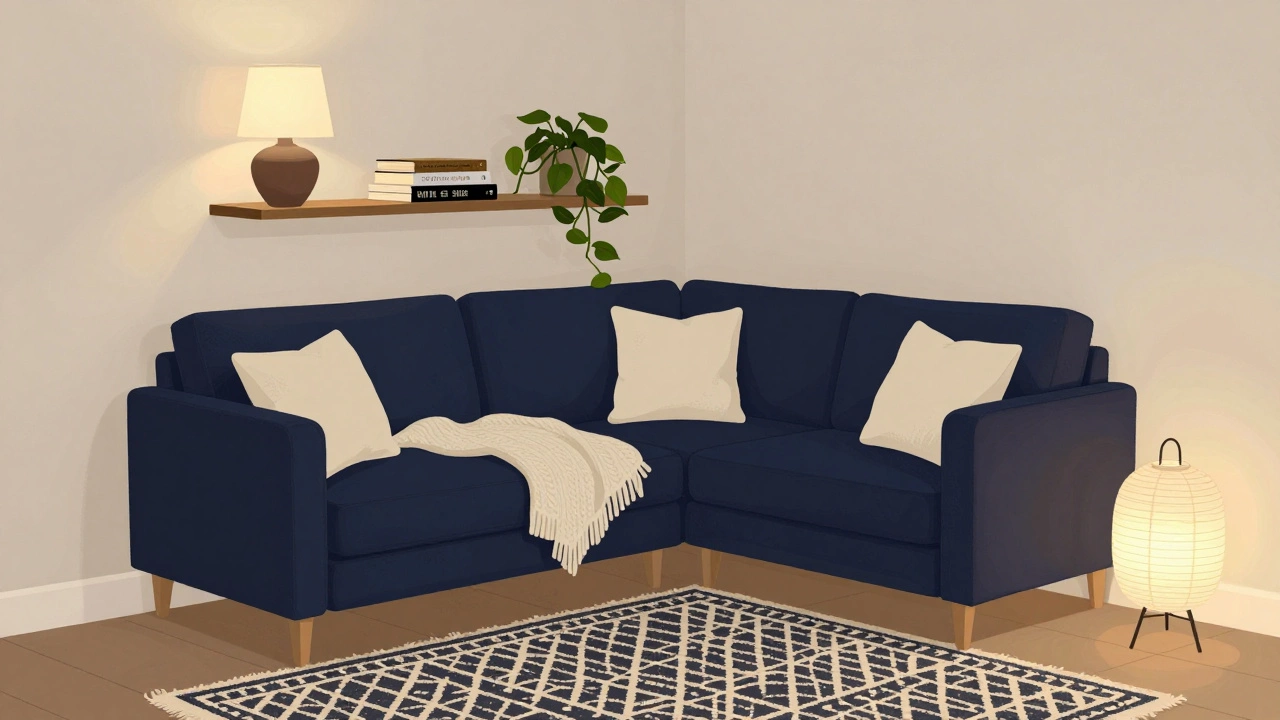
Use Rugs to Define the Space
A corner sofa without a rug looks like it’s floating. Rugs anchor the seating area and make the space feel intentional. Choose a rug that’s big enough to fit under the front legs of the sofa. If your sofa is wide, go for a 9x12 or larger. In a tight space, a 6x9 works if it’s centered under the sofa. Avoid small rugs that only sit under the coffee table-that makes the sofa look disconnected. The rug should feel like part of the sofa’s foundation. Stick to neutral tones if your sofa is colorful. If your sofa is gray or beige, a rug with a subtle pattern adds depth. Wool or jute are great choices-they’re durable, soft underfoot, and look expensive without being flashy. Avoid shiny synthetic materials. They catch light in the wrong way and feel cheap.Lighting Makes All the Difference
Most people forget lighting until the room feels flat. Corner sofas often sit in the shadows. Fix that with layered lighting. Start with overhead lighting-don’t rely on just one ceiling bulb. Add a floor lamp next to the open end of the sofa. A tall, slim arc lamp works well because it doesn’t block the view. If you have a side table, put a small table lamp on it. Warm white bulbs (2700K-3000K) are best-they’re cozy, not clinical. Avoid cool white LEDs. They make everything look sterile. If your room has a window, use sheer curtains to soften daylight. At night, dim the lights just enough so the sofa feels like a nest, not a stage. Lighting doesn’t need to be fancy. A simple paper lantern or a ceramic lamp from a local artisan can add character.Don’t Forget the Back Wall
The wall behind your corner sofa is a blank canvas. Don’t ignore it. A gallery wall with 3-5 framed prints or photos adds personality. Keep the frames consistent in style-mix wood and metal if you want contrast, or stick to one material for calm. If you prefer minimalism, a single large mirror reflects light and makes the room feel bigger. A tall plant in a woven basket also works. Avoid hanging art too high. The bottom of the frame should be about 6 inches above the sofa back. That way, it feels connected, not floating. If you have a TV mounted above the sofa, make sure the sofa is low enough that you’re not straining your neck. If the TV is too high, lower it or switch to a media console. The wall behind the sofa should feel like an extension of the seating-not an afterthought.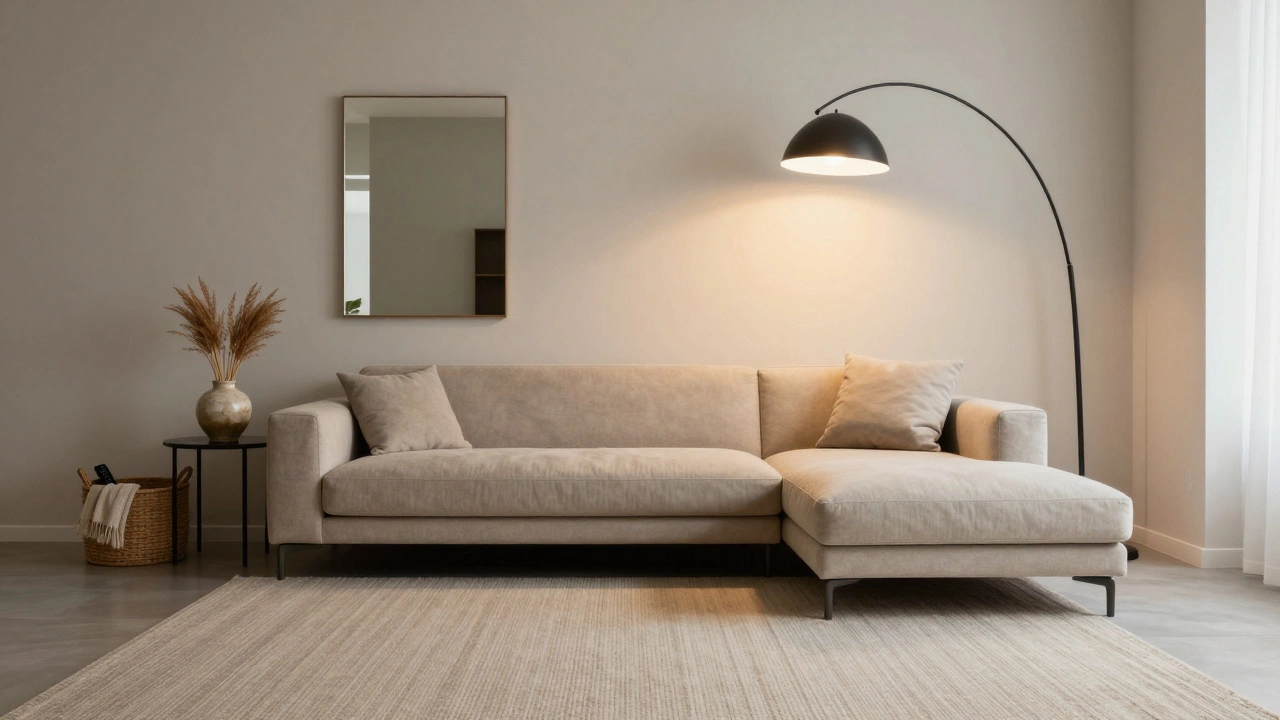
Keep It Clean and Uncluttered
A corner sofa invites lounging. That means remote controls, blankets, and snacks end up scattered. Over time, this makes the space look lived-in-too lived-in. Designate a storage basket or ottoman nearby for throw blankets and remotes. Keep coffee table surfaces clear except for one or two decorative items. A small tray holds candles, a book, or a fruit bowl. Avoid cluttering the sofa itself with bags, coats, or kids’ toys. If you have pets, choose stain-resistant fabric. Microfiber, performance velvet, or tightly woven cotton are good options. Clean spills immediately. A good vacuum with a brush attachment keeps pet hair and crumbs from building up. A clean sofa looks expensive. A messy one looks neglected-even if it’s brand new.Match the Style of the Rest of the Room
Your corner sofa shouldn’t look like it came from a different house. If your home is modern, go for clean lines, low arms, and neutral tones. If your style is rustic, choose a sofa with wooden legs and a slightly slouchy shape. Industrial spaces work with metal frames and dark leather. Boho rooms can handle bold patterns and textured fabrics. Don’t force a mid-century modern sofa into a farmhouse kitchen. It won’t fit. The sofa should feel like it belongs-not like a guest who overstayed. Look at your existing furniture. Match the leg style, fabric texture, or color tone. Even a small detail, like matching the sofa’s stitching to your curtains, creates harmony. You don’t need everything to match perfectly. But there should be a thread that ties it together.Test It Out Before You Buy
Before you commit, sit on it. Not just for comfort-test how it looks in your space. Take measurements. Check doorways. See how light hits it at different times of day. Borrow a friend’s sofa for a weekend. Drape a blanket over your current one to simulate the new shape. See how it changes the flow of the room. A corner sofa is a big investment. It’s not just about price. It’s about how it changes your daily life. If it feels awkward to sit on, or if it blocks your view of the TV, it’s not worth it. Buy for how you live-not for how you think you should live.Can a corner sofa work in a small living room?
Yes, but only if you choose the right size and placement. Look for a compact L-shaped design with low arms and exposed legs-it creates the illusion of more space. Avoid bulky, high-back styles. Place it flush against two walls and leave a clear path to the rest of the room. Pair it with a small rug and minimal side tables. A mirror on the opposite wall helps bounce light and make the space feel larger.
What color should I choose for my corner sofa?
Neutral tones like gray, beige, or navy are safest-they blend with almost any style and hide wear. If you want color, pick one that matches your existing decor. A deep green sofa works in a room with wood tones and plants. A soft blue fits a coastal or Scandinavian space. Avoid bright white unless you’re prepared to clean it often. Darker shades are more forgiving and feel cozier.
Should I get a sectional or a corner sofa?
Sectionals are larger and more modular-they can wrap around three walls. Corner sofas are simpler, usually L-shaped, and fit tighter spaces. If you have a medium-sized room and want clean lines, go for a corner sofa. If you need maximum seating and don’t mind a bulky look, a sectional works better. Most people overestimate how much seating they need. A corner sofa with two matching chairs often feels more balanced than a huge sectional.
How do I clean a fabric corner sofa?
Check the care label first. Most modern sofas have removable covers that are machine washable. For spot cleaning, use a mix of mild soap and water. Blot-don’t rub. For stains, baking soda and vinegar work well on organic spills. Vacuum weekly with a brush attachment to remove dust and pet hair. Avoid steam cleaners unless the manufacturer says it’s safe. For spills, act fast. The longer you wait, the harder it is to remove.
Is leather or fabric better for a corner sofa?
Leather lasts longer and is easy to wipe clean, but it’s colder in winter and can crack if not conditioned. Fabric is softer, warmer, and comes in more colors, but it shows stains and pet hair. If you have kids or pets, go for performance fabric like Crypton or Sunbrella-they’re stain-resistant and durable. Leather works best in formal or modern spaces. Fabric suits cozy, lived-in homes. Neither is better-just different.