Most of us grew up with the "perimeter push." You get a new sofa, and the first instinct is to slide it right up against the wall to save space. It feels natural, it's what we see in old catalogs, and it keeps the center of the room open. But here is the problem: when you glue your furniture to the walls, you aren't actually making the room feel bigger; you're just making it feel like a waiting room at a dentist's office.
The Psychology of the "Floating" Layout
When you move your seating away from the walls, you create what designers call a "floating" arrangement. This simple shift changes the entire vibe of your home. Instead of a room that feels like a hallway, you create a dedicated zone for conversation. Think about it-do you really want to sit three feet away from someone and shout across a void, or do you want to feel tucked into a cozy spot?
By pulling the couch away from the wall, you define the couch placement is the strategic positioning of seating furniture to optimize traffic flow and social interaction. This technique creates a sense of intimacy. When people sit closer together, the energy in the room shifts from formal to relaxed. It's the difference between a boardroom meeting and a late-night chat with friends.
Airflow and the Visual "Breath"
Ever noticed how a room feels claustrophobic even if it's actually quite large? Often, it's because the furniture is suffocating the walls. Leaving a gap-even just 6 to 12 inches-between your sofa and the wall allows the room to "breathe." This creates a visual shadow line that tells the eye the room is larger than it appears.
Beyond the looks, there is the practical side of Air Circulation. Pushing a heavy fabric sofa directly against a wall can trap moisture, especially in older homes or humid climates. This can lead to mildew growth on the back of the sofa or the drywall. By creating a small air gap, you protect your investment and your home's structure.
Solving the Corner Sofa Dilemma
Now, Corner Sofas are a different beast. Because they are L-shaped, the instinct to tuck them into a corner is even stronger. However, jamming a sectional into a corner often creates a "dead zone" where the corner seat becomes a place where remote controls go to die and no one ever actually sits comfortably.
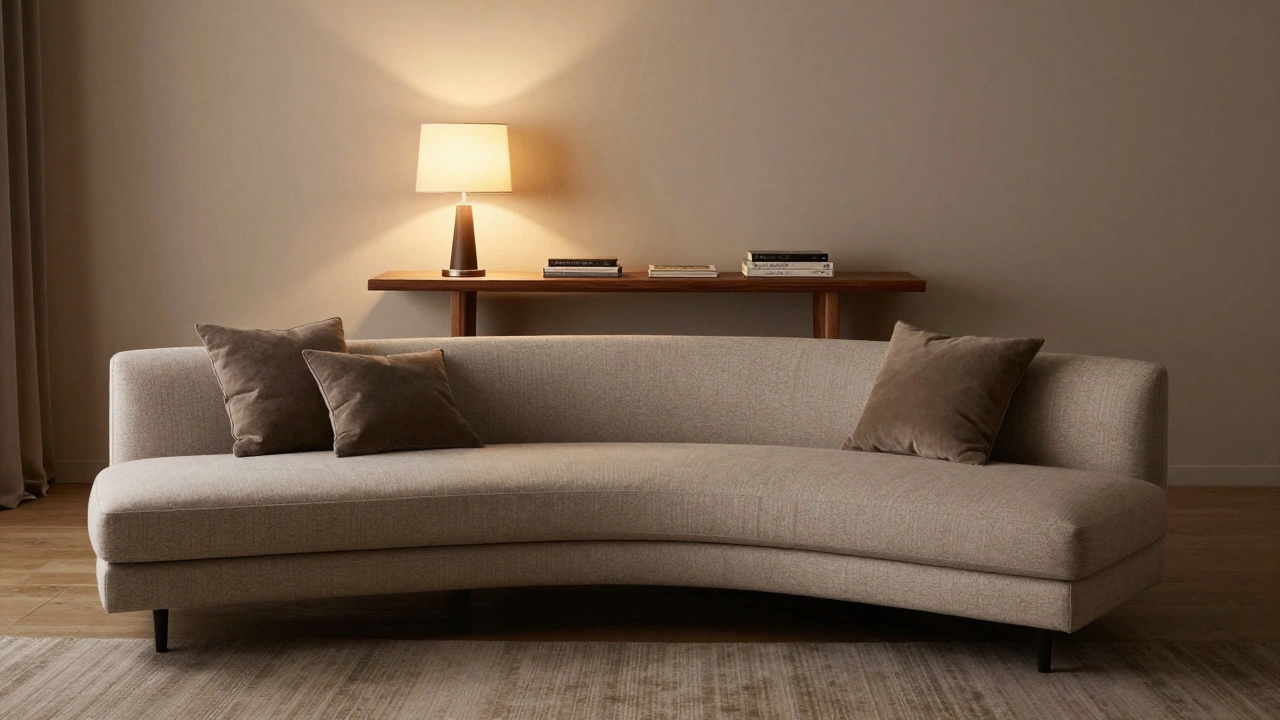
If you have a large sectional, try pulling the entire unit forward. Use the space behind the sofa for a skinny Console Table (a long, narrow table designed to sit behind seating). This allows you to place lamps, drinks, or books behind the seating area, making the layout feel like a high-end hotel lobby rather than a basement.
| Feature | Against the Wall | Floating Arrangement |
|---|---|---|
| Social Vibe | Formal, distant | Intimate, conversational |
| Room Perception | Can feel like a "box" | Feels layered and architectural |
| Traffic Flow | Direct, often empty center | Curated paths around the room |
| Maintenance | Risk of wall scuffs/mildew | Better ventilation and access |
Fixing the Traffic Jam
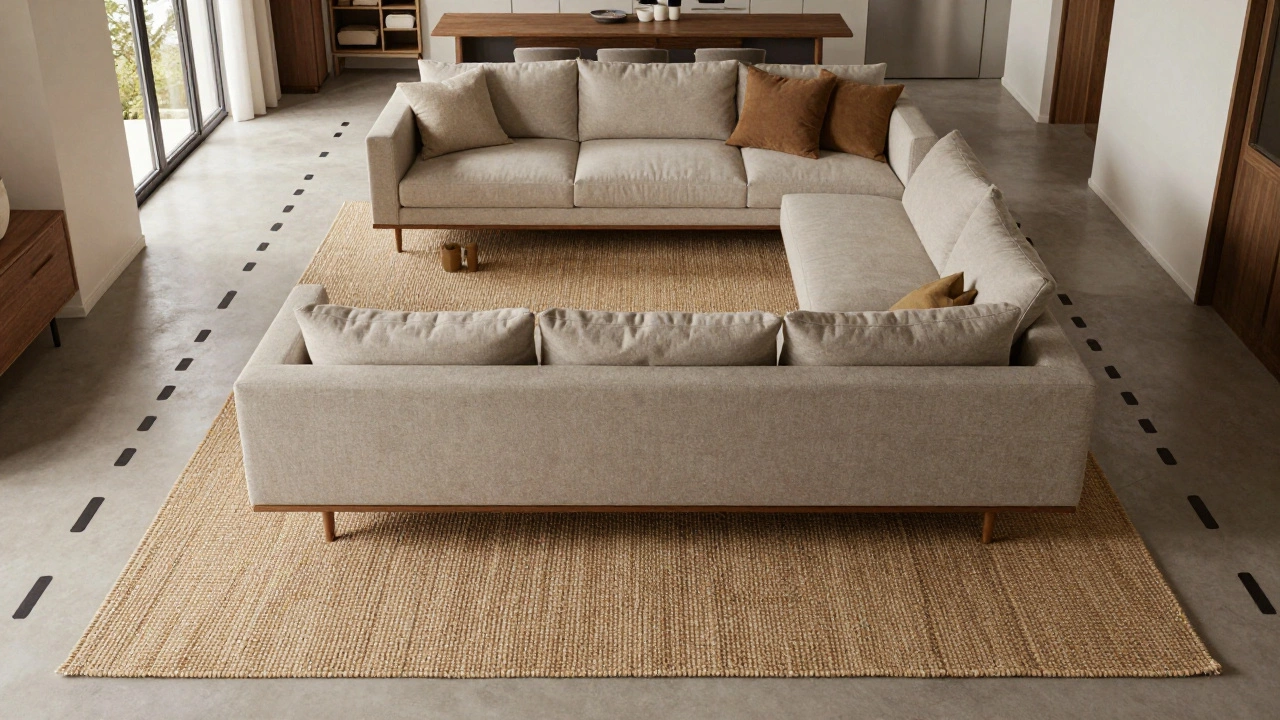
One of the biggest fears of floating a sofa is "blocking the way." People worry that they'll have to jump over a coffee table to get to the kitchen. The secret is to map out your Traffic Patterns. A good rule of thumb is to leave at least 30 to 36 inches for major walkways.
When you move the sofa into the room, you aren't just moving a piece of furniture; you're creating a path. Instead of a giant empty rectangle in the middle of the room, you now have a focused seating area and a clear "highway" around it. This actually makes the room more functional because people aren't walking directly through the conversation circle to get to the door.
The Role of the Area Rug
If you pull your sofa away from the wall, you might find the room feels a bit "driftless." This is where a Area Rug becomes your best friend. A rug acts as an anchor. Without it, your floating sofa looks like it's just lost in the middle of the room. With it, the rug defines the boundaries of the "living room" within a larger open-concept space.
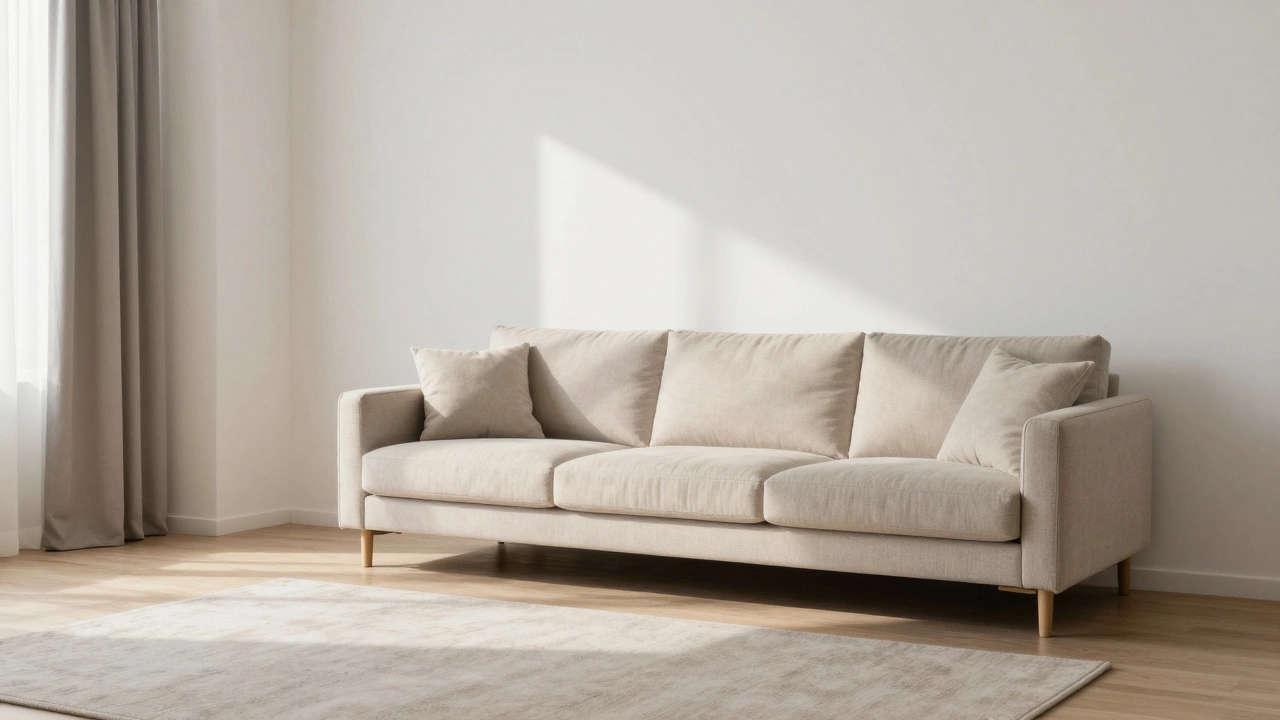
For the best look, make sure at least the front two legs of the sofa are resting on the rug. This visually ties the furniture together and prevents the "island effect" where pieces look disconnected. If you're using a corner sofa, the rug should be large enough to encompass the entire L-shape, leaving a consistent border of flooring around the edges.
Lighting and Balance
When a sofa is against the wall, we usually rely on a single overhead light or a lamp in the corner. Moving the sofa gives you a chance to play with Ambient Lighting. Now that you have space behind the couch, you can add a floor lamp or a table lamp on that console table we mentioned earlier.
This creates layers of light. Instead of a harsh glare from the ceiling, you get soft, warm light at eye level. This makes the space feel more expensive and relaxing. It also allows you to create different moods-bright for reading and dim for movie night-without feeling like you're in a gymnasium.
Will floating my sofa make my small living room feel smaller?
Surprisingly, no. While it seems like you're taking up more "floor space," you're actually removing the visual clutter of a crammed perimeter. By creating a clear path and a defined seating area, the room looks more organized. The key is to maintain a few inches of space between the sofa and the wall to maintain those crucial sightlines.
What if I have a massive corner sofa that barely fits?
If your sofa is truly giant, you don't have to float the whole thing. Try pulling just one end away from the wall. This breaks the "box" feel without sacrificing too much space. Alternatively, pull it just 4 inches away from the wall; this is enough to stop the sofa from rubbing against the paint and creates a subtle shadow that adds depth.
Do I need a coffee table if I move my sofa away from the wall?
A coffee table helps center the floating arrangement, but it isn't mandatory. If space is tight, consider a set of nested side tables or a couple of upholstered ottomans. These provide the same focal point as a coffee table but are easier to move around if you need to clear a path.
How do I handle the messy cables behind a floating sofa?
This is the one downside of floating furniture. Use cable management sleeves or adhesive clips to run cords along the baseboards. If you have a console table behind the sofa, you can hide power strips and excess wiring in a decorative basket or a cable management box underneath the table.
Is it okay to put a sofa in the middle of the room in an open-concept floor plan?
Yes, in fact, it's highly recommended. In open-concept homes, the sofa acts as a "soft wall." It tells the brain where the living room ends and the dining area or kitchen begins. Without this boundary, the furniture just looks like it's floating aimlessly in a large hall.
Next Steps for Your Layout
If you're nervous about moving a heavy piece of furniture, start small. Shift your sofa just six inches away from the wall today and see how it feels. If you have a corner sofa, try angling it slightly or adding a narrow table behind the longest section.
For those in smaller apartments, focus on the "legs." Sofas with visible legs (rather than those that go all the way to the floor) create a sense of openness because you can see the floor continuing underneath the piece. Combining this with a floating layout makes the room feel airier and more intentional.