Clutter-Free Bookshelf: Smart Storage Solutions for Classrooms and Homes
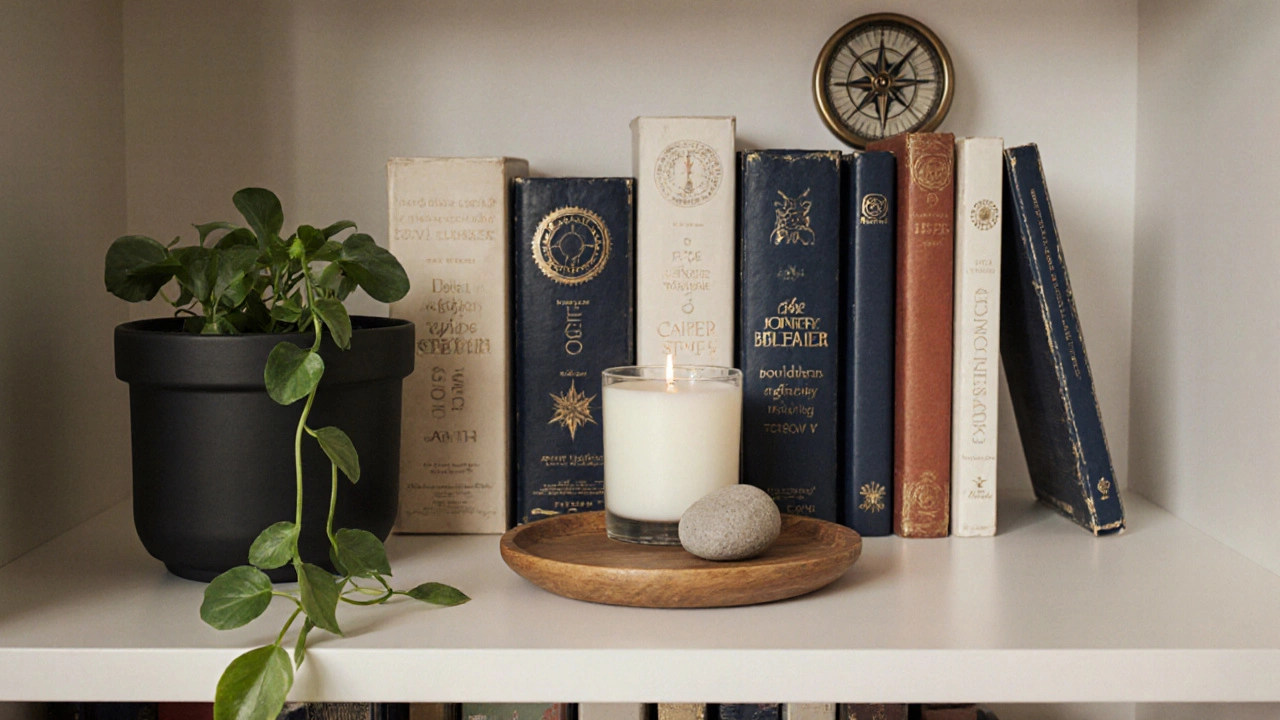
When you think of a clutter-free bookshelf, a storage unit designed to hold books and learning materials in an orderly, accessible way. Also known as organized bookcase, it’s more than just shelves—it’s a tool that keeps students focused and teachers in control. In classrooms, a clutter-free bookshelf isn’t optional. It’s the difference between a lesson that flows and one that gets derailed by lost worksheets, scattered supplies, or kids hunting for the right book. Schools that use smart bookshelf designs see fewer distractions, faster transitions, and more time spent learning—not searching.
A clutter-free bookshelf works because it’s built for how people actually use it. It’s not about having the most shelves—it’s about having the right ones. Low shelves let younger kids reach their books without help. Clear labels and color-coded bins turn storage into a game, not a chore. Open fronts mean no doors to slam or get stuck. And when shelves are spaced just right, you can fit textbooks, art supplies, and reading bins all in one place without it looking like a storage unit exploded.
It’s not just about books. A clutter-free bookshelf often holds binders, science kits, language flashcards, and even small classroom tools like rulers or scissors. That’s why the best ones are made from durable, easy-to-clean materials—no chipping paint, no wobbly shelves. And because classrooms change every year, the most useful ones are modular. You can add a drawer here, move a shelf up there, or snap on a label holder when you need it. This flexibility turns one shelf into a system that grows with your class.
At home, the same logic applies. Kids who learn to organize their own books early are more likely to keep their space tidy. A clutter-free bookshelf in a bedroom or study corner gives them ownership over their learning tools. No more piles on the floor. No more lost homework. Just a clear spot for their favorite stories and school projects.
What makes a bookshelf truly clutter-free isn’t how many books it holds—it’s how little effort it takes to keep it that way. If your kids can’t find what they need in five seconds, it’s not working. If you have to rearrange it every month, it’s not designed right. The best solutions are simple, sturdy, and silent—no labels peeling off, no doors creaking, no shelves sagging under the weight of textbooks.
That’s why schools and smart homeowners are moving away from generic bookcases and toward furniture made for education. These aren’t just shelves. They’re part of a learning environment. And when they’re done right, they don’t just store things—they support focus, independence, and calm.
Below, you’ll find real-world examples of how teachers and families are using clutter-free bookshelves to cut the chaos. From budget-friendly DIY fixes to classroom-ready designs, these posts show you exactly what works—and what doesn’t—so you can make smarter choices without guessing.