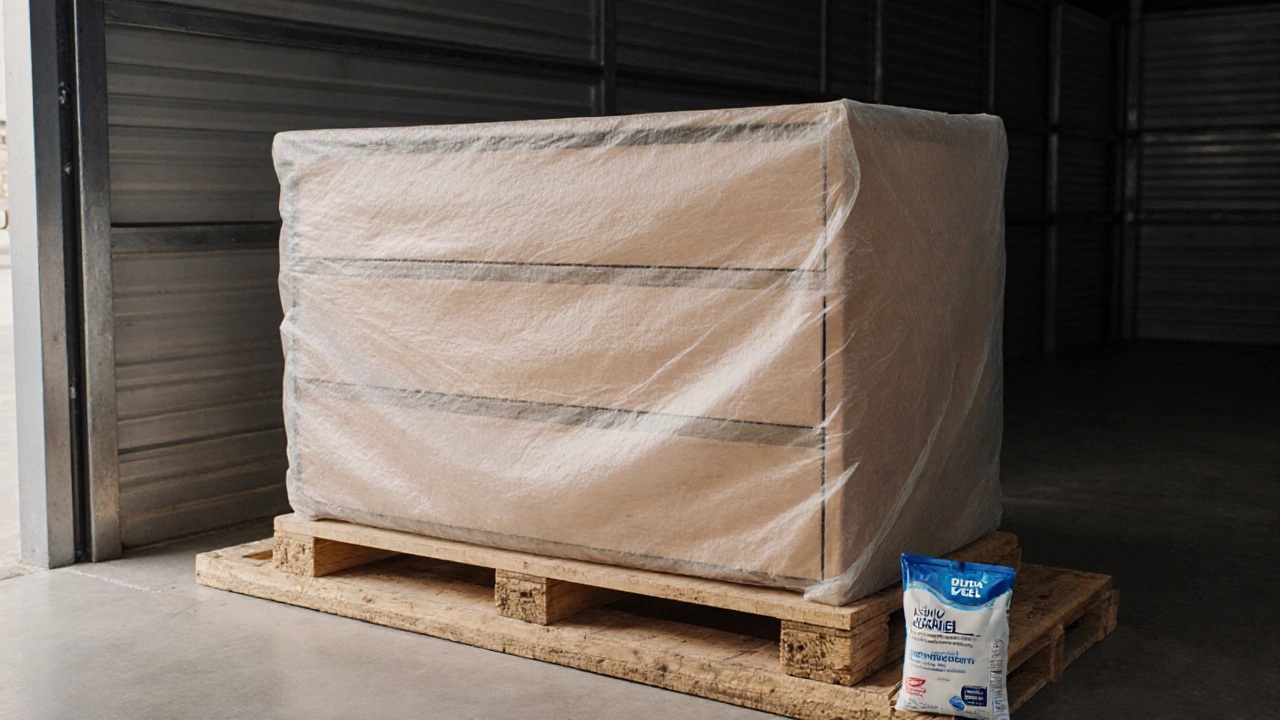
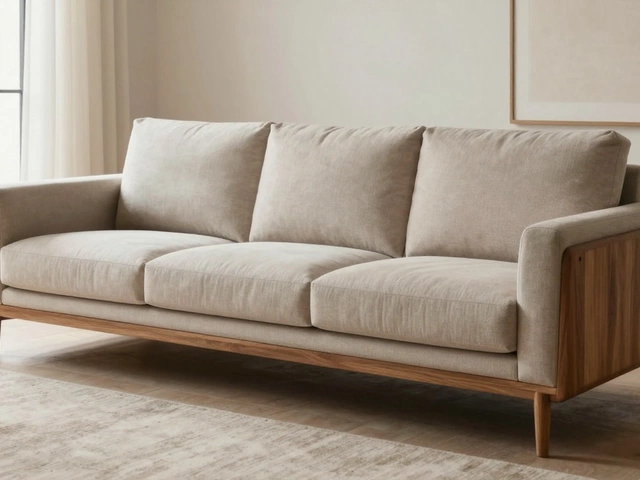
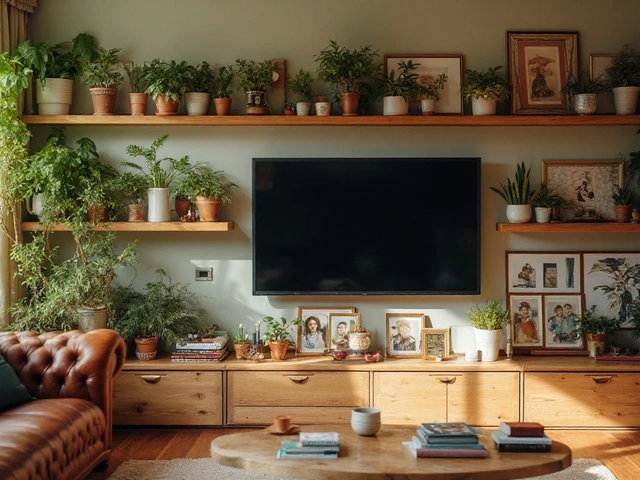
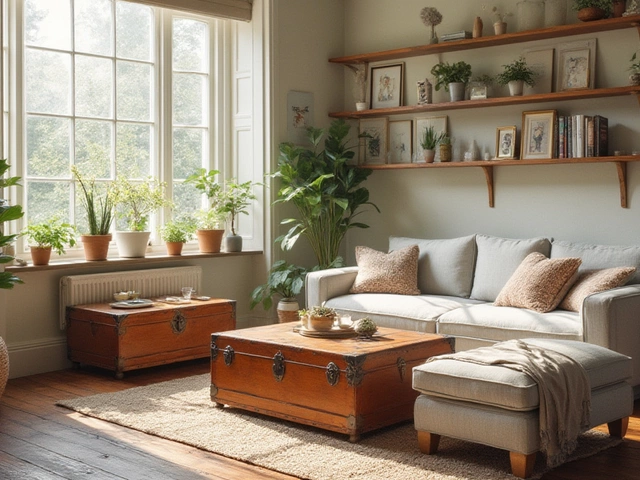
Cover Furniture for Storage: Smart Solutions for Clutter-Free Spaces
When we talk about cover furniture for storage, furniture designed to protect, hide, or organize stored items while blending into the room. Also known as storage furniture, it includes pieces like wardrobes, cabinets, and covered storage units that turn clutter into clean lines. This isn’t just about hiding stuff—it’s about making storage part of your space, not an eyesore.
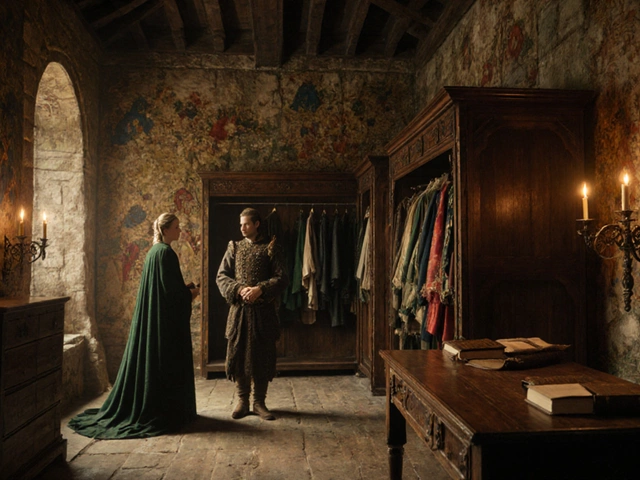
Think about a wardrobe, a freestanding unit with hanging space, shelves, and drawers for clothing. Also known as closet furniture, it’s one of the most common types of cover furniture for storage. It doesn’t just hold clothes—it keeps them protected from dust, light, and moisture. The same logic applies to storage rooms, where open shelves turn into enclosed cabinets, and loose boxes get tucked behind doors. You don’t need a whole room to do this. Even a simple storage bench with a lid counts. It’s furniture first, storage second.
Why does this matter? Because clutter doesn’t just look messy—it makes spaces feel smaller, harder to clean, and mentally draining. A well-designed storage solution hides the chaos without sacrificing access. You can find these in classrooms, offices, and homes. A teacher might use a locked cabinet to store art supplies. A family might use a covered storage ottoman in the living room to stash blankets and toys. These aren’t luxury items—they’re practical tools that keep daily life running smoothly.
Some people think storage furniture is only for big homes or fancy setups. But even in tight spaces, like a dorm room or a small classroom, the right piece makes a difference. A tall, narrow cabinet can hold books and supplies without taking up floor space. A fold-down shelf with a cover doubles as a desk and a hidden bin. The key is matching the furniture to the job. Not every storage need is the same. A moisture-resistant unit for a basement? That’s different from a stylish wardrobe for a bedroom. And while you might not think about it, the material matters—wood holds up better than particleboard, and sealed finishes prevent dust buildup.
What you’ll find in the posts below are real examples of how people use cover furniture for storage in everyday life. From the history behind why we call it a wardrobe to how to pick the right one for your space, these articles cut through the noise. You’ll learn what makes a storage unit actually useful, how to avoid common mistakes, and which features save time and money. No fluff. Just clear, practical advice from people who’ve tried it themselves.