Less Is More Fashion: Simple, Smart Design for Everyday Spaces
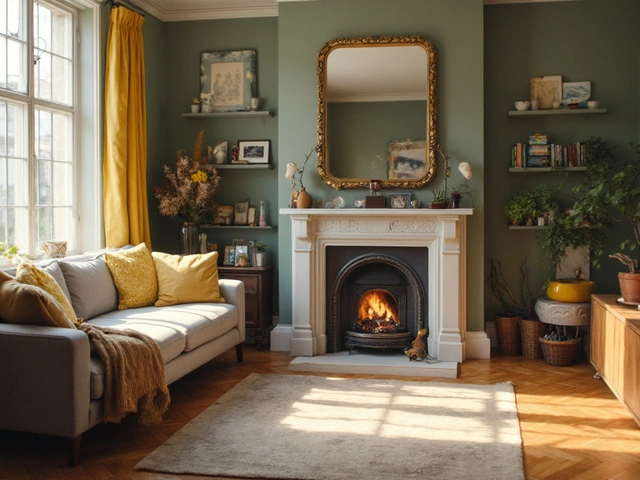
When we talk about less is more fashion, a design philosophy that values simplicity, function, and intentionality over excess. Also known as minimalist design, it’s not about empty rooms—it’s about keeping only what serves a real purpose. This idea doesn’t just apply to clothes or interiors. It fits perfectly in classrooms, offices, and learning spaces where every piece of furniture should earn its place.
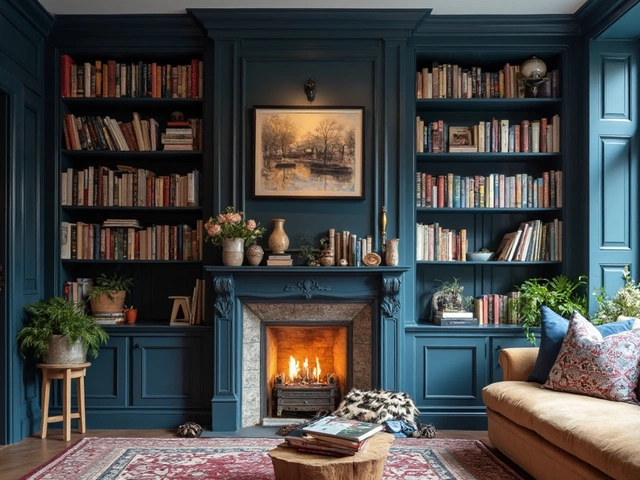
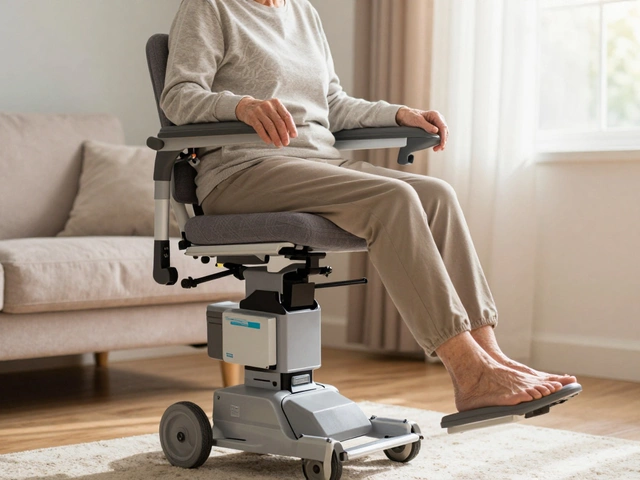
Think about a desk that’s too big, a chair that doesn’t support your back, or a shelf packed with things you never use. These aren’t just clutter—they’re distractions. In a learning environment, less is more fashion means choosing ergonomic chairs that help students stay focused, storage units that are easy to access, and desks sized just right for the task. It’s not about having the most furniture. It’s about having the right furniture. And that’s exactly what the posts here explore: how simple choices lead to better function. You’ll find guides on how to style a bookshelf without chaos, why a coffee table 2 inches higher than your couch actually works better, and how to protect furniture in storage without overdoing it. These aren’t trends. They’re practical fixes for real problems.
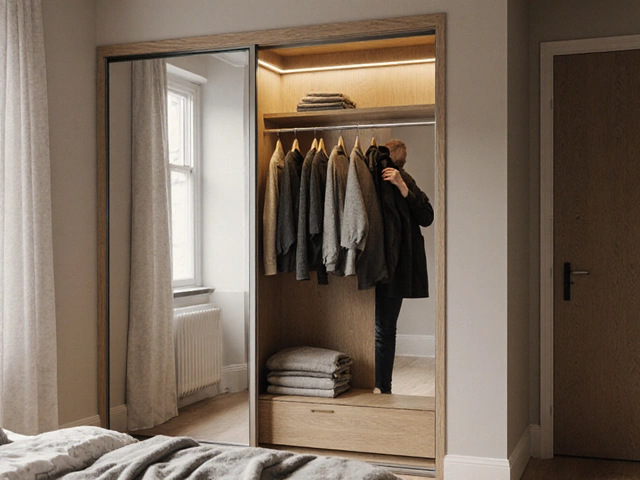
People put sheets over couches not because they’re trendy, but because they’re smart. They avoid buying new furniture by protecting what they have. That’s functional furniture, pieces designed to last, adapt, and serve multiple needs without extra cost or waste. Same with choosing the right TV stand size—too small and it’s unsafe; too big and it overwhelms the room. The best solutions are the ones that fit. And that’s the heart of clutter-free living, a way of organizing space so everything has a home, nothing is hidden, and nothing is wasted. You won’t find flashy designs here. You’ll find clear, proven ways to make spaces work better with fewer things. Whether you’re setting up a classroom, arranging a living room, or storing furniture for the season, the goal is the same: less noise, more calm. Below, you’ll find real examples from real homes and learning spaces—no fluff, no guesswork. Just what works.