Storage Unit Furniture Tips: How to Protect, Organize, and Maximize Your Space
When you store furniture, you're not just putting things away—you're protecting an investment. A storage unit furniture, furniture kept in a climate-controlled or dry space to prevent damage during long-term storage. Also known as furniture storage, it’s not just about tossing a sofa into a shed. Without the right approach, wood warps, fabric mildews, and metal rusts—fast. Whether you’re moving, renovating, or downsizing, how you store your pieces makes all the difference.
One of the biggest mistakes people make is using plastic tarps. They trap moisture, turning your couch into a breeding ground for mold. Instead, breathable cotton covers—like the ones used in professional moving services—let air circulate while keeping dust and pests out. furniture covers, specialized fabric wraps designed to shield wood, fabric, and metal surfaces during storage. Also known as storage furniture protection, they’re cheap, reusable, and far more effective than plastic. Pair those with silica gel packs to control humidity, and you’ve got a simple system that works.
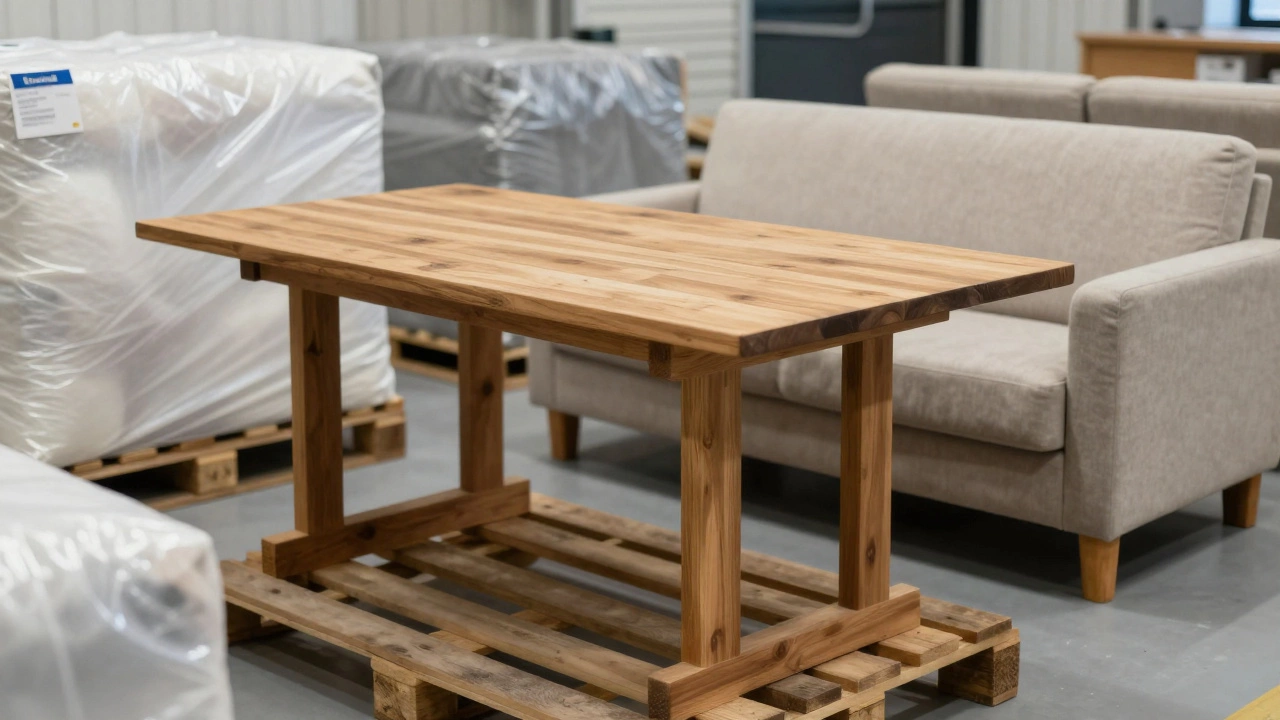
Then there’s layout. A storage room layout, the organized arrangement of furniture and items within a storage unit to maximize space and prevent damage. Also known as storage unit organization, it’s not just about cramming things in. Stack heavier pieces like dressers on the bottom, leave gaps between items for airflow, and keep everything off the floor with pallets. Don’t just pile your bookshelves flat—stand them upright. A 5x10 unit might seem small, but with smart placement, you can store a full living room set without crushing anything.
And don’t forget pests. Mice love hiding in couch cushions and wooden drawers. They chew through fabric, leave droppings, and nest in the dark. That’s why natural repellents like cedar blocks or peppermint oil sachets tucked into corners work better than poison. Keep your storage space clean, dry, and sealed. If you’re storing a wardrobe or bookshelf, leave the doors slightly ajar—trapped air invites mildew. A few simple habits like these stop problems before they start.
Some people think storage is just about space. It’s not. It’s about time. Every hour you spend setting up your storage right saves you days of cleaning, repairing, or replacing damaged items later. You don’t need a professional mover to do it right. You just need to know what to cover, how to stack, and where to put the silica gel.
Below, you’ll find real-tested tips from people who’ve stored everything from antique dressers to modern sectional sofas. You’ll learn how to keep your furniture safe from mice, how to pick the right cover, why putting a bookcase in front of a window might be a bad idea even in storage, and how to avoid the mistakes that turn a simple storage job into a costly disaster. These aren’t theory pieces—they’re fixes that work in real units, in real homes, with real furniture.