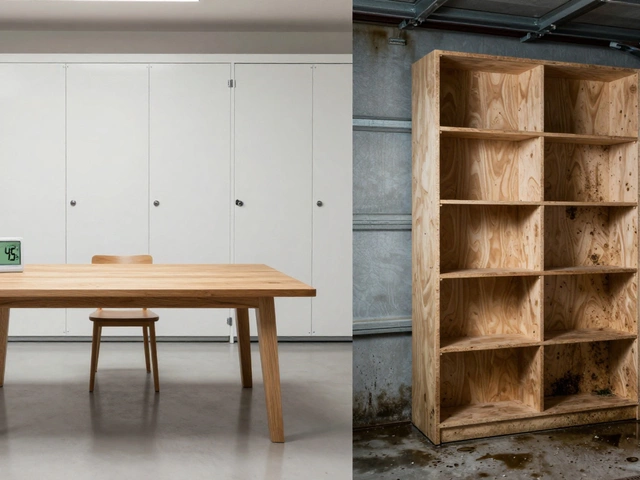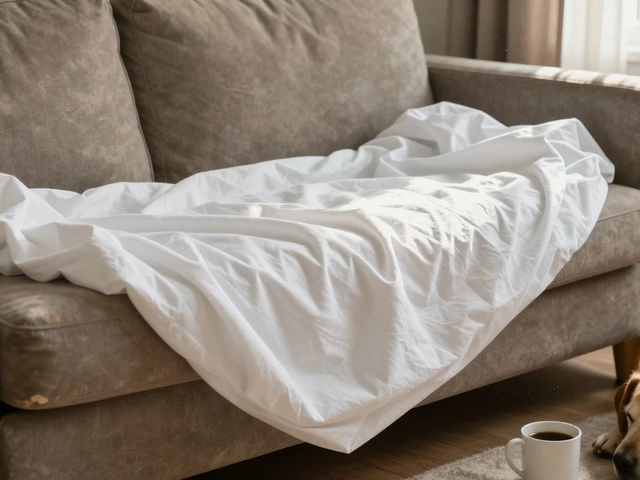
Storing furniture isn’t just about tossing it into a unit and closing the door. If you’ve ever seen a wooden table warped by humidity or a velvet sofa covered in mildew, you know storage can turn your prized pieces into trash. The good news? Most furniture damage is preventable. The bad news? Many people don’t realize how easily things go wrong until it’s too late.
What Kind of Furniture Gets Damaged in Storage?
Not all furniture reacts the same way to storage conditions. Wood, fabric, leather, and metal each have their own weaknesses. Solid wood furniture like oak dining tables or maple dressers can crack or warp if humidity swings too much. Engineered wood-like particleboard or MDF-is even worse. It swells when wet and falls apart when dry. You’ll see edges bubbling, joints coming loose, or entire panels splitting. Fabric upholstery-especially cotton, linen, or velvet-is a magnet for mold and mildew. If moisture gets trapped in the padding or fabric fibers, it doesn’t take long for dark spots to appear. Leather is tricky too. It dries out in low humidity and cracks. In high humidity, it grows mold and smells like a damp basement. Metal frames and legs? Rust. Even stainless steel can corrode over time if there’s salt or moisture in the air.Where You Store It Matters More Than You Think
A climate-controlled storage unit isn’t a luxury-it’s a necessity for most home furniture. Units without temperature and humidity control are basically outdoor sheds with walls. In summer, temperatures inside can hit 110°F. In winter, they can drop below freezing. Humidity levels often swing between 30% and 90% in non-climate-controlled spaces. That’s worse than the weather outside because there’s no airflow to balance it out. A 2023 study by the Storage Rental Association found that 68% of furniture damage claims came from non-climate-controlled units. The biggest culprits? Wood warping (42%), fabric mildew (29%), and leather cracking (18%). If you’re storing anything valuable-antique, handmade, or expensive-skip the cheap unit. Pay the extra $20-$50 a month for climate control. It’s cheaper than replacing a $1,200 sofa.How Moisture Turns Furniture into Trash
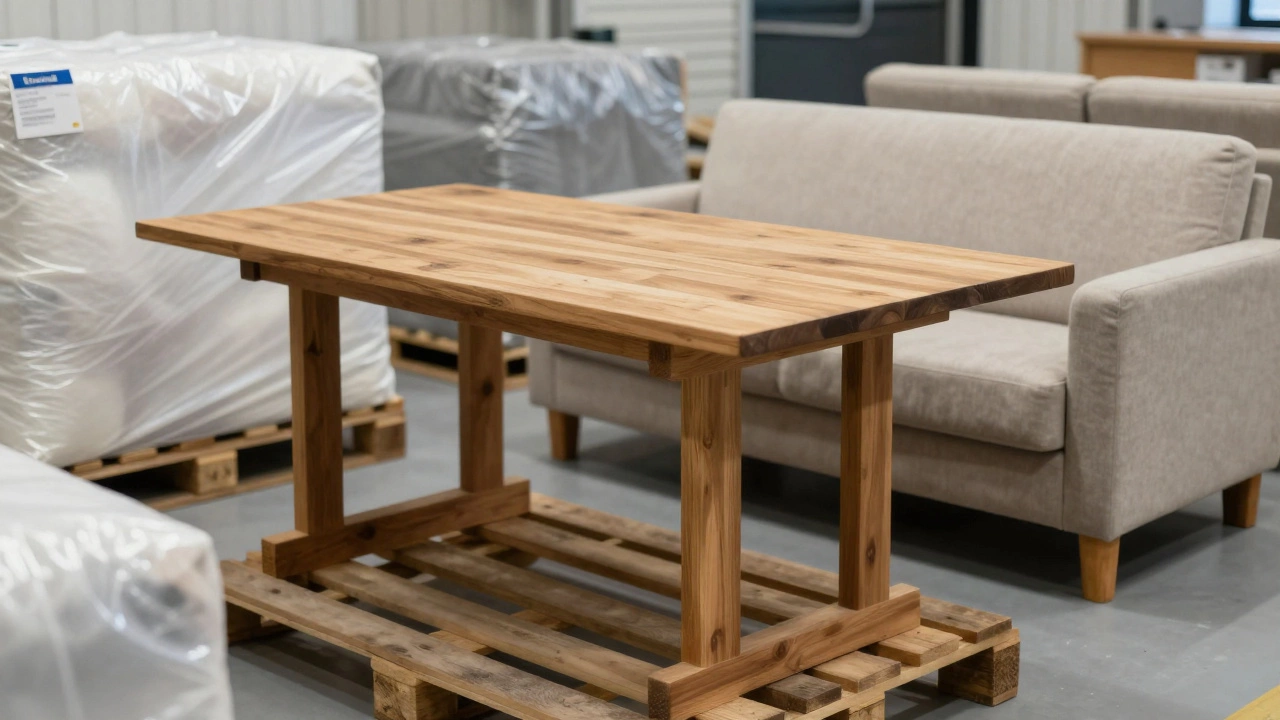
Moisture is the silent killer. It doesn’t come in with a storm-it creeps in through gaps, vents, or even the floor. Concrete floors in storage units sweat. Condensation forms on cold metal shelves. Boxes left on the ground wick up moisture like a sponge. That’s why you should never put furniture directly on the floor. Use plastic pallets or wooden skids to lift everything at least 4 inches off the ground. Cover sofas and chairs with breathable cotton sheets, not plastic. Plastic traps moisture inside and turns your couch into a greenhouse for mold. For wood pieces, apply a thin coat of beeswax or furniture polish before storing. It creates a barrier against moisture and helps keep the finish from drying out.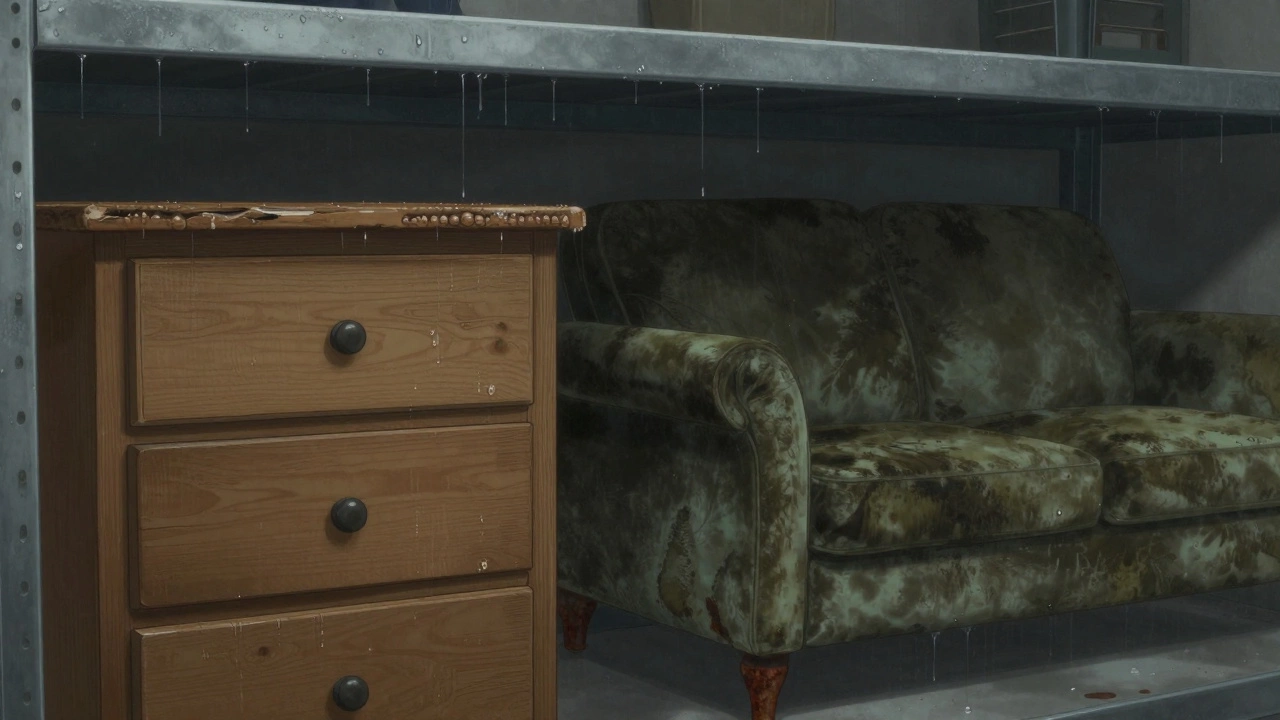
What You Should Never Do in Storage
Here are the top five mistakes people make-and why they ruin furniture:- Leaving items in boxes on the floor → Moisture rises from concrete. Wood absorbs it. Mold grows. Replace cardboard boxes with plastic bins with tight seals.
- Wrapping in plastic → Traps moisture. Use cotton drop cloths or moving blankets instead. They let air move while protecting from dust.
- Stacking heavy items on delicate pieces → Glass tops, thin legs, and upholstered arms can’t handle pressure. Store tables upright, not flat. Put heavy items on the bottom.
- Storing in garages or basements → These spaces have the worst humidity and temperature swings. Even if it’s your own space, it’s not safe for furniture.
- Not cleaning before storage → Dirt, grease, and food crumbs attract pests. Dust and crumbs feed mold. Wipe down every surface with a dry cloth. Vacuum upholstery. Clean leather with a damp microfiber cloth and conditioner.
How to Prepare Furniture for Storage
Preparation is the difference between saving your furniture and losing it. Here’s a simple checklist:- Disassemble → Take apart beds, tables, and shelves. Remove legs, drawers, and glass tops. Store screws and hardware in labeled ziplock bags taped to the frame.
- Clean thoroughly → Use a dry cloth for wood. Use a vacuum with upholstery attachment for fabric. For leather, use a pH-balanced cleaner.
- Protect surfaces → Wrap wood in moving blankets. Cover upholstered pieces with breathable fabric. Use corner protectors on glass and sharp edges.
- Elevate everything → Place pallets or risers under all items. Even a 2-inch lift makes a big difference.
- Use moisture absorbers → Place silica gel packs or activated charcoal bags around the unit. Recharge them every 3 months by leaving them in the sun for a few hours.
- Leave space for air → Don’t pack items tight. Leave 6 inches between walls and furniture. Airflow prevents moisture buildup.
How Long Can You Safely Store Furniture?
There’s no universal rule, but most furniture can last 6-18 months in ideal conditions. Climate-controlled units with proper prep can hold quality pieces for over two years. But if you’re storing in a non-climate-controlled space, six months is the max before damage becomes likely. If you’re storing for more than a year, visit the unit every 3-4 months. Check for dampness, mold, or pests. Move items slightly to let air circulate underneath. Flip upholstered pieces so one side doesn’t stay compressed. Reapply polish to wood if it looks dull.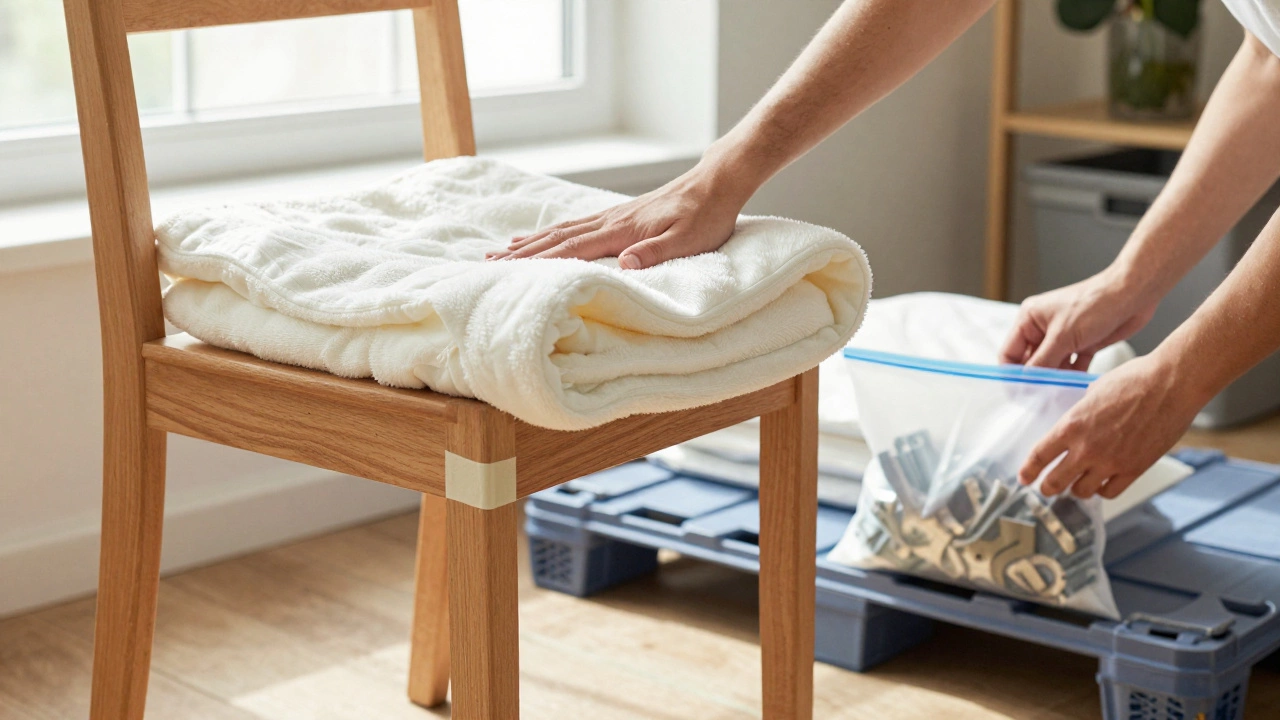
What to Do If Your Furniture Is Already Damaged
If you find mold on fabric, don’t just wipe it off. Use a solution of 1 part white vinegar to 1 part water. Spray lightly, let sit 10 minutes, then vacuum with a HEPA filter. For wood with warping or cracking, a professional refinisher can sometimes sand and reseal it-but it’s expensive. If the structure is compromised, replacement is usually cheaper. Leather with cracks can be treated with a leather conditioner, but deep splits need professional repair. Rust on metal legs? Sand it down, apply a rust converter, then paint with enamel. But if the frame is bent or weak, it’s not safe to use. The bottom line: Prevention is always cheaper than repair. And repair isn’t always possible.Is Insurance Worth It for Stored Furniture?
Most storage facilities offer basic insurance-usually $0.10-$0.25 per square foot per month. But the coverage is thin. Many policies exclude damage from humidity, pests, or gradual wear. They only pay out for theft or fire. If your furniture is worth more than $5,000, consider adding a rider to your homeowner’s or renter’s insurance. Many policies cover off-site storage up to 10% of your personal property limit. Check your policy. If it doesn’t mention storage, call your agent. It’s often a quick, low-cost upgrade.Final Thought: It’s Not Magic, It’s Management
Your furniture won’t get ruined because storage is evil. It gets ruined because people treat it like a black hole-stuff it in, forget it, and hope for the best. Storage isn’t passive. It’s active maintenance. You don’t need to be an expert. You just need to know the basics: control moisture, protect surfaces, keep air moving, and check in regularly. If you follow these steps, your furniture will come out of storage looking just like it did when you put it in. And that’s worth the extra effort.Can I store furniture in my garage?
No, storing furniture in a garage is one of the worst things you can do. Garages have extreme temperature swings, high humidity, and no insulation. Concrete floors sweat. Dust and pests get in easily. Wood warps, metal rusts, and fabric mildews. Even if your garage feels dry now, conditions change with seasons. Use a climate-controlled storage unit instead.
Is plastic wrap safe for storing sofas?
No. Plastic wrap traps moisture inside upholstery, creating a perfect environment for mold and mildew. It also prevents airflow, which causes fabric to break down faster. Instead, use breathable cotton moving blankets or furniture covers designed for storage. They keep dust off without suffocating the material.
How often should I check on my stored furniture?
Visit your storage unit every 3-4 months. Look for signs of moisture, mold, or pests. Move items slightly to let air circulate underneath. Flip upholstered pieces so one side doesn’t stay compressed. Reapply wood polish if it looks dull. If you’re storing for over a year, these check-ins prevent small problems from becoming expensive repairs.
Can humidity ruin wooden furniture?
Yes. Wood expands in high humidity and shrinks in low humidity. Repeated cycles cause cracks, warping, and joint failure. Solid wood is more resilient than engineered wood, but both suffer. Keep humidity between 35% and 50% in storage. Use moisture absorbers and climate control to maintain stable levels.
Should I clean my furniture before storing it?
Absolutely. Dirt, oils, and food particles attract pests and feed mold. Dust and crumbs can embed into fabric and wood grain. Wipe down all surfaces with a dry cloth. Vacuum upholstery. Clean leather with a damp microfiber cloth and conditioner. Never store dirty furniture-it’s like inviting trouble.
What’s the best way to store a mattress with furniture?
Store mattresses upright, not flat, to prevent sagging. Use a breathable mattress bag-not plastic. Elevate it on pallets. Keep it away from walls to allow airflow. Never stack heavy items on top. If you’re storing for more than 6 months, rotate it 180 degrees every few months to reduce pressure points.