Wardrobe Definition: What It Is, Why It Matters, and How It Evolved
When we talk about a wardrobe, a piece of furniture designed to store clothes, typically with hanging space and shelves. Also known as closet, it has moved from being a whole room in medieval castles to a compact, standalone unit in today’s homes. That shift didn’t happen by accident. The word itself comes from old English — warder (to guard) and robe (clothing) — and it stuck because people needed a way to protect their clothes from dust, moths, and damp. Today, a wardrobe isn’t just storage; it’s part of how we organize our daily lives.
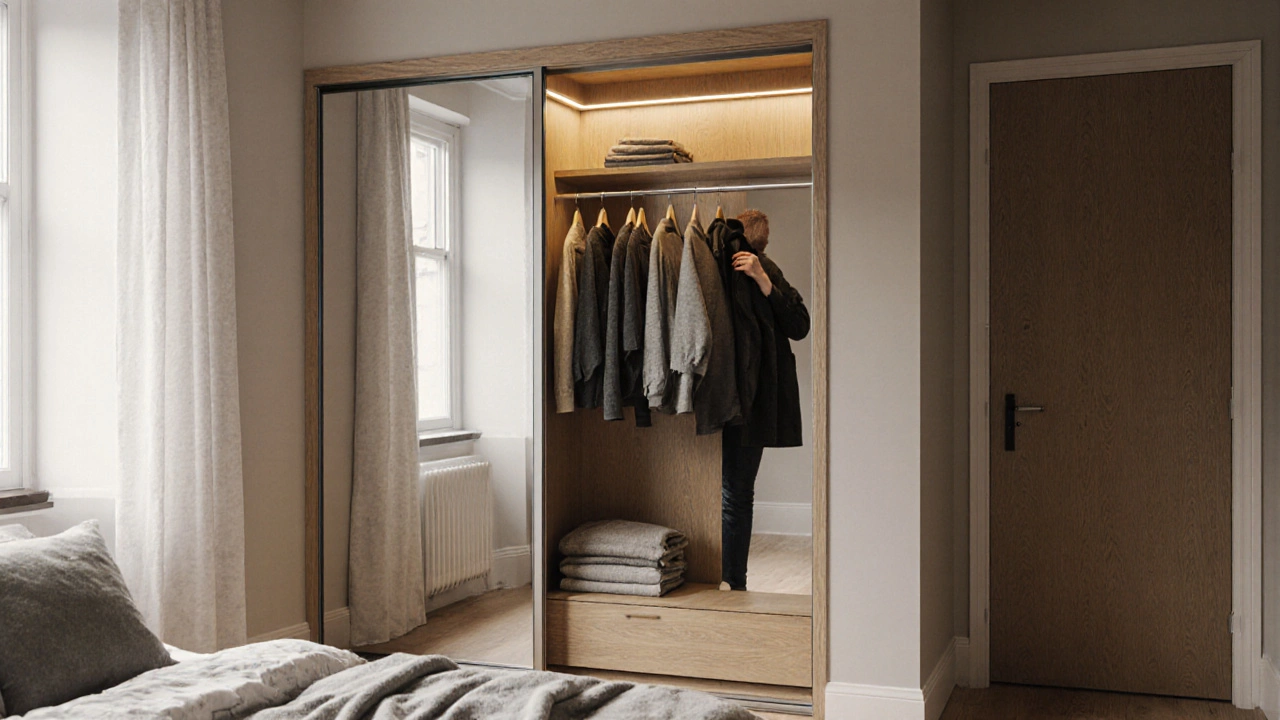
What makes a wardrobe different from a simple closet? It’s built to be moved, customized, and styled. You’ll find them in bedrooms, dorm rooms, even offices where people need to keep work clothes tidy. They come in all shapes: sliding doors for small spaces, walk-in versions for luxury homes, and open-faced units for modern interiors. The materials matter too — solid wood lasts decades, while particle board might warp in humid rooms. Hardware like hinges, rails, and drawer slides can make or break the experience. And yes, that’s why some wardrobes cost thousands while others are under £200. It’s not just size — it’s craftsmanship, finish, and how well it holds up over time.
Wardrobes don’t just store clothes — they influence how you choose them. A cluttered wardrobe leads to wearing the same things over and over. A well-organized one helps you see what you own, reduces impulse buys, and even saves time in the morning. People who live in smaller homes rely on them more than ever, turning one piece into a multi-functional storage hub. And if you’ve ever wondered why your wardrobe feels too small, it might not be the size — it could be how it’s designed. Adjustable shelves, pull-out hangers, and built-in lighting are features you didn’t know you needed until you saw them in action.
So when you look at a wardrobe, don’t just see wood and doors. See history, function, and smart design packed into one piece. Below, you’ll find real insights into how wardrobes got their name, why they’re so expensive, and how to make the most of them — whether you’re buying, storing, or just trying to keep your socks from disappearing.