Royal Wardrobe Preservation Quiz
How much do you know about what happened to the late Queen's extensive clothing collection? Take this quick quiz to find out.
Question 1
Why are most of Queen Elizabeth II's outfits not available for public auction?
Question 2
Which organization is primarily responsible for managing, conserving, and displaying the Royal Collection?
Question 3
What is one of the primary reasons bright colors (like yellow) were chosen for many of the Queen's coats?
Question 4
How are fragile textiles like the coronation gown typically stored to prevent damage?
Question 5
What generally happens to non-significant daily wear items that are not archived?
Quiz Complete!
You scored: 0 / 5
You might think that when a monarch passes away, their closet becomes the ultimate estate sale. Imagine the auction houses buzzing, collectors fighting over a single pair of gloves or a silk scarf worn at a garden party in 1953. But for Queen Elizabeth II, who died on September 8, 2022, her wardrobe didn't just disappear into private hands. It became a matter of national heritage.
The reality is far more complex than a simple liquidation. The late Queen’s collection wasn’t just clothes; it was a diplomatic tool, a political statement, and a massive logistical challenge. So, what actually happened to those thousands of outfits? Did they get boxed up in an attic? Were they burned? Or did they find a new life in museums?
The Scale of the Royal Wardrobe
To understand where the clothes went, you first need to grasp how many there were. We aren't talking about a few dozen dresses. The Royal Collection Trust manages one of the most significant fashion archives in the world. Estimates suggest Queen Elizabeth II owned between 10,000 and 15,000 individual outfits during her reign. That includes everything from state gowns to casual tweed jackets.
Most of these weren't bought off the rack. They were custom-made by designers like Norman Hartnell and Hardy Amies. Each piece had a purpose. A bright yellow coat wasn't just a color choice; it ensured she could be spotted in a crowd of thousands. This functional aspect meant that many items were designed for specific events, making them historically significant rather than just fashionable.
Why You Can't Just Buy Them
Here is the big question: Why didn't they go to auction? In the UK, items belonging to the reigning monarch are often considered part of the Crown Estate or personal property with unique legal status. However, the primary reason the public can't bid on her favorite hat is preservation.
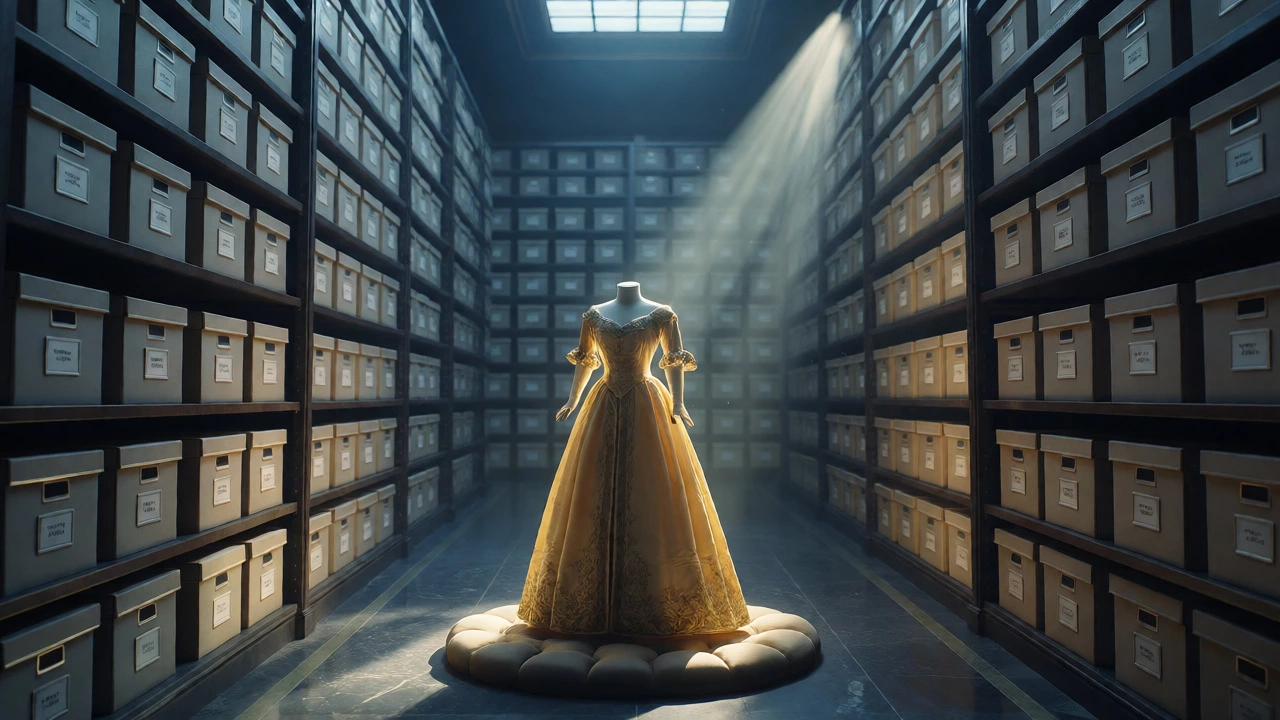
Textiles are fragile. Light, humidity, and even the oils from human skin can destroy fabric over time. If these clothes were sold to private collectors, they would likely end up in dark closets, unseen and slowly deteriorating. By keeping them within the royal family's control, specifically under the auspices of the Royal Collection Trust, experts can ensure they are stored in climate-controlled environments.
This isn't just about hoarding wealth. It’s about history. When researchers want to study post-war British fashion or the evolution of soft power through style, they need access to these garments. Selling them off would scatter this knowledge across the globe, making it nearly impossible to study the full picture of her reign.
The Role of the Royal Collection Trust
The Royal Collection Trust is the charitable organization responsible for managing the Royal Collection. Their job regarding the wardrobe is threefold: conserve, curate, and educate.
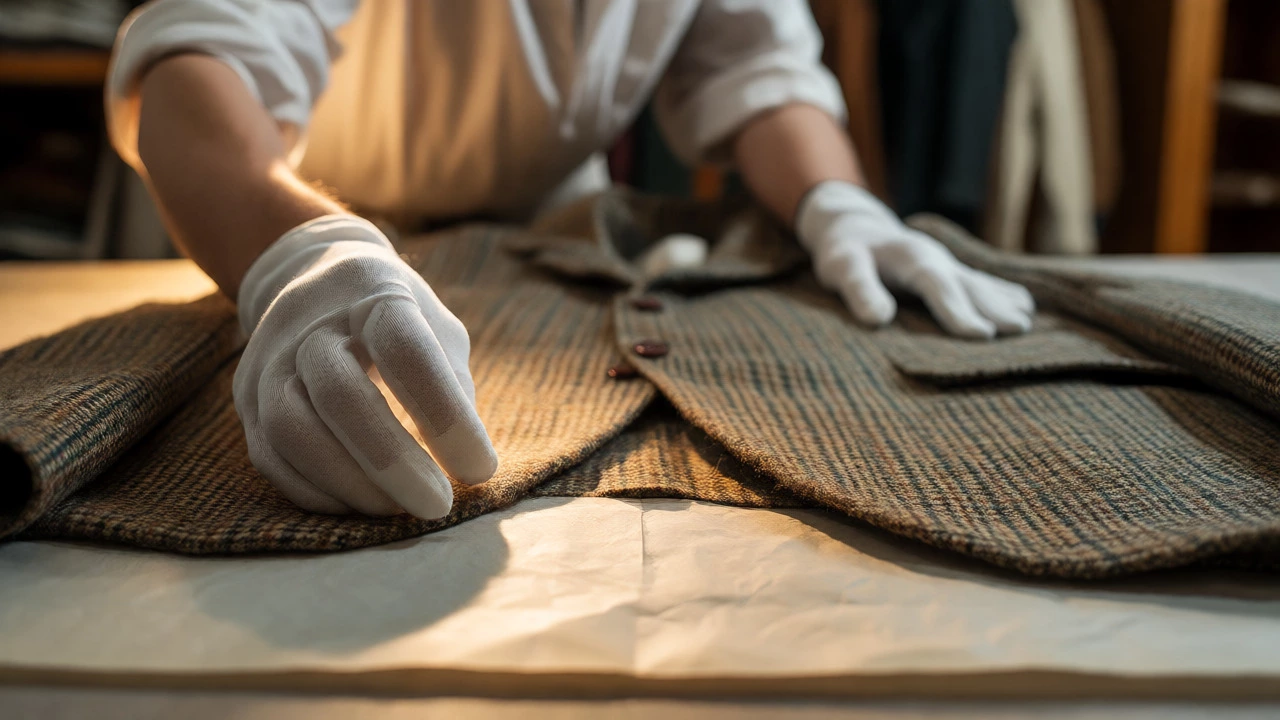
- Conservation: Specialist conservators inspect every item. They clean fabrics using gentle methods, repair tears with period-appropriate threads, and store items in acid-free tissue paper.
- Curation: Not every dress makes it into a museum exhibit. Curators select pieces that tell a story. For example, the coronation gown is a must-have, but perhaps a specific travel outfit from a 1970s visit to New Zealand tells a better story about diplomacy.
- Educational Outreach: High-resolution images and detailed records are made available to students and historians.
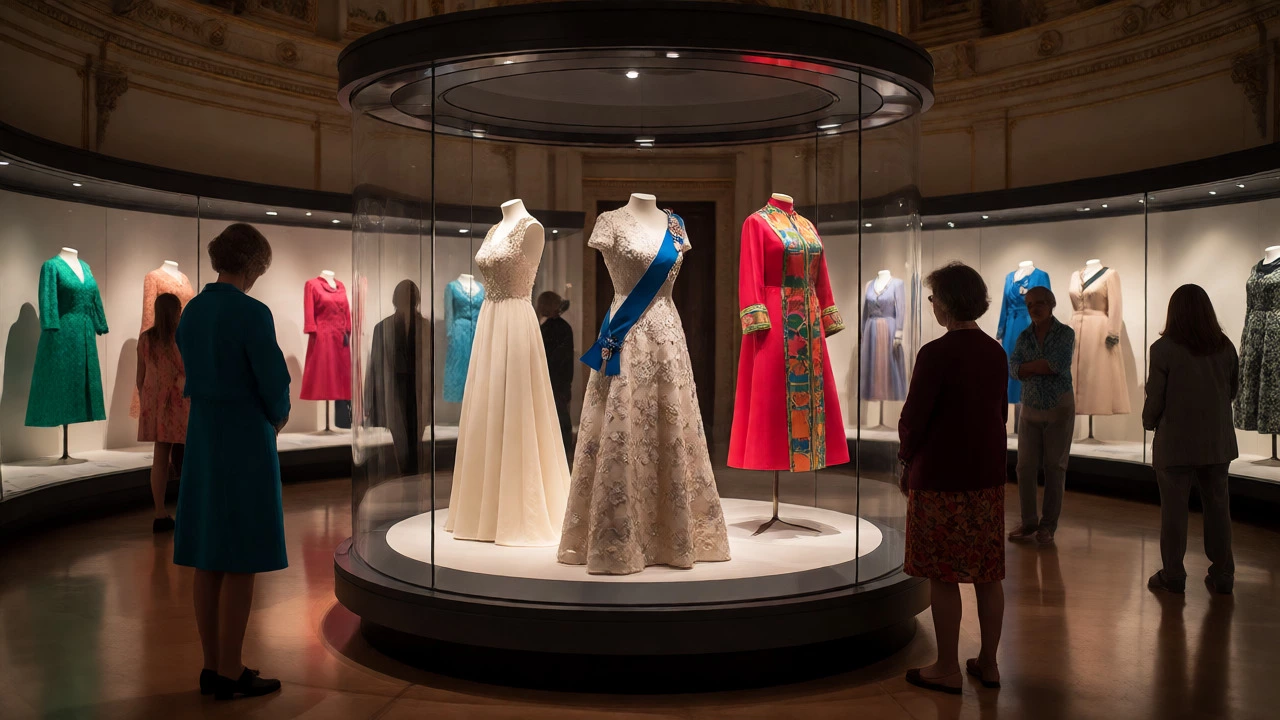
If you’ve ever visited Buckingham Palace or Windsor Castle, you’ve likely seen some of these items. Rotating exhibitions allow the public to see glimpses of the wardrobe without risking damage to the originals. These displays are carefully monitored for light exposure, which is why exhibits change frequently.
| Type of Clothing | Fate | Reasoning |
|---|---|---|
| State Gowns & Coronation Robes | Museum Display / Archive | High historical significance; too fragile for regular wear. |
| Daily Wear (Tweed, Cotton) | Private Storage / Donation | Less unique; may be given to staff or charities if not archived. |
| Jewelry & Accessories | Crown Jewels / Private Collection | Retained by the Crown or King Charles III personally. |
| Children’s Clothes | Family Heirlooms | Sentimental value for the next generation (Prince William, Harry). |
Did Any Clothes Go to Charity?
This is a common rumor. People love the idea of a charity shop finding a vintage Chanel suit once worn by Her Majesty. While it’s possible that some everyday items-like old coats or shoes that weren't historically significant-were donated, there is no public record of a massive clearance sale.
Royal protocol dictates discretion. Even if a maid or dresser kept a small token, it wouldn't be advertised. The bulk of the wardrobe remains accounted for in the inventory. The focus is on maintaining the dignity of the office. Dumping thousands of dresses into local thrift stores would have caused media chaos and potentially damaged the brand of the monarchy.
What About King Charles III?
King Charles III inherited his mother’s role, but he also inherited her wardrobe legacy. Does he plan to wear her clothes? Unlikely. Men’s fashion changes less drastically, but the symbolic weight of wearing your mother’s formal attire is heavy.
Instead, Charles has focused on sustainability. He has long advocated for ethical fashion and reducing waste. There is speculation that some unused materials or fabrics from the royal tailoring workshops might be repurposed. But the actual finished garments? They stay in the archive.
Interestingly, we are seeing a trend where modern royals, like Kate Middleton and Meghan Markle, re-wear their own outfits. This sets a precedent for future generations to view clothing as durable assets rather than disposable trends. Perhaps one day, Prince George or Princess Charlotte will borrow a piece from the archives for a special occasion, creating a direct link to the past.
How Textile Conservation Works
You might wonder how a dress from 1947 survives today. It’s not magic; it’s science. Textile conservation involves controlling four main enemies: light, heat, humidity, and pests.
- Light: UV rays break down dye molecules. Exhibits use low-lux lighting and limit display hours.
- Humidity: Too dry, and fibers become brittle. Too damp, and mold grows. Archives keep relative humidity around 50%.
- Support: Dresses are never hung on standard hangers. The weight stretches the shoulders. Instead, they are laid flat or supported with custom mannequins padded with cotton batting.
- Pests: Moths and silverfish love wool and silk. Regular monitoring and freezing treatments kill any potential infestations before they start eating.
This level of care ensures that a gown worn for a state banquet in 1960 looks almost identical to how it did then. Without this infrastructure, the clothes would have faded, frayed, or vanished within decades.
Looking Ahead: The Future of Royal Fashion
The conversation around Queen Elizabeth’s clothes reflects a broader shift in how we view historical artifacts. We are moving away from viewing objects as commodities to viewing them as data points in our collective history.
For homeowners, there’s a lesson here. Your wardrobe doesn’t need to be worth millions to deserve proper storage. Using acid-free boxes, avoiding plastic bags (which trap moisture), and keeping clothes out of direct sunlight can extend the life of your favorite jeans or wedding dress significantly.
The Queen’s wardrobe serves as a reminder that clothes carry memory. When we preserve them, we preserve the moments they witnessed. Whether it’s a coronation or a quiet walk in the gardens of Balmoral, the fabric holds the story. And right now, those stories are safe, cataloged, and waiting for the next generation to discover them.
Can I buy Queen Elizabeth's clothes?
Generally, no. Most of her wardrobe is part of the Royal Collection and is preserved for historical purposes. Very rarely, minor accessories or non-significant items might appear in private sales, but major garments remain in the archives.
Where are Queen Elizabeth's clothes stored?
They are stored in climate-controlled facilities managed by the Royal Collection Trust. Some are displayed in rotating exhibitions at locations like Buckingham Palace, Windsor Castle, and the Palace of Holyroodhouse.
Did Queen Elizabeth donate her clothes to charity?
There is no evidence of large-scale donations. While smaller personal items may have been gifted to staff or charities, the vast majority of her formal and daily wear remains in the royal archives due to their historical value.
Who owns the Queen's jewelry?
The Crown Jewels belong to the nation and are used by the reigning monarch. Personal jewelry owned by Queen Elizabeth II passed to King Charles III, who may choose to pass specific pieces to other family members, such as Queen Camilla or Catherine, Princess of Wales.
Are the Queen's clothes still being exhibited?
Yes. The Royal Collection Trust regularly hosts exhibitions featuring her fashion. Check current schedules for venues like the Victoria and Albert Museum or royal residences for upcoming displays.