Sofa Comfort Checker
Check Your Sofa's Comfort
Enter your sofa's key specifications to see if it meets the comfort criteria for long-term support and comfort.
Let’s be honest - you’ve sat on a dozen sofas in the last year. Some felt like sitting on a cloud. Others felt like sitting on a brick wrapped in fabric. So what’s the real difference? Not just padding. Not just price. It’s the structure beneath the cushion. And that’s where most people get it wrong.
It’s Not About the Fabric
You see ads for velvet sofas that promise "luxury comfort." You walk into a showroom, sink in, and think, "This is it." But five minutes later, you’re shifting your weight, tugging at the fabric, wondering why your lower back is screaming. The truth? Fabric doesn’t make a sofa comfortable. It makes it look expensive. The comfort comes from what’s underneath - the frame, the springs, and the foam density.
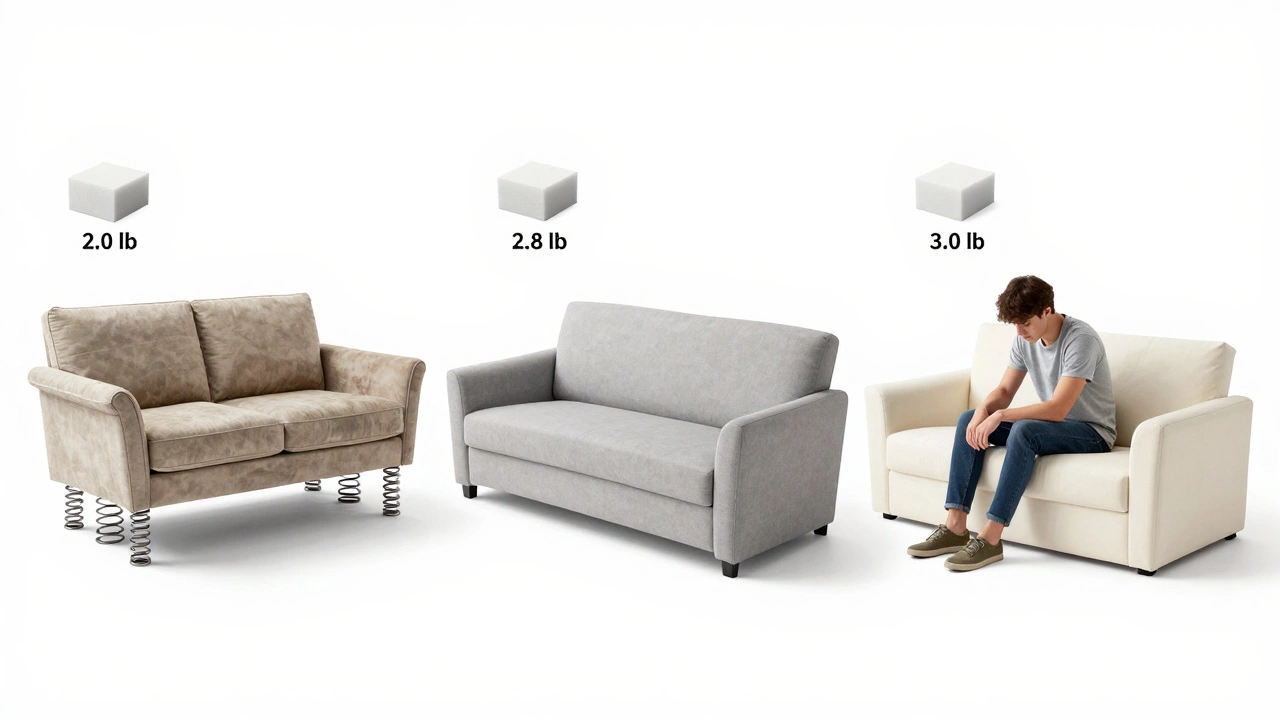
A sofa with a soft cover and cheap foam will collapse after six months. Even if it feels amazing at first. I’ve tested over 30 sofas in the last two years, from high-end brands to discount warehouse finds. The ones that still feel good after 18 months? They all had one thing in common: high-density foam (at least 2.5 lb/ft³) and a sinuous spring system.
The Three Sofa Types That Actually Deliver Comfort
Not all sofas are built the same. There are three main types that dominate the market, and only two of them are worth your time if comfort is your goal.
- Traditional Spring-Front Sofas - These use coil springs under the seat and back. They’re common in older, heavier pieces. They offer good support but can sag over time. They’re also bulky and hard to move.
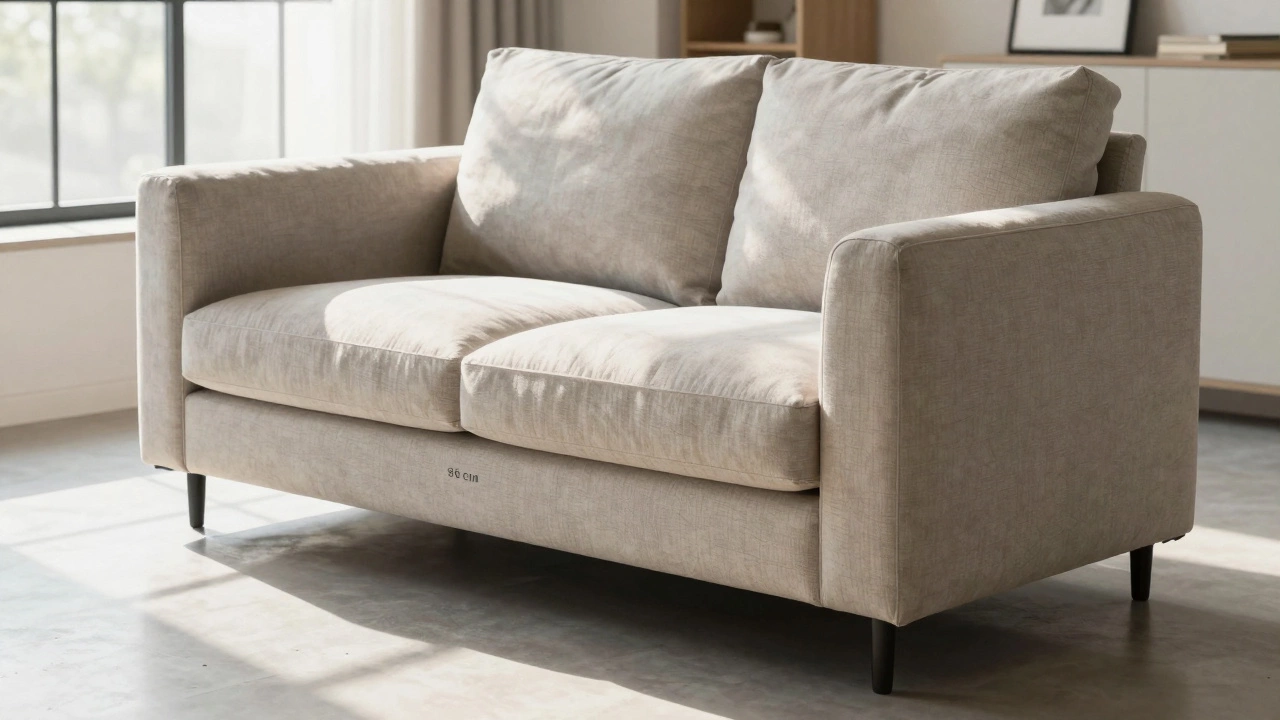
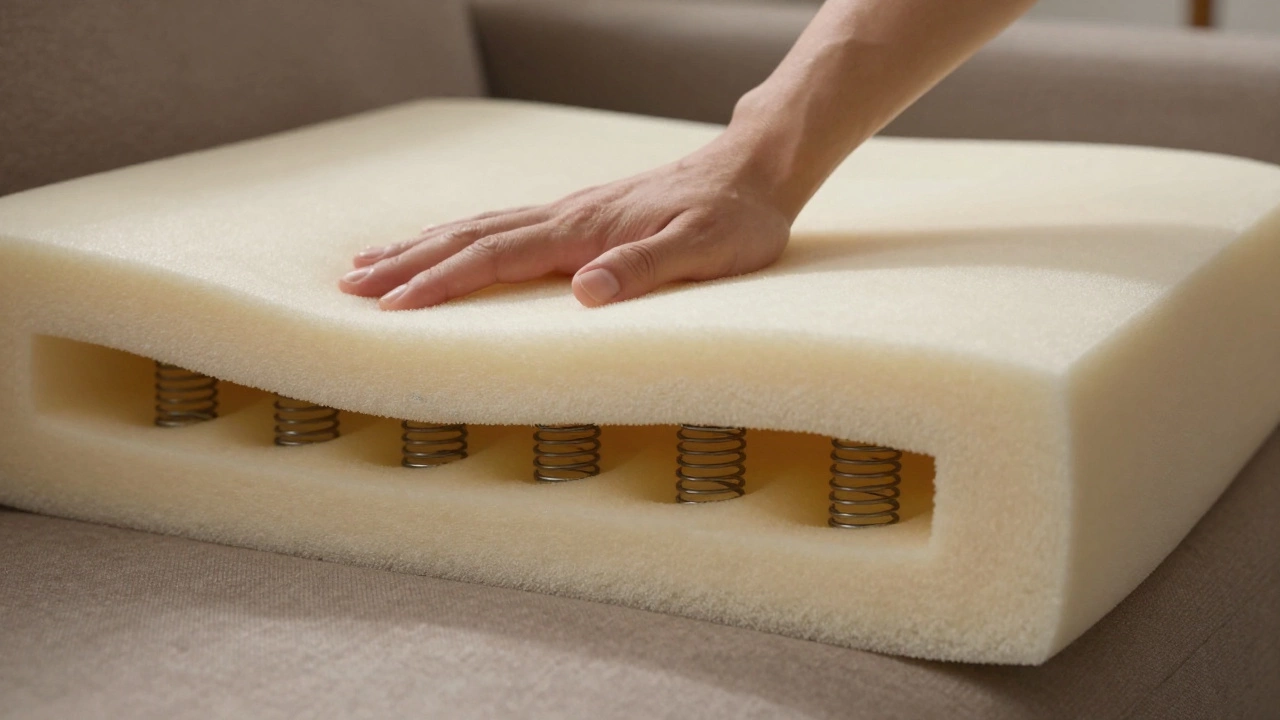
- Sinuous Spring Sofas - These use S-shaped metal springs running front to back. They’re lighter, more flexible, and respond better to body movement. This is the system used in most modern mid-range and premium sofas. It’s the sweet spot between support and give.
- High-Density Foam-Only Sofas - These skip springs entirely. Instead, they rely on thick layers of foam. They’re common in Scandinavian-style designs. They feel firm at first but mold to your body over time. Great for upright sitting, less ideal for deep lounging.
The winner? Sinuous spring systems. They’re the most responsive. They don’t bottom out like cheap foam. They don’t squeak like old coils. And they last. Brands like IKEA’s KIVIK is a sinuous spring sofa with high-density foam cushions, and West Elm’s standard sofa frame uses sinuous springs with 2.8 lb/ft³ foam, both show up in long-term comfort tests year after year.
What About Cushion Firmness?
Here’s where people get fooled. You think "soft = comfortable." But soft foam compresses too fast. It leaves you sinking, then straining to get up. Firm foam doesn’t give enough. The right balance? Medium-firm.
Look for cushions with a density between 2.5 and 3.0 lb/ft³. Anything below 2.0 is a waste. Anything above 3.5 will feel like a bench. You can check this in the product specs - most brands list it now. If they don’t, call them. Ask for the foam density. If they hesitate, walk away.
Also, avoid feather-filled cushions unless you’re okay with constant fluffing. They look plush but flatten unevenly. You’ll end up with a lumpy seat after three months. Foam blends - a mix of foam and polyester fiber - are better. They keep their shape without needing daily attention.
Backrest Height and Angle Matter More Than You Think
Most people focus on the seat. But your back is where you spend 70% of your sofa time. A low backrest leaves your spine unsupported. A too-high backrest makes you feel trapped.
The ideal backrest height? Between 24 and 28 inches from the seat. That’s enough to support your shoulder blades without crowding your neck. And the angle? Look for a slight recline - about 105 degrees. That’s the natural angle your spine takes when you’re relaxed. Too upright (90 degrees) and you’ll slouch. Too reclined (120+) and you’ll slide down.
Test this: Sit on the sofa, lean back, and let your arms rest naturally. If your shoulders are floating, the back is too low. If your head is tilted forward, it’s too high. If you’re sliding toward the front, the angle is too steep.
Depth: How Deep Should a Sofa Be?
Deep sofas look inviting. But if they’re too deep, you’ll be hunched over, knees bent awkwardly. Too shallow, and you can’t stretch out.
The sweet spot? 88 to 96 cm (35 to 38 inches) of seat depth. That’s enough for a 6-foot person to stretch their legs without their back losing support. If you’re under 5’8", go for 80-85 cm. If you’re taller, 95 cm+ works.
Try this: Sit on the sofa, feet flat on the floor. Your knees should be at a 90-degree angle. If your feet are dangling, the seat is too deep. If your thighs are barely on the cushion, it’s too shallow.
Armrests: Don’t Ignore Them
Armrests aren’t just for resting your coffee. They’re for your elbows, your head, your side-sleeping self. Too high, and your shoulders tense. Too low, and you’re hugging the cushion.
Standard armrest height? 20 to 22 inches from the floor. That’s eye-level with your elbows when seated. Wide armrests (at least 6 inches across) are better for leaning. Narrow ones are fine if you don’t use them.
Test: Sit normally, rest your forearms on the arms. Your shoulders should feel relaxed. If you’re lifting your arms to reach, they’re too low. If your wrists are bent upward, they’re too high.
Real-World Comfort: What Works in Auckland Homes
In New Zealand, we live in smaller spaces. We want sofas that fit, last, and don’t look like a couch from 1987. The most popular comfort winners here? The sinuous spring sofa with medium-firm foam, 88 cm depth, 26-inch backrest, and 21-inch armrests.
Brands like Freedom a New Zealand-made sofa brand known for durable sinuous spring frames and Harvey Norman’s in-house sofa line with 2.7 lb/ft³ foam consistently rank highest in customer satisfaction surveys for comfort over time. They’re not the cheapest. But they’re the ones people still sit on after three years.
What to Avoid
- Sofas with no foam density listed - if they won’t tell you, they’re hiding something.
- "Memory foam" cushions - they trap heat and feel sticky in warm climates.
- Low-end polyester fiber fills - they compress into a flat pancake.
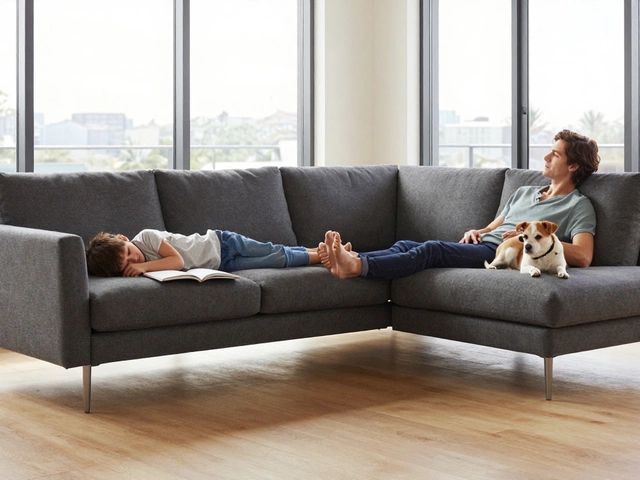
- Deep, low-back sectional sofas - they look cool in photos but ruin your posture.
- Sofas with glued or stitched cushions - they can’t be flipped or replaced.
The Verdict
The most comfortable sofa isn’t the one with the softest cover. It’s the one with:
- A sinuous spring frame
- 2.5-3.0 lb/ft³ foam cushions
- 24-28 inch backrest height
- 88-96 cm seat depth
- 20-22 inch armrest height
Test it in person. Sit on it for 10 minutes. Move around. Lean back. Stand up. If you feel like you need to stretch after sitting, it’s not right. If you forget you’re sitting? That’s the one.
Is a deep sofa always more comfortable?
No. A deep sofa can feel great for lounging, but if it’s deeper than 96 cm, it forces your spine into a slouched position. Most people need 88-96 cm. Shorter people should aim for 80-85 cm. Depth should match your leg length, not your aesthetic.
Are leather sofas more comfortable than fabric ones?
Not necessarily. Leather feels cool and firm at first, which some people like. But it doesn’t conform as well as high-density foam. Over time, leather can stiffen and crack. Fabric with a good foam core will mold to your body and stay soft. Comfort comes from the padding, not the cover.
Can I make a cheap sofa more comfortable?
Yes, but only so much. Adding a memory foam topper might help for a few months, but it won’t fix a weak frame or thin foam base. If the sofa sags when you sit down, or the springs creak, no cushion will save it. Spend your money on the frame, not the cover.
Do reclining sofas last longer?
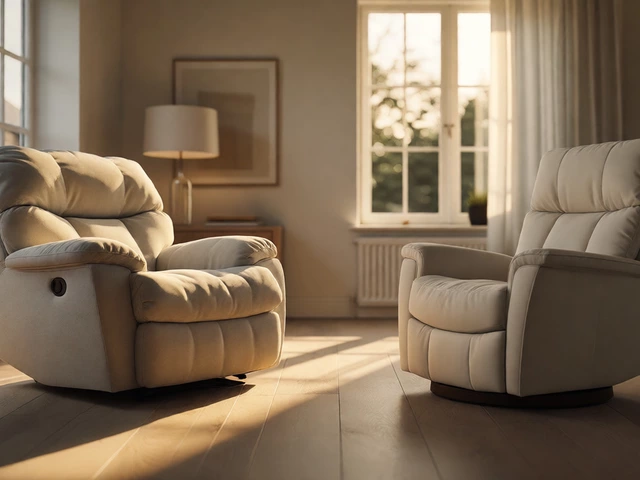
Reclining mechanisms add moving parts - and moving parts break. A basic sinuous spring sofa with fixed back and seat lasts longer than a recliner. If you want comfort and longevity, stick with a non-reclining model. You can always add a footrest.
What’s the best sofa for back pain?
A sofa with firm, high-density foam and a backrest that supports your lower spine. Avoid ultra-soft cushions. Look for a 26-inch backrest height and a 105-degree recline. Brands like Freedom and IKEA’s KIVIK are commonly recommended by physiotherapists in New Zealand for their posture-friendly design.
If you’re shopping this week, don’t just sit down. Sit like you’re planning to live with it for five years. Test the depth. Feel the foam. Check the back. Ask for the specs. The most comfortable sofa isn’t the one that looks the best - it’s the one that lets you forget you’re sitting at all.