When you walk into any IKEA store, you’re greeted by row after row of flat-pack bookcases-BILLY, KUNGSBACKA, LACK-all designed to fit neatly into small apartments and budget-friendly homes. But IKEA doesn’t own the market. Not even close. For years, a quiet but powerful competitor has been eating into IKEA’s share of the bookcase space, not with flashy ads or global stores, but with better materials, smarter design, and a growing reputation for lasting quality. That competitor? Emtek.
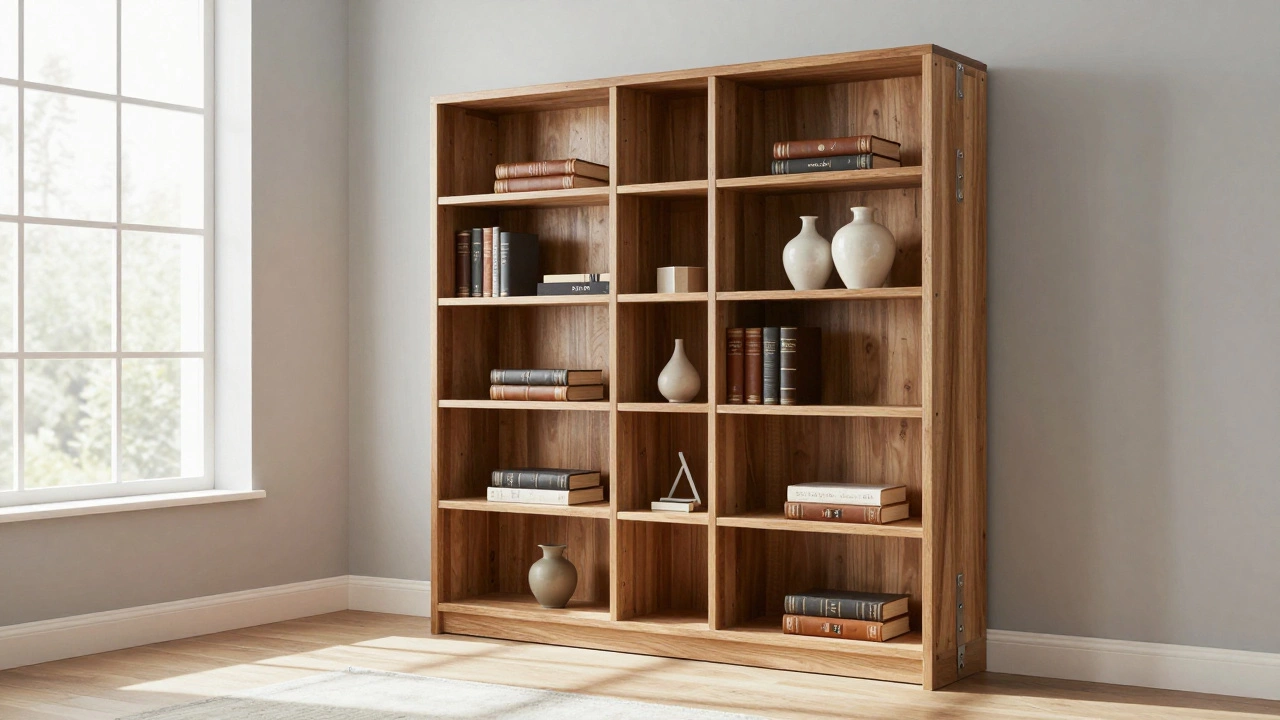
Wait, Emtek? You might be thinking-didn’t Emtek make door hardware? That’s true. But since 2021, Emtek expanded into freestanding storage with a line of solid wood bookcases built for people who refuse to replace their shelves every five years. Unlike IKEA’s particleboard frames held together by plastic cam locks, Emtek’s bookcases use kiln-dried North American hardwood, dovetail joints, and steel reinforcement brackets you can actually see and feel. They don’t come in a box you assemble with a hex key. They arrive mostly assembled, with clear instructions and pre-drilled holes. No more wobbly shelves after three months.
Here’s the real difference: IKEA sells you a bookcase. Emtek sells you a piece of furniture that becomes part of your home. People who buy Emtek aren’t just storing books-they’re building a library, a display wall, a statement. And they’re willing to pay for it. An Emtek 6-shelf bookcase costs around $650. An IKEA BILLY costs $100. That’s a six-times price gap. But here’s what you get with Emtek: no sagging, no warping, no need to anchor it to the wall. It doesn’t look like furniture from a warehouse. It looks like furniture from a craftsman’s workshop.
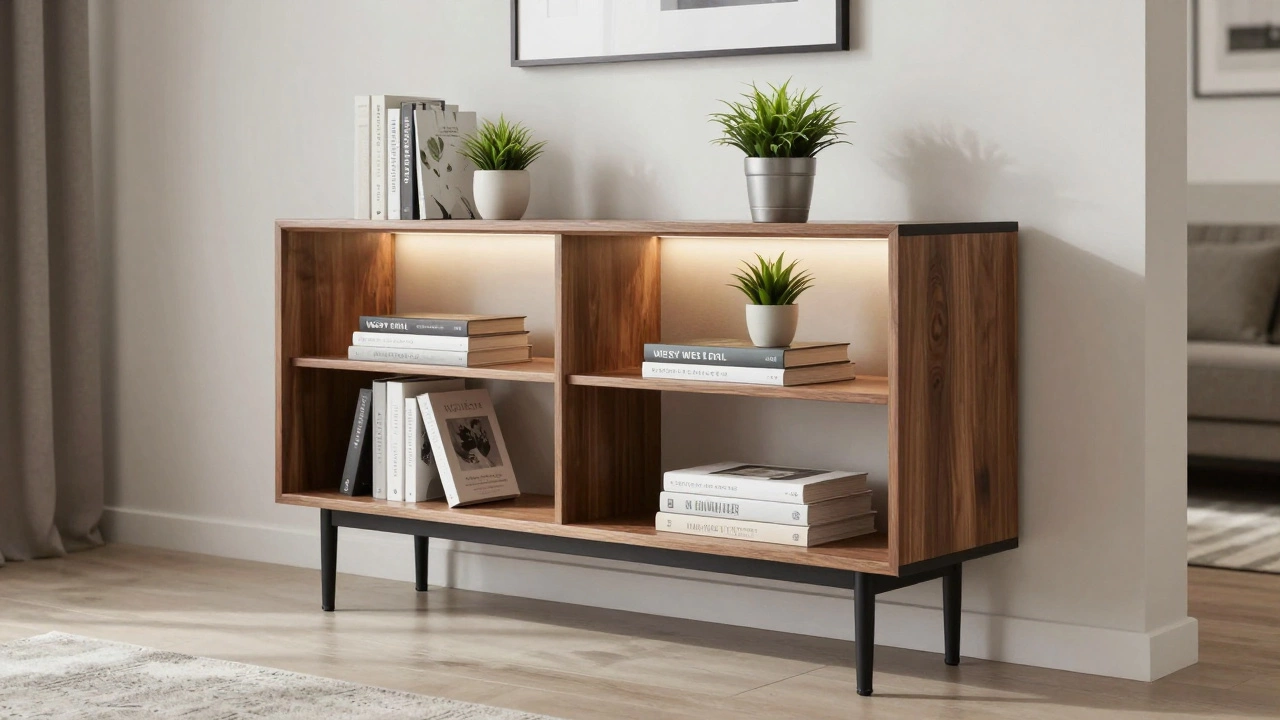
But Emtek isn’t the only one. Another major player is West Elm. They’ve been quietly dominating the mid-range bookcase market since 2020 with their Modern Bookshelf and the slightly more rustic Cedar Bookcase. West Elm’s strength? They understand aesthetics. Their shelves are designed to look good in photos, on Instagram, in interior design blogs. They use sustainable bamboo, reclaimed wood, and matte black metal legs that match modern lighting fixtures. They don’t have the price tag of Emtek, but they’re still 2-3 times more expensive than IKEA. A West Elm Modern Bookshelf runs $399. You get a clean, minimalist look that doesn’t scream "flat-pack assembly."
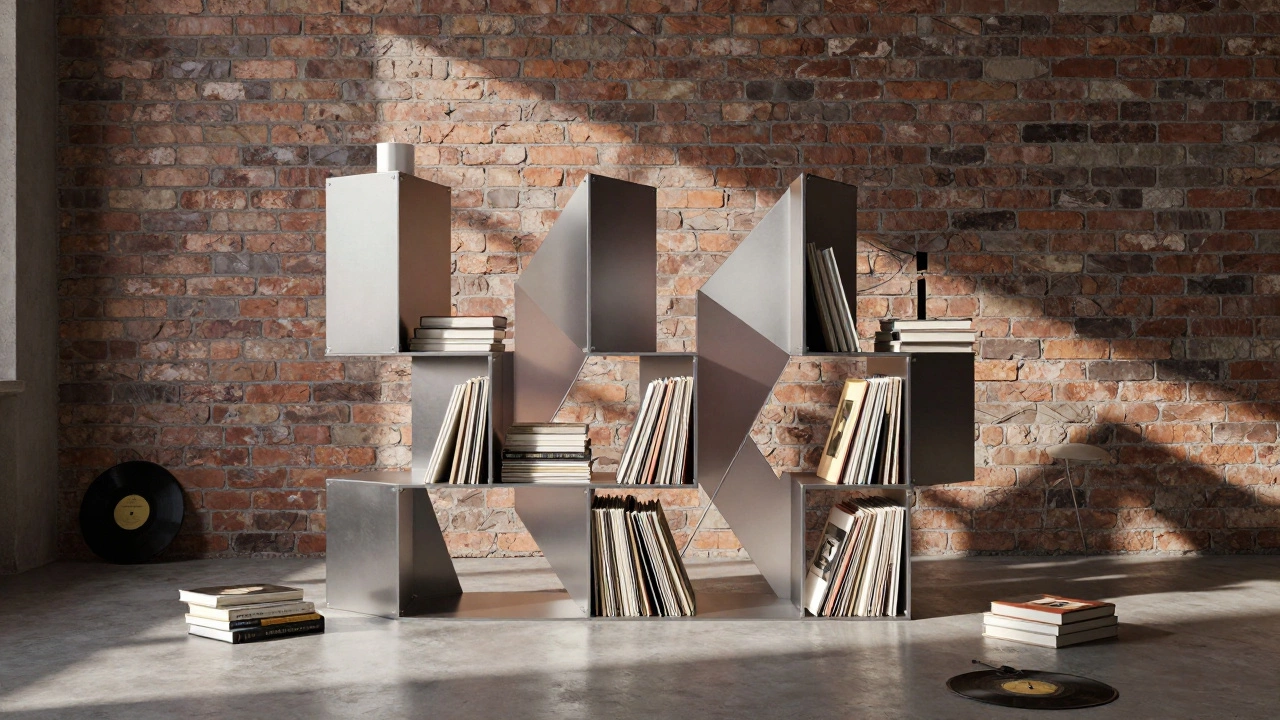
Then there’s CB2, the younger, edgier sibling of Crate & Barrel. CB2’s bookcases are bold. Think geometric shapes, asymmetrical designs, and unexpected materials like powder-coated steel and acrylic. Their 2024 release, the Stack bookcase, lets you mix and match units like building blocks. You can make a vertical tower, a zigzag wall, or a freestanding room divider. It’s not for everyone-but if you want your bookshelf to be a conversation starter, CB2 is your go-to. Prices start at $299. It’s not cheap, but it’s not a one-size-fits-all solution either.
And let’s not forget Amazon Basics. Yes, Amazon Basics. You might laugh, but their Heavy Duty Bookcase has sold over 2 million units since 2022. Why? Because it’s sturdy, it’s black, and it’s $89. Made with steel frames and engineered wood, it’s not going to win any design awards-but it holds 150 pounds per shelf, and it doesn’t tip over when you stack textbooks on it. For students, home offices, or people who just need functional storage without the fuss, Amazon Basics is the silent giant. It’s not competing with IKEA on style. It’s competing on reliability and price.
So who’s the biggest competitor? It depends on what you’re looking for.
If you want the cheapest option that still works? Amazon Basics wins. It’s the Walmart of bookcases-no frills, no surprises, just solid performance.
If you want something stylish that looks expensive without breaking the bank? West Elm is your best bet. Their shelves look like they cost twice as much. And they come in finishes like charcoal, walnut, and white oak that blend into any room.
If you want something built to last 20 years and passed down to your kids? Emtek. Their warranty is lifetime. Not 10 years. Not 25 years. Lifetime. They’ll replace it if the wood cracks, the finish fades, or the joints loosen-even if you bought it in 2018.
And if you want to customize your space like a designer? CB2’s Stack system lets you build a bookcase that’s as unique as your taste. No two are alike.
IKEA still sells more bookcases than all of them combined. But they’re losing the long-term customer. People who buy an IKEA BILLY today are likely to buy another one in five years. People who buy an Emtek or West Elm? They rarely buy another. They’ve found their shelf. And they’re not replacing it.
There’s a reason why secondhand IKEA bookcases flood Facebook Marketplace every spring. They’re cheap, sure-but they’re also disposable. Emtek, West Elm, CB2, and even Amazon Basics? They’re built to stay. And that’s why they’re winning.
Why IKEA’s Bookcases Don’t Last
It’s not that IKEA’s bookcases are poorly made. They’re designed for a specific purpose: affordability, scalability, and mass appeal. That means compromises. The BILLY bookcase uses particleboard, which is made from wood chips and glue. It’s light, easy to ship, and cheap. But it’s also prone to swelling if it gets damp. The shelves sag under heavy books after 18-24 months. The plastic cam locks that hold the sides together loosen over time. You end up tightening them with a screwdriver every few months.
And then there’s the anchoring. IKEA’s own instructions say you must anchor the bookcase to the wall. Why? Because it’s unstable. A child pulls on it. A cat jumps on it. The whole thing tips. That’s not a design flaw-it’s a safety requirement. But it’s also a sign that the product isn’t meant to be permanent.
Compare that to Emtek’s bookcase. It weighs 78 pounds empty. The base is solid oak, 1.5 inches thick. The shelves are 1 inch thick, with steel inserts underneath. No anchoring needed. No wobbling. No plastic parts. It’s built like a cabinet, not a display unit.
What People Actually Want in a Bookcase
Most people don’t want to think about their bookcase. They just want it to work. Here’s what they really care about:
- Can it hold my hardcover novels without bending?
- Will it look good in my living room for the next 10 years?
- Do I have to spend two hours assembling it with a hammer and a swear word?
- Will it still stand up if I move apartments?
- Can I put my vinyl collection on it without worrying about warping?
IKEA answers yes to the first question-with a caveat. The rest? Not so much. Emtek answers yes to all five. West Elm answers yes to two, three, and five. CB2 answers yes to two and five, but no to four (it’s modular, so moving means disassembling). Amazon Basics answers yes to one and four, but no to two.
There’s no single winner. But there’s a clear shift: people are moving away from disposable furniture. They’re choosing pieces that match their values-durability, sustainability, craftsmanship.
What You Should Buy Based on Your Needs
Here’s a quick guide:
- Student or renter on a tight budget? Amazon Basics. It’s sturdy, it’s black, and it’s under $100. You can take it with you when you move.
- Homeowner who wants style without luxury? West Elm. Their shelves look expensive, they’re made from sustainable wood, and they come in finishes that match modern homes.
- Collector or someone who values heirloom quality? Emtek. Pay more now, never replace it. Their lifetime warranty means you’re covered even if your dog scratches it or your kid knocks it over.
- Designer or someone who loves customization? CB2’s Stack system. Mix and match. Build your own shape. It’s not traditional, but it’s unforgettable.
- Just need a temporary shelf? IKEA. It’s fine for a year or two. Just don’t expect it to last.
Why This Matters Beyond Bookcases
This isn’t just about shelves. It’s about how we think about furniture. For decades, IKEA taught us that furniture is disposable. Buy it, assemble it, use it for a few years, then toss it. But younger buyers-especially those in urban areas-are rejecting that idea. They’re buying fewer things, but they’re buying better things.
That’s why companies like Emtek and West Elm are growing 20% year over year. That’s why secondhand IKEA shelves are everywhere, but secondhand Emtek shelves are rare. People keep them. They repair them. They pass them down.
It’s not about being rich. It’s about being intentional. You don’t need a $600 bookcase if you only have five books. But if you have a hundred? Or if you care about what your home says about you? Then you don’t settle for a $100 shelf that’s already starting to sag.
The biggest competitor to IKEA isn’t another big brand. It’s a shift in mindset. People are choosing quality over quantity. And that’s changing the whole game.
Is Emtek really better than IKEA for bookcases?
Yes, if you care about durability, material quality, and long-term value. Emtek uses solid hardwood, steel reinforcement, and lifetime warranties. IKEA uses particleboard and plastic fasteners. Emtek bookcases don’t sag, warp, or need wall anchoring. They cost more upfront, but you’ll never need to replace one.
What’s the cheapest good-quality bookcase?
Amazon Basics Heavy Duty Bookcase. At $89, it’s the most reliable budget option. Steel frame, engineered wood shelves, holds up to 150 pounds per shelf. It won’t win design awards, but it won’t collapse under your books either.
Are West Elm bookcases worth the price?
If you value aesthetics and sustainable materials, yes. West Elm’s bookcases are designed to look expensive without being luxury-priced. They use FSC-certified wood, have clean lines, and come in finishes that match modern interiors. You’re paying for design, not just function.
Can I assemble a CB2 Stack bookcase myself?
Yes, but it takes time. Each unit snaps together with hidden connectors-no tools needed. But because it’s modular, you’ll need to plan your layout before you start. It’s not a plug-and-play shelf. It’s a custom system. Best for people who like to tinker with their space.
Why do IKEA bookcases need to be anchored to the wall?
Because they’re lightweight and top-heavy. The particleboard frame and plastic fasteners make them unstable. Even a light push from a child or pet can tip them over. Anchoring is a safety requirement, not a suggestion. It’s a sign the design prioritizes low cost over structural integrity.