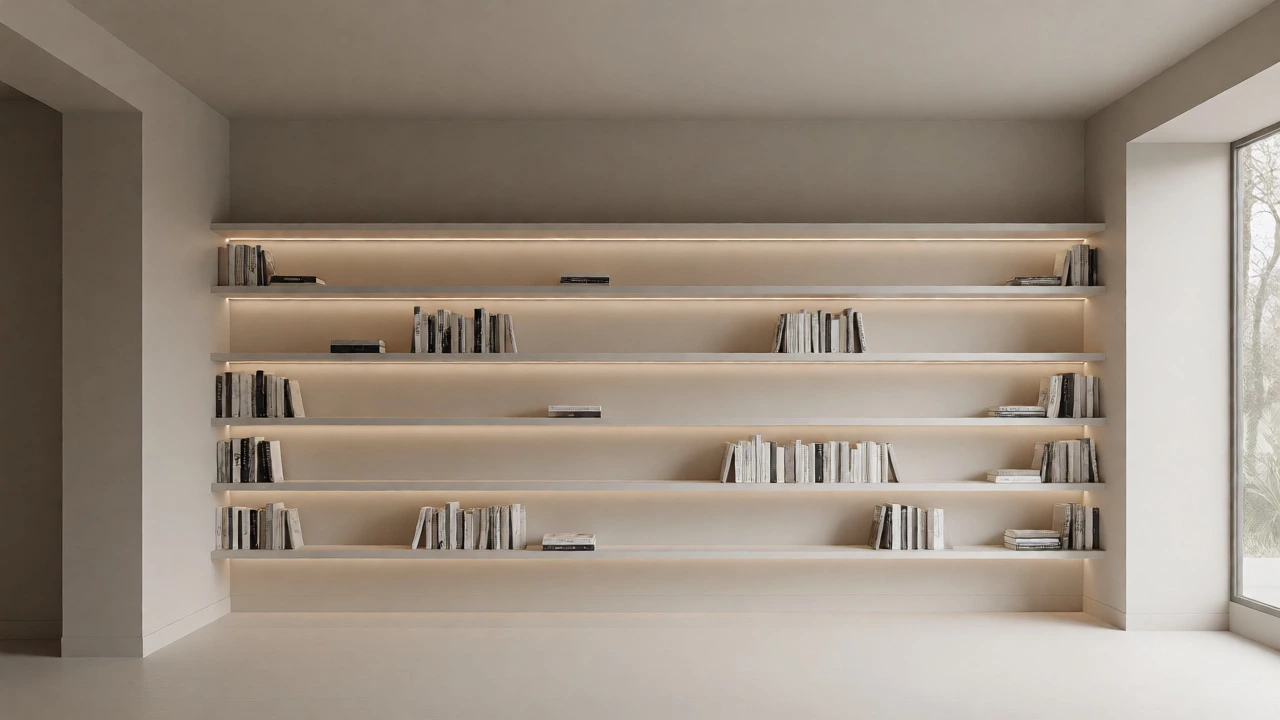
Built-In Bookshelf Style Check
Assess the relevance of your existing built-ins against modern standards like depth, lighting, material mix, and finish.
You’re standing in your living room, staring at that floor-to-ceiling wooden unit that’s been there since the house was built in 1998. It’s solid, it’s practical, and it holds every novel you’ve ever bought. But a nagging thought creeps in: are built-in bookshelves out of style?
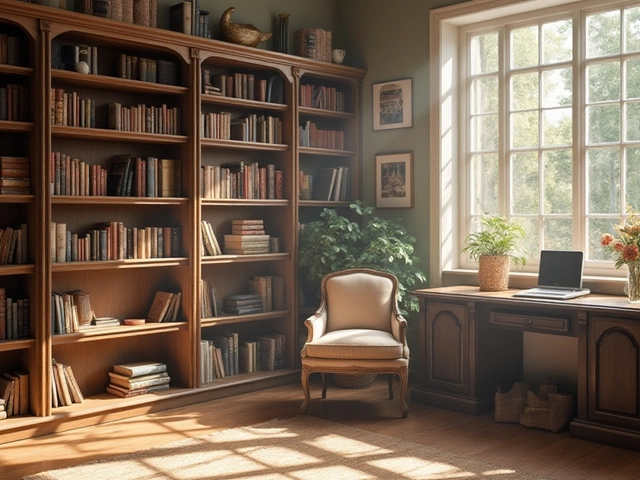
Here’s the truth nobody tells you when they sell you on "timeless" interiors: nothing is truly timeless if it ignores how we actually live. In 2026, the debate isn’t about whether built-ins exist; it’s about whether yours are helping or hurting your home’s value and vibe. We’re seeing a massive shift away from the heavy, dark oak libraries of the 90s toward something lighter, smarter, and more integrated. If your shelves look like they belong in a Victorian study rather than a modern Auckland open-plan living space, you might be dealing with a dated feature. But don’t grab the sledgehammer just yet. There’s a fine line between "dated" and "classic," and understanding where your unit sits on that spectrum could save you thousands.
The Shift From Heavy to Airy
For decades, the standard for built-in shelving was maximum density. Think dark mahogany, thick crown molding, and shelves so deep they swallowed books whole. This style worked because homes were compartmentalized. You had a separate dining room, a separate lounge, and a separate study. The furniture didn’t need to blend into an open flow because there was no open flow.
Fast forward to today, and open-plan living dominates new builds and renovations alike. When you remove walls, visual clutter becomes the enemy. A massive, dark built-in unit can make a bright, airy kitchen-living area feel cramped and oppressive. The current trend favors "floating" aesthetics-shelves that appear to hover off the wall, often painted the same color as the drywall to create seamless integration. This doesn’t mean built-ins are dead; it means the Built-in Bookshelf is evolving from a piece of furniture into an architectural element.
If your current shelves have chunky trim and dark stains, they fight against the light bouncing around your room. Modern design prioritizes negative space. You want the eye to travel smoothly across the room without hitting a visual brick wall. That’s why we see fewer full-wall units and more strategic pockets of storage that break up large expanses of paint.
Why Custom Cabinetry Still Wins (When Done Right)
Despite the rise of modular systems like IKEA Kallax or freestanding mid-century modern pieces, custom cabinetry retains a distinct advantage: precision. Freestanding bookcases leave gaps at the top, collect dust behind them, and wobble if not anchored perfectly. Built-ins eliminate these issues entirely.
But here is the catch: bad built-ins are worse than good freestanding ones. A poorly designed built-in looks like a contractor’s afterthought. It screams "renovation shortcut." To keep your built-ins relevant, they need to adhere to specific design rules that align with 2026 standards.
- Depth Matters: Standard 30cm depth is often too deep for modern paperback-heavy collections. It creates shadowed voids where books get lost. Aim for 20-25cm for display-focused shelves.
- Lighting Integration: If your shelves don’t have integrated LED strip lighting, they look flat. Lighting turns a shelf into a feature. Without it, it’s just wood.
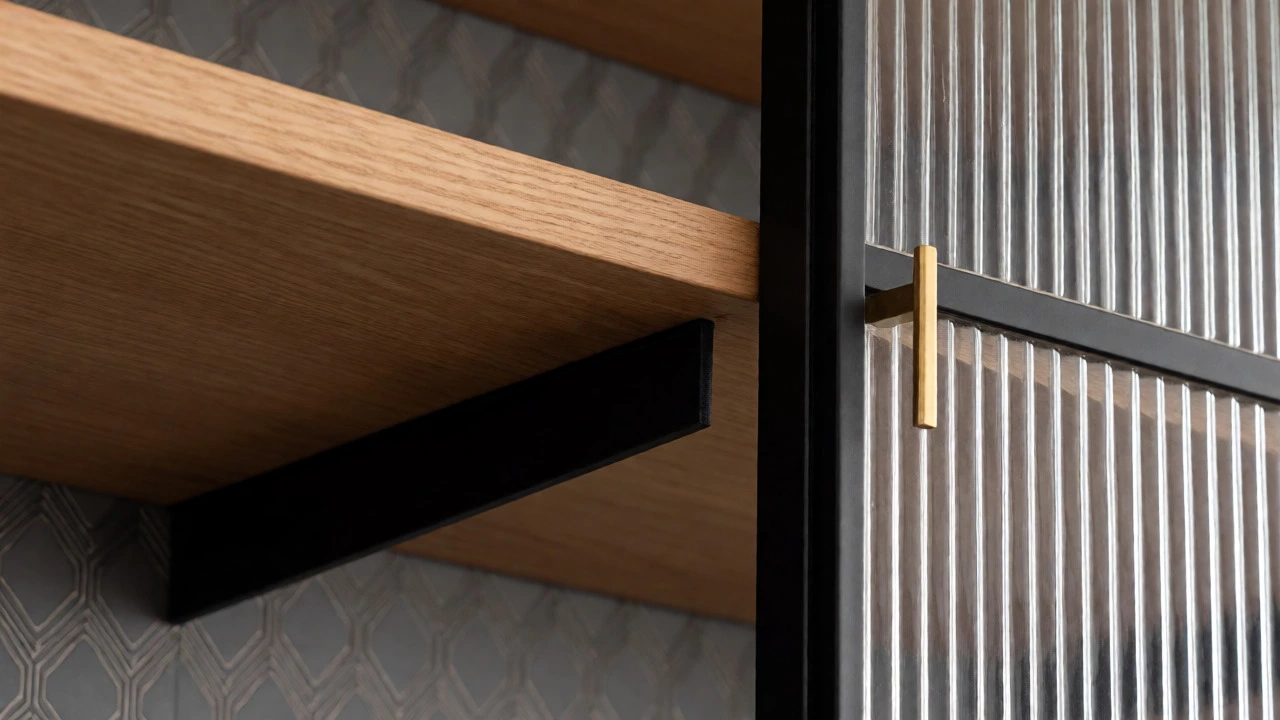
- Material Mix: All-wood is out. Mixing materials-like metal brackets with timber shelves, or glass fronts with matte lacquer-adds texture and breaks up the monotony.
When done correctly, a built-in isn’t just storage; it’s a backdrop. It frames art, hides unsightly wiring, and anchors media centers. The key is subtlety. If people notice the shelves before they notice what’s on them, you’ve gone too far.
Freestanding vs. Built-In: The Real Cost-Benefit Analysis
Let’s talk money and flexibility. One reason homeowners hesitate with built-ins is the commitment. You can move a freestanding Bookcase when you change your layout. You can’t easily move a wall unit without tearing down plasterboard.
In the New Zealand market, labor costs for carpentry have risen significantly. A custom joinery job that cost $2,000 five years ago might now quote at $4,500-$6,000 depending on finish and complexity. Compare that to buying three high-quality solid timber freestanding units for $1,500 total, and the math gets tricky.
| Feature | Custom Built-In | Modular System (e.g., IKEA) | Freestanding Solid Wood |
|---|---|---|---|
| Aesthetic Impact | High (Seamless/Architectural) | Medium (Clean but generic) | Low to Medium (Decorative) |
| Cost (NZD Estimate) | $4,000 - $8,000+ | $800 - $1,500 | $1,500 - $3,000 |
| Flexibility | None (Permanent) | High (Reconfigurable) | Very High (Movable) |
| Resale Value Add | Positive if high quality | Neutral | Negative (Clutter risk) |
| Installation Time | 1-2 Weeks | 1 Day | Immediate |
The table above highlights a critical point: resale value. In Auckland real estate, potential buyers often view poor-quality built-ins as a liability. They assume removing them will cost extra. However, well-executed joinery that matches the rest of the cabinetry (kitchen or bathroom) adds perceived value because it signals a higher level of finish throughout the home.
Design Trends Making Built-Ins Look Fresh
If you’re worried your existing shelves are outdated, you don’t necessarily need to rip them out. Often, cosmetic updates can bring them into the 2026 fold. Here are the specific trends currently dominating Pinterest boards and local builder portfolios.
1. The "Invisible" Finish
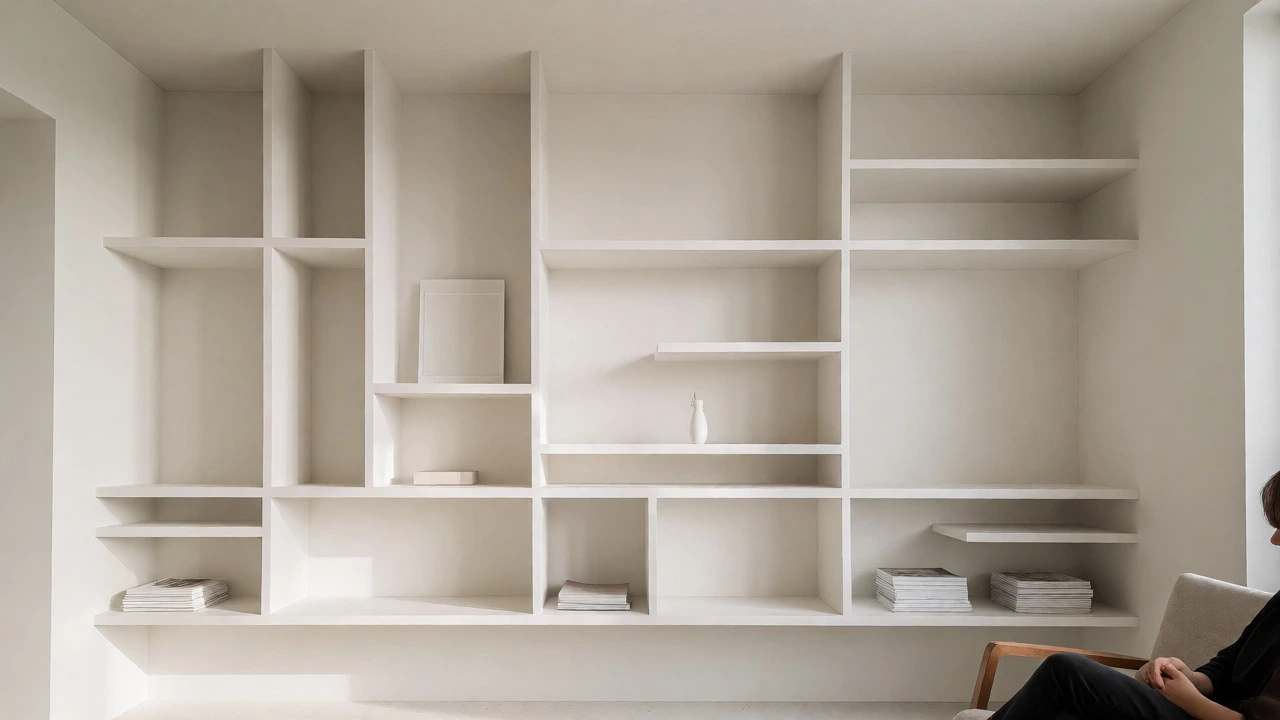
Painting built-ins the exact same color as your walls is the biggest trend right now. Matte black is still popular, but soft neutrals like Resene Eighth Truffle or Dulux Natural White are taking over. This technique minimizes the visual weight of the unit. It allows the books and decor to pop while the structure recedes into the background.
2. Asymmetrical Layouts
Rigid grids are boring. Modern designs use varied shelf heights. Tall sections for art objects, short dense stacks for magazines, and open cubbies for baskets. This irregularity mimics organic growth and feels less like a warehouse rack. If your current shelves are all identical squares, consider adding one or two vertical dividers to break the pattern.
3. Mixed Media Fronts
Open shelving collects dust. Closed cabinets hide clutter. The sweet spot? Fluted glass doors or rattan inserts. These materials add warmth and texture, breaking up the straight lines of the wood. It’s a nod to the biophilic design movement, which brings natural elements indoors to reduce stress.
When Built-Ins Are Actually Bad for Your Home
Not every wall deserves a shelf. Sometimes, the desire to maximize storage leads to over-fitting. If you’re asking yourself, "Should I remove my built-ins?", consider these red flags.
First, check your natural light. If a built-in blocks a window or sits directly opposite a main light source, it casts shadows that make rooms feel smaller. Second, consider your lifestyle. Do you actually read? Or do you just own decorative boxes? Built-ins require maintenance. Dusting intricate moldings is tedious. If you hate cleaning, a simple closed cabinet system is better than open shelves.
Also, beware of "feature creep." Some builders add too many niches, lights, and angles. The result looks busy and expensive, but not necessarily luxurious. Simplicity sells. A clean, recessed niche with concealed lighting looks far more premium than a unit with twelve different trim profiles.
DIY Updates to Save Your Shelves
Before hiring a carpenter, try these low-cost interventions. They take a weekend and can completely change the perception of your storage.
- Replace Hardware: Swap out old knobs for minimalist brass or matte black pulls. It’s a small detail that reads as "updated."
- Add Back Panel Wallpaper: If your shelves have a back panel, peel off any old paper and apply a subtle textured wallpaper or even a bold geometric print. It adds depth and interest without changing the structure.
- Install Puck Lights: Battery-operated LED puck lights under each shelf instantly modernize the look. No wiring required.
- Curbie Overcrowding: Remove 30% of your items. Use the empty space intentionally. Negative space is a design tool, not wasted room.
These steps work because they address the psychological aspect of clutter. Dated shelves often look dated because they’re stuffed. Lightening the load makes the architecture breathe.
The Verdict: Are They Out of Style?
So, are built-in bookshelves out of style? No. But the style of built-in bookshelves has changed dramatically. The heavy, ornate, dark-stained library look of the 1990s is definitely on its way out. It clashes with the minimalist, light-filled aesthetic that defines modern luxury.
However, streamlined, color-matched, and architecturally integrated shelving is more popular than ever. It’s about blending in, not standing out. If your shelves serve their purpose quietly, efficiently, and aesthetically, they are timeless. If they shout for attention with dark wood and complex trim, they’re likely dragging down the overall appeal of your room.
Think of your built-ins as part of the house's skeleton, not its clothing. Skeletons should support, not distract. Update the finish, refine the proportions, and curate the contents, and you’ll find that built-in storage remains one of the smartest investments you can make in your home.
Do built-in bookshelves increase home value?
Yes, generally speaking, high-quality custom joinery adds value because it increases usable storage space and enhances the perceived finish of the property. However, poorly executed or overly bulky built-ins can be seen as a negative by buyers who prefer open, flexible spaces. The key is quality and design alignment with current trends.
What is the best color for built-in shelves in 2026?
Matching the wall color is the dominant trend. Using the same paint color on the shelves and the surrounding walls creates a seamless, expansive look. Soft neutrals, warm whites, and muted earth tones are preferred over stark bright whites or very dark blacks, unless used as a deliberate accent in a monochrome scheme.
How deep should built-in bookshelves be?
For most modern books and decor, 20-25cm is sufficient. Traditional 30cm depths are often too deep, causing books to fall forward or get lost in shadows. Shallower shelves also allow the unit to protrude less into the room, preserving floor space in smaller areas.
Can I paint over varnished built-in shelves?
Yes, but preparation is critical. You must sand the surface to remove the gloss, clean it thoroughly to remove grease, and apply a high-adhesion primer specifically designed for laminates or varnishes. Skipping the primer step will result in peeling paint within months.
Are floating shelves better than built-ins?
Floating shelves offer a lighter visual footprint and are easier to install, but they lack the structural integrity and storage capacity of full built-ins. They are great for displays but poor for heavy book collections. Built-ins remain superior for serious storage needs, provided they are designed to look sleek.