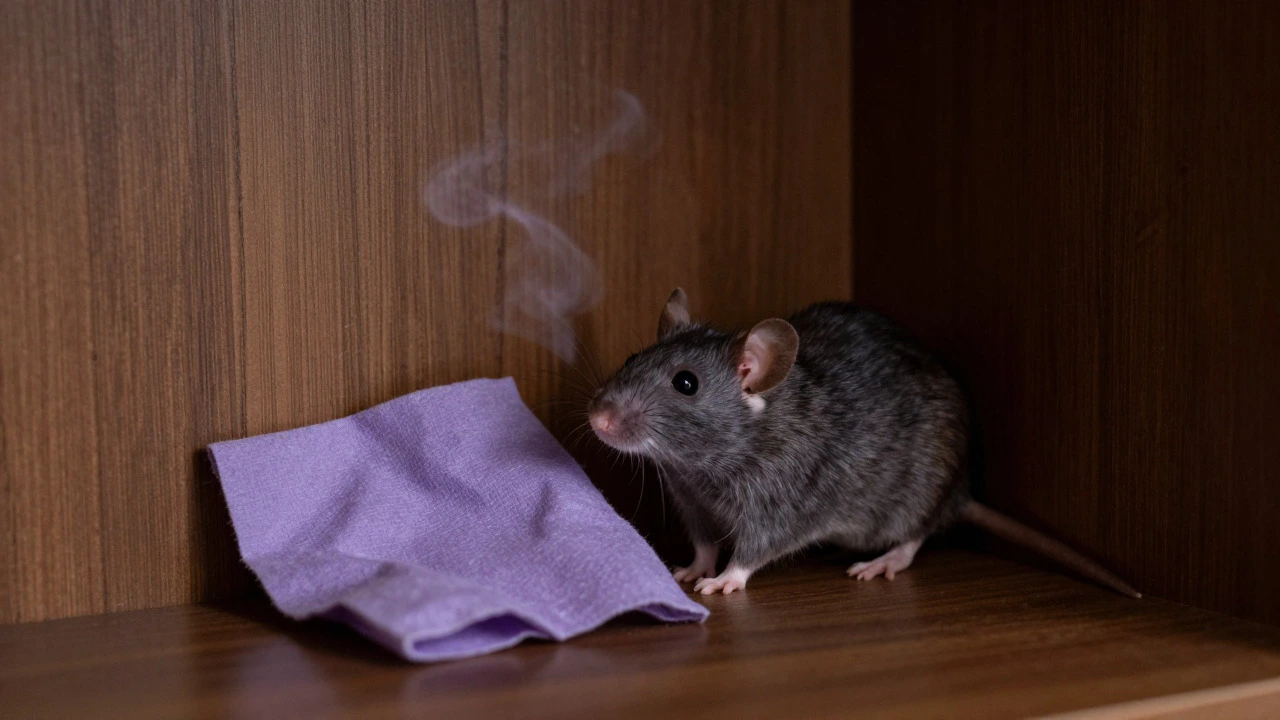
Mouse Deterrent Effectiveness Calculator
Curious if that viral tip about dryer sheets actually works? Use this tool to compare common household deterrents. Select a method and see how it stacks up in terms of reliability and duration.
Select a method and click calculate to see results.
Method Name
Score: 0/10Quick Comparison Table
| Item | Scent Type | Duration | Reliability (1-10) |
|---|---|---|---|
| Dryer Sheets | Floral/Lavender | Low (Fades in days) | 2/10 |
| Peppermint Oil | Strong/Menthol | Medium (2 weeks) | 5/10 |
| Steel Wool | N/A (Physical) | High (Permanent) | 9/10 |
| Ultrasonic Devices | N/A (Sound) | Variable | 4/10 |
It is August in Auckland, and the weather is starting to cool down. You might have noticed a scurry in the walls or droppings near your storage cabinets furniture units designed for organizing clothes, linens, and seasonal items. Before you run to the hardware store for expensive traps, you probably saw that viral tip: put dryer sheets in the corners to repel rodents. But does it actually work? The short answer is no, not really. While they smell nice to us, mice small rodents with keen senses of smell and hearing are not deterred by lavender or fabric softener in the long run.
The Science Behind Scent Repellents
To understand why dryer sheets fail, we have to look at how mice navigate their world. They rely heavily on their sense of smell to find food, mates, and safe paths. Humans often think strong smells scare animals away, but for mice, many human scents are just background noise. Dryer sheets fabric treatment papers infused with softening agents and fragrances like lavender or vanilla contain volatile organic compounds that evaporate quickly. Once the scent fades, which can happen in days or weeks, the deterrent effect vanishes completely. Unlike predators such as owls or snakes, whose presence triggers an instinctive fear response, a sheet of paper offers no threat. It is simply an object sitting in the corner of your wardrobe tall storage unit for hanging clothes and storing accessories.
Why Dryer Sheets Are Not a Reliable Solution
There are three main reasons this method falls flat for most homeowners:
- Fading Scent: The fragrance molecules break down rapidly when exposed to air. A fresh sheet might smell strong for 48 hours, but after a week, it is barely detectable. Mice adapt to constant stimuli quickly; if the smell doesn't change or pose a danger, they ignore it.
- No Food Source Confusion: Mice are opportunistic feeders. If there is a crumb of bread or a pet food pellet nearby, the attraction to food outweighs any mild dislike of a lavender scent. Dryer sheets do not block access to food sources.
- Habituation: Rodents learn fast. If a mouse enters your storage area and finds nothing harmful associated with the dryer sheet, it will return. In fact, the paper itself can become nesting material once the scent is gone.
Better Alternatives for Keeping Rodents Out of Furniture
If you want to protect your bookcases shelving units used for storing books, media, and decorative items and other storage pieces, you need strategies that address the root cause: entry points and food availability. Here is what actually works based on pest control best practices.
Seal the Entry Points
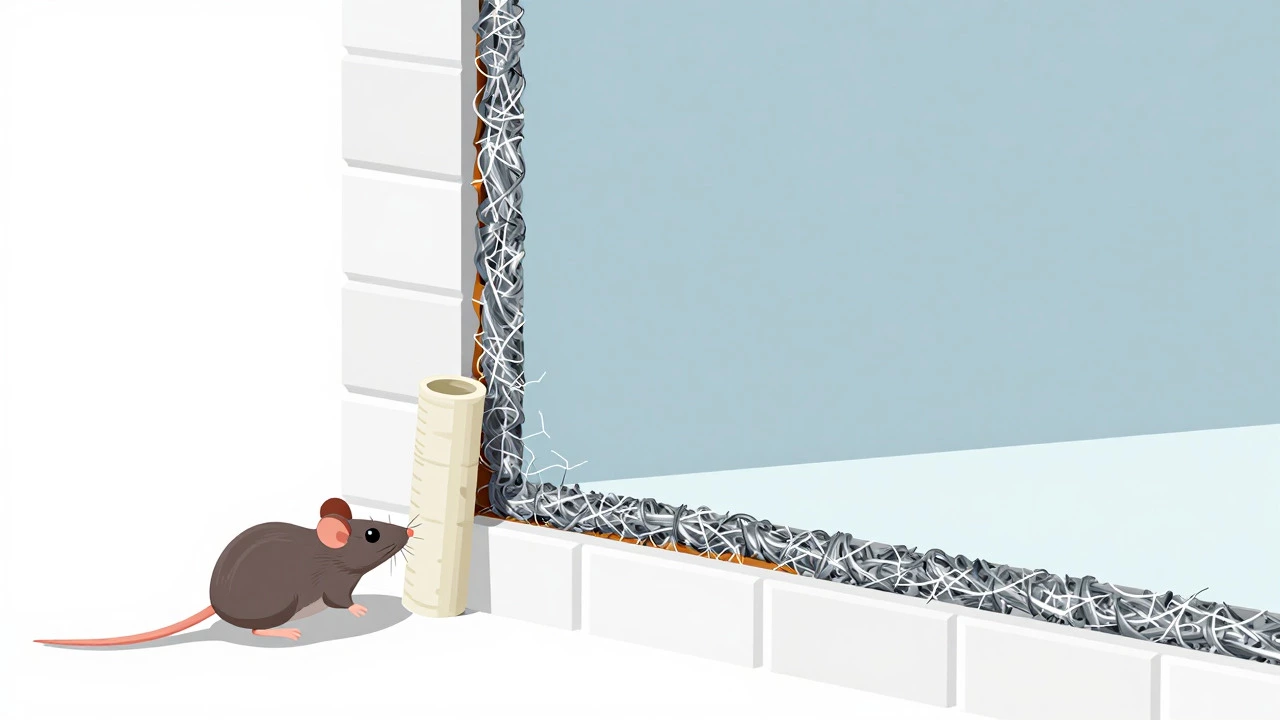
Mice can squeeze through holes as small as 6mm (about the size of a pencil). Check the gaps behind your TV stands low furniture units designed to hold televisions and media components, under kitchen sinks, and around pipes. Use steel wool or copper mesh to fill these gaps, then secure them with caulk. Steel wool is chew-resistant, unlike plastic or wood filler, which mice can gnaw through easily.
Manage Food Sources
Rodents enter homes primarily for food. Ensure all pantry items are stored in airtight containers made of glass or heavy-duty plastic. Do not leave pet food out overnight. Clean up crumbs immediately from floors and countertops. When storing seasonal clothes in drawers, wash them first to remove any food residue or sweat odors that might attract pests.
Use Proven Repellents
If you still want to use scent-based deterrents, consider peppermint oil. While also not a guaranteed solution, studies suggest that the strong menthol scent is more aversive to rodents than floral notes. Place cotton balls soaked in peppermint oil in corners, replacing them every two weeks when the scent fades. However, combine this with physical exclusion methods for the best results.
Comparing Common Household Repellents
Let's look at how different common household items stack up against each other when it comes to keeping mice away from your storage areas.
| Item | Scent Type | Duration of Effect | Reliability Score (1-10) | Best For |
|---|---|---|---|---|
| Dryer Sheets | Floral/Lavender | Low (Fades in days) | 2/10 | Aesthetic only |
| Peppermint Oil | Strong/Menthol | Medium (2 weeks) | 5/10 | Supplementary deterrent |
| Steel Wool | N/A (Physical) | High (Permanent) | 9/10 | Blocking entry holes |
| Ultrasonic Devices | N/A (Sound) | Variable | 4/10 | Open rooms (inconsistent) |
Protecting Your Storage Furniture Specifically
Your sofa beds furniture that converts from seating to sleeping space and coffee tables central low tables used for holding drinks and decorations can also be targets if they have built-in storage compartments. Mice love the dark, enclosed spaces inside these units. To protect them:
- Inspect Regularly: Open drawers and lift cushions monthly to check for droppings or gnaw marks.
- Keep Them Clean: Vacuum inside storage compartments to remove dust and debris that might harbor insects, which in turn attract mice.
- Elevate When Possible: If you have a garden furniture outdoor seating and table sets for patios and gardens set with storage boxes, keep them off the ground using pallets or legs to prevent direct access from soil-dwelling pests.

When to Call a Professional
If you see active signs of infestation-droppings, gnawed wires, or scratching sounds at night-household remedies may not be enough. A professional pest controller can identify hidden entry points and set up snap traps or live traps in strategic locations. They can also advise on whether your home structure needs repairs to prevent future re-entry. Don't wait until the problem spreads to your office chairs seating designed for desk work, often with moving parts and upholstery or other valuable items.
Practical Checklist for Homeowners
Here is a quick list you can follow this weekend to secure your home:
- Check all exterior walls for gaps larger than 6mm.
- Store all dry goods in sealed containers.
- Move pet food bowls indoors at night.
- Replace old dryer sheets with peppermint oil cotton balls if you prefer scent deterrents.
- Inspect storage furniture for signs of damage or nesting.
While dryer sheets make your laundry smell great, don't count on them to guard your home. Combine physical barriers with good hygiene habits, and you will keep those unwanted guests out of your storage furniture for good.
Do dryer sheets kill mice?
No, dryer sheets do not kill mice. They are non-toxic and pose no physical threat. At best, the strong scent might temporarily discourage a curious mouse, but it has no lethal properties.
What is the best natural way to keep mice away from storage furniture?
The most effective natural method is sealing entry points with steel wool and removing food sources. Using peppermint oil can help as a secondary deterrent, but it must be refreshed regularly to remain effective.
Can mice get into closed wardrobe doors?
Yes, if there is a gap between the door and the frame or if the wardrobe touches the wall with no seal. Mice can compress their bodies to fit through very small openings, so ensure your wardrobes are tight-fitting or add weather stripping to the bottom of the doors.
How often should I replace peppermint oil deterrents?
Every two weeks is recommended. As the essential oil evaporates, the scent becomes too weak to act as a deterrent. If the cotton ball smells faint to you, it likely won't bother a mouse either.
Are ultrasonic mouse repellers worth buying?
They are generally not very reliable. Sound waves do not penetrate well through solid objects like furniture or walls, so they only cover a limited area. Many users report that mice habituate to the sound within a few days.