Patio Bite Risk Calculator
Mosquitoes aren't attracted to the material itself, but they love the microclimates certain setups create. Adjust the settings below to see how your specific patio setup affects your bite risk.
Your Setup
Risk Level
Select your options to calculate risk.
Top Recommendation:
- Keep area dry.
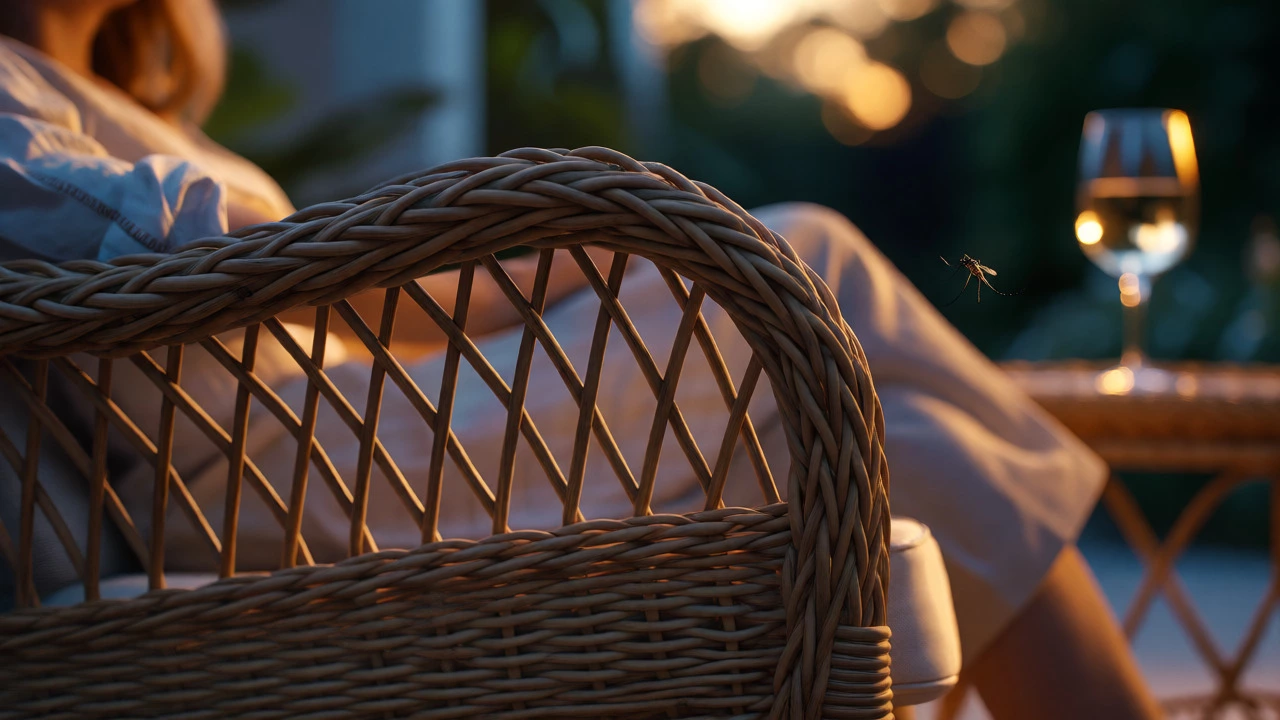
You’re settling into your favorite spot on the patio, glass of wine in hand, enjoying the evening breeze. Then it happens: that high-pitched whine and the inevitable itch. You glance around, wondering if the problem is you or your furniture. Specifically, does your stylish wicker furniture act as a magnet for these blood-sucking pests? It’s a question every homeowner with an outdoor living space eventually asks.
The short answer is no, mosquitoes aren't attracted to the material itself. They don’t wake up thinking, "I really want to bite someone sitting on rattan today." However, the reality is more nuanced. While the fiber doesn't emit scents that lure them, the structure of wicker can create perfect hiding spots. If you live in Auckland or anywhere else with humid summers, understanding how your furniture interacts with local pests is key to keeping your evenings itch-free.
The Science Behind the Bite
To solve the problem, you first need to know what actually attracts mosquitoes. It isn't your choice of chair fabric. Female mosquitoes-the only ones that bite-are hunting for three specific things: carbon dioxide, body heat, and certain chemicals like lactic acid and ammonia found in sweat.
When you sit down, you become a beacon. Your body releases CO2 with every breath, creating a plume that mosquitoes can detect from up to 50 meters away. Your skin temperature also rises, signaling a warm-blooded host nearby. So, whether you're sitting on plastic, metal, wood, or wicker, you are equally attractive to them because you are the source of the signal, not the seat.
However, there is a secondary factor at play here: microclimates. Dense materials can trap humidity and shade, which mosquitoes love. This is where the design of your furniture starts to matter more than the material composition.
Why Wicker Might Feel Like a Culprit
If wicker isn't attracting them chemically, why do people complain about bugs around their rattan sets? It comes down to physics and biology. Traditional woven wicker, whether natural rattan or synthetic resin, has gaps and crevices. These spaces serve two purposes for mosquitoes:
- Shelter from Wind: Mosquitoes are weak fliers. Strong breezes blow them off course. The intricate weave of wicker creates wind breaks, allowing them to hover closer to you without being swept away.
- Resting Spots: Between bites, mosquitoes rest. They prefer dark, shaded areas during the day. The underside of a wicker armchair or the deep weave of a backrest provides ideal resting grounds, keeping them close by for when you return to the seat.
Furthermore, if you use cushions on your wicker furniture, those fabrics can retain moisture and body oils. A damp cushion smells like a potential breeding ground or a fresh meal to a mosquito. So, while the wicker frame isn't calling out to them, the ecosystem you've built around it might be.
Natural vs. Synthetic Wicker: Does It Matter?
Not all wicker is created equal. When choosing outdoor furniture, the type of material influences maintenance and, indirectly, pest attraction.
| Feature | Natural Rattan/Wicker | Synthetic Resin Wicker |
|---|---|---|
| Moisture Absorption | High. Can swell and rot if left wet. | Low. Water beads off easily. |
| Mold/Mildew Risk | Higher risk in humid climates like NZ. | Very low risk. |
| Cleaning Ease | Requires careful drying; hard to clean deep weaves. | Hose down easily; dries quickly. |
| Pest Hiding Potential | High due to organic texture and moisture retention. | Moderate, but easier to disrupt. |
In New Zealand's climate, particularly in regions with high rainfall, natural wicker requires diligent care. If it stays damp, it develops mold. Mold and mildew produce earthy scents that some insects find appealing, though not necessarily mosquitoes specifically. But a damp, moldy chair is less comfortable for you, too. Synthetic resin wicker, often made from HDPE (high-density polyethylene), resists water and dries fast. This reduces the "micro-humid" zones that mosquitoes favor.
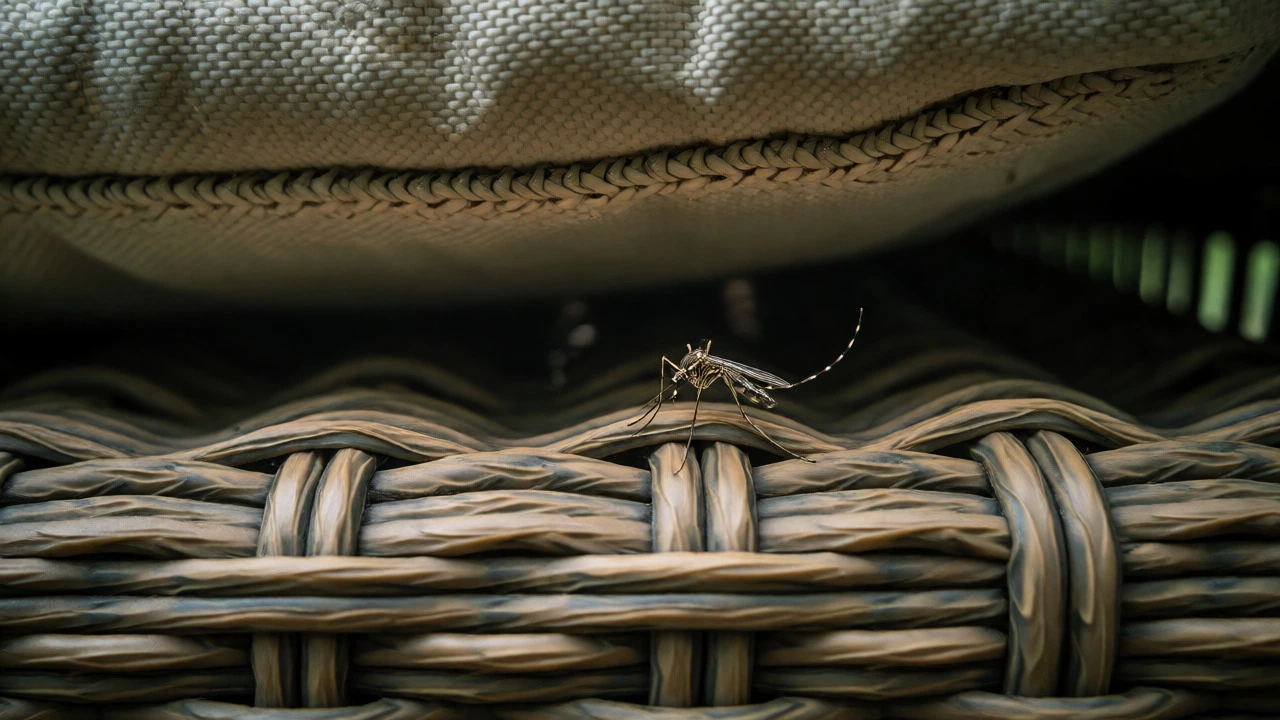
The Cushion Factor: The Real Bug Magnet
Let's shift focus from the frame to the soft goods. Most modern outdoor sets come with thick foam cushions covered in polyester or olefin fabric. These are the real troublemakers regarding hygiene and pest proximity.
Cushions absorb sweat, spilled drinks, and pollen. Over time, they develop a scent profile that is distinctly human and slightly fermented. To a mosquito, this is inviting. Additionally, dense foam retains heat. After sitting in the sun, a black cushion can stay warm long after sunset. Since mosquitoes track heat signatures, a warm cushion acts as a decoy, drawing them in even before you sit down.
If you notice more bites when using your lounge set compared to a simple wooden bench, check your cushions. Are they dry? Do they smell stale? Cleaning them regularly is one of the most effective ways to reduce insect interest in your seating area.
Practical Steps to Keep Your Patio Bite-Free
You don't need to throw out your beautiful wicker suite. Instead, manage the environment around it. Here is a checklist to minimize mosquito activity around your garden furniture.
- Remove Standing Water: This is rule number one. Check saucers under potted plants near your wicker chairs. Even a bottle cap of water can hold hundreds of larvae. In Auckland, heavy rains mean you must empty these daily during summer.
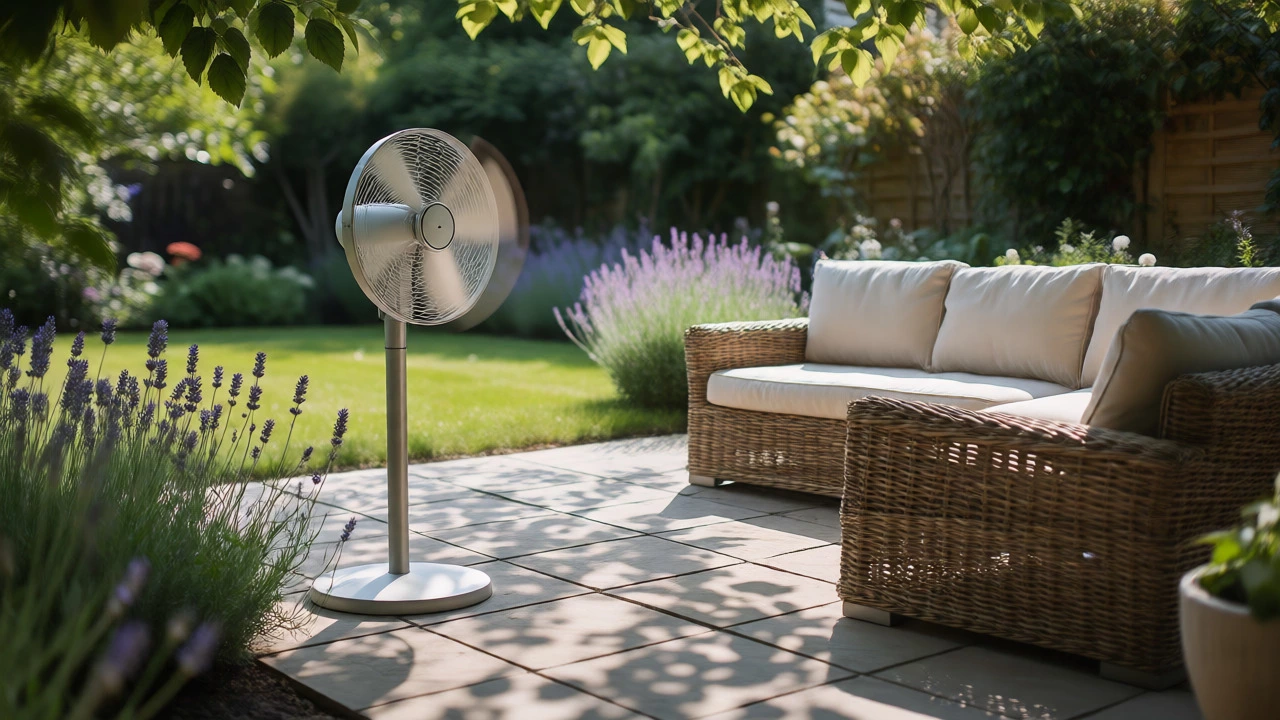
- Use Fans: Mosquitoes hate wind. Placing a small oscillating fan near your seating area disrupts their flight path so effectively that they often give up trying to land. It’s cheap, chemical-free, and keeps you cool.
- Store Cushions Indoors: Don't leave cushions outside overnight or during rain. Bring them inside or store them in a weatherproof box. This prevents moisture buildup and removes the scent trail.
- Regular Cleaning: Hose down your synthetic wicker weekly. For natural wicker, use a brush and mild soap, then let it air dry completely. Removing dust and organic debris eliminates resting spots.
- Plant Repellents Strategically: Plant lavender, citronella, or marigolds around the perimeter of your patio. While they won't create a force field, they add a layer of scent confusion for insects.
What About Other Materials?
If you're worried about wicker, consider alternatives. Metal furniture, such as aluminum or steel, offers zero hiding spots. The smooth surfaces reflect heat rather than absorbing it, and there are no crevices for bugs to rest in. Similarly, teak wood is naturally resistant to decay and insects due to its oils, making it a solid choice for tropical environments.
Plastic furniture is another option. It’s easy to wipe down and doesn't harbor scents. However, it can get uncomfortably hot in direct sunlight, which might deter you from sitting there in the afternoon, defeating the purpose of outdoor relaxation.
Ultimately, the best furniture is the one you maintain. A well-kept wicker set will attract fewer pests than a neglected metal one covered in bird droppings and algae.
Final Thoughts on Enjoying Your Outdoor Space
Your wicker furniture isn't betraying you. It’s simply part of the landscape. By understanding that mosquitoes are tracking you, not your chair, you can take proactive steps. Manage the microclimate, keep the area dry, and disrupt their flight with fans. With a little attention to detail, your outdoor sanctuary can remain both stylish and bite-free.
Do mosquitoes lay eggs in wicker furniture?
No, mosquitoes do not lay eggs in dry wicker. They require standing water to breed. However, if water gets trapped in the hollow stems of natural bamboo or rattan frames, it could theoretically become a breeding site, though this is rare compared to pots and buckets.
Is synthetic wicker better than natural wicker for preventing bugs?
Synthetic wicker is generally better for bug prevention because it doesn't absorb moisture or organic scents. Natural wicker can retain humidity and mold spores, which may attract various insects, although mosquitoes are primarily attracted to humans.
How do I clean wicker furniture to remove insect scents?
Mix warm water with a few drops of dish soap. Use a soft-bristled brush to scrub the weave, removing dirt and accumulated sweat residues. Rinse thoroughly with a hose and allow it to dry completely in the sun before using it again. Sunlight helps kill bacteria and evaporates trapped moisture.
Can I use essential oils on my wicker furniture to repel mosquitoes?
You can apply diluted essential oils like citronella or eucalyptus to cushions or nearby curtains, but avoid applying them directly to natural wicker as the oil might stain or degrade the finish. Synthetic wicker is more resistant, but always test a small hidden area first.
Does the color of my wicker furniture affect mosquito attraction?
Mosquitoes are visual hunters to some extent and are attracted to dark colors like black, navy, and red. Light-colored wicker or cushions may be slightly less visible to them, but scent and heat remain the primary drivers of attraction.