Sectional Size Calculator
Find Your Perfect Sectional Size
Enter your room dimensions to see what size sectional fits best. Ideal for apartments, open-plan spaces, and family living rooms.
Sectionals have been the go-to choice for living rooms for over a decade. Big, comfy, and built to fit families, they dominated real estate listings and Instagram feeds alike. But lately, you’ve heard whispers: sectionals are outdated. Are they really? Or is this just another design trend cycle playing tricks on us?
Why People Think Sectionals Are Out of Style
It’s easy to see why some think sectionals are fading. Social media is full of sleek, minimalist living rooms with two matching armchairs and a small loveseat. Clean lines. No corners. No bulky frames. These spaces look expensive, curated, and calm-exactly what people crave after years of cluttered, over-furnished homes. Pinterest and TikTok pushed the idea that smaller furniture = more sophisticated. Single chairs, modular units that can be rearranged, and even floor cushions are getting attention. Designers on YouTube call sectionals "the couch that won’t quit," implying they’re stuck in the 2010s. There’s also the space issue. Urban apartments are getting smaller. In Auckland, a lot of new builds have open-plan living areas under 20 square meters. A full L-shaped sectional can swallow half the room. People start to wonder: is it worth it?What Sectionals Actually Offer That Other Sofas Don’t
Let’s cut through the noise. Sectionals aren’t just big sofas-they’re functional systems. They’re designed for real life. Think about families. Kids spill juice. Dogs jump on the couch. Guests show up unexpectedly. A sectional gives you space for everyone without needing five different pieces. You can stretch out, nap sideways, or sit in a corner with a book while someone else watches TV. No one fights over the armrest. They also solve layout problems. In a rectangular room, a sectional naturally defines the seating zone. You don’t need to match chairs, buy a rug large enough to fit everything, or worry about balance. One piece does the job. Modern sectionals aren’t the chunky, overstuffed monsters from 2012. Today’s versions come low-profile, with clean arms, tapered legs, and hidden storage. Brands like IKEA, Article, and local makers in Wellington offer sectionals that look like they belong in a Scandinavian living room-not a 90s rec room.Real People, Real Living Rooms
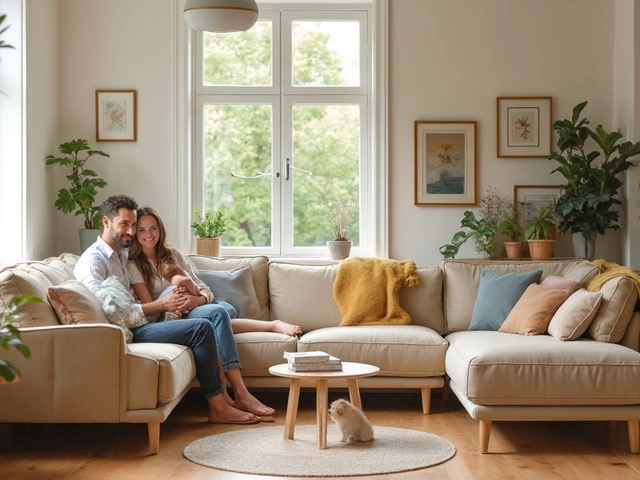
I’ve spent time in over 30 homes across Auckland in the last year-mostly new builds and renovated apartments. In 22 of them, the living room still had a sectional. Not because the owners didn’t know about trends, but because they tried something else and went back. One couple in Ponsonby swapped their two-seater sofa for a small sectional after their baby arrived. "We thought we’d go minimalist," they told me. "But we ended up spending 80% of our evenings on the couch. One seat wasn’t enough. Two chairs felt empty. The sectional made the space feel lived-in, not staged." Another family in Henderson bought a sectional with a chaise because their teenager refuses to sit anywhere but the corner. "It’s not about style," the dad said. "It’s about not having to beg him to join the family." These aren’t outliers. They’re the norm.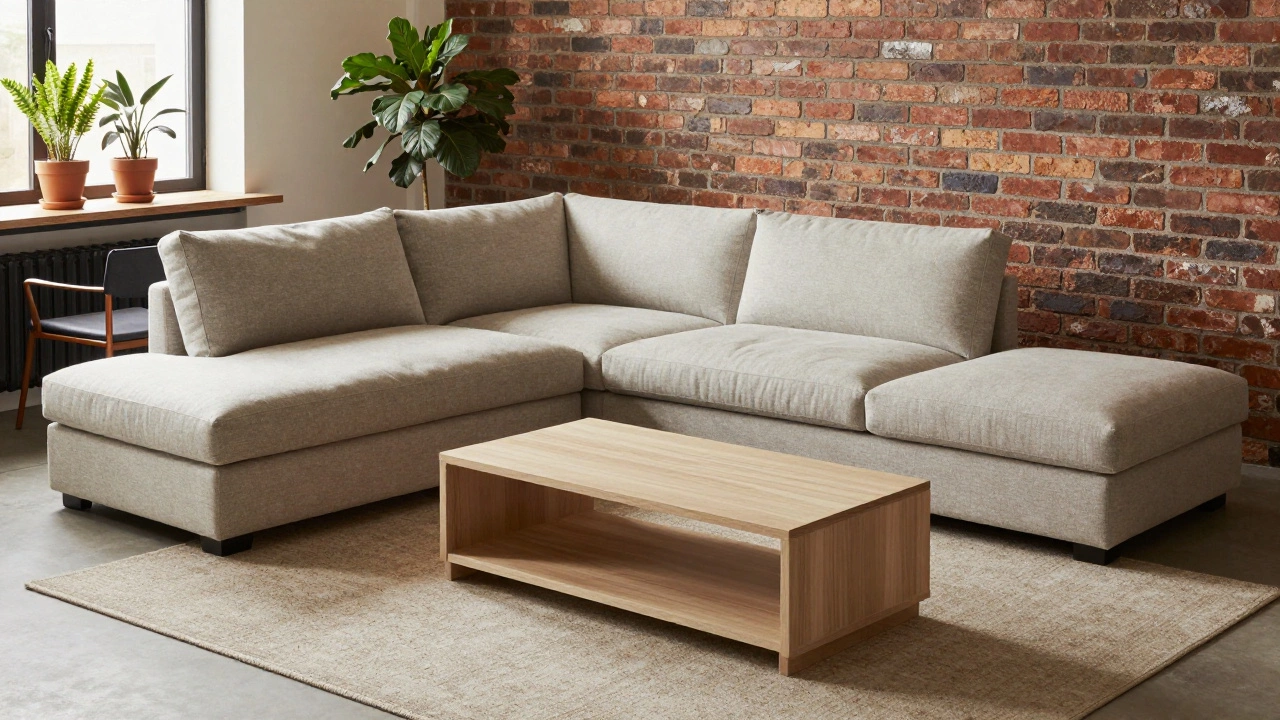
What’s Really Trending: Flexibility, Not Size
The real shift isn’t away from sectionals-it’s toward customizable seating. People still want comfort and space, but they want control. That’s why modular sectionals are growing faster than traditional ones. You can start with a three-seater and add a chaise later. Swap out cushions. Add a corner unit if your layout changes. Some brands even let you buy one piece at a time. In 2024, the best-selling sectional wasn’t the biggest. It was the one with detachable ottomans that could become extra seats or footrests. People aren’t rejecting sectionals-they’re demanding smarter versions.Sectionals vs. Alternatives: The Real Trade-Offs
Let’s compare what sectionals offer against popular alternatives:| Option | Space Efficiency | Comfort for Groups | Flexibility | Long-Term Value |
|---|---|---|---|---|
| Sectional | Low to Medium | High | High (modular) | High |
| Two Armchairs + Loveseat | High | Medium | Medium | Medium |
| Single Large Sofa | Medium | Low | Low | Medium |
| Modular Cube System | High | Medium | Very High | Medium |
| Floor Seating (Poufs, Cushions) | Very High | Low | Very High | Low |
Notice something? Sectionals score high on comfort and long-term value. They’re not the most space-efficient, but they’re the most reliable for daily use. If you have kids, pets, or frequent guests, that matters more than how "aesthetic" your couch looks in a photo.
When a Sectional Might Not Be Right
That said, they’re not perfect for everyone. If your living room is under 15 square meters and you never host more than two people, a sectional will feel overwhelming. In that case, a small loveseat or a single oversized sofa with a side chair works better. If you move often, a bulky sectional is a hassle. You’ll pay extra to move it, and it won’t fit in most rental apartments. Modular pieces or a sofa with a detachable chaise give you more flexibility. And if you’re chasing that "Instagram living room" look-minimal, neutral, perfectly arranged-then yes, a sectional might feel too heavy. But that’s a style preference, not a design flaw.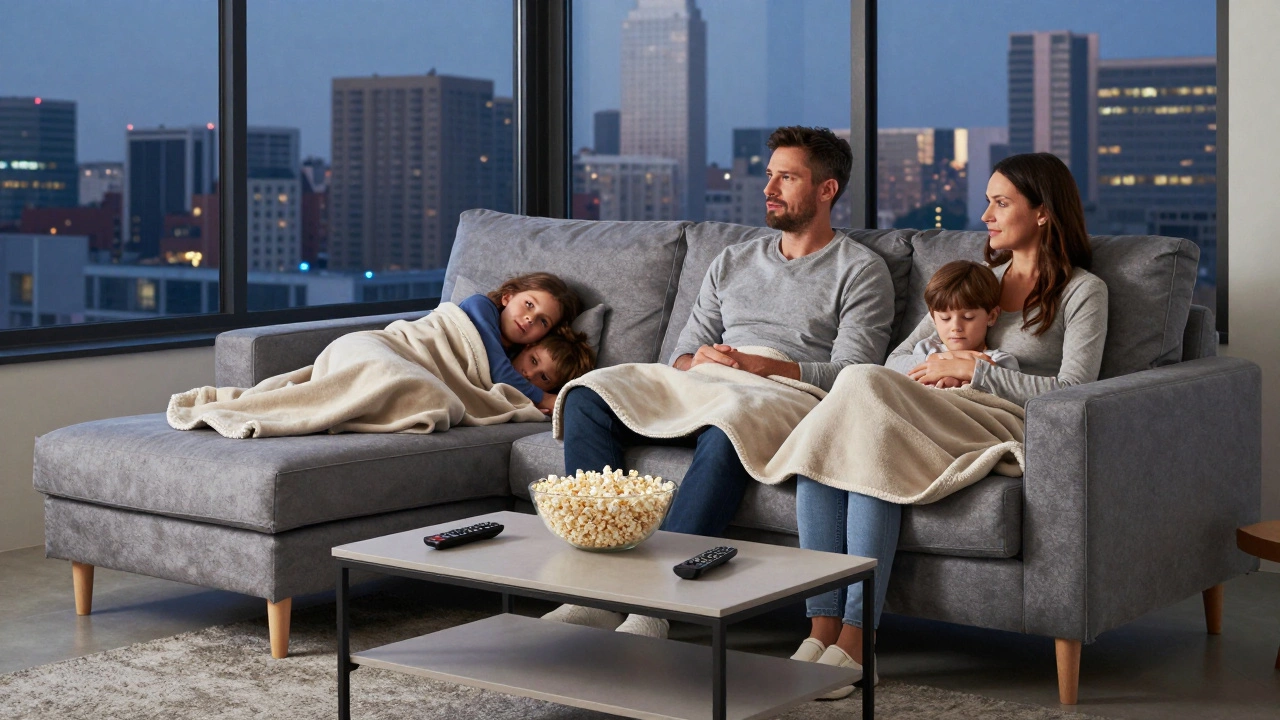
What to Look for in a Sectional Today
If you’re considering one, here’s what actually matters now:- Low profile - Avoid high backs and bulky arms. Look for designs with clean, flat lines.
- Modular pieces - Buy the base, then add components as needed. You can start small and grow.
- Removable covers - Stain-resistant fabric is a must. Look for performance fabrics like Crypton or Sunbrella.
- Hidden storage - Some sectionals now have lift-up ottomans or under-seat drawers. Great for blankets, toys, or remote controls.
- Leg style - Wooden or metal legs make it look lighter. Avoid boxy, upholstered feet.
Brands like Kowtow, The Joinery, and even local Kiwi makers on Etsy are offering sectionals that fit modern homes without looking like furniture from a 2013 catalog.
The Verdict: Sectionals Aren’t Out of Style-They’re Evolving
No, sectionals aren’t going away. They’re just getting smarter. The idea that they’re "out of style" comes from people who mistake trends for timeless design. Minimalism isn’t the enemy of comfort. It’s just one way to live. Sectionals have survived because they solve real problems: space, comfort, and practicality. If you need a couch that works for movie nights, homework sessions, naps, and surprise visitors, a well-chosen sectional is still the best tool for the job. Don’t buy one because it’s trendy. Buy one because it fits your life. That’s not outdated. That’s smart.Are sectionals still popular in New Zealand homes?
Yes, sectionals remain one of the most common sofa choices in New Zealand homes, especially in family households. Sales data from major retailers like Freedom and The Warehouse show modular sectionals have grown in popularity over the last two years, particularly in Auckland and Wellington. They’re favored for their comfort, adaptability, and ability to handle daily wear from kids and pets.
Can a sectional work in a small apartment?
Absolutely-if you choose the right one. Look for compact L-shapes, low-back designs, or sectionals with a chaise that can double as a footrest. Some models are under 2.2 meters wide and still seat three comfortably. Avoid oversized units with deep seats. Measuring your space and testing layouts with tape on the floor helps avoid mistakes.
What’s the difference between a sectional and a sofa set?
A sectional is one continuous unit, usually with connected pieces that form an L, U, or curved shape. A sofa set is multiple separate pieces-like a three-seater and two chairs-that are meant to go together but can be moved apart. Sectionals offer better flow and stability; sofa sets offer more flexibility in placement and easier moving.
Do sectionals hold their value over time?
Good sectionals made with solid frames and quality fabric last 10-15 years with normal use. That’s longer than most standalone sofas. While they don’t "appreciate" in value, they’re less likely to need replacing quickly. Cheaper sectionals with particle board frames or thin cushions may sag in 3-5 years, so material matters more than brand.
Are sectionals hard to move?
Yes, especially full L-shapes or U-shapes. They’re heavy and awkward to carry through doors or around corners. Many modern sectionals are designed in pieces that snap together, making them easier to move. If you rent or plan to move soon, choose a modular system that can be disassembled without tools.
What fabric is best for sectionals in homes with pets or kids?
Performance fabrics like Crypton, Sunbrella, or Revolution are top choices. They’re stain-resistant, easy to wipe clean, and don’t pill or fade quickly. Avoid velvet, linen, or light-colored cotton if you have pets or young children. Darker tones (charcoal, navy, olive) hide dirt better and still look modern.