Outdoor Furniture Winter Survival Calculator
Not sure if you should bring your patio set inside? Select your furniture type and local climate conditions to get a personalized survival rating and maintenance advice.
1. Your Furniture Type
2. Your Climate Conditions
Verdict
Risk LevelRecommended Action
Key Maintenance Tip
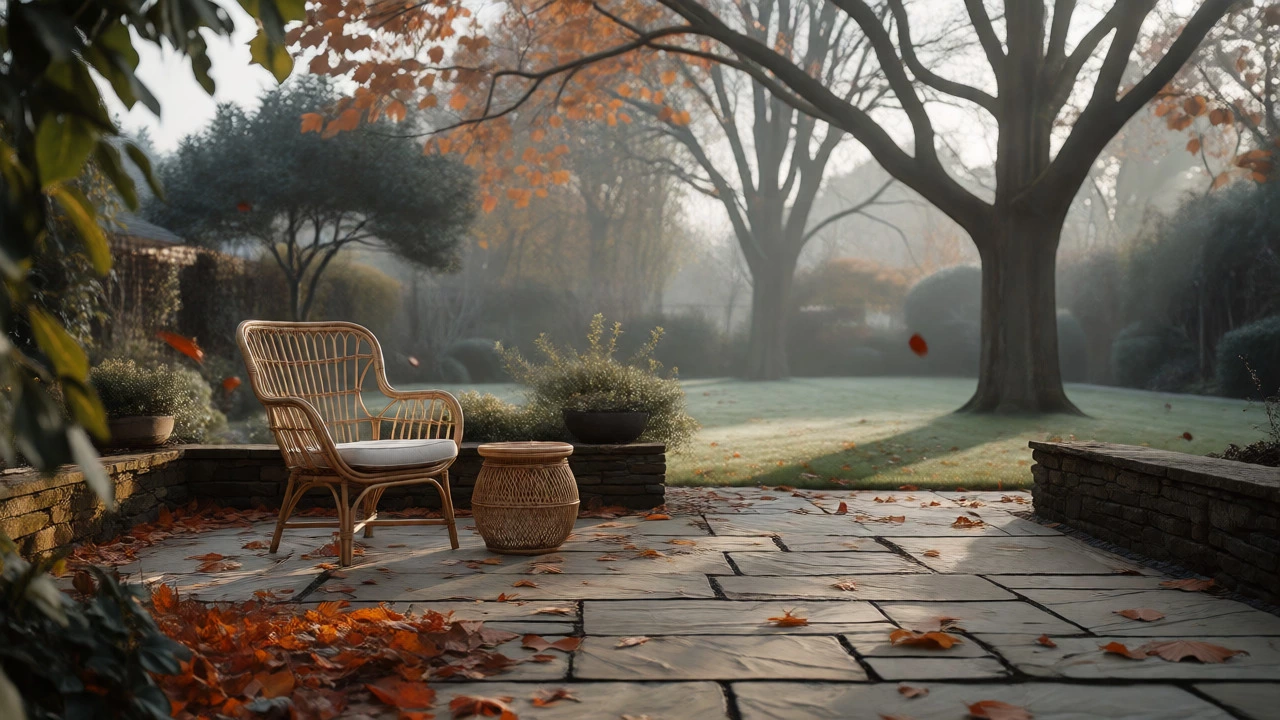
You just bought a beautiful set of rattan chairs. They look stunning on the patio. But as autumn approaches and the first frost threatens to bite, a nagging question hits you: can you leave outdoor furniture outside all year? The short answer is "it depends," but the long answer involves material science, local climate realities, and a bit of honest assessment about how much hassle you want to deal with in January.
Most people buy garden furniture assuming it’s built for the elements. And technically, yes, it is designed for them. But "designed for" doesn't always mean "indestructible." If you live in a mild coastal area, your teak table might survive a decade outdoors without complaint. If you’re in a region with harsh winters, that same table could crack or mold if left uncovered. This guide breaks down exactly what survives, what suffers, and what strategies save you money and headaches.
The Reality Check: Climate vs. Material
Before we talk about specific materials, let’s talk about where you live. Your zip code dictates more than just your heating bill; it determines the lifespan of your patio set. In regions like the Pacific Northwest or the UK, constant dampness and moderate temperatures create a perfect storm for mold and rot. In contrast, arid climates like Arizona or parts of Australia pose little threat to structural integrity but can bleach fabrics and dry out wood until it splinters.
If you experience freezing temperatures, water expansion becomes your enemy. Water gets into microscopic cracks in wood or metal joints, freezes, expands, and widens those cracks. Repeat this freeze-thaw cycle fifty times over winter, and your sturdy oak bench becomes fragile. So, ask yourself: Do I get hard freezes? Do I get heavy snow loads? Is my humidity consistently above 60%? If you answered yes to any of these, leaving everything out unprotected is a risky gamble.
Which Materials Actually Survive the Winter?
Not all furniture is created equal. Some materials are practically immortal when exposed to the elements, while others will disintegrate within two seasons if neglected. Here is the breakdown of the most common materials found in modern gardens.
| Material | Weather Resistance | Maintenance Required | Winter Survival Rating |
|---|---|---|---|
| Teak | High (Natural oils) | Low (Occasional cleaning) | Excellent |
| Aluminum | Very High (Non-corrosive) | Minimal | Excellent |
| Wrought Iron | Moderate (Prone to rust) | High (Rust treatment) | Poor to Fair |
| Resin Wicker | High (Synthetic) | Low (Hose down) | Good |
| Plastic/Polywood | High (UV resistant) | None | Excellent |
| Cedar/Pine | Moderate (Needs sealing) | Medium (Re-sealing) | Fair |
Teak and Aluminum: The Gold Standards
Teak is often called the king of outdoor woods. Why? Because it contains natural oils and rubber that repel water and resist insects. Unlike pine or cedar, which need annual staining to survive rain, teak handles moisture gracefully. It might turn a silvery-gray color if you don’t oil it, but structurally, it remains solid. You can leave high-quality teak outside through sleet and snow without covering it, provided it has proper drainage legs so it isn’t sitting in a puddle.
Aluminum is another winner. It does not rust. That’s the key difference between aluminum and steel. While wrought iron looks elegant, it is essentially steel that will oxidize when exposed to oxygen and water. Aluminum frames, especially those with powder-coated finishes, laugh at rain. Just ensure the coating isn’t chipped, because even aluminum can pit if the protective layer fails.
The Problem Children: Iron and Untreated Wood
Wrought iron is beautiful, but it is high-maintenance. If the paint chips-even slightly-moisture reaches the metal, and rust begins. In wet climates, this happens fast. Once rust starts, it spreads under the paint, bubbling it up. If you leave iron furniture out all year in a rainy climate, expect to spend your spring scrubbing orange stains off your patio stones.
Softwoods like pine or untreated cedar are porous. They absorb water like a sponge. When that water freezes inside the wood fibers, the wood splits. You can mitigate this by applying a high-quality sealant every year, but honestly, if you aren’t willing to re-stain your furniture annually, don’t leave softwood sets outside during winter.
The Fabric Factor: Cushions Are Not Weatherproof
Here is a trap many homeowners fall into: they assume because the frame is weather-resistant, the cushions are too. They are rarely both. Even high-end "water-resistant" fabrics like Sunbrella or Olefin are not waterproof. They are designed to shed light rain, not withstand weeks of saturation followed by freezing temperatures.
If you leave cushions outside all year, three things happen:
- Mold and Mildew: Damp foam takes forever to dry. If it stays damp overnight repeatedly, black mold spots appear. These are nearly impossible to remove completely.
- Foam Degradation: Repeated freezing and thawing breaks down the cellular structure of the foam. Your plush seat becomes lumpy and flat within two winters.
- Color Fading: UV rays break down dyes. While summer sun fades colors, winter exposure combined with grime accelerates the process.
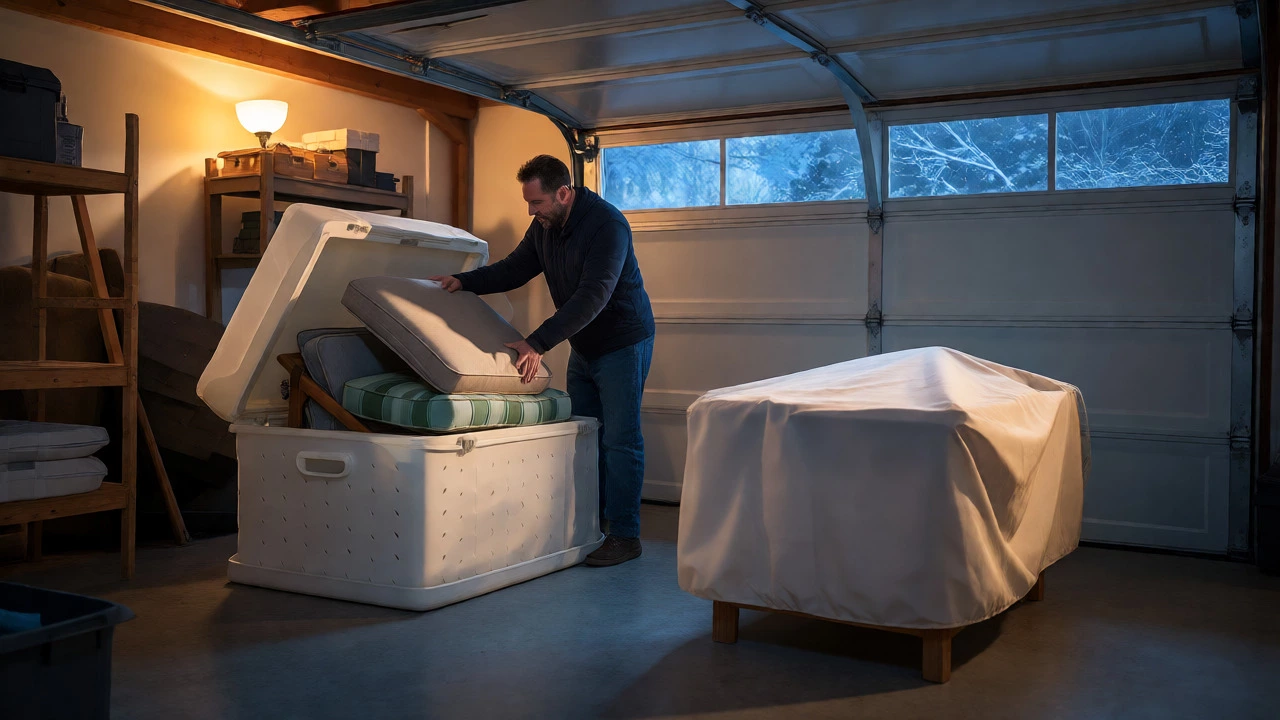
The rule of thumb is simple: store cushions indoors or in a waterproof box whenever they won’t be used for more than 48 hours. If you absolutely must leave them out, use breathable, vented covers. Plastic tarps trap condensation, creating a greenhouse effect that breeds bacteria.

Strategies for Leaving Furniture Out
If you don’t have garage space or hate hauling heavy tables inside, you can still leave most furniture out. But you need a strategy. Randomly throwing a tarp over a chair isn’t enough.
Elevate and Drain
Water is the primary destroyer of outdoor assets. Ensure your furniture never sits directly on wet grass or concrete slabs where puddles form. Use plastic feet caps or raise the furniture on bricks or specialized risers. This allows air to circulate underneath, preventing rot and rust from below. If you have a wooden deck, check the gaps between boards. If they clog with leaves, water pools underneath your table legs. Clean those gaps before winter sets in.
Use Breathable Covers
Forget the cheap blue plastic sheets sold at hardware stores for $10. They tear easily and, worse, they don’t breathe. Trapped moisture leads to mold. Invest in covers made from polyester or vinyl specifically designed for outdoor furniture. Look for features like:
- Vents to allow airflow.
- Heavy-duty zippers that stay closed in wind.
- Straps or buckles to secure the cover against gusts.
A good cover protects against UV rays, bird droppings, and tree sap, which can stain and degrade finishes over time.
Disassemble What You Can
Large dining tables are hard to move. But umbrellas? Chairs? Side tables? These are manageable. Take an hour in late October to take apart the easy stuff. Store the umbrella base separately so it doesn’t crack from ice expansion. Stack chairs vertically to reduce their footprint and prevent water from pooling on the seats. This small effort extends the life of smaller pieces significantly compared to leaving them fully assembled.
When You Absolutely Must Store Inside
There are scenarios where no amount of covering helps. If you live in areas with extreme temperature swings (like Chicago or New York), the stress on materials is immense. Thermal expansion and contraction can loosen joints in wicker or crack painted surfaces. Additionally, if you have valuable vintage ironwork or intricate resin designs, the risk of damage outweighs the convenience.
Also, consider theft and wildlife. In some neighborhoods, leaving premium furniture unattended all winter invites curiosity from neighbors or pests like squirrels nesting in cushion crevices. If you’ve invested over $500 in a set, storing it in a shed, basement, or covered porch is often cheaper than replacing broken parts in spring.
Spring Recovery: Assessing the Damage
It’s April. You pull the cover off. Now what? Don’t just sit down. Inspect carefully.
Check for rust spots on metal frames. Light surface rust can be sanded and touched up with matching spray paint. Deep pitting requires professional refinishing or replacement. For wood, look for gray fuzziness-that’s mold. Scrub it with a mixture of warm water, mild soap, and white vinegar. Rinse thoroughly. If the wood feels soft or spongy, rot has set in, and that piece may be beyond saving.
For fabric, check for mildew smells. Wash removable covers according to manufacturer instructions. If the foam itself smells sour, it’s likely compromised. Sometimes, airing them out in direct sunlight for a few days helps, but persistent odors usually mean replacement is necessary.
Final Verdict
So, can you leave outdoor furniture outside all year? Yes, but only if you choose the right materials and accept some wear and tear. Teak, aluminum, and synthetic resins are your best bets for low-maintenance longevity. Iron and softwoods demand respect-or storage. And regardless of the frame, treat your cushions as indoor-outdoor items, not permanent fixtures.
Your patio should be a place of relaxation, not a source of anxiety. By understanding the limits of your materials and adapting to your local climate, you can enjoy your garden space year-round without sacrificing the quality of your investment.
Does rain ruin outdoor furniture?
Rain alone rarely ruins high-quality outdoor furniture immediately, but prolonged exposure without drying time causes issues. Water trapped in joints leads to rust in metals and rot in woods. Constant moisture also promotes mold growth on fabrics and organic materials. Proper drainage and breathable covers mitigate this risk significantly.
Can I leave rattan furniture outside in winter?
It depends on the type. Natural rattan absorbs moisture and can become brittle or moldy in cold, wet conditions; it should be stored indoors. Synthetic resin wicker, however, is highly durable and can typically stay outside all year, provided it is kept clean and free from debris that holds moisture.
How do I protect my outdoor furniture from snow?
The best protection is physical removal to a dry, heated space. If that’s not possible, use a tight-fitting, breathable cover secured with straps to prevent wind from lifting it. Ensure the furniture is elevated off the ground to prevent melting snow from refreezing around the legs. Avoid using non-breathable plastic tarps as they trap condensation.
Is teak furniture truly maintenance-free?
Teak is low-maintenance, not maintenance-free. Without oiling, it will weather to a silver-gray patina, which is aesthetically pleasing to many and structurally sound. However, if you prefer the golden-brown color, you must apply teak oil annually. Regardless of finish, it should be cleaned periodically to remove dirt and pollen.
What is the best way to store outdoor cushions?
Store cushions in a cool, dry place such as a garage, basement, or dedicated outdoor storage box. Ensure they are completely dry before storing to prevent mold. If using a storage box, choose one that is waterproof but has ventilation holes to allow air circulation. Keep them off the floor to avoid potential flooding or pest access.