Office Chair Lifespan Estimator
Budget
Expected Lifespan: 0 years
Note: Common failure points vary by tier.
You just bought a premium ergonomic chair for $800. It feels like sitting on a cloud. Three years later, the lumbar support is sagging, the armrests wobble, and the mesh back has started to fray. Did you buy a lemon? Or did you expect too much?
The truth is, office chair lifespan isn't a single number. It’s a variable equation based on build quality, usage intensity, and maintenance. While cheap gas-station chairs might die in 12 months, high-end models can serve you faithfully for a decade. But how do you know if your current seat is nearing its end or just needs a tune-up?
The Real Numbers: Expected Lifespan by Tier
Let’s cut through the marketing fluff. Most manufacturers don’t advertise "lifespan" because it varies wildly. Instead, they offer warranties. That warranty period is often a conservative estimate of the chair's expected life under normal use.
If you are buying a budget chair (under $150), expect it to last about 1-3 years. These usually feature particleboard bases, low-density foam that compresses quickly, and basic mechanisms that lack durability. You’re paying for temporary comfort, not long-term investment.
Mid-range chairs ($150-$400) typically last 3-5 years. Brands like Staples or IKEA fall here. They use better materials but still compromise on adjustment mechanisms and heavy-duty components. If you sit for 8 hours a day, these will show wear around year three.
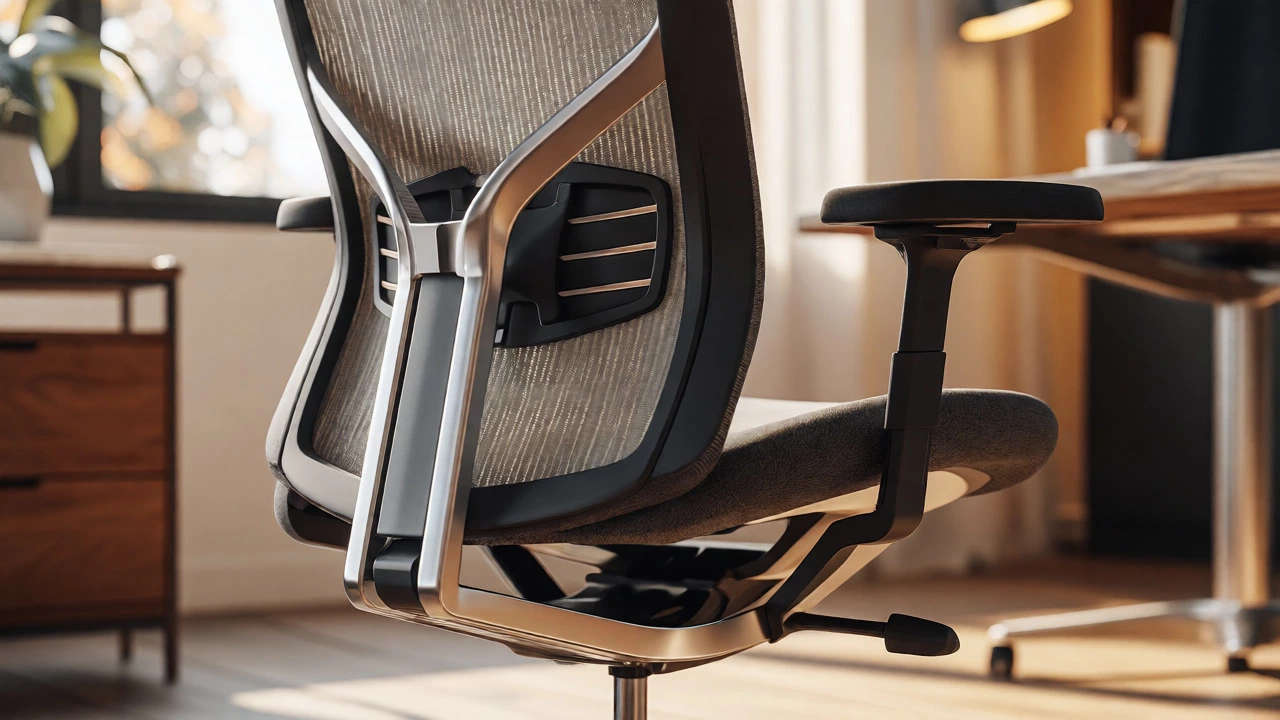
Premium ergonomic chairs ($400+) from brands like Herman Miller, Steelcase, or Haworth are built differently. Their frames are often aluminum or reinforced polymer. The mechanisms are rated for hundreds of thousands of cycles. With proper care, these chairs should last 7-10 years easily. Some users report 15+ years with part replacements.
| Price Tier | Typical Lifespan | Common Failure Points | Warranty Length |
|---|---|---|---|
| Budget (<$150) | 1-3 Years | Foam collapse, wheel breakage, loose screws | 1 Year |
| Mid-Range ($150-$400) | 3-5 Years | Mechanism failure, fabric tearing, armrest looseness | 2-5 Years |
| Premium ($400+) | 7-10+ Years | Gas cylinder leak, minor upholstery wear | 10-12 Years |
Why Do Chairs Die Early? The Hidden Killers
It’s rarely the chair itself that fails first. It’s usually how you treat it. Several factors accelerate degradation significantly more than others.
Weight capacity abuse is the number one silent killer. Every chair has a maximum weight rating. Exceeding it stresses the gas lift cylinder and the base joints. If you weigh 250 lbs and sit in a chair rated for 220 lbs, you aren't just uncomfortable; you're mechanically overloading the components. This leads to premature sinking or sudden collapse.
Continuous adjustment also wears out mechanisms faster. If you constantly tilt, recline, and adjust height multiple times an hour, you are running through the cycle count of the internal springs and levers. High-quality mechanisms are rated for 100,000+ cycles. Cheap ones might only handle 10,000. Doing this daily adds up fast.
Then there’s environmental damage. Direct sunlight fades fabric and makes plastic brittle. Spilled coffee seeps into foam, creating mold and odors that no amount of cleaning fixes. Pet claws shred mesh backs instantly. These external factors often kill a chair before its mechanical parts fail.
Signs Your Chair Is Nearing Its End
How do you know when to replace versus repair? Look for these specific symptoms. Don’t ignore them-they affect your posture and health.
- Sinking Seat: If the seat height drops while you are sitting, the gas cylinder is leaking. This is common in mid-range chairs after 3-4 years. It’s annoying and potentially dangerous if it happens suddenly.
- Lumbar Support Failure: If the lower back cushion flattens completely or detaches, you’ve lost critical spinal support. Replacing the whole chair is often cheaper than fixing this on budget models.
- Wobbly Base: Check the five-star base. If one leg is cracked or the casters (wheels) are grinding, stability is compromised. A wobbling chair causes micro-adjustments in your core muscles, leading to fatigue.
- Mesh Sagging: On modern mesh chairs, sagging indicates stretched fibers. Once mesh loses tension, it cannot provide even support. You’ll feel pressure points on your thighs and spine.
- Noisy Mechanisms: Squeaking or clicking sounds from the recline mechanism indicate worn bearings or dry lubricants. While sometimes fixable, persistent noise often signals structural metal fatigue.
Can You Extend the Life of Your Office Chair?
Yes, absolutely. Maintenance extends lifespan by 20-30% on average. You don’t need a toolbox to start.
Tighten the bolts. Vibration from moving around loosens screws over time. Check the armrests, backrest connections, and base every six months. Use the Allen key provided during assembly. Loose joints cause uneven stress distribution, breaking parts faster.
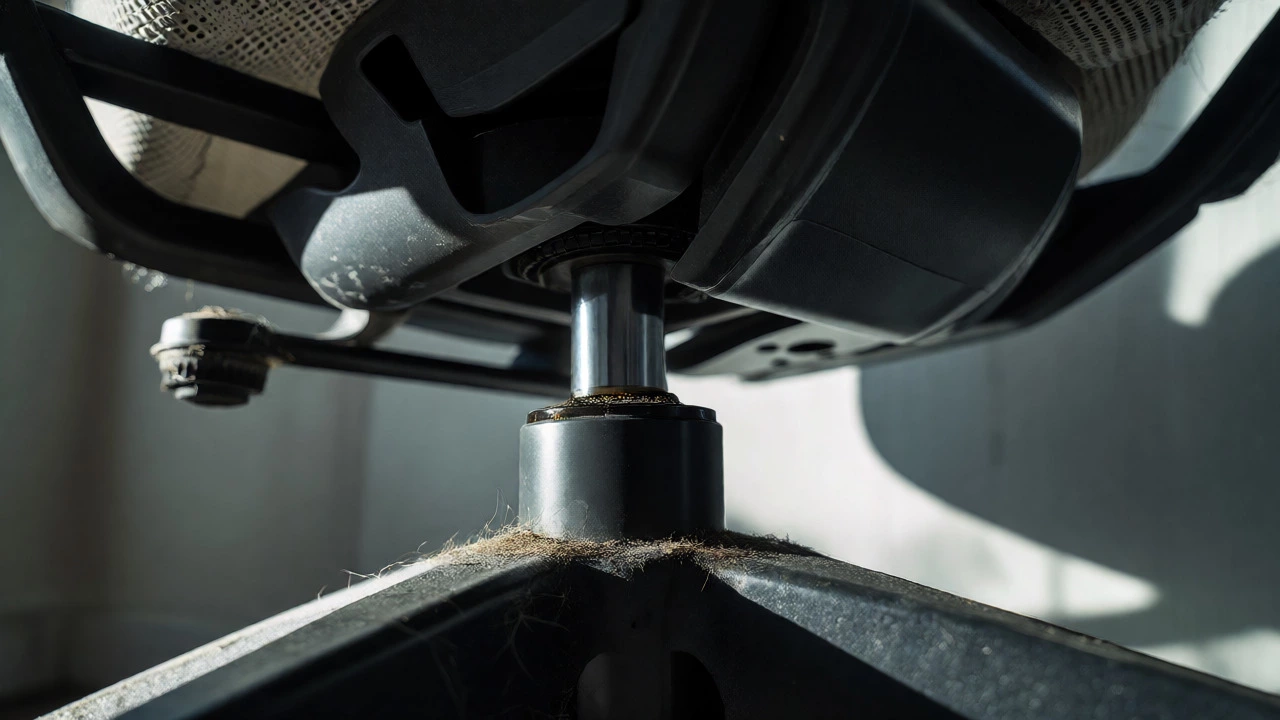
Clean the wheels. Hair and dust wrap around caster axles, causing them to stop rolling or drag. Pull off the wheels occasionally and cut away tangled debris. Smooth-rolling wheels reduce strain on the base mechanism when you push yourself back.
Rotate the load. If you always lean to one side, the mechanism wears unevenly. Try to sit centered. Also, avoid using the armrests as primary support for standing up. Push off from your desk or knees instead. Armrests are designed for resting elbows, not lifting body weight.
Protect the upholstery. Use a blanket or chair cover if you have pets. Vacuum fabric monthly to remove grit that acts like sandpaper on fibers. For leather, condition it twice a year to prevent cracking.
Repair vs. Replace: The Decision Matrix
When something breaks, should you fix it or buy new? It depends on the cost of the part versus the remaining value of the chair.
For gas cylinders, replacement is easy and cheap ($20-$40). Any handy person can swap this in 10 minutes. If everything else works fine, replace the cylinder. Don’t throw away a good chair for a bad lift.
For casters, replacement is trivial ($10-$20). Upgrade to rubberized wheels for better floor protection and smoother movement. This is almost always worth doing.
For seat pans, it gets tricky. If the foam is collapsed, you can buy aftermarket cushions. However, if the frame is bent or the mechanism is broken, repairs often exceed $100. Unless it’s a high-end brand with proprietary parts, it’s usually smarter to replace the chair.
For upholstery tears, reupholstering costs $150-$300. Only consider this for designer chairs with sentimental or aesthetic value. For standard office chairs, the labor cost outweighs the benefit.
What About Warranty Claims?
Most people forget their warranty until it’s too late. Keep your receipt. Most reputable brands offer 5-12 year warranties covering manufacturing defects. Note that warranties rarely cover "normal wear and tear" like fabric fading or foam compression. They cover broken mechanisms, cracked frames, and failed cylinders.
If your chair fails within the warranty period, contact customer service immediately. Take photos of the defect. Many companies will send replacement parts rather than requiring you to ship the entire chair back. This saves time and shipping fees.
Be aware that some warranties require proof of regular maintenance. If you abused the chair (e.g., exceeded weight limit), they may deny the claim. Read the fine print before assuming coverage.
The Health Cost of an Old Chair
Ignoring a dying chair costs more than money. It costs your back health. An unsupportive chair forces poor posture. You slouch, hunch, or twist to compensate for lost support. Over time, this leads to chronic pain, sciatica, and reduced productivity.
Ergonomic experts recommend replacing a chair once it no longer maintains neutral spine alignment. If you find yourself constantly adjusting to get comfortable, or if you experience lower back pain after two hours of sitting, your chair is failing you functionally, even if it hasn’t physically broken yet.
Investing in a durable chair pays dividends in health. A $600 chair lasting 10 years costs $60/year. A $100 chair lasting 2 years costs $50/year but comes with potential medical bills and discomfort. The math favors quality.
Frequently Asked Questions
How long does a Herman Miller chair last?
Herman Miller chairs are engineered for longevity and typically last 10 to 15 years with regular use. The company offers a 12-year limited warranty, which reflects their confidence in the durability of the Aeron, Embody, and Sayl models. Key components like the gas lift and tilt mechanism are designed for heavy-duty commercial use.
Is it worth repairing an old office chair?
It depends on the problem. Replacing a gas cylinder or casters is usually worth it because parts are inexpensive and installation is simple. However, if the seat foam is collapsed or the main mechanism is broken, repair costs often approach the price of a new mid-range chair. In those cases, replacement is usually more economical.
How many hours per day can I sit in an office chair?
There is no strict limit, but most ergonomists recommend taking a break every 30 to 60 minutes. Even the best chair becomes harmful if used statically for 8+ hours without movement. To extend chair life, avoid leaning heavily on armrests when standing up, as this puts excessive stress on the adjustment mechanisms.
Do expensive chairs really last longer?
Yes, primarily due to material quality and engineering standards. Expensive chairs use aluminum frames, high-density cold-cure foam, and mechanisms tested for hundreds of thousands of cycles. Budget chairs often use plastic frames and polyurethane foam that degrades quickly under constant pressure. The initial cost difference amortizes over the extended lifespan.
What kills an office chair fastest?
Exceeding the weight limit and using armrests to push yourself up are the fastest ways to destroy a chair. Both actions place extreme shear force on joints not designed for such loads. Additionally, direct sunlight exposure rapidly degrades plastics and fabrics, making them brittle and prone to cracking.