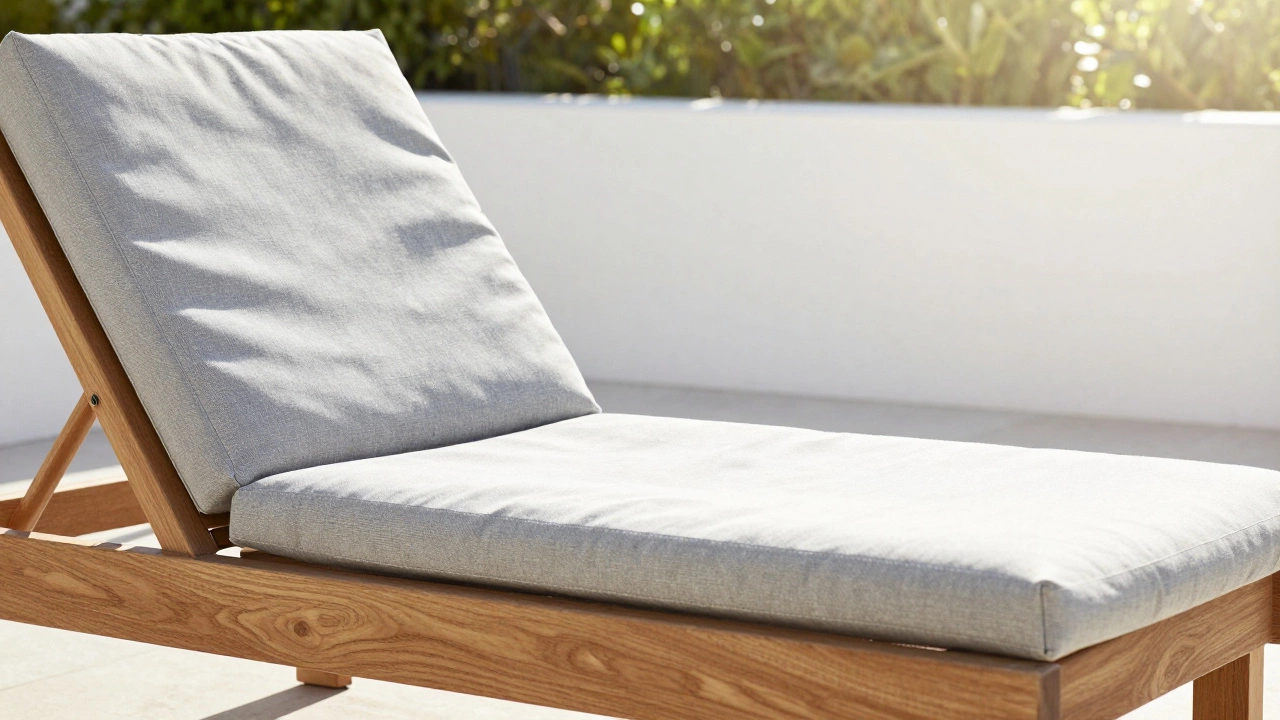
Outdoor Furniture Mold Risk Assessment
Select the characteristics of your furniture set to analyze your mold risk level and get a customized care plan.
Your Risk Profile:
Immediate Warnings
Recommended Care Plan
Quick Wins for a Mold-Free Patio
- Airflow is everything: Never push furniture flat against a wall; leave a 2-inch gap.
- Dry before storing: Never put a wet cover on damp furniture.
- Seal the surface: Use a high-quality sealant on wood and metal every 2 years.
- Fabric guards: Treat cushions with a hydrophobic spray every spring.
Choosing Materials That Fight Back
Not all materials are created equal when it comes to moisture. If you're still in the buying phase or planning an upgrade, you want stuff that doesn't provide a feast for fungi. Teak is a dense hardwood from the Tectona grandis tree known for its high natural oil content. Because it's so oily, water just beads off, making it naturally resistant to rot. On the flip side, softwoods like pine are basically sponges for mold unless they are heavily chemically treated.
Then there's the fabric. If you see "outdoor fabric," check the label for Solution-Dyed Acrylic, which is a fabric where the color is integrated into the fiber itself rather than coated on top. This material is far less likely to hold onto moisture than cheap polyester. If you have a choice, go for Olefin, a synthetic polymer that is naturally hydrophobic and resists mildew better than almost any other textile.
| Material | Resistance Level | Key Weakness | Maintenance Cycle |
|---|---|---|---|
| Teak Wood | Very High | Turns grey without oiling | Annual cleaning |
| Powder-Coated Aluminum | High | Chips can rust/mold | Seasonal wipe-down |
| Wicker (Synthetic) | Medium | Traps dirt in weaves | Quarterly scrubbing |
| Polyester Fabric | Low | Absorbs water deeply | Monthly treating |
The Science of Strategic Placement
Where you put your furniture is just as important as what it's made of. Mold loves "dead air"-those pockets where wind can't reach and moisture just sits. If you tuck your sofa into a corner under a heavy porch, you've essentially built a humid incubator. To prevent mold and mildew, you need to maximize the wind's ability to dry your furniture after a rainstorm.
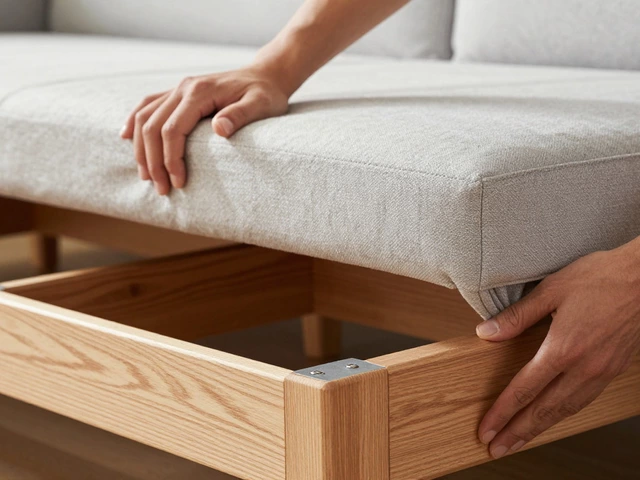
Try tilting your chairs slightly or using furniture risers. Even a tiny gap between the bottom of the cushion and the frame allows air to circulate. If you live in a particularly damp climate, like coastal areas, avoid placing your furniture directly on grass. The soil releases moisture upward throughout the night, which seeps into the legs of your chairs and works its way up the frame. Use a patio rug made of Polypropylene, which is a plastic-based weave that prevents ground moisture from touching the furniture legs.
Mastering the Art of Storage
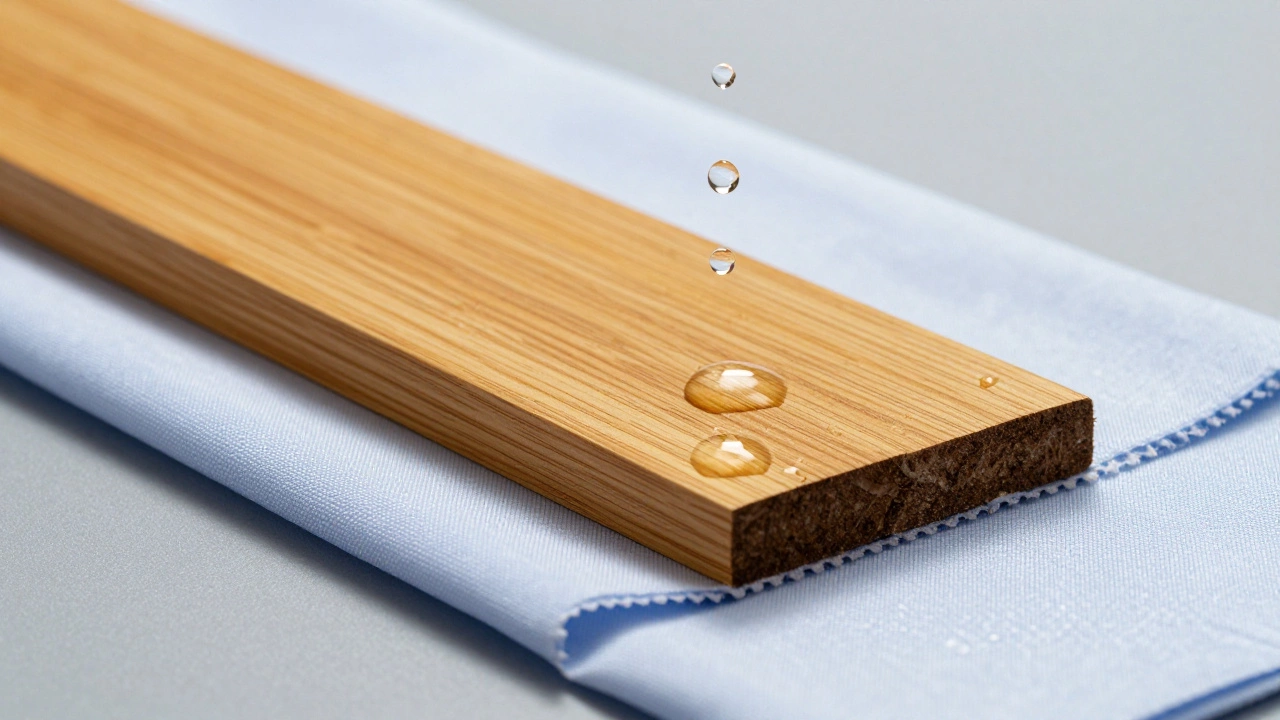
Most people make the mistake of covering their furniture the second the first cold snap hits. But here is the trap: if you put a waterproof cover over a slightly damp chair, you've just created a steam room. The moisture is trapped inside, and since there's no sunlight or wind to dry it, mold blooms overnight.
The golden rule is to wait for a full 48 hours of dry weather before applying covers. If you're using Breathable Covers-usually made from treated polyester with vents-you have a bit more leeway. These covers allow water vapor to escape while keeping rain out. For cushions, the best move isn't a cover at all, but a dedicated indoor storage box or a dry garage. If you must leave them out, store them vertically rather than stacking them, which prevents moisture from being trapped between layers.
Proactive Cleaning and Shielding
Cleaning isn't just about removing dirt; it's about removing the food source. Mold feeds on pollen, dust, and skin cells that accumulate on your furniture. A simple monthly wipe-down with a mixture of mild dish soap and water removes these organic particles, leaving the mold with nothing to eat.
For an extra layer of defense, apply a Fabric Protector. These are chemical shields-often containing silicones or fluoropolymers-that create a microscopic barrier on the fabric. Instead of the water soaking into the fibers, it beads up and rolls off. When applying these, don't just spray the top; hit the undersides and the seams where moisture likes to hide. If you're dealing with wood, a high-quality UV-Resistant Sealant prevents the wood from cracking, which closes the tiny gaps where fungal spores typically take root.
What to Do When Prevention Fails
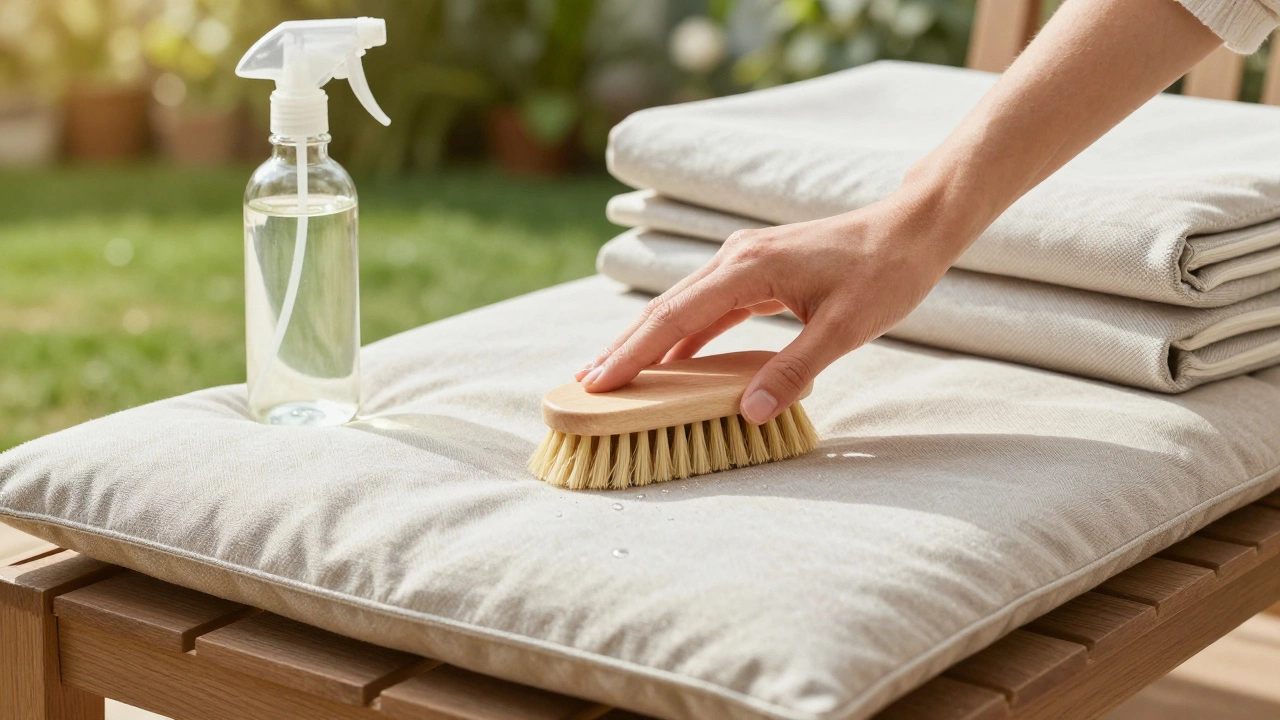
Despite your best efforts, a particularly wet month might still leave you with a few spots of mildew. The mistake most people make is reaching for bleach. While bleach kills mold, it can destroy the fibers of your fabric and strip the natural oils from teak, leaving it vulnerable to more mold in the future.
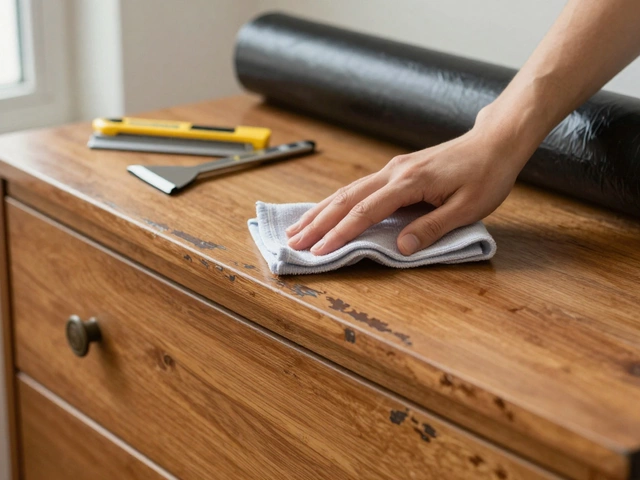
Instead, use a mixture of white vinegar and water. Vinegar is mildly acidic, which disrupts the mold's cell membranes without eating away at the material. Spray the area, let it sit for 15 minutes, and scrub gently with a soft brush. For stubborn spots on hard surfaces, a paste of baking soda and water works wonders. Once the area is clean, the most important step is the dry-out. Use a hairdryer on a cool setting or leave the piece in direct sunlight for several hours to ensure every microscopic spore is dehydrated.
How often should I treat my outdoor cushions with fabric protector?
In most climates, once a year is sufficient. The best time to do this is early spring before the rainy season hits. If you live in a very high-humidity area or use your furniture daily, you might need to re-apply every six months. You'll know it's time for a new coat when water stops beading on the surface and starts soaking in.
Can I use a pressure washer to remove mold from garden furniture?
Be extremely careful. While a pressure washer is great for concrete, it can shred outdoor fabrics and gouge softwoods like cedar or pine. If you use one on aluminum or synthetic wicker, keep the pressure low and maintain a distance of at least 12 inches. For fabric, never use a pressure washer; stick to a soft brush and vinegar solution.
Does white vinegar actually kill mold spores, or just clean the surface?
Vinegar is highly effective at killing about 82% of mold species. Unlike bleach, which often only kills the surface mold while leaving the roots intact in porous materials, the acetic acid in vinegar penetrates deeper into the material to neutralize the spores. It is the safest and most effective long-term solution for furniture.
Are "weather-resistant" cushions actually mold-proof?
No such thing as "mold-proof" exists, only "mold-resistant." Weather-resistant cushions use materials like Olefin or Acrylic that don't absorb water, making it harder for mold to grow. However, mold can still grow on the dirt and organic debris that settles on top of the fabric. Regular cleaning is still required.
What is the best way to dry furniture after a heavy storm?
The fastest way is to move the pieces into direct sunlight and use a microfiber cloth to wipe away standing water. If the cushions are soaked, stand them on their edges (vertical) so water can drain out of the seams. Avoid using high heat from a dryer, as this can shrink the fabric or damage the internal foam.
Next Steps for Furniture Longevity
If you're just starting your maintenance routine, start by auditing your current setup. Check for any areas where furniture is touching walls or sitting on damp soil. Once you've cleared the airflow, spend a weekend treating your fabrics and sealing any exposed wood. If you find that your current furniture is simply too porous to save, consider transitioning to high-density polyethylene (HDPE) furniture, which is essentially a heavy-duty plastic that is completely impervious to mold.