Corner Couch Space Calculator
Calculate Your Room Fit
Answer these questions to see if a corner couch works in your space. Based on New Zealand living room standards from the article.
If you’re staring at a big empty corner in your living room and wondering whether a corner couch is the answer-or just a giant, expensive mistake-you’re not alone. I’ve seen too many people buy one on impulse, only to regret it six months later when they realize they can’t walk around it, their dog hates it, or the thing just doesn’t fit the way they thought it would. So, are corner couches worth it? Let’s cut through the marketing hype and look at what actually matters.
They save space… if your room is the right shape
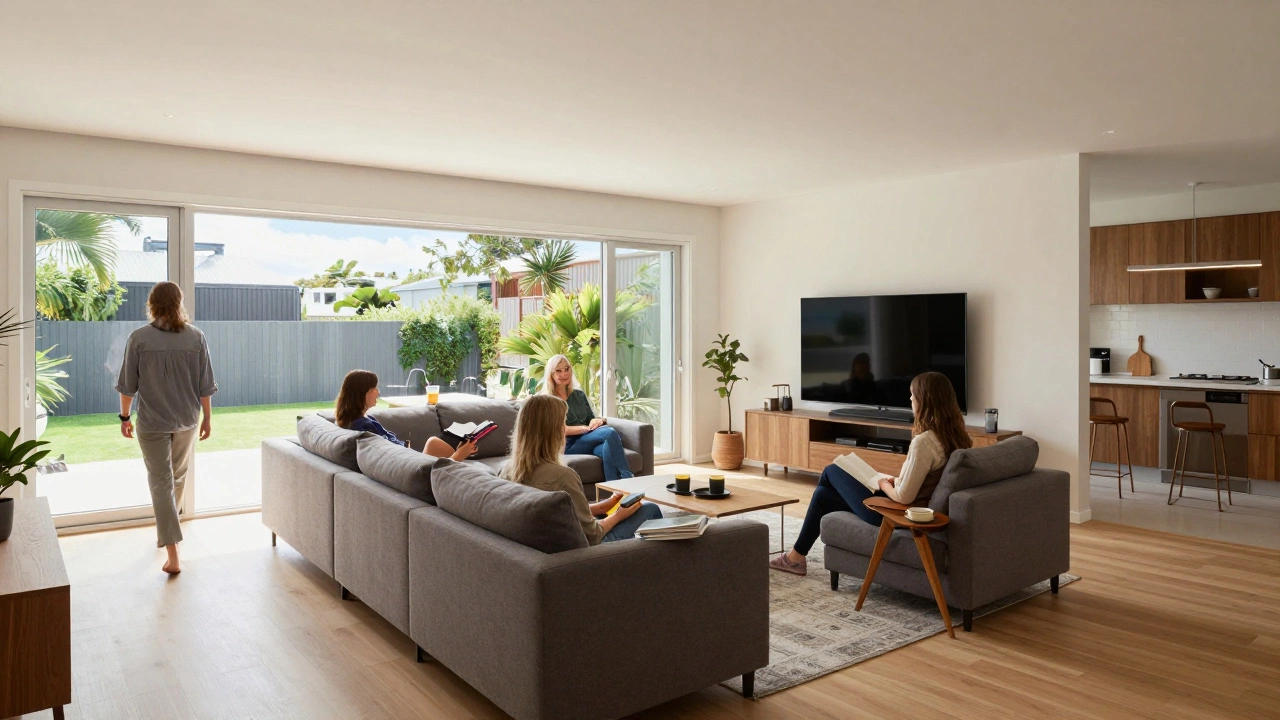
Corner couches, also called L-shaped or sectional sofas, are often sold as space-savers. And they are-if you’ve got a square or rectangular room with an unused corner. In a typical New Zealand living room-say, 4m x 5m-a corner couch can turn dead space into a cozy seating zone. You get more seating without cramming in three separate chairs. It’s why they’re so popular in apartments in Auckland and Wellington.
But here’s the catch: if your room is narrow, long, or has odd angles, a corner couch can turn into a traffic jam. I’ve seen homes where people had to move the couch to get to the kitchen, or where the TV ended up facing sideways because the couch blocked the natural sightline. Measure twice. Walk the path from your door to the TV. Try laying out cardboard cutouts the size of the couch. If you can’t move around it without bumping into walls or coffee tables, skip it.
More seating? Maybe. More comfort? Not always
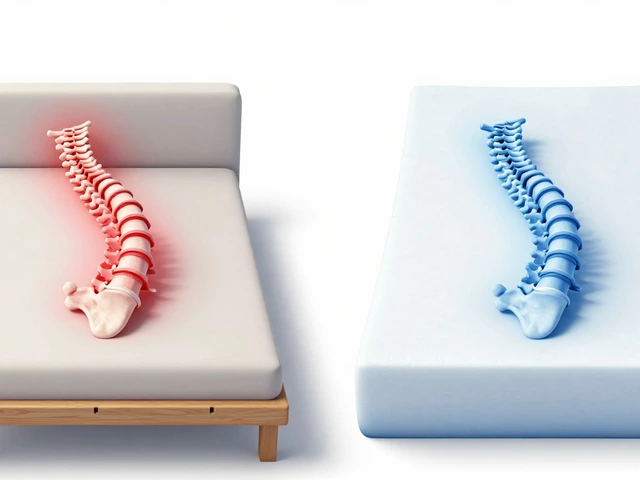
One of the biggest selling points is “more seats.” But let’s be real: a corner couch doesn’t mean more comfortable seats. Often, it means one long, unbroken cushion that’s either too firm or too saggy. I’ve sat on too many corner sofas where the armrests were too low, the backrest didn’t support your spine, or the deep seat made it impossible to sit upright without sliding forward.
Compare that to two well-placed armchairs and a loveseat. You get better back support, easier access to each seat, and more flexibility. With a corner couch, if one person wants to stretch out, everyone else is stuck. And if you have kids or pets? The deep corner is a magnet for crumbs, fur, and spilled juice. Cleaning under it? Good luck.
It’s not just about size-configuration matters
Not all corner couches are the same. Some have reversible chaises, others have fixed arms. Some come in modular pieces you can rearrange. The best ones let you switch the chaise from left to right. That’s huge if you’re unsure which side your TV or window is on.
And don’t ignore the depth. A deep seat (over 90cm) is great for lounging but terrible if you’re tall or like to sit upright. A shallow one (under 85cm) is better for smaller people or if you use it for watching TV. Most people don’t think about this until they’re already sitting on it, stuck in a half-slouch.
Also, check the frame. A cheap corner couch will sag after a year. Look for kiln-dried hardwood frames, sinuous springs, and high-density foam. You don’t need to spend $5,000, but if you’re paying under $1,200, you’re probably buying a sofa that’ll look like a deflated balloon by year three.

What about cleaning and moving?
Corner couches are heavy. Like, “you need three people and a dolly” heavy. If you’re renting or think you might move in the next 3-5 years, this is a big deal. I know someone who paid $200 to move their sectional from a flat in Ponsonday to a house in Mount Roskill. The movers had to take out a wall panel because the couch wouldn’t fit through the door.
And cleaning? Vacuuming under it is a nightmare unless it’s on legs. If it’s a solid base, dust and dirt build up like a time capsule. Pet owners, this is your warning. One dog, one shed season, and you’ve got a fur-lined trench you’ll never fully clean.
Flexibility is gone
Here’s the quiet truth: once you buy a corner couch, you’re stuck with it. You can’t easily rearrange your room. You can’t move it to the patio for summer. You can’t swap it out for two recliners if your back goes out. It locks you into one layout.
Compare that to a modular sofa. You can add a chaise, remove a section, or even sell half of it later. Or better yet, go with two smaller sofas. You can move them around, rotate them, or give one away if you need space. A corner couch is permanent. And permanence costs money.
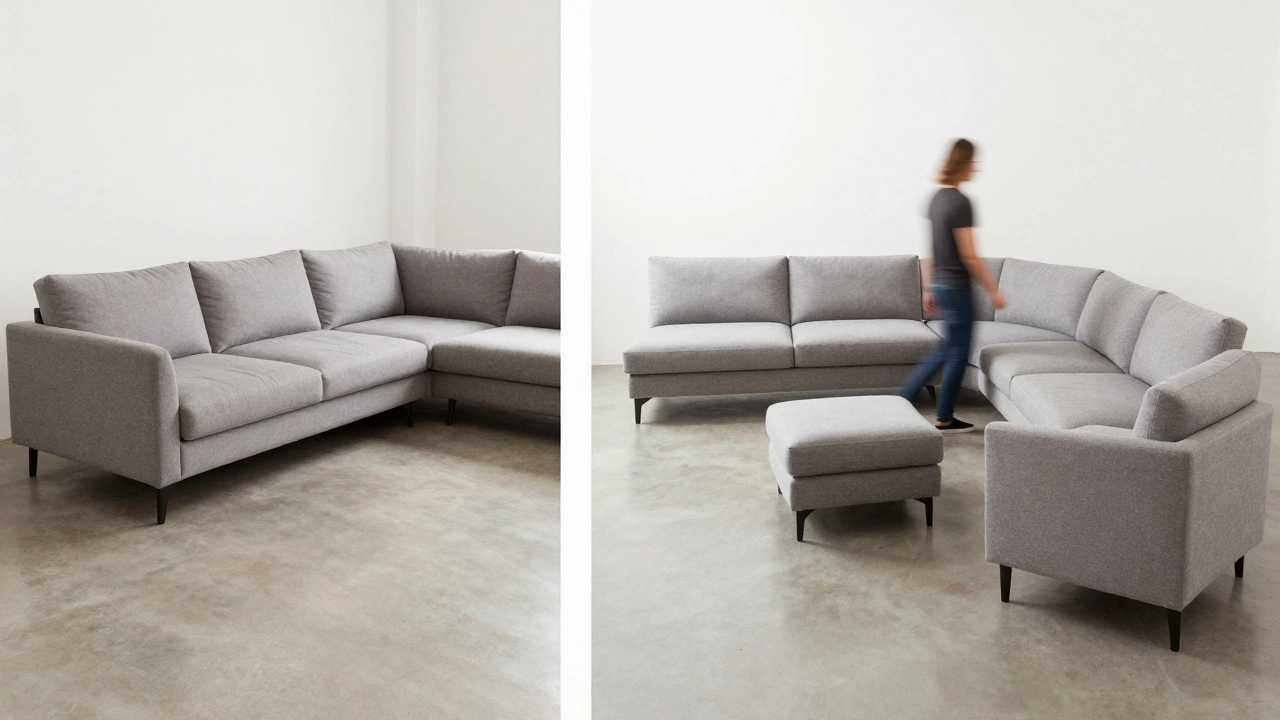
Who actually benefits from a corner couch?
Let’s be specific. A corner couch makes sense if:
- You have a large, open-plan living area (over 20m²)
- You regularly host guests and need seating for 5+ people
- You love lounging, watching TV, or reading with your legs up
- You’re buying new and can test it in-store before committing
- You’re not planning to move for at least five years
It’s a bad idea if:
- Your room is under 15m²
- You have small kids or pets who track things everywhere
- You’re renting and need to move it later
- You like to rearrange your space often
- You’re on a tight budget and want something that lasts
Alternatives you might not have considered
Before you buy, think about these:
- Two sofas facing each other - creates a conversation zone, easier to clean, and you can move them later.
- A loveseat + an armchair - flexible, affordable, and looks more intentional.
- A modular sectional - lets you change the shape later. Brands like IKEA and Freedom offer these.
- A floor sofa or low-profile lounger - if you’re all about chill vibes and don’t need formal seating.
One client in Devonport swapped her corner couch for a pair of mid-century armchairs and a small ottoman. She said it made the room feel bigger, and now she actually uses it every day. Not because it looked better-but because she could actually move around it.
Final verdict: It depends
Are corner couches worth it? Sometimes. But not because they’re “the best.” They’re worth it if they solve a real problem in your space-and not because they look good in a catalog.
Don’t buy one because it’s trendy. Don’t buy one because it’s on sale. Buy one because you’ve measured, tested, and realized it’s the only thing that fits your life. And if you’re not 100% sure? Wait. Walk away. Come back in a week. You’ll thank yourself later.
Are corner couches good for small rooms?
Usually not. Corner couches need space to breathe. In rooms under 15m², they make the space feel cramped and block movement. A smaller loveseat or two armchairs often work better. Always measure your doorways and walkways before buying.
Can you take apart a corner couch for moving?
Some can, most can’t. Cheap corner couches are usually one solid piece. Higher-end modular sectionals come in separate units that can be moved individually. If you’re renting or plan to move, look for brands that sell modular parts. Avoid fixed designs unless you’re staying put.
How long do corner couches last?
A well-made corner couch with a hardwood frame, sinuous springs, and high-density foam lasts 8-12 years. Cheap ones made with particle board and low-grade foam sag in 2-3 years. Look for warranties that cover the frame and springs-not just the fabric.
Is it better to get a corner couch with a chaise or without?
It depends on your height and how you sit. A chaise is great if you like to stretch out or have long legs. But if you’re under 170cm tall or prefer sitting upright for TV, a chaise can make the seat too deep. Test both. Sit in the chaise for 10 minutes. If your knees feel cramped or your back slumps, skip it.
Do corner couches increase home value?
Not really. Buyers care about layout, flow, and function-not the brand of your sofa. A corner couch that blocks natural light or makes the room feel cluttered can hurt resale. A well-chosen, well-placed sofa matters, but the shape is secondary.
What’s the best fabric for a corner couch?
For households with kids, pets, or spills, choose performance fabrics like Crypton, Sunbrella, or solution-dyed polyester. These resist stains, are easy to clean, and don’t fade. Avoid velvet, linen, or light-colored cotton unless you’re ready to clean every week. Darker colors hide dirt better.