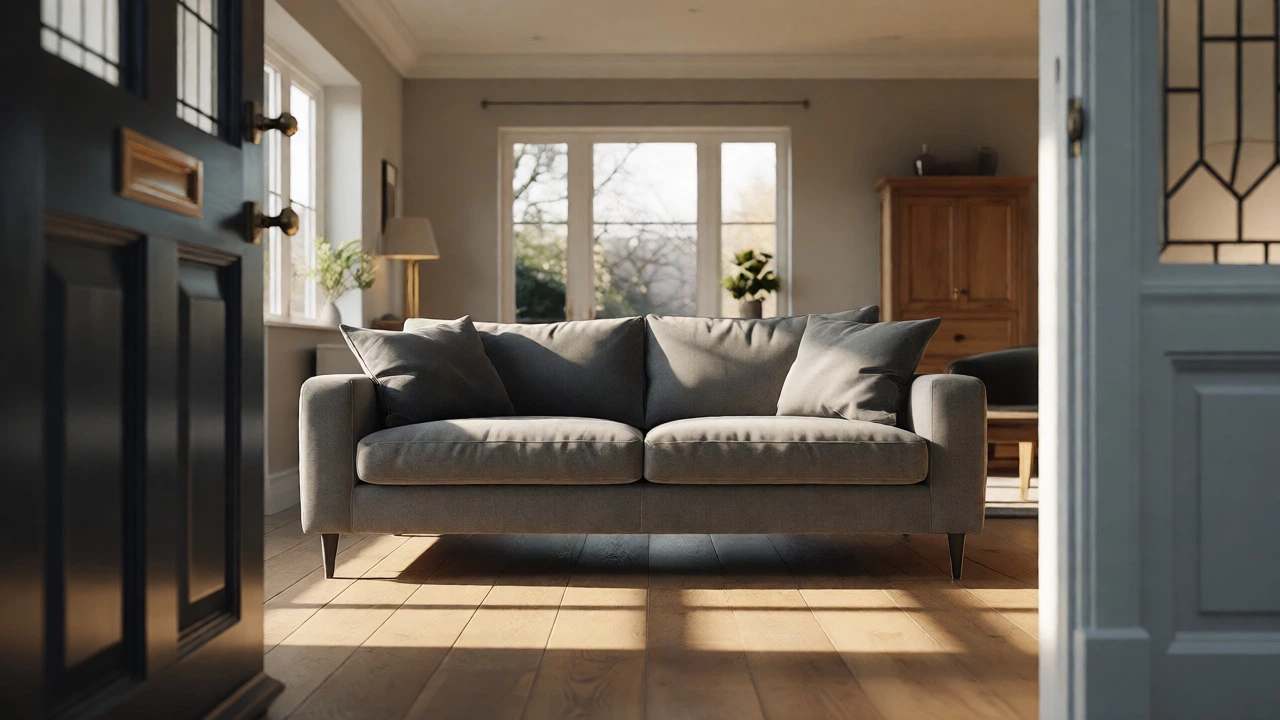
Sofa Placement Simulator
Drag the blue sofa in the room diagram below or use the controls to adjust its position and angle. See how different placements affect both Feng Shui energy flow and practical security.
Directly Facing Door
High visibility but potential for direct energy clash.
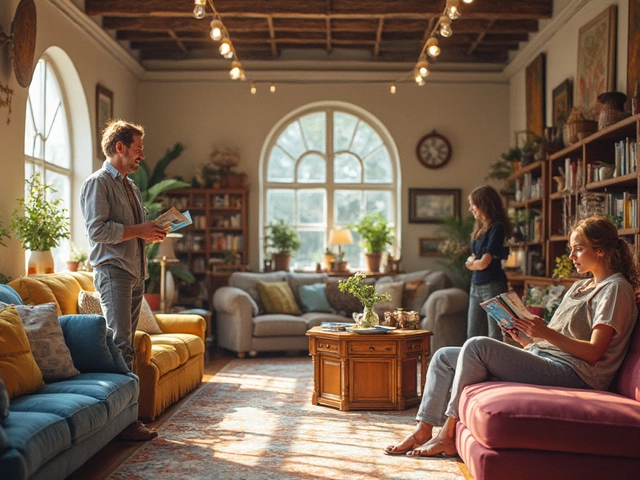
You walk into your living room, drop your keys on the table, and glance at your sofa. It sits directly opposite the front door, staring back at you like a guard dog. Is this a power position or a bad omen? If you’ve ever scrolled through interior design forums or asked a friend about sofa facing front door arrangements, you’ve likely heard two very different answers. One camp says it’s terrible for energy flow. The other says it’s the most logical way to see who enters your home.
The truth isn’t black and white. It depends on whether you prioritize traditional beliefs, practical security, or pure comfort. Let’s break down why this debate exists, what the experts actually say, and how to decide if this layout works for your specific space.
Why the Debate Exists: Energy vs. Security
The conflict stems from two different goals. On one side, we have Feng Shui, an ancient Chinese practice focused on arranging spaces to harmonize individuals with their surrounding environment. On the other, we have modern home security and social psychology, which value visibility and control.
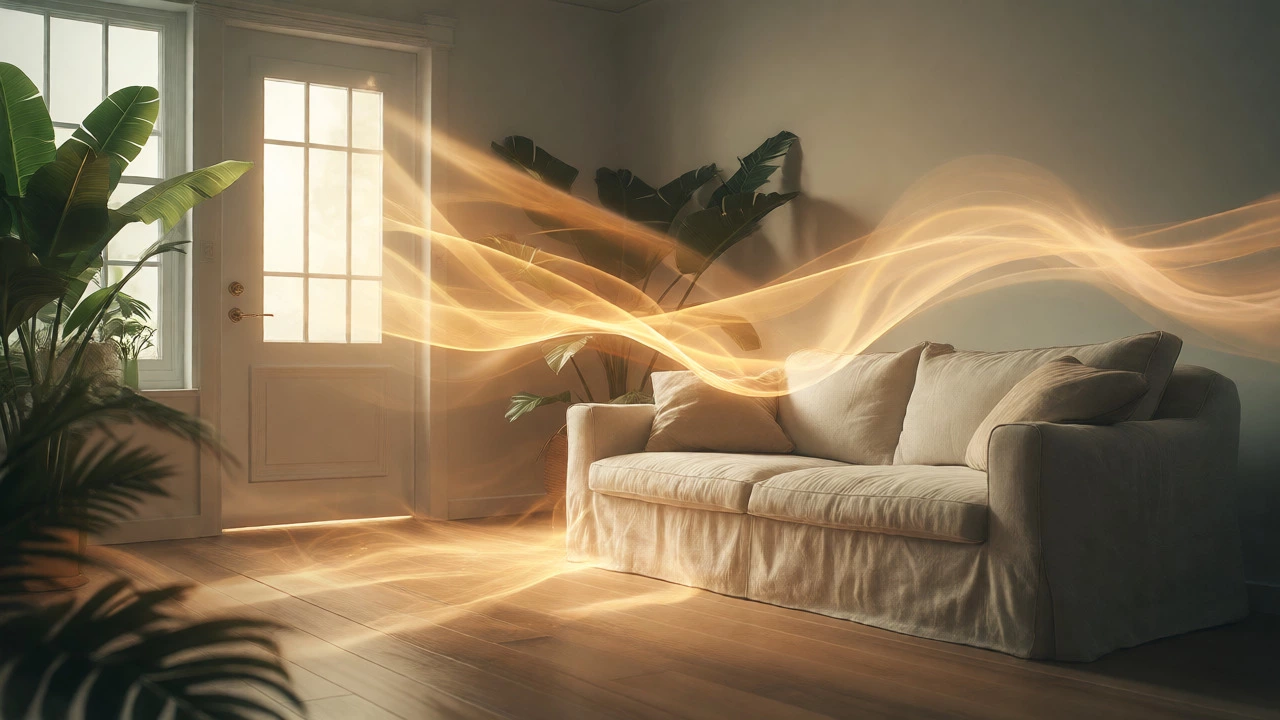
In many cultures, particularly in East Asian traditions, the front door is considered the "mouth of chi"-the primary entry point for energy (or qi) into your home. When a sofa faces this opening directly, proponents argue that the energy rushes straight onto the occupants without circulating first. This can feel overwhelming, leading to restlessness or an inability to relax. Think of it like sitting directly in the path of a strong draft; you’re exposed rather than sheltered.
Conversely, from a security standpoint, having your back to the door feels vulnerable. Humans are wired to notice movement behind them. If your sofa has its back to the entrance, every time someone walks in, you instinctively turn around. This creates low-level anxiety. Facing the door eliminates that blind spot, allowing you to greet guests naturally and monitor activity outside. So, which risk is worse: spiritual discomfort or psychological unease?
The Feng Shui Perspective: Why Direct Alignment Is Often Discouraged
Strict Feng Shui principles suggest that direct alignment between the main door and seating areas causes "sha qi," or killing energy, to strike occupants directly. In a perfect world, energy should meander gently through a room, not blast through it. A sofa positioned dead-center opposite the door interrupts this gentle flow.
However, context matters. Not all doors are created equal. If your front door opens into a foyer or hallway before reaching the living room, the issue is minimal. The problem arises when the door opens directly into the living area where the sofa resides. In these open-plan layouts common in modern Auckland homes, the energy impact is more pronounced.
Experts recommend avoiding a "command position" violation. While facing the door gives you command, being too close to it puts you in the line of fire. Ideally, you want to be visible to those entering but not immediately hit by the influx of outside energy. This nuance is often lost in simplified advice found online.
The Practical Case: Visibility and Social Flow
Let’s look at real-world usage. Imagine hosting friends. If your sofa faces the door, you can make eye contact and smile as people enter. This creates an welcoming atmosphere. Guests feel seen. If your sofa backs onto the door, you might miss arrivals entirely, forcing awkward interruptions to turn around or shout greetings.
There’s also the matter of natural light and views. Many living rooms are designed so the best view-whether it’s a garden, street scene, or city skyline-is near the front. Placing the sofa there maximizes enjoyment of that view. Ignoring this purely for superstitious reasons might mean sacrificing daily pleasure for theoretical benefits.
Furthermore, traffic patterns play a role. In narrow living rooms, placing the sofa against the wall perpendicular to the door might block pathways or make the room feel cramped. Sometimes, facing the door is simply the only configuration that allows for easy movement without bumping into coffee tables or armrests.
Finding the Middle Ground: The Command Position
If you’re torn between tradition and practicality, aim for the "Command Position." This is a core concept in both Feng Shui and interior design. The goal is to place your sofa so you can see the door without being directly in its line of sight.
| Placement Strategy | Pros | Cons | Best For |
|---|---|---|---|
| Directly Facing Door | Maximum visibility; welcoming; good for security | Potential energy clash; feels exposed; glare issues | Open-plan homes; security-conscious owners |
| Back to Door | Cozy feeling; hides clutter; focuses on TV/view | Vulnerable feeling; misses guest arrivals; awkward turns | Large rooms; private spaces; media-focused rooms |
| Diagonal/Offset | Balances visibility and flow; reduces energy rush; aesthetically dynamic | Requires more space; may complicate rug placement | Most standard living rooms; balanced lifestyle needs |
To achieve this, angle your sofa slightly off-axis from the door. You should be able to see the entrance peripherally, but not head-on. This softens the incoming energy while maintaining awareness. If your room is square, try placing the sofa against the wall adjacent to the door. If it’s rectangular, consider floating the sofa away from walls and angling it toward the center of the room, creating a conversational zone that indirectly acknowledges the entryway.
Practical Fixes for Existing Layouts
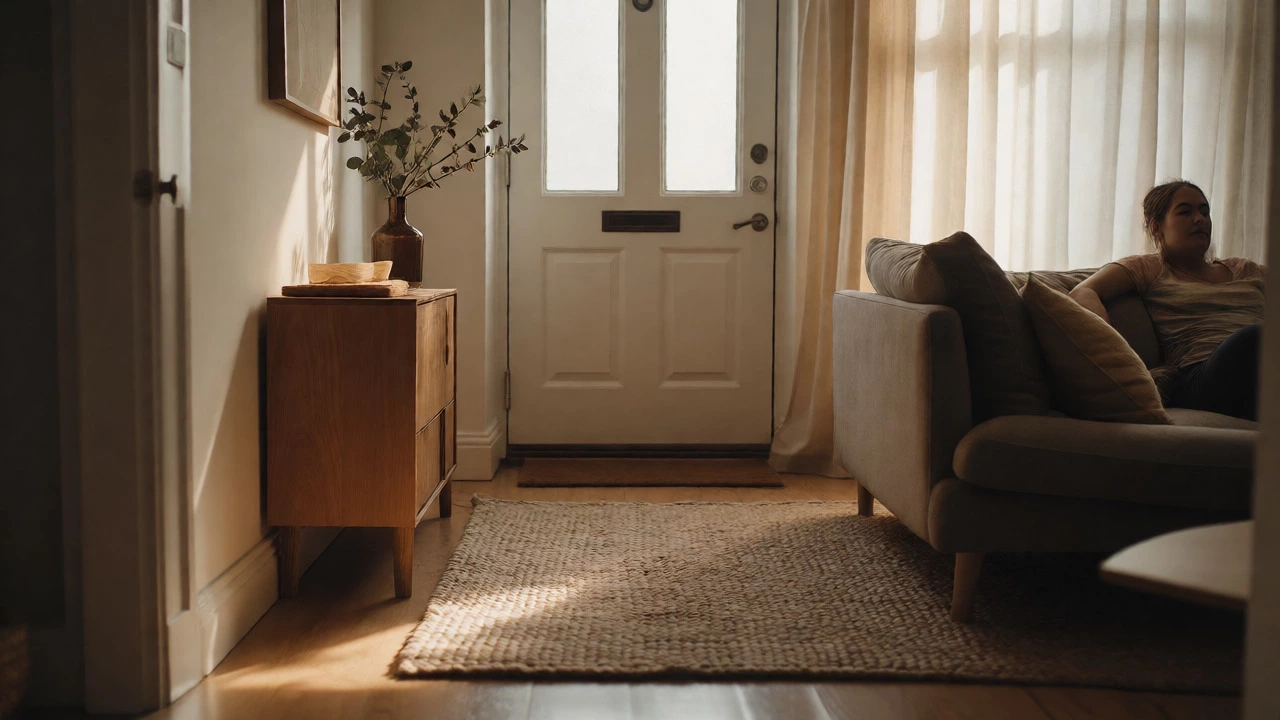
What if you’re already stuck with a sofa facing the door? Don’t panic. You don’t need to buy new furniture. Several simple adjustments can mitigate potential downsides.
- Add a Console Table: Place a slim console table between the sofa and the door. This acts as a buffer, slowing down energy flow and providing a surface for lamps or plants. It visually separates the entry zone from the relaxation zone.
- Use Rugs Strategically: Define the seating area with a large rug. Ensure the rug doesn’t extend all the way to the threshold. Leaving a gap between the rug edge and the door frame helps contain the energy within the living space.
- Introduce Plants: Tall, leafy plants placed near the door or beside the sofa can soften hard lines and filter energy. They also add privacy and improve air quality, addressing both aesthetic and health concerns.
- Adjust Lighting: If direct sunlight hits the sofa due to its position, use sheer curtains or blinds. Glare can cause physical discomfort, which mimics the restless feeling attributed to bad Feng Shui. Softening the light improves comfort regardless of metaphysical beliefs.
When to Ignore the Rules Entirely
Not every home follows textbook dimensions. In small apartments, rigid rules often fail. If moving your sofa blocks the only exit route or makes the room unusable, ignore the guidelines. Functionality always trumps form. Similarly, if you live alone and rarely host guests, the social aspect of facing the door becomes irrelevant. Prioritize what makes you feel safe and comfortable.
Also, consider cultural background. If you don’t subscribe to Feng Shui principles, the energy argument holds little weight for you. Focus instead on ergonomics. Does the position allow for easy conversation? Can you reach the remote without straining? Are you protected from drafts? These tangible factors impact daily happiness far more than abstract concepts.
Ultimately, your home should reflect your personality. If facing the door makes you feel alert and ready, embrace it. If it feels aggressive, adjust it. There is no single "correct" answer, only the right choice for your specific situation.
Is it bad luck to face a sofa towards the front door?
In strict Feng Shui terms, yes, because it exposes occupants to direct energy flow. However, from a practical standpoint, it offers better security and social awareness. Many modern designers prefer angled placements that balance both concerns.
What is the best position for a sofa according to Feng Shui?
The ideal position is the "Command Position," where you can see the door but are not directly in line with it. This usually means placing the sofa against a solid wall, diagonally offset from the entrance.
How do I fix a sofa that is directly facing my front door?
You can place a console table, bookshelf, or large plant between the sofa and the door to act as a buffer. Alternatively, angle the sofa slightly off-center or use rugs to define the seating area separately from the entryway.
Does sofa orientation affect sleep quality?
Indirectly, yes. If the position causes stress due to perceived vulnerability or glare, it can disrupt relaxation. Conversely, if you feel secure and comfortable, it promotes better rest. Comfort and psychological safety are key.
Can I put my sofa with its back to the front door?
Yes, especially in large rooms or media-focused spaces. To mitigate the feeling of vulnerability, ensure you have mirrors nearby to see behind you, or keep the pathway clear so you aren't startled by sudden movements.