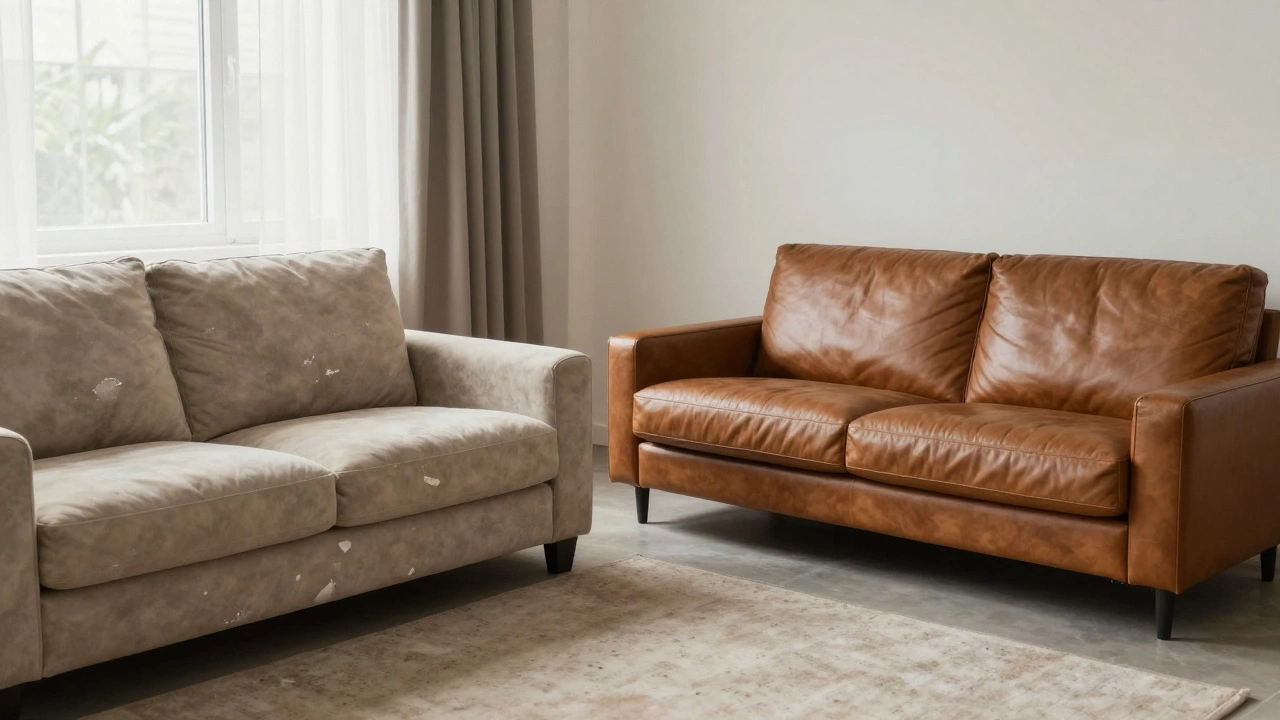
To get a real answer, we have to look at the bones and the skin of the furniture. Most mid-range sofas are designed to last between 7 and 15 years, but your specific sofa lifespan depends on three things: the frame material, the cushion density, and how many pets or kids are jumping on it daily.
The Quick Breakdown of Sofa Longevity
Before getting into the weeds, here is a fast way to gauge where your current couch stands based on its build quality.
| Build Level | Typical Materials | Expected Lifespan | Common Fail Points |
|---|---|---|---|
| Budget/Entry | Particle board, polyester fabric, low-density foam | 2-5 Years | Frame warping, sagging seats |
| Mid-Range | Kiln-dried hardwood mix, blended fabrics, medium foam | 7-12 Years | Fabric pilling, cushion flattening |
| High-End/Heirloom | Solid kiln-dried hardwood, top-grain leather, high-resiliency foam | 15-25+ Years | Surface wear, leather cracking |
The Skeleton: Why Frame Material Matters
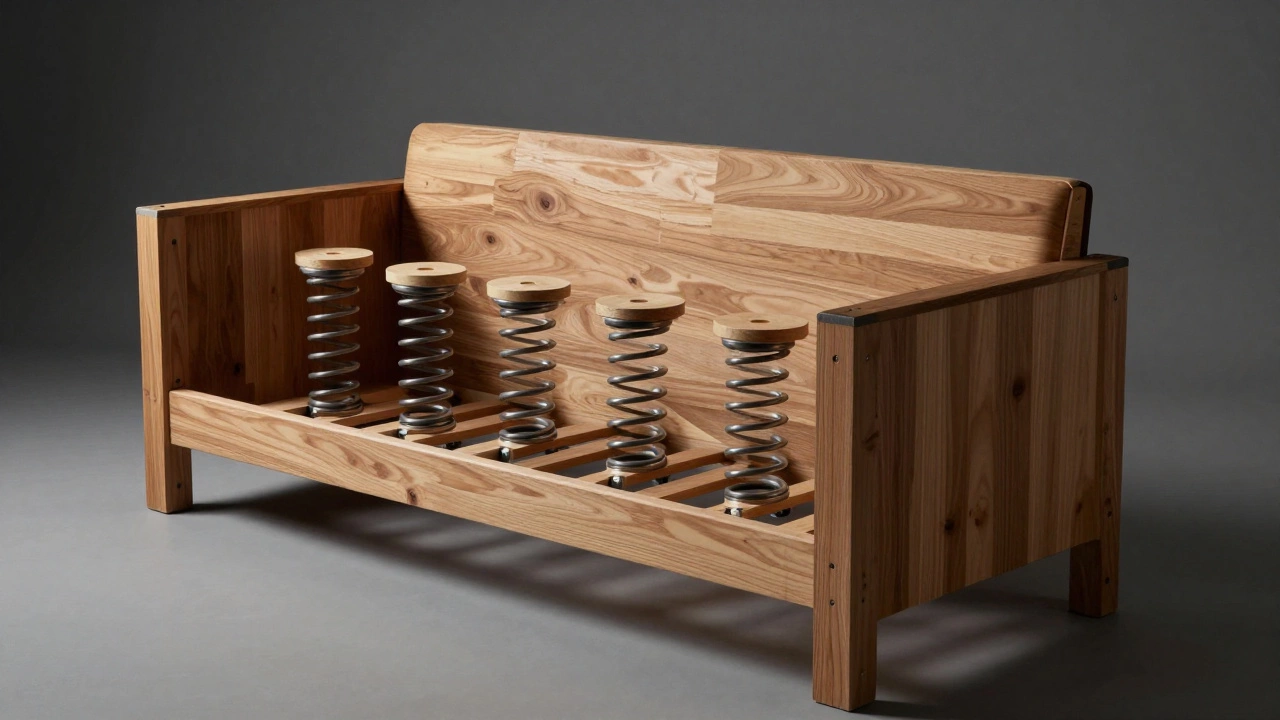
If the frame goes, the sofa is basically landfill. You can replace a cushion, but you can't easily fix a snapped rail. When you're looking at a sofa, you're really looking at Kiln-Dried Hardwood is wood that has been oven-dried to remove moisture, preventing the frame from warping or cracking over time. This is the gold standard. If a manufacturer uses "engineered wood" or "particle board," they are essentially using glued-together sawdust. These materials absorb moisture and lose structural integrity quickly, often failing within 3 to 5 years if used heavily.
Then there is the construction method. A frame held together by staples and glue is a ticking time bomb. You want to see "corner blocked" construction or double-dowelled joints. These are structural reinforcements that stop the sofa from swaying or "racking" as you sit down. If you feel a slight wobble when you sit, that's a sign the frame is already under stress.
The Heart of the Comfort: Cushions and Springs
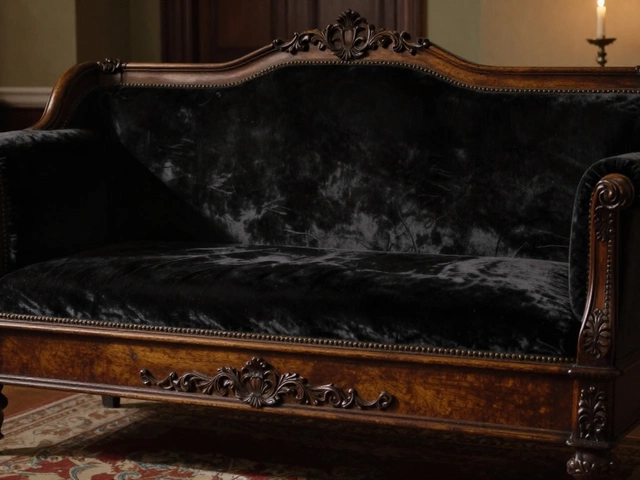
Most people think the fabric is what wears out first, but it's usually the interior. The support system usually consists of Sinuous Springs is S-shaped wires that provide a bouncy, flexible support base for the cushions. While common and affordable, they can lose their tension over a decade. For maximum longevity, look for Eight-Way Hand-Tied Springs, where coils are tied manually in eight different directions. This is rare and expensive, but it’s why some antique sofas still feel firm after 40 years.
Now, let's talk about the foam. Most budget sofas use standard polyurethane foam. It's soft at first, but the air bubbles collapse over time. To avoid the "sinkhole" effect, look for High-Resiliency (HR) Foam, which is a denser material that bounces back to its original shape. A pro tip: if you can feel the wooden frame through the cushion when you sit, the foam has reached its end-of-life, regardless of how old the sofa is.
Fabric Choices: The Battle Between Leather and Cloth
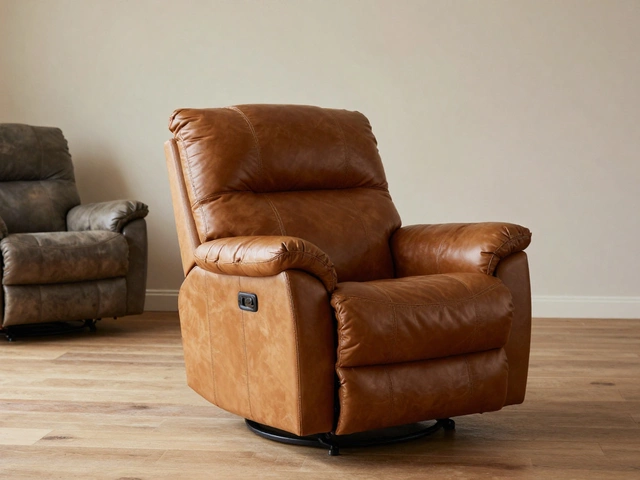
The skin of your sofa determines how it handles the chaos of daily life. Top-Grain Leather is the highest quality layer of the hide, offering a balance of durability and breathability. Unlike synthetic alternatives, real leather develops a patina and actually looks better with age if treated correctly. However, it can crack if it dries out, which is why leather conditioners are a must every six months.
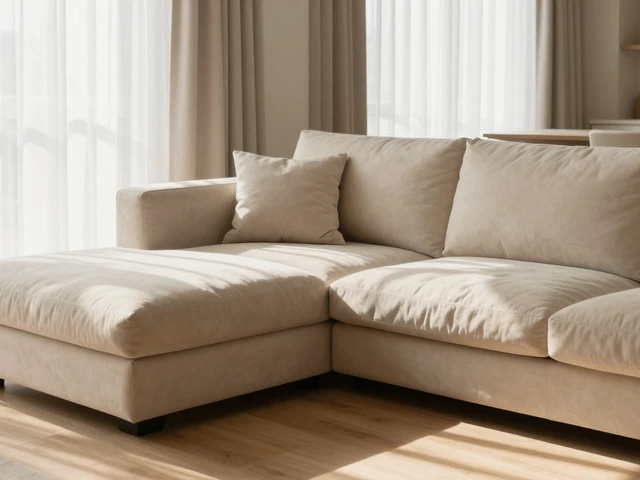
On the other side, you have performance fabrics. If you have kids or pets, Performance Fabric is textiles treated with a moisture-repellent finish to resist stains and wear. These are often made from acrylic or polyester blends that can withstand thousands of "rub counts" (a measure of abrasion resistance). A fabric with a rub count of 15,000 is fine for a guest room, but for a main living room, you want 30,000 or higher to ensure it doesn't thin out and tear within five years.
Common Red Flags That Your Sofa Is Dying
You don't have to wait for a leg to snap to know your sofa is on its way out. Keep an eye out for these specific warning signs:
- The Lean: When you sit down, does the sofa tilt slightly to one side? This usually means a frame joint has loosened or a spring has snapped.
- Pilling: Those little balls of fabric on the surface are a sign of low-grade fibers breaking down. While you can shave them off, it's often a sign that the fabric is thinning.
- The "Cushion Gap": If the cushions no longer fit snugly in the frame and leave gaps, the foam has likely shrunk or lost its density.
- Squeaking: A little noise is normal, but a loud, metallic screech usually means the spring system is rubbing against the frame due to a loss of tension.
How to Double the Life of Your Sofa
You can actually push a mid-range sofa into the "long-term" category with a few simple habits. The most effective trick is the "weekly flip." Rotating your cushions every week ensures that the foam wears evenly. If you always sit in the same spot, you're creating a permanent indentation that can't be reversed.
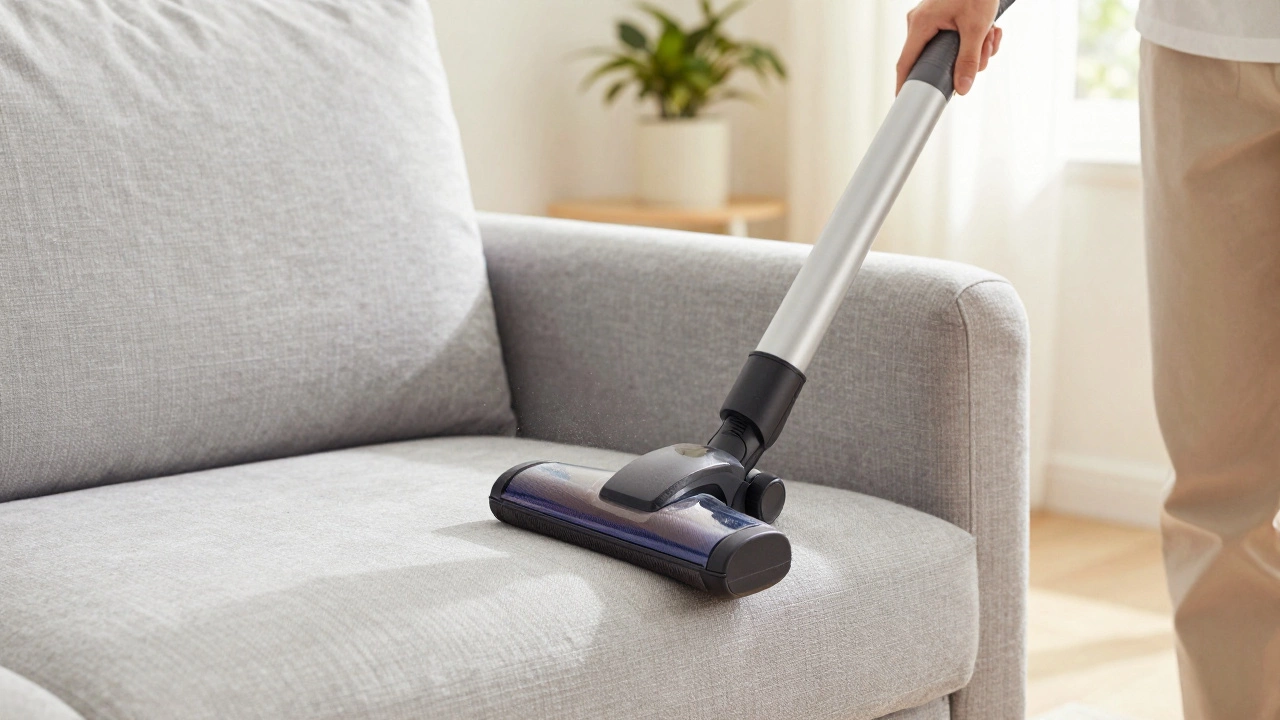
Vacuuming is also more important than you think. Dust and grit act like sandpaper on fabric fibers; every time you sit down, those tiny particles grind against the threads. Using a vacuum with a brush attachment once a month prevents this internal erosion. Also, avoid placing your sofa in direct sunlight. UV rays break down the chemical bonds in both fabric and leather, leading to fading and brittleness.
Is it worth reupholstering an old sofa?
It depends entirely on the frame. If you have a high-quality, kiln-dried hardwood frame, reupholstering is a fantastic investment because the "bones" are worth saving. However, if the frame is made of particle board or is warped, spending money on new fabric is a waste, as the structure will still fail soon.
Does a higher price always mean a longer lifespan?
Not necessarily. You often pay for the brand name or a trendy design. Always check the specifications for "kiln-dried hardwood" and "high-density foam." A generic brand with these specs will outlast a luxury brand that uses a plywood frame and low-grade filling.
How do I know if a sofa has a good warranty?
Look at what is actually covered. A "limited lifetime warranty" often only covers the frame. Check the warranty for the cushions and the fabric; usually, these are only covered for 1-2 years because they are considered "wear and tear" items.
Can I fix sagging cushions myself?
Yes, if the foam is the problem. You can buy high-density foam inserts or "poly-fill" to add volume back into the cushion covers. If the sagging is caused by broken springs, it's a much harder fix that usually requires a professional upholsterer.
Which fabric is best for longevity with pets?
Microfiber and tightly woven performance polyesters are the best bets. They don't have a loose weave that cat claws can easily snag, and they are much easier to clean when accidents happen compared to linen or cotton.
What's Next for Your Living Room?
If you've realized your current sofa is nearing the end of its life, your next step is to decide between repair and replacement. If the frame is solid, consider a professional cleaning and new foam inserts. If the frame is creaking and tilting, it's time to shop for a replacement focusing on those "gold standard" materials we discussed.
For those buying new, don't just look at the color. Ask the salesperson about the "rub count" of the fabric and whether the wood is kiln-dried. Taking five minutes to verify the internals can save you from having to buy another couch in three years.