Which Should You Choose? Bookshelf or Bookcase?
Answer these questions to get a personalized recommendation based on your needs.
How do you plan to use your storage solution?
What type of books do you have?
Where will you place this in your home?
Do you have children or pets?
Answer questions above to see your recommendation
People often use the words bookshelf and bookcase interchangeably, but they’re not the same thing. If you’re shopping for storage or trying to match furniture in your living room, mixing them up could lead to the wrong buy. Knowing the difference isn’t just about words-it affects how your space looks, how stable your books are, and even how much you’ll pay.
Structure: Open vs Enclosed
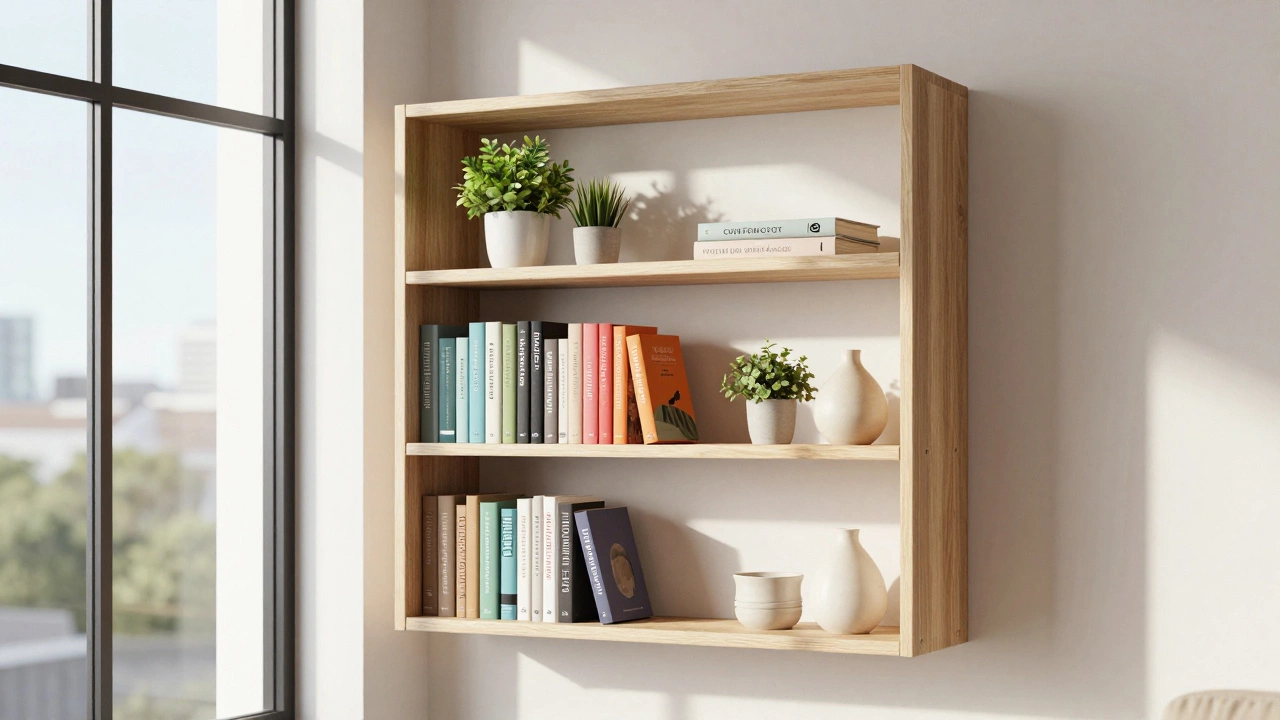
A bookshelf is open. It’s just shelves-usually flat, horizontal boards-attached to a frame or wall. You can see every book on display. No doors, no sides, no back panel. Think of those simple wooden shelves you might have seen in a dorm room or a minimalist apartment. They’re lightweight, easy to assemble, and great for showing off a few favorite titles or decorative objects. A bookcase, on the other hand, has walls. Most have a back panel-often made of thin plywood or hardboard-and sometimes side panels too. Many include doors, either glass or solid wood, to keep dust off your collection. Some even have a top trim or crown molding. This makes a bookcase feel more like built-in furniture than just a shelf. You’ll notice this difference when you move them. A bookshelf might wobble if you stack heavy textbooks on it. A bookcase? It holds its shape. The back panel adds rigidity. It’s why you’ll find bookcases in libraries, offices, and homes where durability matters.Design and Style
Bookshelves tend to be modern, casual, or industrial. They come in metal frames, floating designs, or stacked cubes. You’ll see them in IKEA catalogs, co-working spaces, and trendy cafes. They’re about visibility and flexibility. You can rearrange them, mix and match, or hang them on the wall. Bookcases are more traditional. They often have legs, carved details, or a solid wood finish. Think of the kind you’d find in a Victorian study or a classic library. Even modern versions keep the enclosed structure-glass doors, brass handles, tapered legs. They’re designed to be a statement piece, not just storage. In New Zealand homes, you’ll often see bookcases in living rooms as a focal point. Bookshelves? They’re more common in kids’ rooms, home offices, or as accent pieces in hallways.Stability and Safety
If you’ve got heavy hardcovers, encyclopedias, or a collection of art books, stability matters. A bookshelf without a back panel can tip forward under weight, especially if it’s tall. There’s no structural support holding the back in place. That’s why wall anchors are often recommended for bookshelves. Bookcases are naturally more stable. The back panel acts like a brace. Many also have a solid base and wider footprint. Some even come with anti-tip kits built into the frame. If you have kids or pets, or you’re storing valuable books, a bookcase is the safer choice. I’ve seen a tall bookshelf collapse in a rented apartment in Ponsonby-books flew everywhere, and the shelf cracked in half. The owner didn’t realize it wasn’t meant to hold that much weight without being anchored. A bookcase of similar size would’ve stayed put.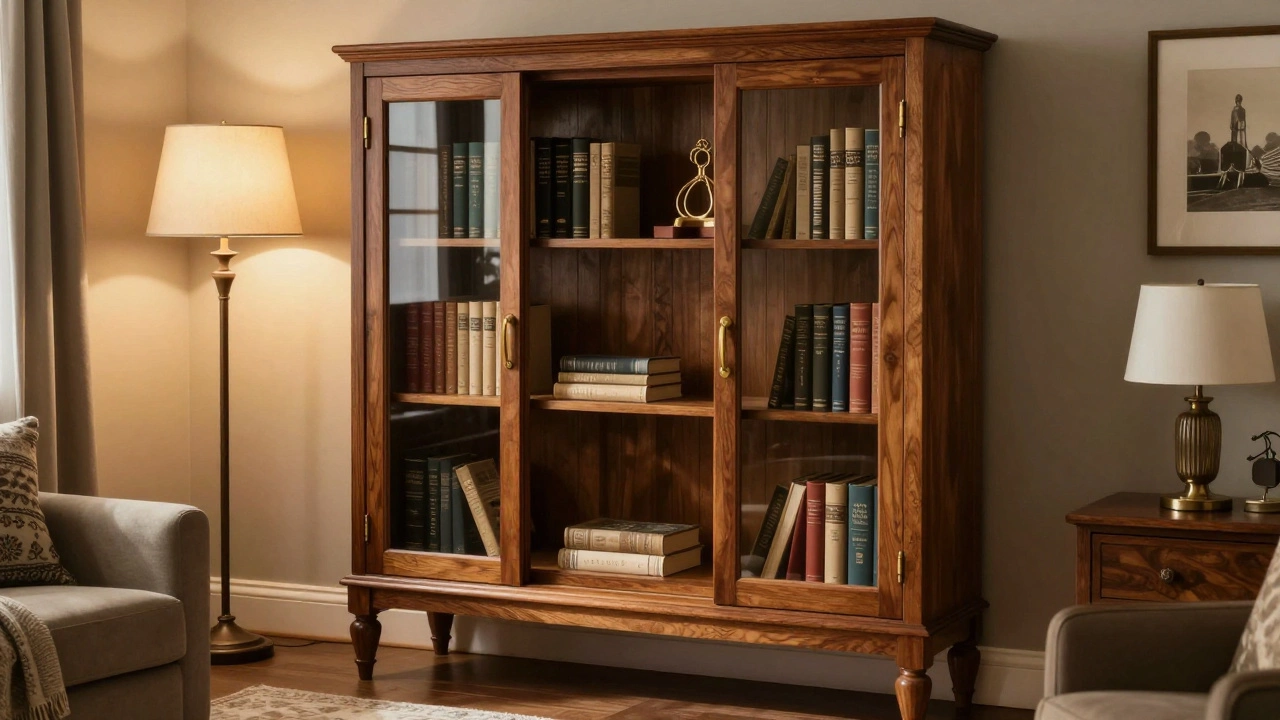
Storage Function
Bookshelves are for display. They’re meant to show off what you own. That’s why they’re popular with collectors, photographers, and anyone who likes visual impact. You can use them for plants, photos, or even small speakers. Bookcases are for storage. They protect your books from dust, moisture, and sunlight. In Auckland’s humid climate, that’s a real advantage. Books left out on open shelves can warp or develop mold over time. A bookcase with a sealed back and doors helps regulate airflow and keeps things dry. Also, bookcases often have more organized compartments. You might find adjustable shelves, hidden drawers, or even built-in lighting. Bookshelves rarely offer that level of detail.Price and Value
Generally, bookshelves are cheaper. A basic 3-tier metal bookshelf might cost $50-$80. A simple wooden one could run $100-$150. Bookcases? They start around $200 and can go up to $1,000+ if they’re solid wood, hand-finished, or antique. You’re paying for the structure, the materials, and the craftsmanship. A good bookcase lasts decades. A cheap bookshelf might need replacing in five years. If you’re looking for long-term value, a bookcase wins. It’s not just storage-it’s furniture. It holds its resale value better and adds character to a room.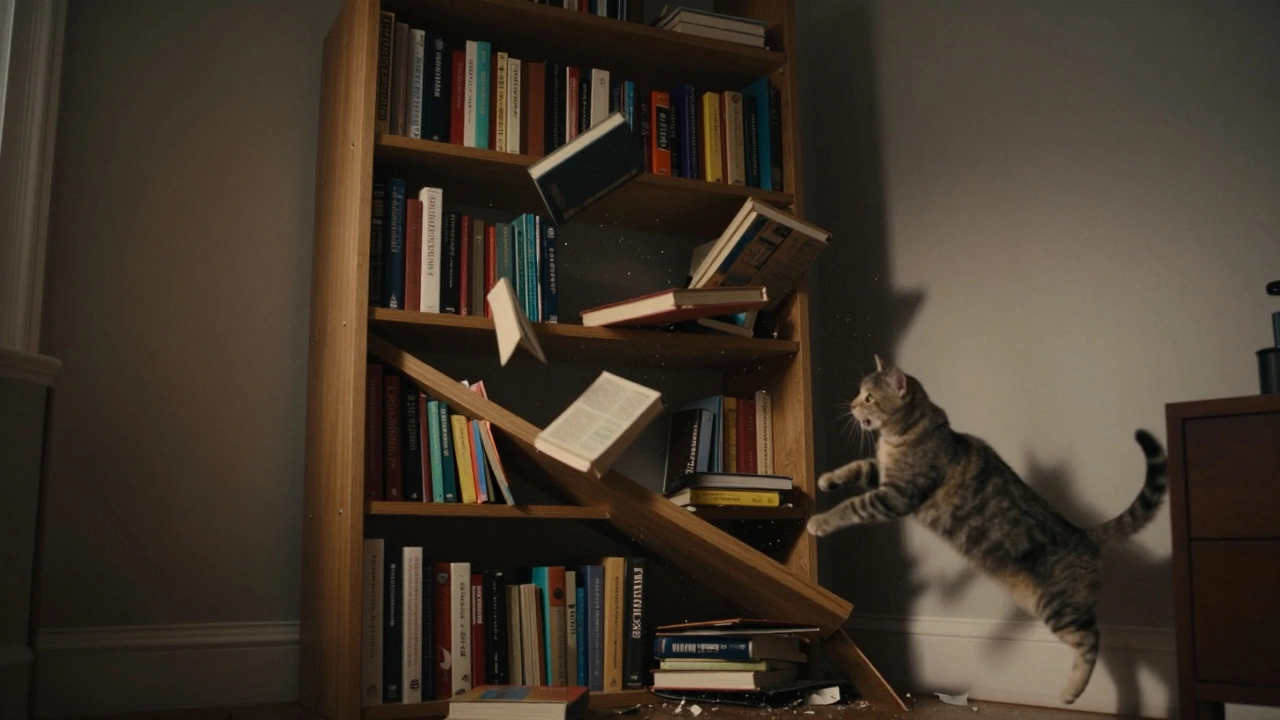
When to Choose Which
Pick a bookshelf if:- You want to display books as decor
- You’re on a tight budget
- You need something lightweight and portable
- You’re using it in a rental and can’t drill into walls
- You only have light paperbacks or magazines
- You own hardcovers, rare books, or a large collection
- You want to protect books from dust and humidity
- You’re building a study, library, or formal living area
- You need something sturdy for a home with kids or pets
- You’re investing in furniture that lasts
Common Mistakes
People often buy a bookshelf thinking it’s a bookcase because the label says “book storage.” But check the details. If it has no back panel, it’s not a bookcase. If it’s wall-mounted with no legs, it’s not a traditional bookcase either. Another mistake? Putting heavy books on a floating bookshelf. Those rely on wall anchors. If the drywall isn’t strong enough, or the screws are too thin, it’s asking for trouble. And don’t assume all bookcases have doors. Some modern ones are open-backed but still have side panels and a solid base. Those count as bookcases too.Final Take
It’s not about which is better-it’s about which fits your life. If you love the look of exposed books and want flexibility, go for a bookshelf. If you care about protection, longevity, and a polished look, choose a bookcase. In New Zealand homes, bookcases are often the quiet heroes-out of sight in corner nooks, holding decades of novels, school textbooks, and family photo albums. Bookshelves are the show-offs-bright, bold, and always on display. Know the difference, and you won’t just be buying furniture. You’ll be choosing how you want your books to live.Can a bookshelf be used as a bookcase?
Technically, you can stack books on a bookshelf, but it won’t function like a bookcase. A bookcase has structural support like a back panel and often side walls that make it stable and protective. A bookshelf lacks those features, so it’s not ideal for heavy books or dusty environments. If you need protection and durability, don’t substitute one for the other.
Do all bookcases have doors?
No. While many traditional bookcases have glass or wooden doors, modern designs often leave them open. What makes a bookcase a bookcase is the presence of a back panel and often side panels-not doors. Open-back bookcases are common in contemporary homes, especially in minimalist or Scandinavian-style interiors.
Is a bookcase better for humid climates like Auckland?
Yes. Auckland’s damp climate can cause paper to warp and bind to become moldy if exposed to moisture. A bookcase with a sealed back and optional doors helps control airflow and reduces exposure to humidity. Open bookshelves leave books vulnerable, especially if placed near windows or exterior walls.
Can I anchor a bookcase to the wall?
You can, and it’s a good idea if you have young children or pets. Even though bookcases are more stable than bookshelves, tall ones can still tip over if climbed on or bumped hard. Most modern bookcases come with pre-drilled holes or mounting kits for wall anchoring. It’s a simple safety step that adds peace of mind.
Are bookshelves cheaper than bookcases?
Generally, yes. Basic bookshelves start around $50 and rarely exceed $200. Bookcases, especially those made of solid wood with finished backs and doors, start at $200 and can cost $800 or more. The price difference comes down to materials, construction, and durability. A bookcase is an investment; a bookshelf is a temporary solution.