What Does Left-Hand Facing Corner Sofa Mean? A Simple Guide
Learn what 'left-hand facing corner sofa' really means and how to pick the right one for your room. Avoid costly mistakes with simple tips and real-life examples.
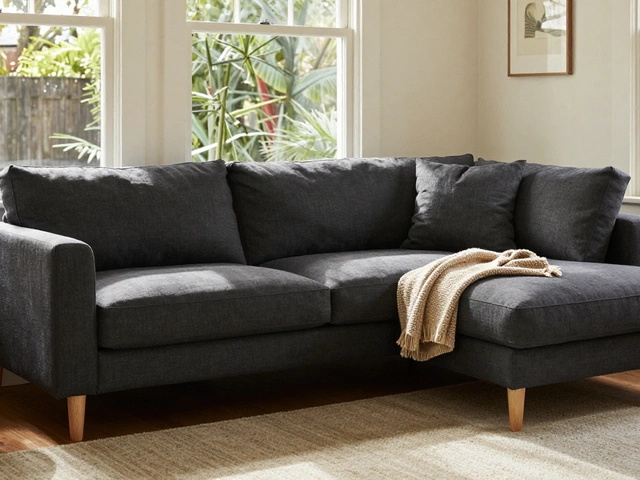
When you buy a corner sofa, a large, L-shaped seating piece designed for modern living spaces. Also known as a sectional sofa, it’s not just furniture—it’s the anchor of your living room. But where you place it makes all the difference. A poorly oriented corner sofa can block light, choke traffic flow, or make the room feel cramped—even if it’s the most comfortable one on the market.
Many people just push the sofa into the corner and call it done. But corner sofa orientation isn’t about filling space—it’s about creating balance. Think about how people move through the room. Do they walk past the sofa or across it? Is the TV across from the main seating, or is it off to the side? Your sofa’s orientation should support how you live, not fight against it. A good setup lets you chat with someone on the other end of the room without standing up, keeps the view clear, and still leaves room for a coffee table or side lamp.
Related to this are things like living room layout, the overall arrangement of furniture to maximize comfort and function, and sofa arrangement, how pieces like ottomans, chairs, and side tables connect visually and physically to the main sofa. These aren’t just design buzzwords—they’re practical tools. For example, if your corner sofa faces the wrong way, even the best rug or lighting won’t fix the awkwardness. And if you’ve got a window or fireplace, the sofa shouldn’t block it. Some layouts work better with the long side facing the room, others with the corner tucked into a nook. It depends on your room’s shape, door locations, and how much space you have.
You’ll also notice that many of the posts below talk about what to pair with a corner sofa—like coffee tables, rugs, and lighting. That’s because orientation affects everything else. A sofa facing the wrong direction makes it hard to place a table within reach. A sofa shoved too close to the wall leaves no room for walking behind it. And if you’ve got kids or pets, you need space to move around without tripping over legs or bumping into arms.
There’s no one-size-fits-all answer. But by understanding how orientation impacts flow, light, and function, you can avoid the common traps. The posts below show real examples: how to position a corner sofa in a small living room, how to make it work with a TV wall, how to keep traffic flowing, and even how to use it to define zones in an open-plan space. You’ll see what works, what doesn’t, and why. No theory. No fluff. Just clear, practical setups you can copy.
Learn what 'left-hand facing corner sofa' really means and how to pick the right one for your room. Avoid costly mistakes with simple tips and real-life examples.