Furniture Storage Damage: How to Prevent It and Fix What’s Already Happened
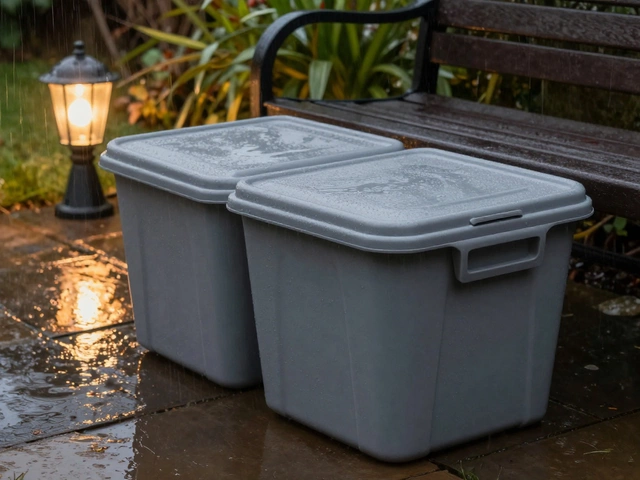
When you store furniture, you expect it to come out in the same shape you put it in. But furniture storage damage, physical or environmental harm to furniture left in storage for long periods. Also known as storage-related wear, it’s not just about dust—it’s about moisture, pests, and poor covering habits that quietly wreck your pieces over time. You might think a plastic sheet or an old bedsheet is enough, but that’s often what makes things worse. Trapped moisture turns into mold. Thin covers let in mice. Sunlight through windows bleaches wood and fades fabric. And if you’re storing in a garage, basement, or attic? You’re playing Russian roulette with your furniture.
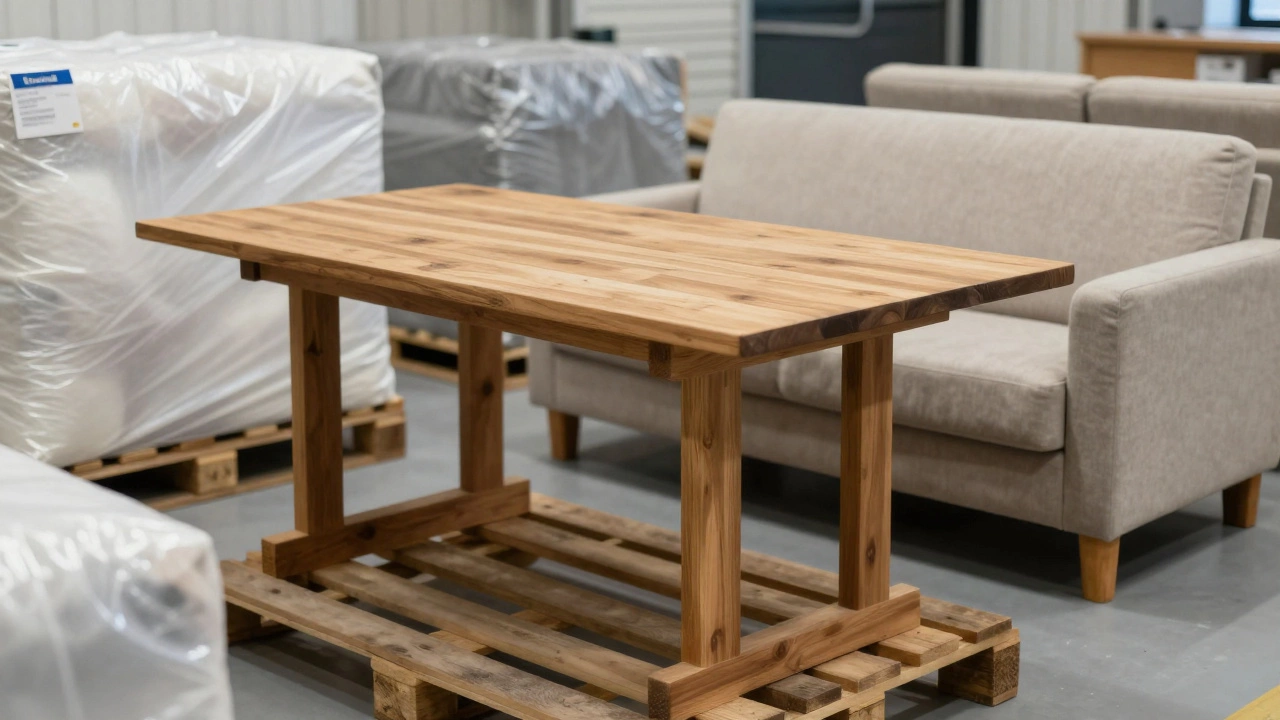
furniture storage covers, breathable, protective materials designed to shield furniture from dust, humidity, and pests during storage. Also known as furniture protection wraps, they’re not optional if you care about your couch, dresser, or bookshelf. Plastic is a trap. It seals in moisture and creates a humid greenhouse for mold and mildew. The right cover? It’s made of cotton or non-woven polypropylene—something that lets air move while blocking dust and pests. And don’t forget the feet. Elevating furniture off the floor with pallets or blocks stops water wicking and rodent access. Speaking of rodents, mouse repellent, natural or chemical substances used to deter mice from chewing on or nesting in stored furniture. Also known as rodent deterrents, they’re not magic sprays—they’re about smell, texture, and access. Mice hate peppermint oil, steel wool, and open spaces. Put cotton balls soaked in peppermint near storage corners. Stuff steel wool into gaps under shelves. Keep storage areas tidy—no cardboard boxes, no old clothes, no clutter that looks like a mouse condo.
And if you’ve already got damage? Don’t panic. A few scratches on wood? Sand and re-oil. Mold on fabric? Vinegar and baking soda can clean it if caught early. Chewed legs? A wood filler and a new coat of paint can hide it. But the real fix isn’t repair—it’s prevention. Most people don’t realize that couch covers, fabric slipcovers used to protect sofas from spills, sun, and pet damage during storage or daily use. Also known as sofa protection, they’re not just for living rooms. A cotton slipcover on a stored sofa isn’t just about looks—it’s a barrier. It stops dust from settling deep in the cushions. It keeps pet hair off. It even blocks UV rays if you’re storing near a window. And if you’re storing in a place where humidity swings? Add silica gel packs. They’re cheap, they last months, and they pull moisture out of the air.
What you’ll find below isn’t a list of generic tips. It’s a collection of real stories, real fixes, and real mistakes people made—and how they turned them around. From how mice got into a storage unit full of wooden desks to why putting a couch under plastic led to a $600 mold cleanup, these posts show you exactly what works and what doesn’t. No fluff. No theory. Just what you need to know before you store your next piece.