Mice Prevention: How to Keep Rodents Out of Your Home and School
When we talk about mice prevention, the set of actions taken to stop mice from entering and living in buildings. Also known as rodent control, it’s not just about traps and poison—it’s about sealing off access, removing attractants, and making spaces unwelcoming before a single mouse shows up. Many people think mice only show up in old houses or dirty basements, but schools, offices, and even well-maintained homes get them too. They don’t need much: a crack the size of a pencil, a pile of food scraps, or a warm corner behind a cabinet. And once they’re in, they multiply fast.
What makes mouse entry points, tiny gaps where mice squeeze through to get inside. Also known as pest entry holes, they’re often hidden behind appliances, under sinks, or where pipes enter walls. matter more than you think. A mouse can fit through a hole smaller than a quarter. That’s why checking for gaps around baseboards, vents, utility lines, and door frames is step one. Schools with old plumbing or worn-out doors are especially at risk. But even new buildings aren’t safe if insulation is loose or weather stripping is missing. And it’s not just about the outside—mice can move between classrooms, storage rooms, and cafeterias through ceiling cavities or under floor tiles.
pest proofing, the process of making a building resistant to pests by sealing, cleaning, and maintaining it. Also known as rodent exclusion, it’s the most lasting solution. You can set a hundred traps, but if you don’t fix the holes, the next group of mice will walk right in. Steel wool, caulk, metal flashing, and door sweeps are cheap tools that work. Keep food sealed—especially in school kitchens and staff rooms. Clean up crumbs daily. Don’t leave backpacks or boxes piled against walls. Mice don’t want to be seen. They like clutter. A tidy space with clear floors and organized storage is a big deterrent.
Signs you’ve got a problem? Droppings near cabinets, scratching sounds at night, shredded paper in corners, or a musky smell. These aren’t just gross—they’re warning signs. Left alone, mice chew through wires, insulation, and even structural wood. In a classroom, that means safety risks, repair costs, and disrupted learning. The best time to act is before you see a single mouse. Regular checks, especially in storage areas, basements, and near heating units, make a huge difference.
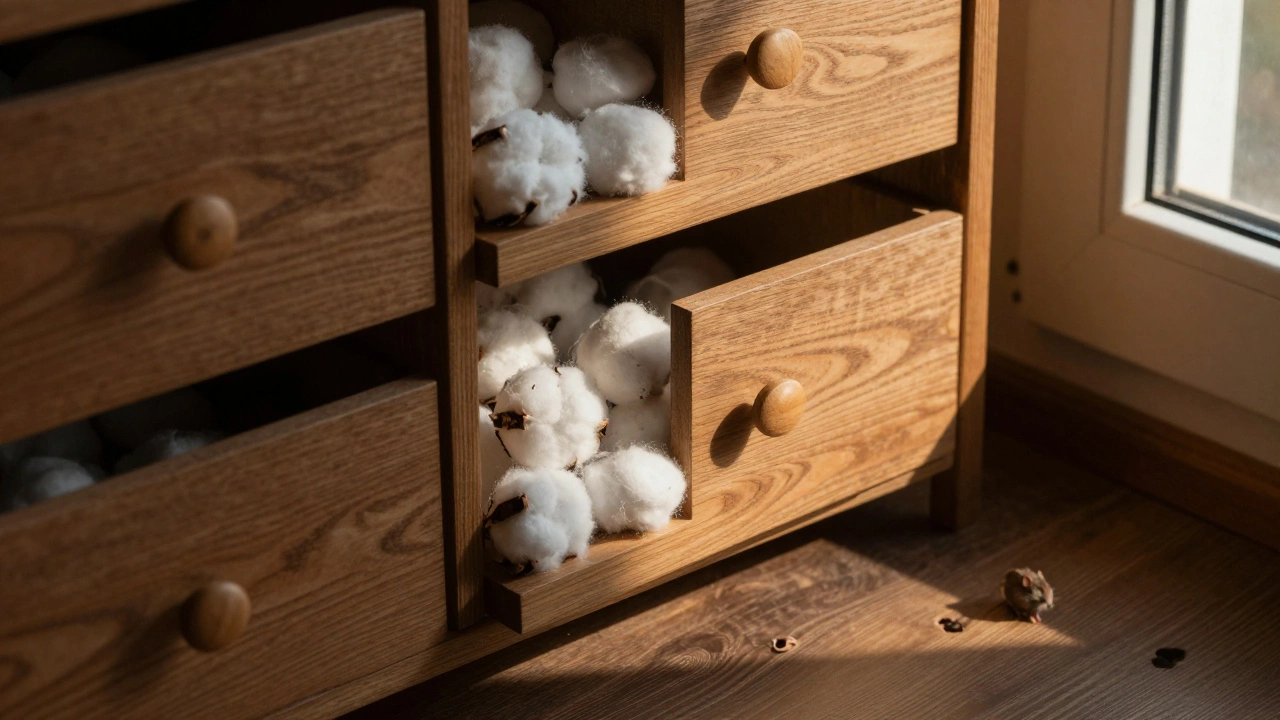
You’ll find real examples below: how people stopped mice from ruining furniture in storage, why clutter invites pests, and how simple changes to storage habits can keep spaces clean and safe. These aren’t theoretical tips—they’re what worked in actual homes, schools, and storage units. No magic sprays. No expensive services. Just smart, simple steps anyone can take today.