Cushion Protection Calculator
Protect Your Cushions
Calculate the best rain protection solution for your outdoor cushions based on your climate, budget, and usage patterns.
Recommended Solution
Select your climate, budget, and usage frequency to see the best protection method for your cushions.
When the first heavy rain hits your backyard, you don’t want to watch your outdoor cushions turn into soggy, mildew-prone sponges. Yet every year, thousands of people leave their cushions out-either because they forgot, didn’t know better, or just hoped the rain would pass. The truth? Rain doesn’t care how nice your cushions look. Water gets in, mold grows, and within a season, you’re tossing them out and buying new ones. But it doesn’t have to be that way.
Most people don’t store cushions properly-here’s why that’s a problem
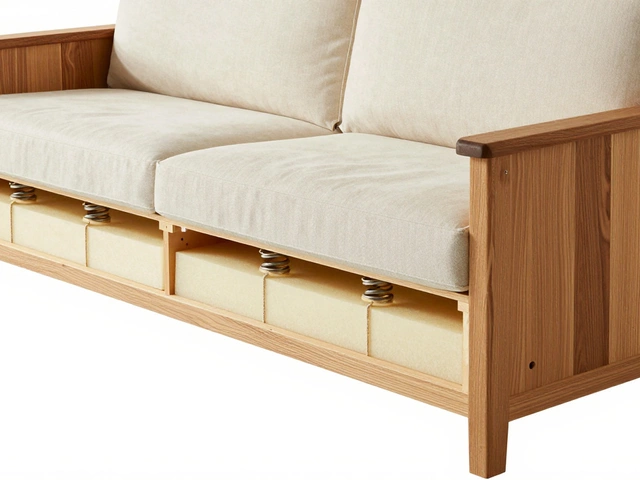
Outdoor cushions aren’t made for constant exposure to rain. Even if they’re labeled "weather-resistant," that doesn’t mean they’re waterproof. Most use polyester or acrylic fabric that sheds water briefly, but the foam inside? It absorbs moisture like a sponge. In Auckland’s damp winters, a single overnight downpour can soak through the outer layer and leave the core waterlogged. After three or four of those, the foam starts to break down. It loses shape. It smells. And no amount of sun-drying fixes it.
People often think, "I’ll just wipe it off." But wiping the surface does nothing for what’s inside. Water doesn’t sit on top-it travels through seams, zippers, and tiny gaps in the stitching. By the time you see water pooling on the ground beneath the cushion, it’s already too late.
What do smart homeowners actually do?
Those who keep their cushions looking new for years don’t rely on luck. They have a system. Here’s what works in real life, based on what people in wet climates like ours actually do:
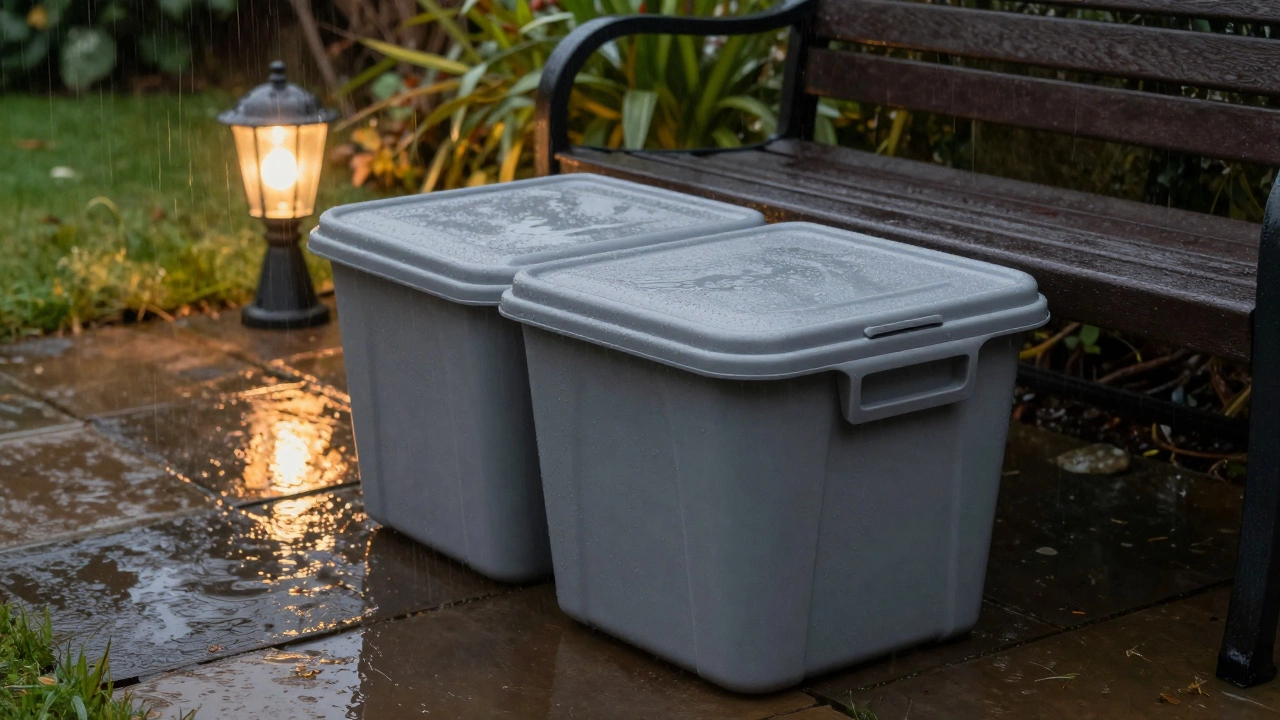
- Use waterproof storage bins - A heavy-duty plastic storage box with a tight lid is the cheapest and most effective solution. You can find them at hardware stores for under $40. Just slide the cushions in after each use. No need to clean them first-just shake off loose dirt. The bin keeps them dry, dust-free, and out of reach from pets or kids.
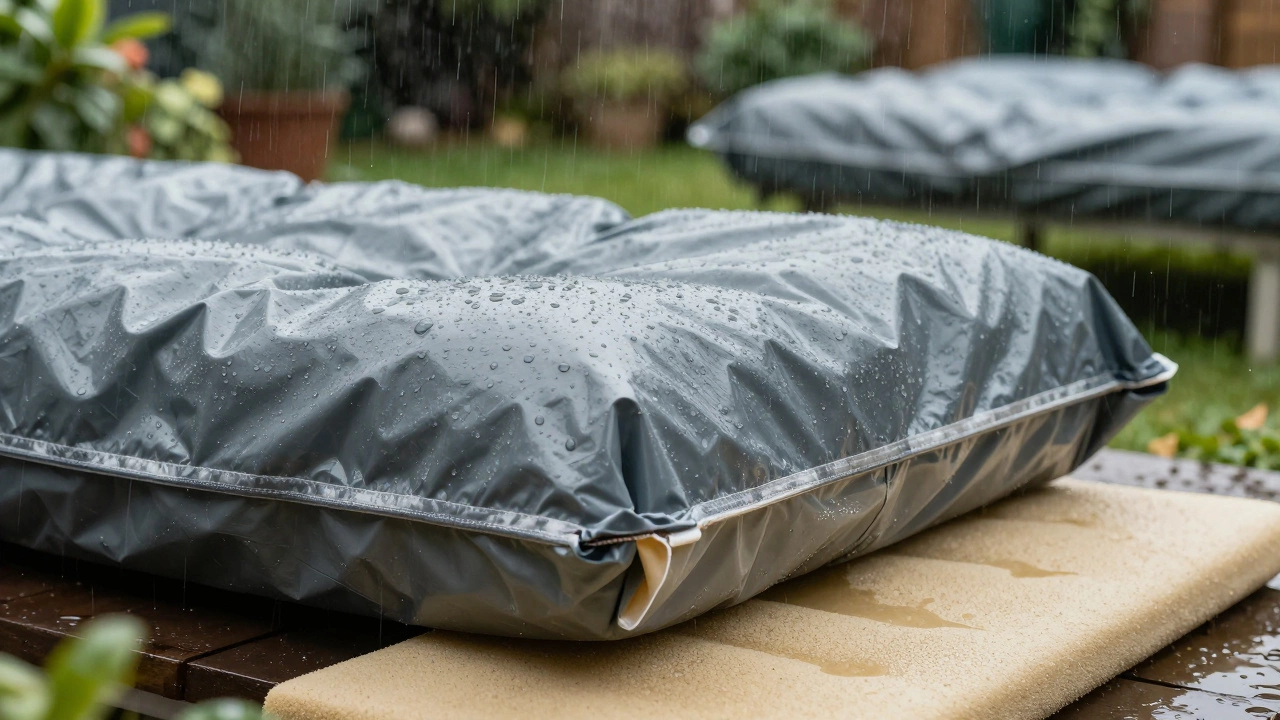
- Invest in cushion covers - Not the decorative ones you buy for style. Real weatherproof covers made of marine-grade vinyl or solution-dyed polyester. These slip over the cushions like a raincoat. They’re breathable, UV-resistant, and won’t trap moisture underneath. Brands like Sunbrella and Outdura make covers that last 5+ years with minimal care.
- Store them indoors - If you have a shed, garage, or even a closet, bring them in after rain. It’s not glamorous, but it’s the most reliable method. A single cushion takes up less space than a garden gnome. And if you’re worried about clutter, stack them vertically or use a slim storage bench with hidden compartments.
- Buy cushions with removable, machine-washable covers - This isn’t optional if you live somewhere with frequent rain. Cushions with zippers that let you take off the cover are a game-changer. You can toss the cover in the washing machine with mild detergent, hang it to dry, and snap it back on. Foam inserts can be wiped down with a damp cloth and left to air out.
Why "weather-resistant" doesn’t mean what you think
Marketing loves the word "weather-resistant." It sounds like the cushion can handle anything. But in reality, it just means the fabric won’t fade quickly in sunlight or get stained by bird droppings. It says nothing about water penetration. A 2023 test by Consumer NZ found that 7 out of 10 "weather-resistant" outdoor cushions absorbed more than 300ml of water after 2 hours of simulated rain. That’s enough to ruin the foam core.
Look for cushions labeled "waterproof" instead. That means the fabric has a coating or laminate that stops water from getting in. Or better yet, choose cushions with drainage holes in the bottom. These let water escape instead of trapping it. You’ll see them in higher-end garden sets-they’re not always obvious, but if you flip the cushion over, there should be small slits or mesh panels.
What happens if you ignore the rain?
Ignoring rain isn’t just inconvenient-it’s expensive. A good set of outdoor cushions costs between $150 and $400. If you let them sit in the wet for months, you’ll need to replace them every 1-2 years. With proper care, they’ll last 5-7 years. That’s a $200-$600 savings over time.
And it’s not just about money. Mold and mildew from damp cushions can trigger allergies. One study in the Journal of Allergy and Clinical Immunology linked prolonged exposure to damp outdoor furniture with increased respiratory symptoms in children and seniors. You’re not just protecting your cushions-you’re protecting your health.
Quick tips for Auckland’s climate
Here in Auckland, we get rain almost every week from May to September. You don’t need a complex system. Just do these three things:
- Check the forecast - If rain is coming, cover or store cushions the night before. Don’t wait until it starts pouring.
- Use a tarp as a backup - Keep a large, heavy-duty tarp in your shed. Drape it over the whole set if you forget to bring cushions in. Anchor it with bricks or weights so it doesn’t blow away.
- Rotate cushions monthly - Even if they’re stored, moisture can build up in one spot. Flip them over every few weeks so air circulates evenly.
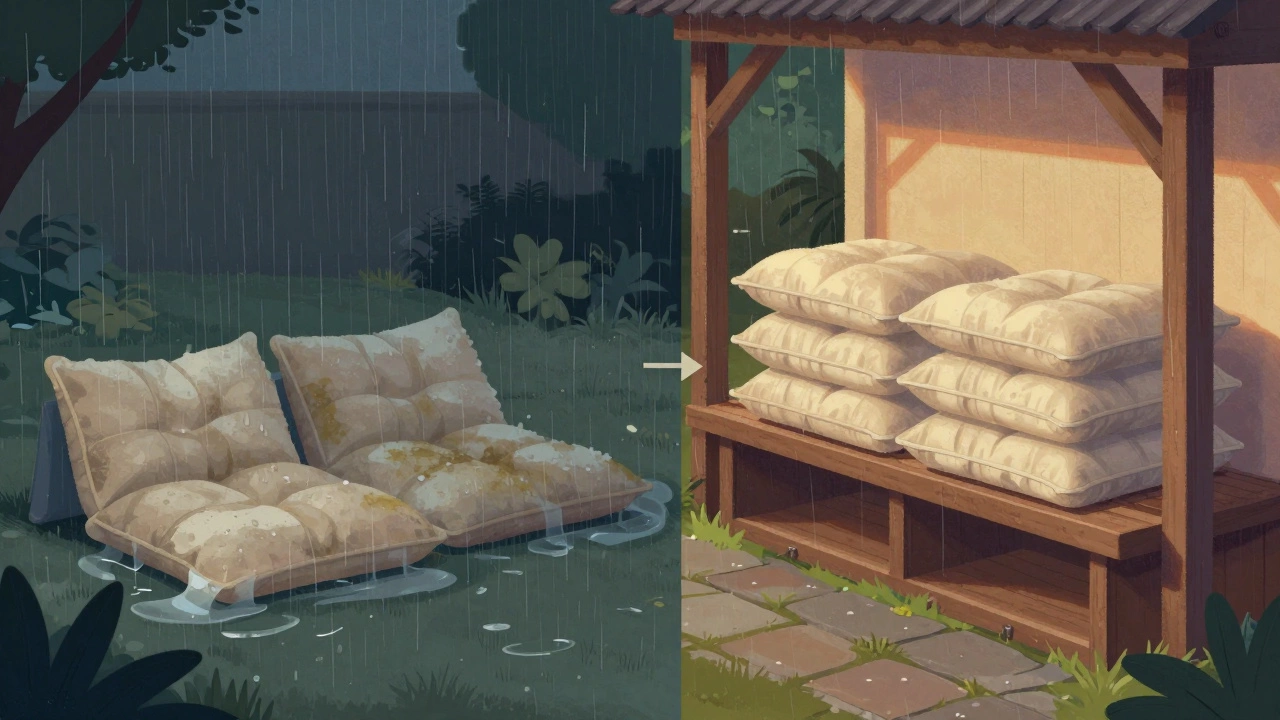
What about those fancy outdoor cushion heaters?
Some brands sell cushions with built-in heating elements. They’re great for chilly evenings-but they’re useless if they get wet. Never leave them outside during rain. Even the best waterproofing can’t protect electronics. If you have heated cushions, treat them like a phone: keep them dry, or they’ll die.
Final thought: It’s not about being perfect-it’s about being consistent
You don’t need to store your cushions every single time it drizzles. But if you skip it too often, you’re gambling with your money and your comfort. The people who enjoy their outdoor space year-round aren’t the ones with the fanciest furniture. They’re the ones who made a habit of protecting it.
Start small. Pick one method-storage bins, covers, or indoor storage-and stick with it. In six months, you’ll wonder why you ever left them out in the first place.
Can I leave outdoor cushions out in the rain if they’re labeled waterproof?
Even if cushions are labeled waterproof, it’s not safe to leave them out for long periods. Waterproof means they resist water penetration temporarily, but constant exposure to rain, humidity, and UV rays still breaks down materials over time. Always store or cover them after heavy rain to extend their life.
How do I clean mold off outdoor cushions?
If mold appears, remove the cushion cover and wash it in warm water with a mixture of one part white vinegar to three parts water. Scrub gently with a soft brush, then rinse and air-dry completely. For the foam core, wipe with a damp cloth and a mild detergent. Never use bleach-it weakens fabric and foam. If the mold smell won’t go away, replace the cushion.
Are there outdoor cushions that don’t need storing?
No cushion is truly maintenance-free. Even high-end, all-weather cushions made with quick-dry foam and marine-grade fabric still benefit from being covered or stored during prolonged rain. The goal isn’t to avoid storage-it’s to make it easy and consistent so you actually do it.
Can I use regular indoor cushions outdoors?
No. Indoor cushions are made with cotton, down, or standard foam that absorbs water quickly. They’ll mildew within days of being exposed to rain or dew. Only use cushions specifically designed for outdoor use, with water-resistant covers and quick-dry foam cores.
What’s the best way to store outdoor cushions in winter?
Clean them first, then store them in a dry, ventilated space like a shed or garage. Use plastic bins with lids to keep out moisture and pests. Don’t store them in plastic bags-they trap condensation. Place them on shelves or pallets, not directly on concrete. If possible, flip them every few weeks to prevent flat spots.