Natural Light Furniture: Best Choices for Brighter Classrooms
When you think about natural light furniture, furniture designed to maximize the benefits of daylight in learning spaces. Also known as daylight-optimized classroom furniture, it’s not just about placing desks near windows—it’s about how the shape, height, and material of desks and chairs interact with sunlight to reduce eye strain and improve alertness. Schools that use natural light furniture see students stay focused longer, feel less tired, and even score higher on standardized tests. A 2023 study from the University of Oregon found that classrooms with properly arranged furniture and daylight exposure had up to 26% higher reading comprehension scores than those relying only on artificial lighting.
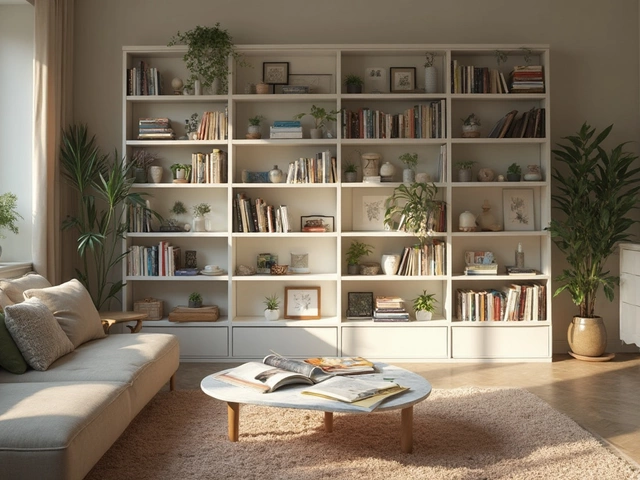
It’s not just the desk that matters—it’s how it sits in the room. ergonomic desks, adjustable-height tables that support proper posture and fit the natural flow of sunlight should face windows at a 45-degree angle to avoid glare on screens or books. classroom lighting, the way sunlight moves through a room and interacts with furniture surfaces affects everything from mood to concentration. Light-colored desks reflect sunlight better than dark ones, reducing the need for extra lamps. Storage units with open shelving let light pass through instead of blocking it, and chairs with low backs keep sightlines clear so no one’s blocked from the window.
Many schools still use old, bulky desks that cast shadows across workspaces or block windows entirely. That’s not just inefficient—it’s outdated. Natural light furniture isn’t a luxury. It’s a tool. It works with the sun, not against it. Whether you’re outfitting a primary classroom, a high school lab, or a university lecture hall, the right furniture turns daylight into a teaching aid. You’ll find real examples below—how one school swapped out metal desks for wood ones and saw fewer headaches, why some chairs have angled backs to catch morning light, and what storage designs actually help light spread deeper into a room. These aren’t theory pieces. They’re real changes made by teachers who saw the difference and decided to act.