Protect Furniture During Storage: Essential Tips for Keeping Pieces Safe
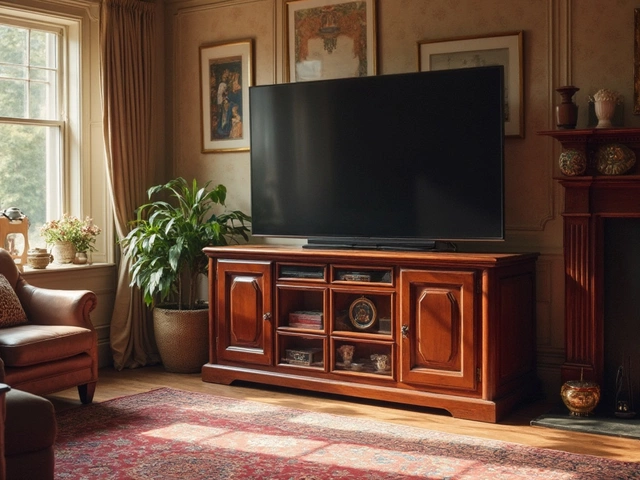
When you need to protect furniture during storage, it’s not just about tossing it in a unit and hoping for the best. Furniture—whether it’s a wooden dining set, a leather sofa, or a metal-framed bed—is vulnerable to humidity, temperature swings, dust, and even pests. A storage unit, a climate-controlled or basic space used to store household items temporarily might seem like a simple solution, but without the right prep, your pieces can warp, mildew, or scratch before you even get them back out. And it’s not just about big items: even small wooden drawers or upholstered chairs can suffer if left exposed.
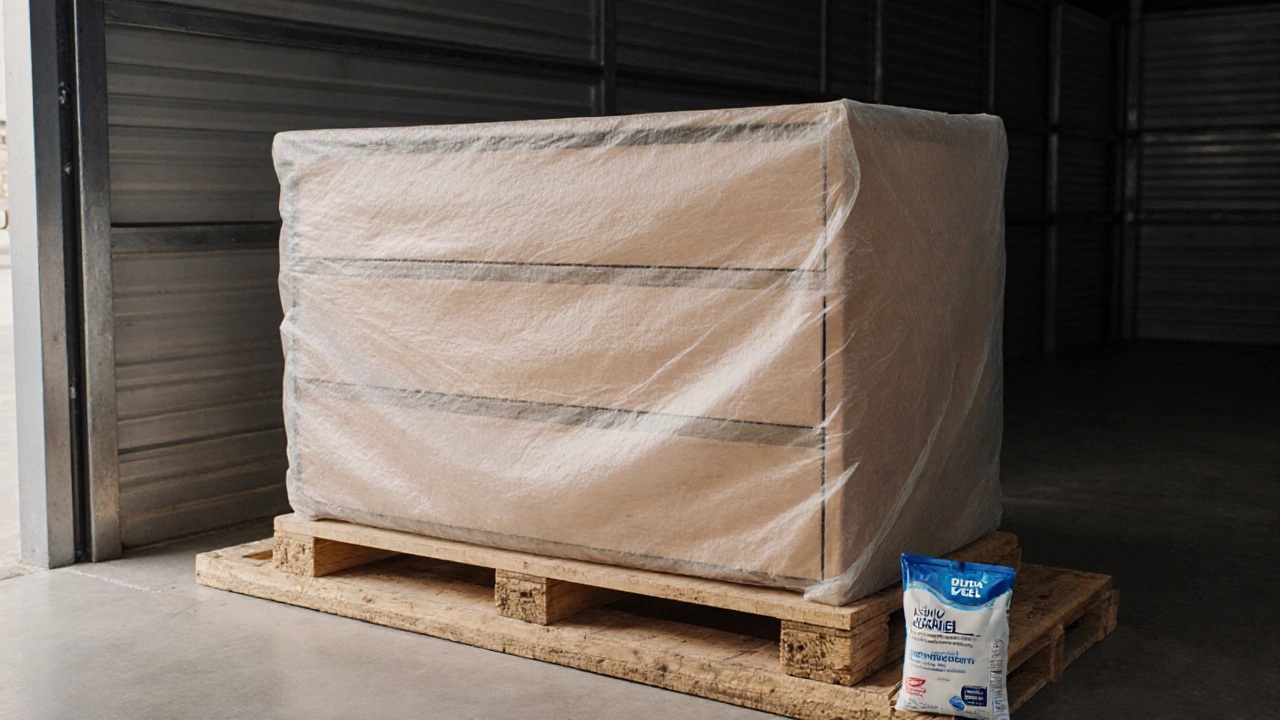
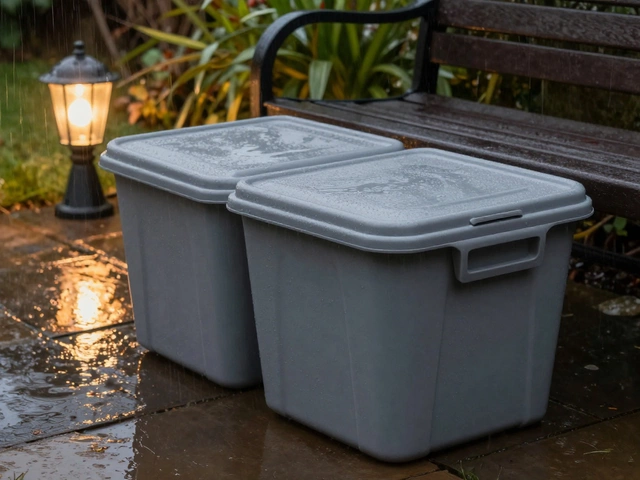
One of the biggest threats? moisture absorbers for storage, materials like silica gel or calcium chloride that pull dampness from the air. High humidity turns storage spaces into breeding grounds for mold and warping, especially in the UK where damp weather lingers. You wouldn’t leave a book in a bathroom without a fan—why do it with your sofa? Using furniture covers, breathable, non-plastic protective sheets designed to shield items without trapping moisture makes a huge difference. Plastic wraps might keep dust off, but they trap moisture inside, which is worse than no cover at all. Instead, go for cotton or canvas covers, and always raise furniture off the floor with pallets or blocks. Even a few inches of clearance stops wicking from damp concrete.
It’s not just about covering things. Position matters. Keep pieces away from walls in storage units—airflow helps prevent condensation buildup. Avoid stacking heavy items on top of upholstered furniture; pressure can crush springs and distort frames. If you’re storing a wardrobe, leave the doors slightly ajar so air can circulate inside. And don’t forget to clean everything first. Dust and crumbs attract bugs, and grease from hands or food can stain wood over time. A quick wipe-down with a dry cloth before storage saves hours of scrubbing later.
You’ll find posts below that dig into real-world solutions: how to pick the right moisture absorbers, what kind of covers actually work, and how to set up a 5x10 storage room so your furniture stays in one piece. Some of these tips come from people who’ve stored heirloom pieces, others from those who’ve learned the hard way after a ruined couch. There’s no magic trick—just smart, simple steps that make all the difference. Whether you’re moving houses, renovating, or just need extra space, knowing how to protect your furniture during storage means you won’t lose what matters most when you pull it back out.