Wall Stud Finder Tool
TV Mount Safety Check
Determine if your wall has suitable studs for safe TV mounting. Based on article research from New Zealand homes.
Results
Deciding between TV mounting and using a stand isn't just about looks-it affects your room's layout, safety, and even your viewing experience. Let's break down the real-world differences so you can make the right choice for your home.
TV Stand Option: Pros and Cons
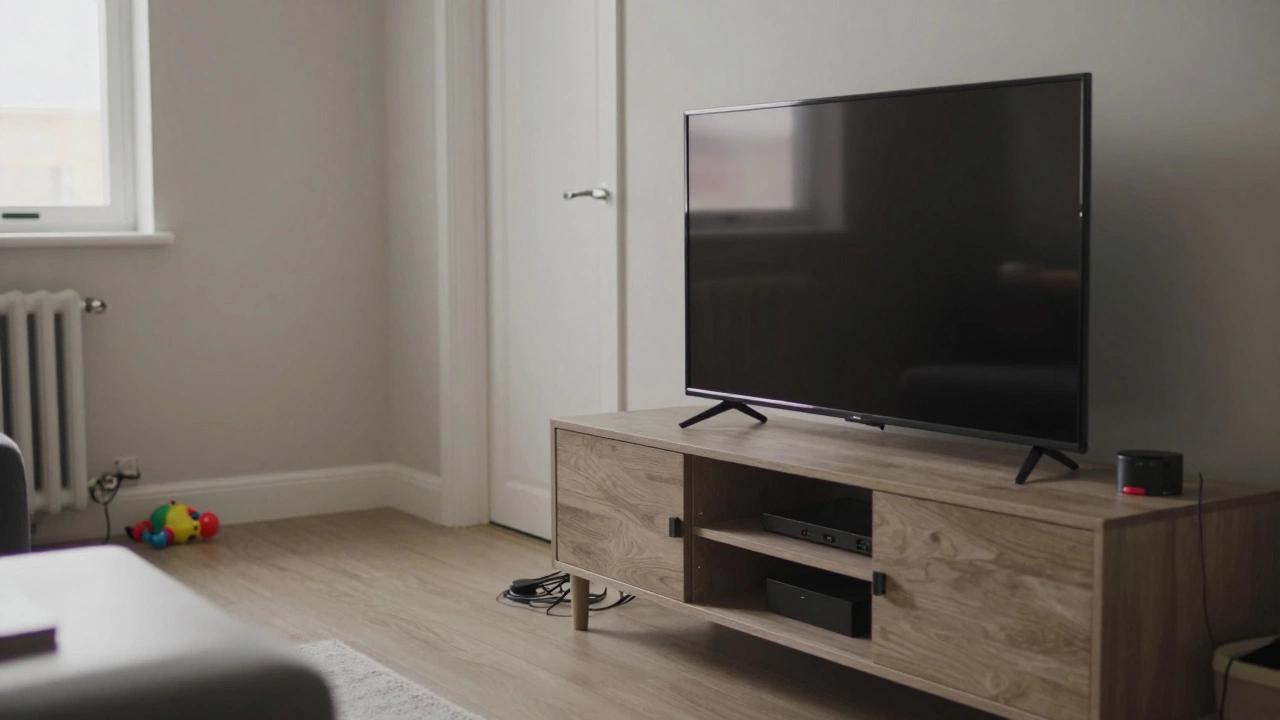
TV stands are simple and affordable. You can find them in almost any size and style. They work well for renters because you can move them easily. But they take up floor space, and if you have kids or pets, there's a risk of the TV tipping over. A heavy TV on a cheap stand could be dangerous.
For example, a 55-inch TV on a stand needs a base at least 40 inches wide. In a small apartment, this might block a doorway or reduce walking space. Stands also hide cables well, but they can make the room look cluttered. If you're on a tight budget, a stand is a safe choice-no drilling required.
Wall Mounting: What You Need to Know
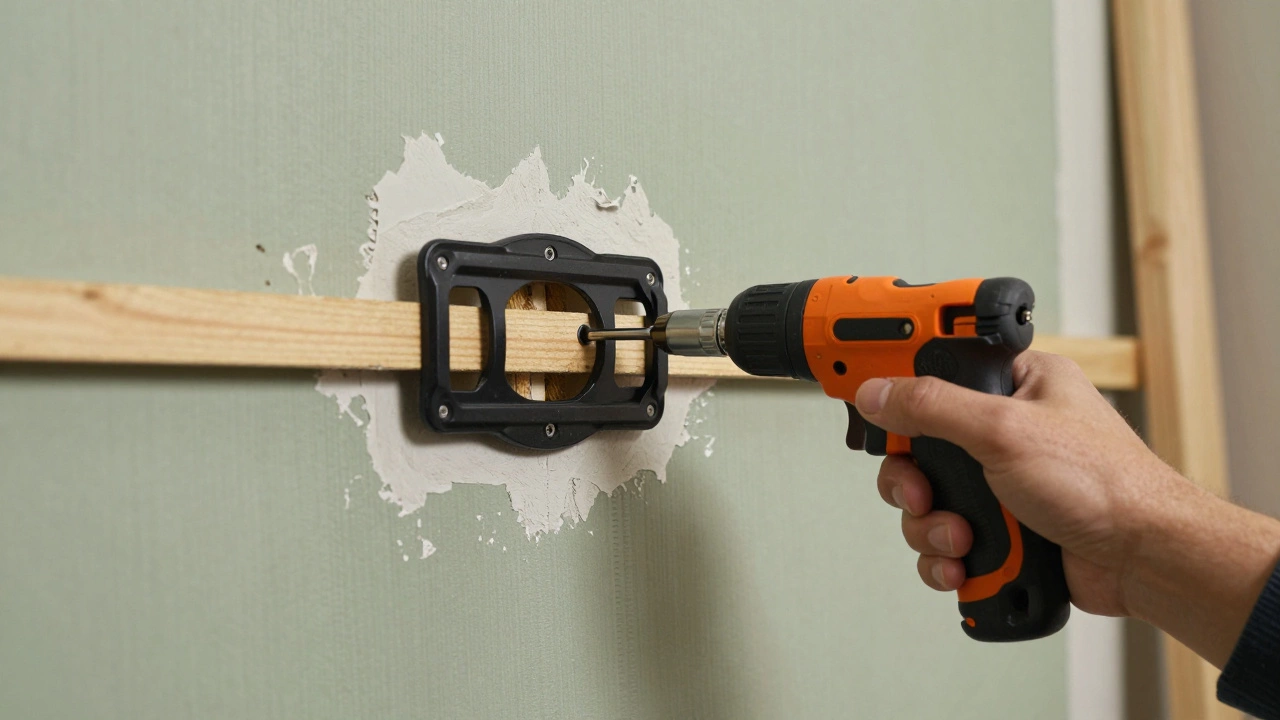
Mounting a TV on the wall saves space and gives a sleek look. But it requires drilling into walls, which can be tricky. You need to find wall studsWooden or metal structural components inside walls that provide support for mounting heavy objects to support the weight. If you skip this step, the TV could fall. In New Zealand homes with plasterboard walls, finding studs is essential. A professional installation typically costs between $100 and $300, depending on complexity.
Most modern TVs use VESA standardsA standardized mounting pattern for TVs, measured in millimeters (e.g., 200x200mm) for mounting brackets. Always check your TV's VESA specs before buying a bracket. Proper cable management is also critical-running wires through walls keeps things tidy but requires planning.
Comparison: TV Mounting vs Stand
| Factor | TV Stand | Wall Mount |
|---|---|---|
| Cost | Lower upfront cost ($50-$200) | Higher upfront cost ($100-$300+ for hardware and installation) |
| Space | Takes up floor space, can clutter room | Free up floor space, better for small rooms |
| Safety | Risk of tipping, especially with kids or pets | Secure when properly installed, but improper mounting can be dangerous |
| Aesthetics | Can look bulky; stand design affects room style | Clean, minimalist look; TV flush against wall |
| Installation | Simple; no tools needed | Requires tools, drilling, and knowledge of wall structure |
Key Factors That Decide Between Them
Your home's layout matters. If you have a small living room, a wall mount can make the space feel bigger. But if your walls are made of plasterboard without easy stud access, a stand might be safer. For renters, check your lease agreement-some prohibit drilling holes. Also, consider how often you move. Stands are portable; mounts are permanent.
Another factor is viewing angle. Wall mounts often allow tilting or swiveling, which is great for rooms with windows or multiple seating areas. Stands usually have fixed angles unless you buy a fancy one. In Auckland homes with lots of natural light, adjustable mounts can reduce glare better than fixed stands.
Real-World Scenarios: Which Option Fits Your Home?
Imagine you live in a tiny apartment in central Auckland. A wall mount keeps your TV out of the way, freeing up floor space for a desk or sofa. But if you're in a heritage-listed building where drilling isn't allowed, a sturdy TV stand is your only option.
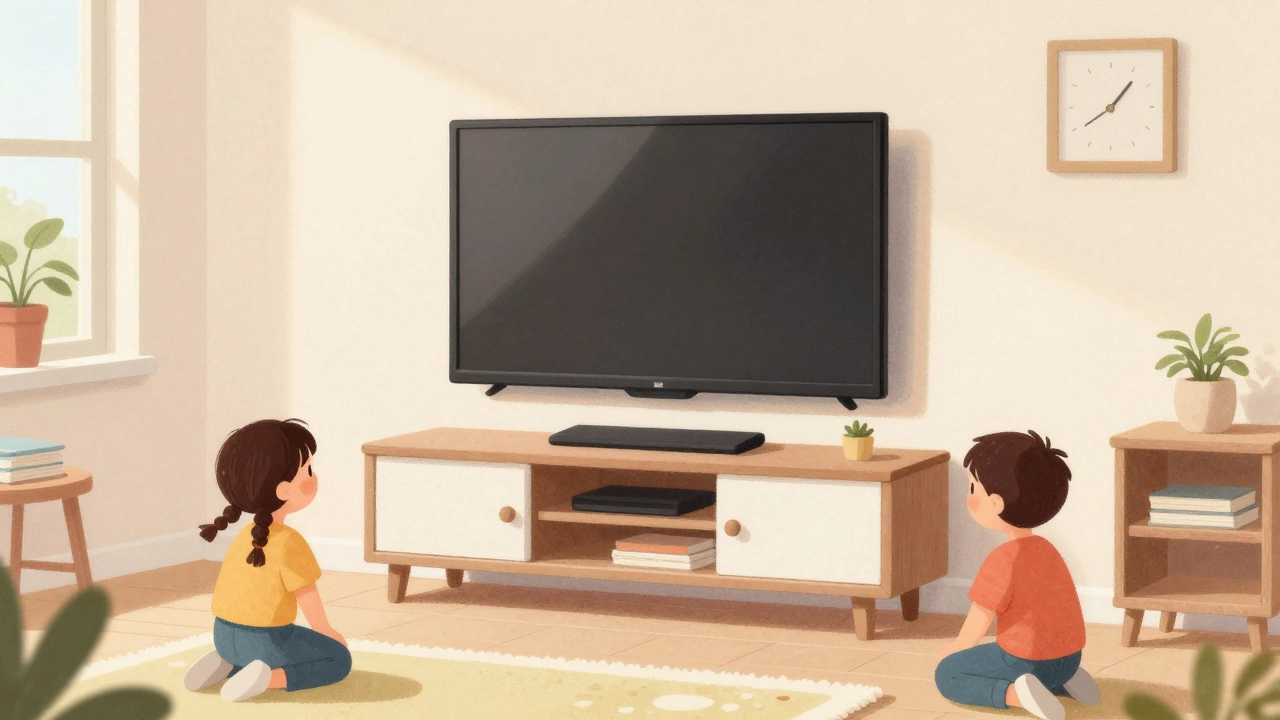
For families with young kids, wall mounting eliminates tipping risks. However, if the mount is poorly installed, it could fall. A sturdy TV stand with a wide base and anti-tip strap is also safe. Always prioritize safety over aesthetics-especially in homes with children.
On a budget? A basic stand under $100 works. If you're willing to invest, a professional wall mount installation ensures safety and looks great long-term. Remember: a poorly installed mount is worse than no mount at all.
Common Mistakes to Avoid
Many people skip checking wall studs. Drilling into plasterboard alone won't hold a TV's weight. Always use a stud finderA tool for locating wooden or metal studs inside walls-cheap ones cost under $20. Another mistake is using a bracket that doesn't match your TV's VESA pattern. This can damage the TV or cause it to fall.
Also, don't forget cable management. Running wires through walls looks clean, but if you don't plan it, you'll have messy cords. For stands, choose one with built-in cable channels to keep wires hidden.
Finally, avoid cheap, flimsy stands. A $30 stand might tip over with a 65-inch TV. Invest in a sturdy model rated for your TV's size and weight.
Frequently Asked Questions
Can I mount a TV on drywall without studs?
Mounting a TV on drywall without studs is risky. Drywall alone can't support heavy TVs. If you absolutely must, use toggle bolts rated for the TV's weight, but this is not recommended. Always find studs for safety. In New Zealand homes, most walls have studs spaced 16 inches apart-use a stud finder to locate them.
What's the average cost to mount a TV professionally?
Professional TV mounting in New Zealand typically costs $100-$300. Factors include wall type (plasterboard vs concrete), cable management needs, and whether you need a special bracket. Simple mounts on stud walls start around $100, while complex installations with hidden wiring can exceed $300. Always get quotes from licensed installers.
Are TV stands safer than wall mounts for homes with children?
It depends. A wall-mounted TV is generally safer because it's fixed and can't tip over. However, if the mount is poorly installed, it could fall. A sturdy TV stand with a wide base and anti-tip strap is also safe. For maximum safety, always secure the TV to the stand or wall with straps, regardless of the setup.
How do I choose the right TV stand size?
Measure your TV's width and choose a stand at least 2 inches wider on each side. For example, a 55-inch TV (about 48 inches wide) needs a stand at least 52 inches wide. Also, check the stand's weight capacity-it should exceed your TV's weight by 20%. Most stands list compatible TV sizes in their specs.
Can I move a wall-mounted TV later?
Moving a wall-mounted TV is possible but involves removing the bracket and patching holes in the wall. If you plan to move often, a stand is more practical. For renters, wall mounting often requires landlord approval. Always check your lease before drilling holes.