Storing Furniture Safely: How to Protect Your Pieces from Damage and Pests
When you're storing furniture safely, you're not just putting things away—you're protecting an investment. Whether it's a wooden dining set, a fabric sofa, or a metal bookcase, improper storage can lead to warping, mold, stains, or worse: rodents chewing through everything. A furniture storage cover, a breathable barrier designed to shield furniture from dust, moisture, and pests during long-term storage is the first line of defense. Without it, even the sturdiest pieces can become unusable in just a few months.
Then there’s the silent threat: mice, small rodents that seek warm, hidden spaces to nest and chew. They don’t care if your couch is vintage or your dresser is brand new. If it’s in a garage, basement, or storage unit, they’ll find it. That’s why mouse repellent, natural or chemical solutions that deter rodents from entering storage areas isn’t optional—it’s essential. And it’s not just about sprays. The type of material your furniture is made from, how tightly it’s packed, and even the lighting in the storage space all play a role in whether mice move in.
People often think covering furniture is enough. But a plastic tarp traps moisture, which invites mold and mildew. A cotton sheet? It’s a snack for mice. What actually works? Breathable cotton or non-woven fabric covers, raised platforms to keep items off damp floors, and smart placement—like keeping pieces away from walls where condensation builds. You also need to think about airflow, humidity levels, and whether the space is sealed properly. A furniture protection, the full set of practices used to maintain furniture condition during storage isn’t one trick. It’s a system: cover, elevate, ventilate, and deter.
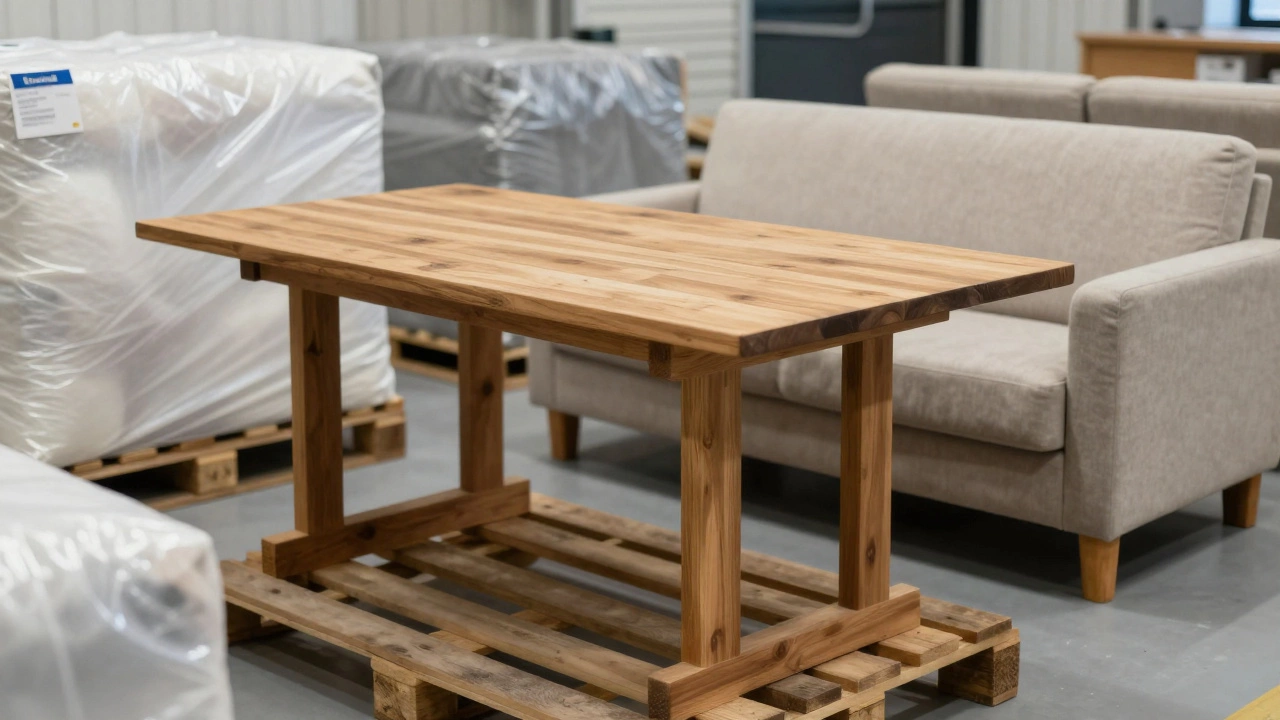
And it’s not just about the furniture itself. Where you store it matters just as much. A climate-controlled unit is ideal, but if you’re using a shed or garage, you need extra steps. Elevate items on pallets. Use silica gel packs. Check for gaps where mice can squeeze in. Seal cracks with steel wool. Even something as simple as placing cedar blocks near your storage area helps—mice hate the smell. You’re not just storing furniture. You’re managing an environment.
What you’ll find below are real, tested methods from people who’ve lost furniture to moisture, mold, or mice—and figured out how to stop it. From how to properly wrap a leather sofa to which natural repellents actually work, these posts cut through the noise. No fluff. No guesswork. Just what happens when you do it right—and what goes wrong when you don’t.