Bookcase vs. Bookshelf Selector
Ever stood in front of a store aisle, staring at two pieces of furniture that look almost identical - one labeled bookshelf, the other a bookcase - and wondered if it’s just marketing wordplay? You’re not alone. In homes across Auckland, Sydney, and beyond, people mix up these two terms every day. But there’s a real difference. Not just in name, but in structure, purpose, and how they fit into your space.
Bookshelf: Open, Simple, and Flexible
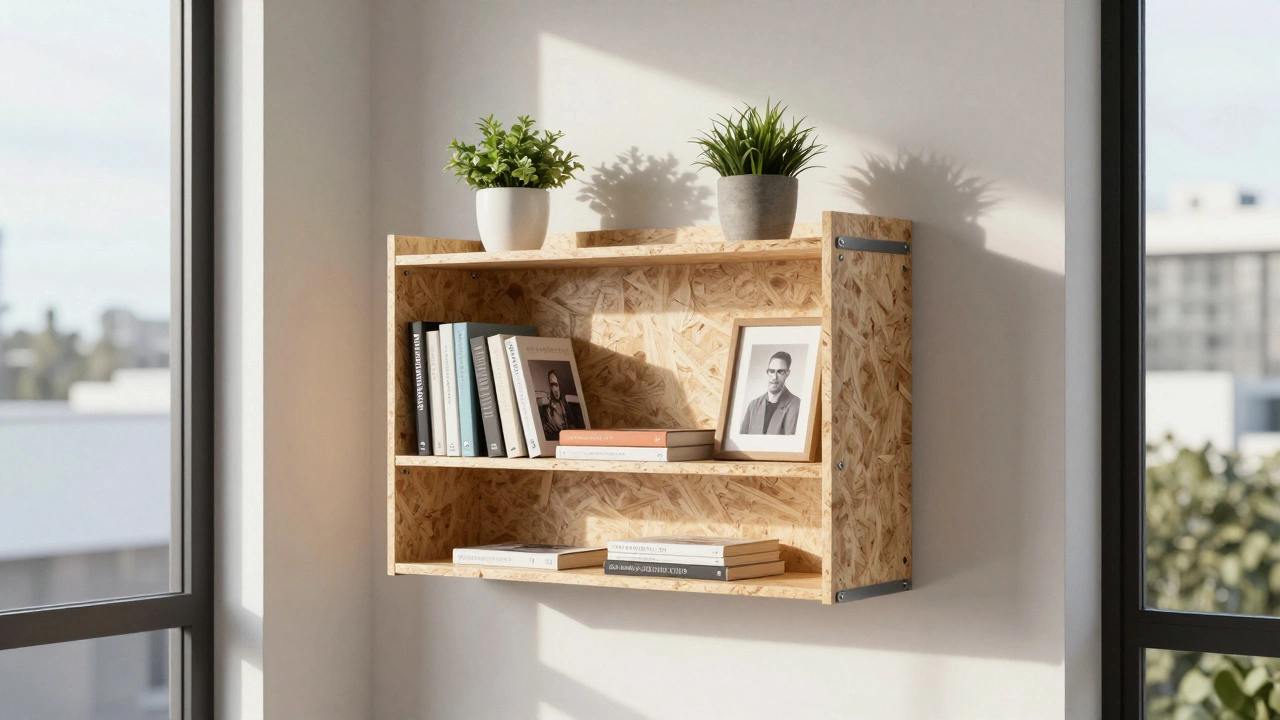
A bookshelf is, at its core, a shelf - or a set of shelves - designed to hold books and other items. It’s often open on all sides, with no back panel, no doors, and sometimes no sides either. Think of the kind you might find in a dorm room, a child’s bedroom, or even a minimalist living room. It’s lightweight, easy to assemble, and usually made from particleboard, metal, or thin wood.
Bookshelves are meant to be modular. You can stack them, move them around, or even hang them on the wall. They don’t need to be permanent. A bookshelf might have three or five shelves, but it doesn’t come with a frame. It’s just shelves. That’s it.
They’re great if you want to display books casually, toss in a few plants or photo frames, or change your layout every season. But because they’re open, they collect dust faster. And if you’re trying to keep things tidy, you’ll need to arrange your books carefully - or accept the clutter.
Bookcase: Built to Last, With Structure
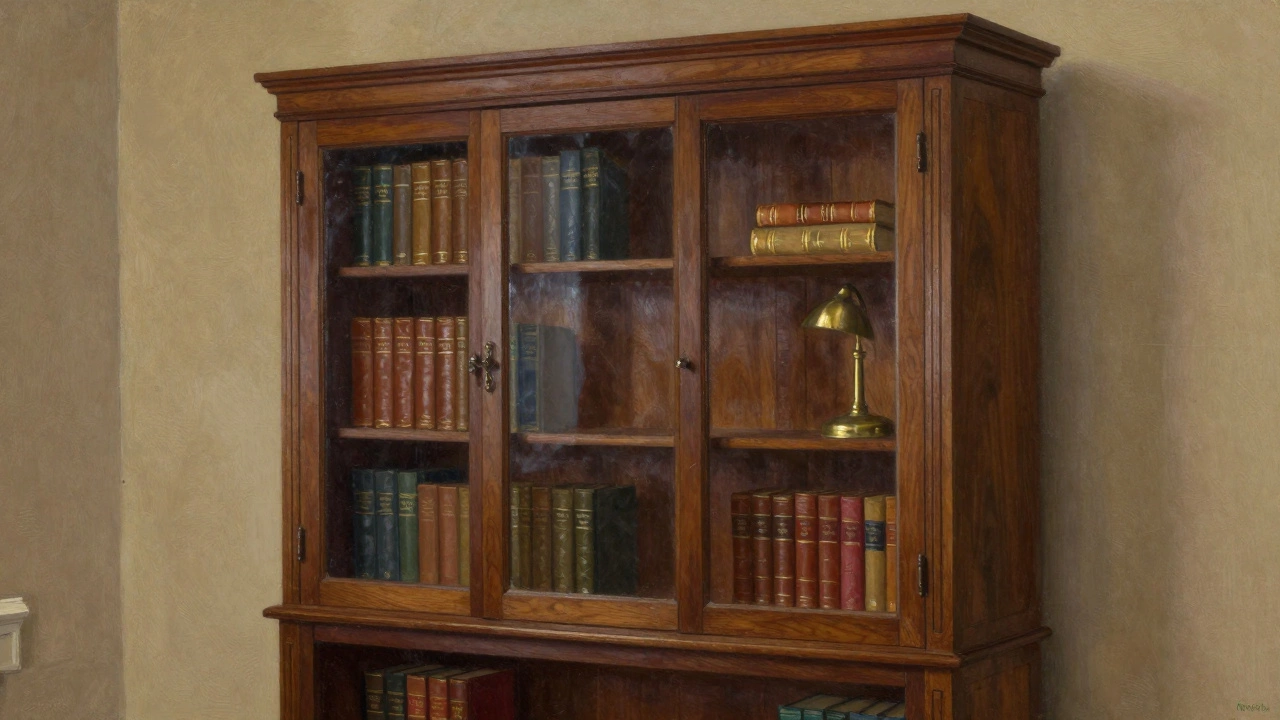
A bookcase, on the other hand, is a full piece of furniture. It has a frame - sides, top, bottom, and usually a solid back panel. Some even come with doors or glass fronts. It’s designed to stand alone, often as a focal point in a study, library, or living room. You won’t find many bookcases labeled as “DIY kits” because they’re meant to be sturdy, permanent, and finished.
Traditional bookcases are made from solid wood - oak, walnut, or pine - and often feature decorative trim, carved edges, or built-in lighting. They’re heavier. You don’t move them often. They’re built to last decades, not seasons. In New Zealand homes, you’ll see them in older houses, especially in rooms where reading and quiet focus matter.
Because of their enclosed back, bookcases keep dust out better. They also feel more finished. A bookcase doesn’t just hold books - it makes a statement. It says, “This space is for thought, for calm, for things that matter.”
Back Panel: The Hidden Difference
Here’s the one detail most people miss: the back panel. A true bookcase always has one - usually made of thin plywood or hardboard - attached to the rear frame. This isn’t just for looks. It adds stability. It prevents the unit from wobbling. It lets you mount heavy books without the risk of the whole thing tipping forward.
A bookshelf? Often, it has no back at all. Or, if it does, it’s just a thin decorative strip, not structural. That’s why you’ll see bookshelves wobble when you load them with textbooks. A bookcase? It’ll hold a full set of encyclopedias without a single creak.
If you’re stacking heavy reference books, legal binders, or a collection of first editions, a bookcase is the only safe choice. A bookshelf might hold up for a while - but eventually, the lack of structure will show.
Style and Placement Matter
Bookshelves are flexible. You can put them against a wall, in a corner, or even use them as room dividers. They work in small apartments, rental homes, or dorms. They’re affordable. You can buy one for under $50 at a local store like Kmart or IKEA.
Bookcases are intentional. They’re meant to be seen. They often sit in the center of a room, against a feature wall, or in a dedicated reading nook. They’re not just storage - they’re decor. A solid wood bookcase with glass doors can cost $800 or more. It’s an investment. And if you’re buying one, you’re thinking long-term.
In Auckland homes, bookcases often appear in heritage homes or renovated spaces where people want to preserve a sense of history. Bookshelves show up in modern, open-plan flats where minimalism rules.
When to Choose Which
Ask yourself these questions:
- Are you storing heavy books or just a few paperbacks and decor items?
- Do you need a permanent piece, or something you might move next year?
- Is dust a concern? (Bookcases keep it out better.)
- Do you want it to look like furniture - or just a place to stack stuff?
- Are you renting? (Bookshelves are easier to take with you.)
If you’re a student, a new homeowner, or someone who changes decor often - go with a bookshelf. It’s practical, cheap, and easy to replace.
If you’re building a home library, collecting rare books, or want a piece that lasts 20+ years - choose a bookcase. It’s not just storage. It’s legacy.
Common Misconceptions
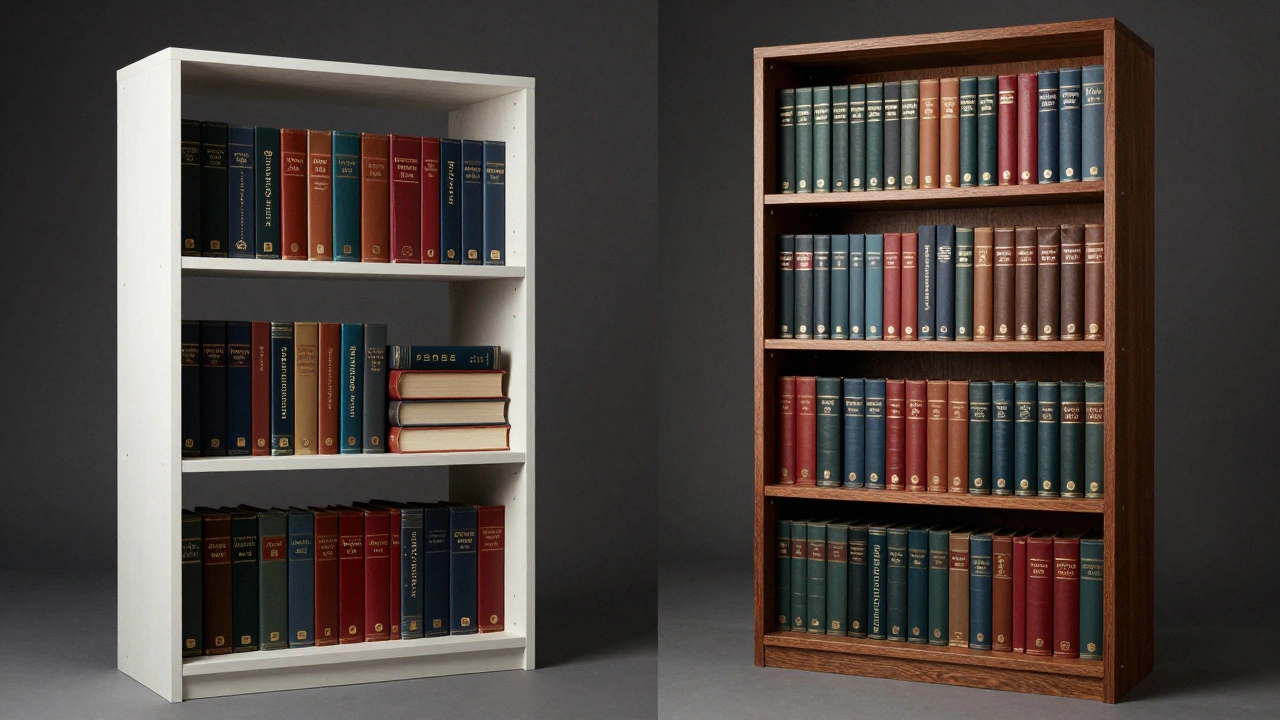
People say, “It’s just semantics.” But that’s not true. In furniture design, the terms have real meaning. A bookcase is a cabinet. A bookshelf is a shelf.
Some stores label everything as a “bookcase” to sound fancier. That’s marketing. Don’t be fooled. Check the back panel. Look at the materials. Feel the weight. If it’s flimsy and has no back - it’s a bookshelf.
And don’t assume all tall, narrow units are bookcases. A tall, open shelving unit with no back is still a bookshelf - even if the tag says “bookcase.”
What About Ladder Bookcases and Wall-Mounted Units?
Ladder bookcases? Those are usually bookshelves. They’re open, lightweight, and often wall-mounted. No back panel. No frame. Just shelves angled like a ladder.
Wall-mounted shelves? Also bookshelves. Even if they’re made of solid oak. If there’s no frame, no sides, and no back - it’s still a bookshelf. The material doesn’t change the type. The structure does.
True bookcases have depth. They’re usually 10 to 14 inches deep - enough to hold hardcovers without books tipping forward. Bookshelves? Often only 8 inches deep. That’s fine for paperbacks, but not for larger volumes.
Final Thought: It’s Not About the Name - It’s About the Fit
At the end of the day, you don’t need to memorize the difference to live well. But knowing it helps you make smarter choices. A bookshelf gives you flexibility. A bookcase gives you permanence.
If you’re in a rental, go with a bookshelf. If you’re settling in for the long haul, invest in a bookcase. If you love the look of open shelves, go for a bookshelf. If you want your books to feel protected, choose a bookcase with doors.
Don’t let a label decide for you. Look at the structure. Feel the weight. Think about how you’ll use it. That’s what really matters.
Can a bookshelf have a back panel?
Some bookshelves do have back panels, but they’re usually decorative or thin - not structural. A true bookcase has a solid back that’s part of the frame and adds stability. If the back is just a thin piece of fiberboard glued on, it’s still a bookshelf.
Are bookcases always made of wood?
Most traditional bookcases are made of solid wood, but modern versions can be made from engineered wood, metal, or even acrylic. The key isn’t the material - it’s the structure. A bookcase has sides, a top, a bottom, and a solid back. If it has those, it’s a bookcase, regardless of what it’s made from.
Can I turn a bookshelf into a bookcase?
You can add a back panel and side frames to a bookshelf to make it more stable - but that’s essentially building a new piece. It’s not a true conversion. A bookcase is designed as a complete unit from the start. Trying to retrofit one often leads to uneven weight distribution or warping over time.
Do bookcases always have doors?
No. Many bookcases are open-fronted, especially in modern homes. Doors are an optional feature for dust protection or privacy. A bookcase without doors is still a bookcase as long as it has a full frame and solid back.
Is a bookshelf cheaper than a bookcase?
Generally, yes. Bookshelves start at under $50 and are often made from particleboard or metal. Bookcases, especially solid wood ones with finishes, start around $300 and can go up to $2,000. The price difference comes from materials, construction, and durability.