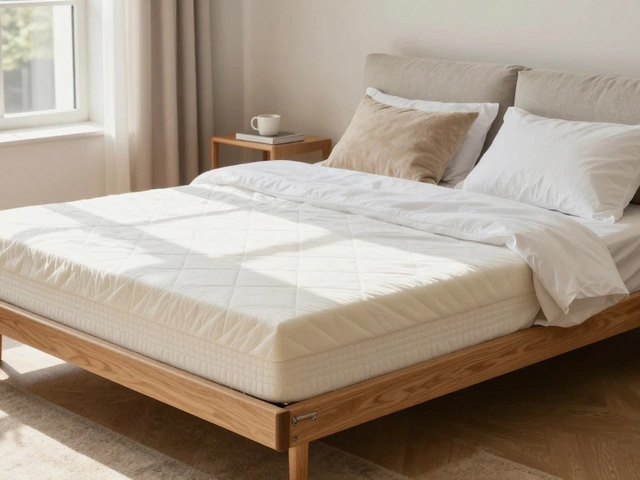
Sofa Bed Health Score Calculator
Select the specifications that best match your sofa bed to see how it impacts your spine.
Analysis Result
Waiting for input...
Select the features above to generate a spinal health assessment.
Recommendation
- • Select options to view tips.
You’ve hosted guests before. You know the drill: pull out the hidden mechanism, unfold the mattress, and hope for the best. But have you ever woken up stiff, sore, or feeling like you slept on a rock? If so, you’re not alone. The question isn’t just about comfort-it’s about whether sofa beds are actually healthy for your spine and overall well-being.
The short answer is complicated. For an occasional night or two, most modern sofa beds are perfectly fine. But if you’re considering one as a permanent sleeping solution-or if you already suffer from chronic back pain-the story changes dramatically. Let’s break down what happens to your body when you sleep on a sofa bed, why some designs cause more harm than others, and how to choose a model that won’t wreck your back.
How Sofa Beds Affect Your Spine
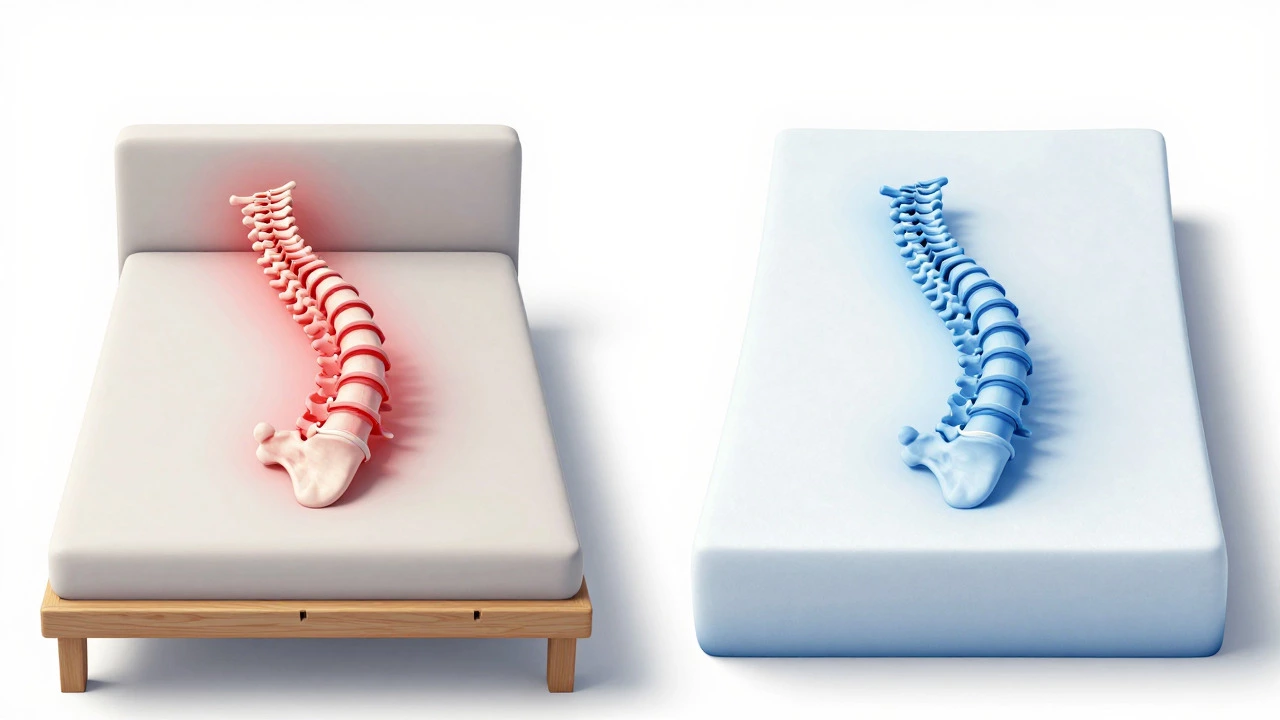
Your spine needs support. It doesn’t need softness; it needs alignment. When you lie down, your vertebrae should stack neatly, allowing muscles to relax. Most traditional sofa beds fail this basic test. Why? Because they’re designed first as seating furniture, second as beds. The compromise usually means a thin, flimsy mattress layer sandwiched between metal frames or wooden slats with too much gap between them.
Imagine trying to balance a ruler on two fingers spaced six inches apart. Now imagine doing that all night while your body weight shifts around. That’s essentially what happens on many standard click-clack or pull-out sofa beds. The lack of continuous support forces your lower back to arch unnaturally, straining ligaments and compressing discs. Over time, this can lead to morning stiffness, reduced mobility, and even long-term degenerative issues.
But here’s the good news: not all sofa beds are created equal. High-end models now feature high-density foam layers, pocket spring systems, and reinforced base structures that mimic real mattresses. These designs maintain spinal neutrality far better than their budget counterparts. So yes, a sofa bed *can* be healthy-if you pick the right one.
Sleep Quality on Sofa Beds vs. Real Mattresses
Sleep quality isn’t just about how comfortable something feels when you first lie down. It’s about uninterrupted rest, proper circulation, and muscle recovery. Studies show that poor sleep surfaces disrupt REM cycles and increase nighttime awakenings. On a typical sofa bed, these disruptions come from three main sources:
- Uneven pressure points: Thin mattresses don’t contour to hips and shoulders, causing blood flow restriction.
- Motion transfer: Metal hinges and loose joints creak under movement, waking light sleepers.
- Temperature regulation failure: Low-quality foams trap heat, leading to sweaty, restless nights.
Compare that to a dedicated memory foam or hybrid mattress, which distributes weight evenly, minimizes motion transfer, and often includes cooling gel layers. The difference in sleep architecture is measurable. People who switch from cheap sofa beds to proper bedding report fewer tosses-and-turns, deeper sleep stages, and less daytime fatigue.
That said, occasional use-like hosting friends for a weekend-won’t ruin your health. Your body adapts quickly to temporary discomfort. The problem arises when sofa beds become default sleeping arrangements, especially for children, elderly relatives, or anyone with pre-existing musculoskeletal conditions.
Who Should Avoid Sofa Beds?
If you fall into any of these categories, think twice before relying on a sofa bed for regular sleep:
- Chronic back pain sufferers: Conditions like herniated discs, sciatica, or arthritis require consistent spinal support. A flimsy sofa bed exacerbates inflammation and delays healing.
- Pregnant women: As pregnancy progresses, abdominal weight shifts center of gravity. Without adequate lumbar support, pelvic strain increases significantly.
- Children under 12: Growing spines are still developing. Irregular curvature from poor sleep surfaces can contribute to postural problems later in life.
- Elderly individuals: Reduced bone density and joint flexibility make recovery from awkward sleeping positions slower and more painful.
For everyone else, moderation is key. Occasional guests? No worries. Daily naps or weekly stays? Probably okay. But if you’re planning to live out of a sofa bed for months, consider upgrading to a dedicated sleeper sofa with a premium mattress insert-or better yet, invest in a separate guest room setup.
Choosing a Healthy Sofa Bed: What to Look For
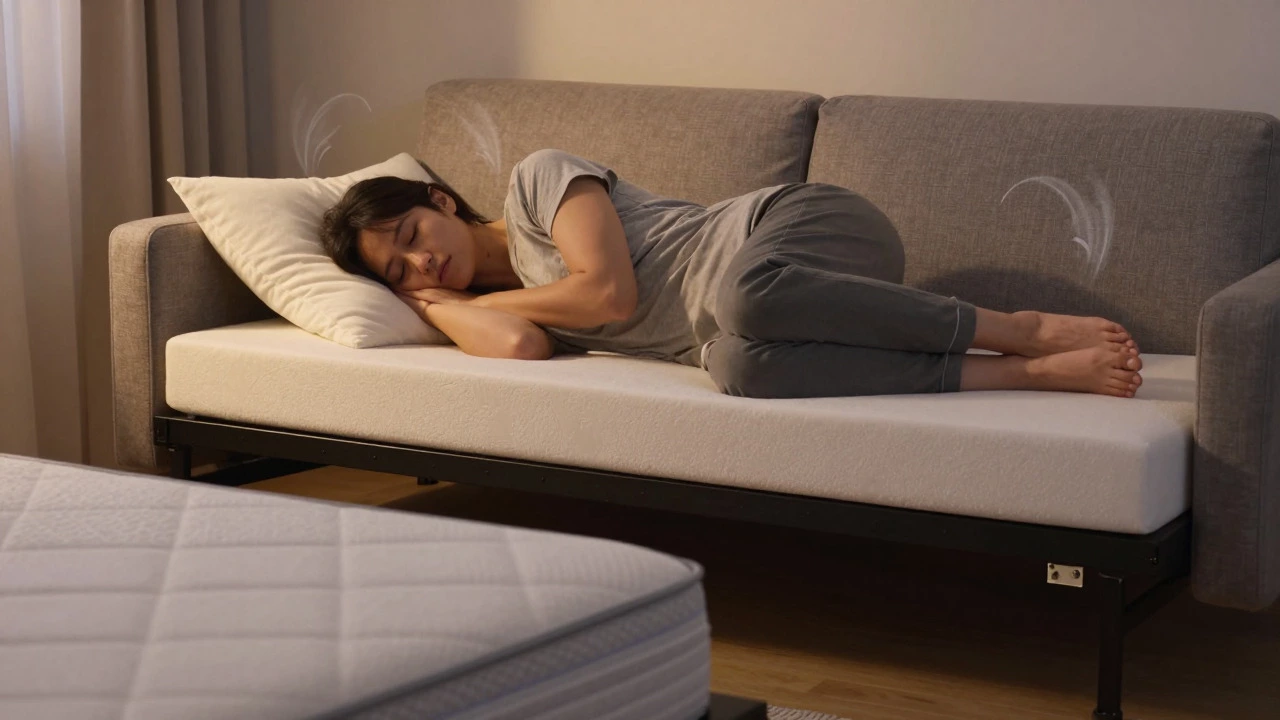
Not all sofa beds are bad. In fact, many modern designs prioritize ergonomics without sacrificing style. Here’s what separates the healthy options from the back-breaking ones:
| Feature | Healthy Design | Unhealthy Design |
|---|---|---|
| Mattress Thickness | ≥4 inches (high-density foam or springs) | <3 inches (thin polyfoam) |
| Base Support | Continuous slats or solid platform | Gapped slats >2 inches apart |
| Frame Material | Steel-reinforced wood or aluminum | Plywood-only or particleboard |
| Weight Capacity | ≥500 lbs tested | Unlisted or <300 lbs |
| Certifications | CertiPUR-US, OEKO-TEX Standard 100 | No certifications listed |
Look for brands that publish third-party testing results. CertiPUR-US ensures foams are free from harmful chemicals, while OEKO-TEX guarantees fabric safety. Weight capacity matters too-higher ratings indicate stronger internal construction. And always check the slat spacing. Gaps wider than two inches create pressure points that dig into your spine.
Pro tip: Try lying on the sofa bed in-store for at least five minutes. Roll onto your side, then your back. Does your neck stay aligned? Do your hips sink too deeply? If either answer is yes, walk away. Comfort isn’t subjective when it comes to spinal health.
Tips for Improving Sleep on a Sofa Bed
Already own a sofa bed? Don’t panic. You can upgrade its health profile with simple tweaks:
- Add a mattress topper: A 2-3 inch latex or memory foam topper adds cushioning and improves pressure distribution. Latex breathes better than foam, reducing overheating.
- Use supportive pillows: Place a pillow under your knees (if sleeping on your back) or between your legs (if on your side) to maintain neutral spine alignment.
- Check the frame regularly: Tighten screws, lubricate hinges, and inspect for sagging every few months. Worn mechanisms increase instability and noise.
- Rotate the mattress monthly: Even wear prevents dips from forming, extending the life of the surface and maintaining even support.
- Avoid direct sunlight: UV rays degrade foam over time, making it brittle and less supportive. Keep curtains closed during peak hours.
These small adjustments won’t turn a bargain-bin sofa bed into a luxury hotel experience-but they’ll reduce strain and improve restfulness enough for most people to sleep soundly.
Long-Term Effects of Sleeping on Sofa Beds
What happens if you sleep on a sofa bed every night for years? Research suggests several potential outcomes:
- Increased risk of chronic back pain: Persistent misalignment weakens core muscles and stresses intervertebral discs.
- Reduced sleep efficiency: Frequent micro-awakenings fragment sleep cycles, lowering cognitive performance and mood stability.
- Postural deviations: Habitual sleeping on uneven surfaces can train your body into compensatory curves, affecting standing and walking posture.
However, individual resilience varies. Some people bounce back quickly; others develop lasting issues. Genetics, age, activity level, and existing health conditions all play roles. If you notice persistent morning pain, tingling limbs, or difficulty getting out of bed, consult a physiotherapist before ignoring symptoms.
Alternatives to Traditional Sofa Beds
If your current sofa bed leaves you achy, consider these healthier alternatives:
- Futons with tatami-style mats: Japanese-inspired designs offer firmer, flatter surfaces that promote natural spinal alignment.
- Modular sectional sleepers: Brands like IKEA and West Elm now sell sectionals where each module unfolds independently, creating larger, more stable sleeping areas.
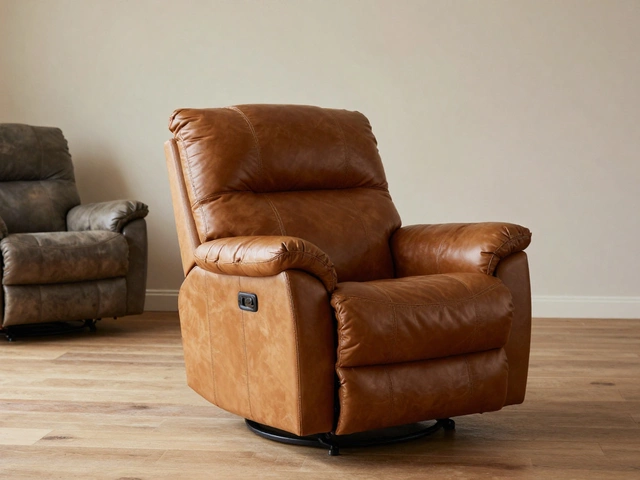
- Convertible recliners: Single-person units with built-in headrests and leg extensions provide ergonomic lounging without full bed conversion.
- Airbeds with pump systems: Modern air mattresses with adjustable firmness settings rival low-end foam mattresses in comfort and portability.
Each option trades off space, cost, and convenience differently. Evaluate your priorities: Do you need maximum seating capacity? Prioritize modular sections. Want minimal storage footprint? Go with convertible recliners. Need hospital-grade support? Invest in a medical-grade airbed.
Can sleeping on a sofa bed cause permanent back damage?
Only if used daily for extended periods without proper support. Occasional use rarely causes permanent harm, but chronic misalignment can accelerate disc degeneration or muscle imbalances over years.
Is it safe for kids to sleep on a sofa bed?
For short visits, yes. But growing spines need consistent support. Avoid letting children under 12 sleep regularly on thin or gapped-slat sofa beds due to higher risk of postural development issues.
How do I know if my sofa bed has enough support?
Lie flat and press firmly along your spine. If you feel hard edges or gaps beneath your lower back, hips, or shoulders, the support is insufficient. Also check slat spacing-gaps should be no wider than 2 inches.
Do mattress toppers really help sofa beds?
Yes, especially latex or high-density memory foam toppers (2-3 inches thick). They add contouring and pressure relief, though they won’t fix structural flaws in the base frame.
What’s the healthiest type of sofa bed available today?
Models with continuous steel-frame bases, ≥4-inch high-resilience foam or pocket spring mattresses, and certified non-toxic materials. Look for brands offering clinical trial data or ergonomic certifications.