Sofa Bed Foam Compatibility Checker
Enter your sofa bed specifications and desired foam details below to check for potential fit issues, weight stress, or heat retention risks.
Imagine pulling out your sofa bed is a dual-purpose piece of furniture that converts from seating to sleeping surface for a guest and realizing the built-in spring feels like sleeping on a trampoline. You bought a plush memory foam mattress is a type of bedding made from viscoelastic polyurethane foam that conforms to body shape to fix this, but now you’re wondering if it will even fit or function properly. The short answer is yes, but with significant caveats regarding thickness, weight, and mechanism clearance.
Most people assume any mattress topper works as a universal fix for uncomfortable sofa beds. This assumption often leads to frustration when the lid won’t close or the fabric sags under the extra load. To make the right choice, you need to understand how these two entities interact mechanically and ergonomically. This guide breaks down the dimensions, material constraints, and practical tips to ensure your setup actually works.
Key Takeaways
- Thickness Limit: Keep added memory foam under 5cm (2 inches) to avoid tripping hazards and closure issues.
- Weight Load: Check the sofa bed’s maximum load rating; heavy high-density foam can stress the frame over time.
- Ventilation: Memory foam traps heat; ensure the sofa base allows airflow to prevent moisture buildup.
- Fit Precision: Custom-cut foam prevents shifting during use, which is critical for safety.
- Mechanism Clearance: Measure the gap between the seat cushion and the backrest before purchasing.
Understanding the Mechanical Constraints
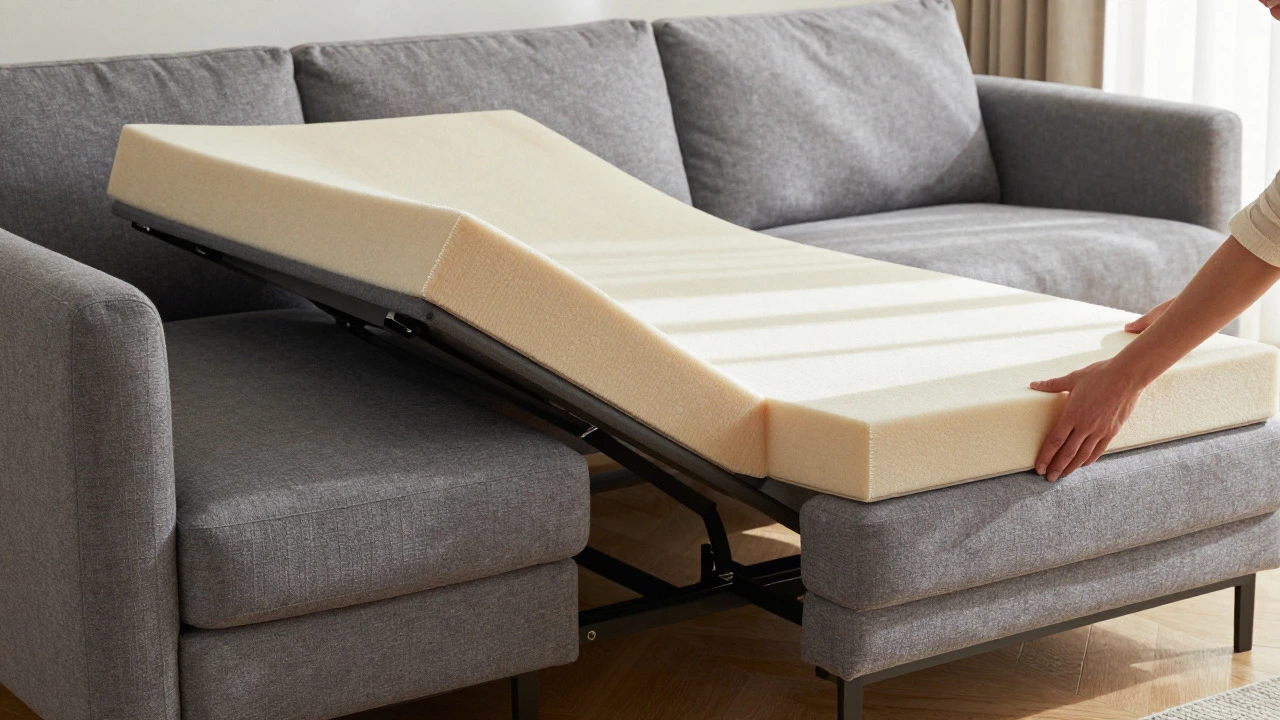
The primary challenge isn’t comfort-it’s physics. A standard sofa bed mechanism involves folding sections that must align perfectly when converted back into a sofa. When you add a layer of viscoelastic foam is the core material in memory foam products that responds to pressure and temperature, you are altering the total height of the sleeping platform. If the foam compresses unevenly or is too thick, the internal springs may not retract fully, causing the sofa to sit lower than intended or preventing the backrest from locking securely.
Consider the specific geometry of your unit. Most modern sofa beds have a clearance gap of only 3 to 4 centimeters between the folded mattress section and the adjacent frame components. If your memory foam topper is thicker than this gap, it acts as a wedge. This doesn’t just look messy; it puts constant tension on the metal hinges and wooden supports. Over time, this tension can lead to squeaking noises or, worse, structural failure of the folding arms.
Choosing the Right Foam Density and Thickness
Not all memory foam is created equal. For sofa bed applications, you want low-to-medium density foam rather than the ultra-plush, high-density blocks used for standalone beds. High-density foam is rigid and heavy, which defeats the purpose of a flexible sofa bed platform. Instead, opt for a topper with a density between 40kg/m³ and 50kg/m³. This range offers enough contouring to soften the hard springs without adding excessive bulk.
Thickness is the most critical variable. Here is a general rule of thumb based on common sofa bed types:
| Sofa Bed Mechanism | Max Recommended Foam Thickness | Reasoning |
|---|---|---|
| Accordion/Fold-out | 2-3 cm | Tight folding sections leave minimal clearance for extra layers. |
| Pull-out Drawer Style | 4-5 cm | Open drawer design allows more vertical space, but check rail limits. |
| Click-Clack Recliner | 3-4 cm | Flat surface when open, but hinge points require thin profiles. |
If your sofa bed has a particularly tight fold, consider using a 2cm gel-infused foam pad instead of a full 5cm block. Gel infusion helps dissipate the heat retention inherent in polyurethane foam is the base polymer used to create the cellular structure of memory foam, which is a major downside when trapped against a non-breathable sofa base.
Heat Retention and Ventilation Issues
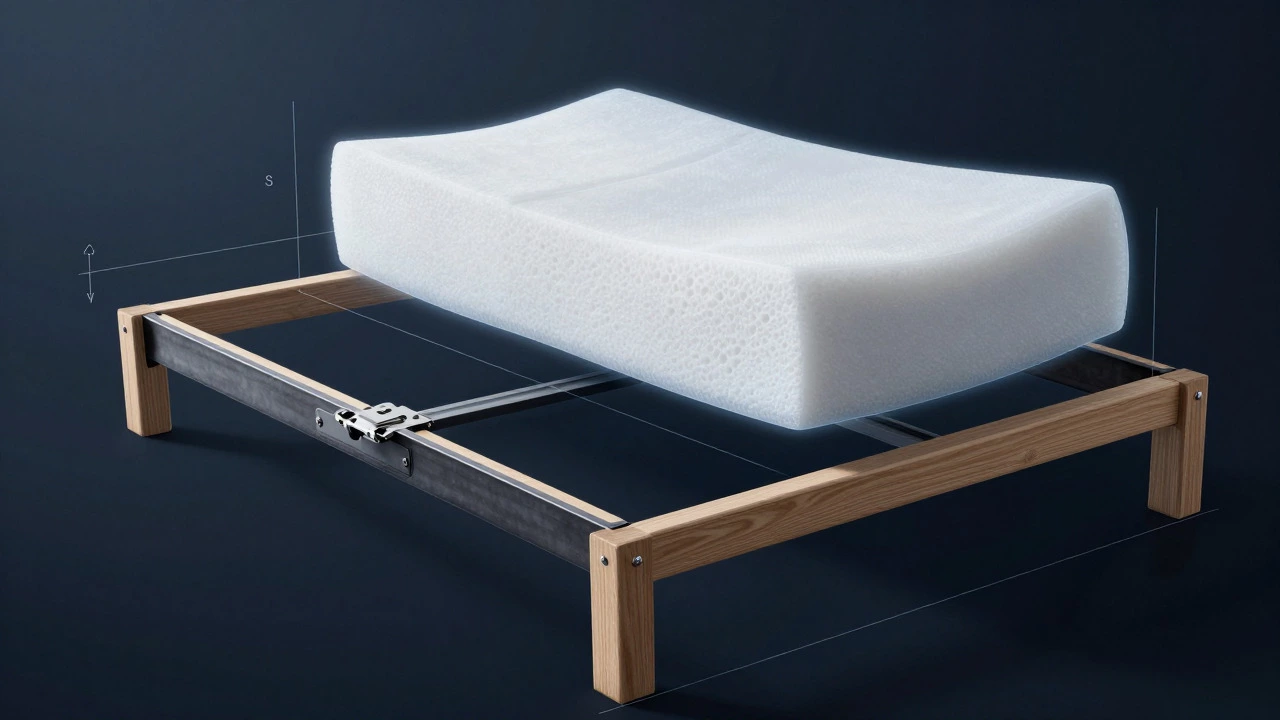
One of the biggest complaints about memory foam is heat buildup. In a traditional bed, air circulates around the mattress. In a sofa bed, the foam is often pressed against a fabric-covered box spring or a solid wooden slat system. This creates an insulating barrier that traps body heat. On warm nights, this can make the sleeping surface uncomfortably hot.
To mitigate this, look for foam with open-cell technology or gel beads. Open-cell structures allow air to pass through the material, reducing the greenhouse effect. Additionally, avoid placing the sofa bed directly against a wall if possible. Leaving at least 10 centimeters of space behind the unit allows air to flow through the base, helping to keep the foam cooler and drier. Moisture trapped in the foam can lead to mold growth, especially in humid climates like Auckland.
Weight Limits and Frame Integrity
Before you buy, find the manufacturer’s specification sheet for your sofa bed. Look for the "maximum dynamic load" rating. This number indicates how much weight the mechanism can handle while moving. Adding a heavy foam topper increases the static weight of the platform. While static weight is less stressful than dynamic movement, it does add constant downward force on the hinges.
A standard 150x200cm memory foam topper can weigh anywhere from 8kg to 15kg depending on density. If your sofa bed is already near its weight limit, adding 10kg of foam could accelerate wear on the gas struts or manual lifting mechanisms. For older units, this is a particular concern. If the sofa bed is more than five years old, inspect the hinges for rust or looseness before adding any extra weight. Reinforcing the frame might be necessary before introducing the new foam layer.
Fitting the Foam: Avoiding Shifts and Slips
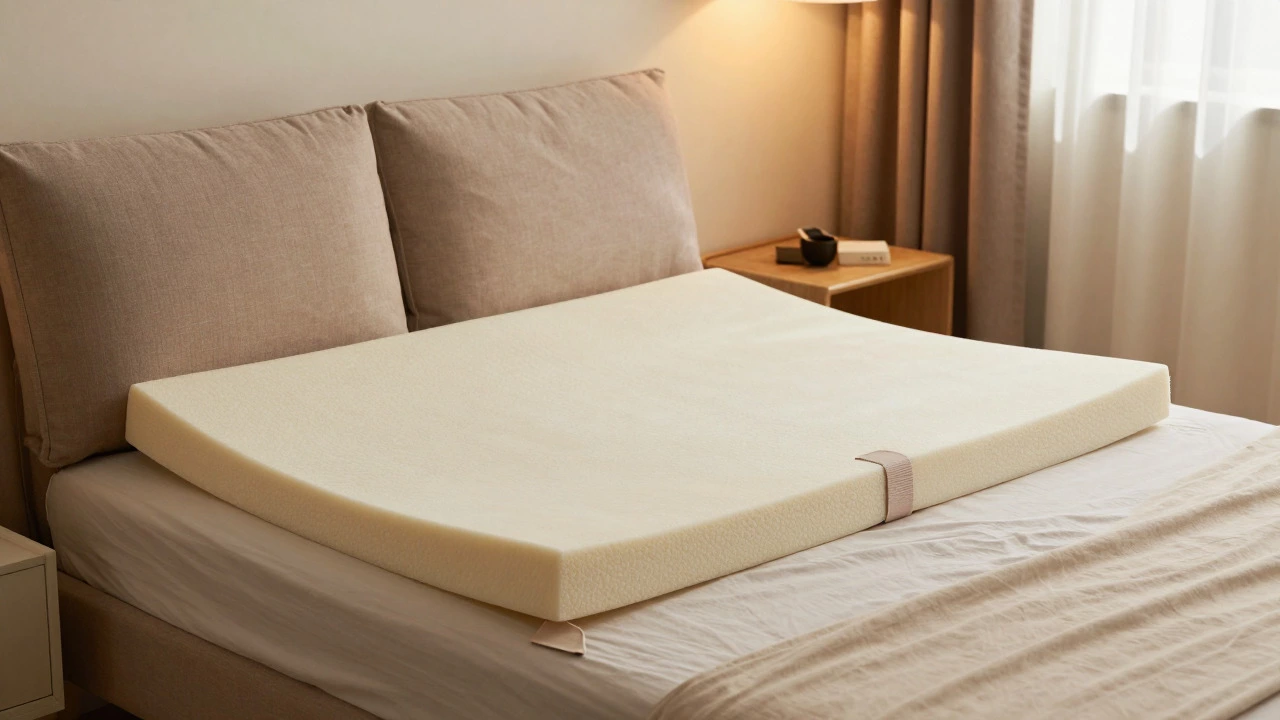
A loose topper is a safety hazard. If the foam slides around when you sit or lie down, it can bunch up, creating pressure points and potentially jamming the folding mechanism. You never want to try to pull out a sofa bed with a shifted foam layer caught in the tracks.
Here are three methods to secure the foam effectively:
- Elastic Straps: Use wide, durable elastic bands that loop around the corners of the sofa bed frame. These are inexpensive and easy to remove if you need to clean the sofa.
- Non-Slip Grippers: Place a non-slip rubber mat between the sofa base and the memory foam. This adds friction and prevents sliding without permanent attachment.
- Custom Cutting: Buy a slightly larger piece of foam and cut it to size with a sharp utility knife. A snug fit reduces the need for straps, though you must be careful not to cut too tightly, as foam expands slightly with warmth.
When cutting, work in a well-ventilated area and wear a mask, as cutting foam releases fine particles. Ensure the edges are smooth to prevent snagging on clothing or skin.
Maintenance and Longevity Tips
Caring for a memory foam topper on a sofa bed requires a different approach than caring for a regular mattress. Since the foam is exposed to more dust and debris due to the frequent conversion process, regular vacuuming is essential. Use a soft brush attachment to lift dust from the surface without damaging the foam cells.
Rotate the topper every few months if possible. Even though sofa beds are used less frequently than primary beds, the center of the foam tends to compress more due to where people typically sit or lie. Rotating ensures even wear and extends the life of the product. Also, use a waterproof protector. Spills happen, and cleaning memory foam is difficult once liquid penetrates deep into the pores. A washable cover protects the investment and makes cleaning simple.
Alternatives to Consider
If the constraints of your specific sofa bed make memory foam impractical, consider these alternatives:
- Latex Toppers: Lighter than memory foam and naturally breathable. They offer bounce rather than sink, which some users prefer on a firm base.
- Feather Fiber Pads: Very thin and lightweight, providing a soft touch without adding significant bulk or weight. Great for tight-clearance mechanisms.
- Hybrid Mattresses: Some manufacturers sell ultra-thin hybrid mattresses specifically designed for sofa beds, combining pocket springs with a thin foam layer for better support distribution.
Each option has trade-offs. Latex is more expensive, feather pads offer less contouring, and hybrids may still be too thick for accordion-style sofas. Evaluate your priority: is it maximum softness, or is it seamless integration with the furniture mechanism?
Will memory foam ruin my sofa bed mechanism?
It will not ruin the mechanism if you respect the thickness limits and weight ratings. However, ignoring clearance gaps can cause premature wear on hinges and struts. Always measure your specific unit's clearance before purchasing.
How thick should a memory foam topper be for a sofa bed?
For most sofa beds, a thickness between 2cm and 5cm is ideal. Accordion styles require thinner options (2-3cm), while pull-out drawers can accommodate thicker options (4-5cm). Check the manufacturer's specs for exact limits.
Does memory foam get too hot on a sofa bed?
Yes, heat retention is a common issue because the foam is trapped against the sofa base. Using gel-infused foam or ensuring adequate airflow behind the sofa can help mitigate this problem significantly.
Can I use a standard mattress topper on a sofa bed?
You can, but it may not fit well. Standard toppers are often designed for flat, fixed bases. Sofa bed toppers need to be flexible and thin enough to fold or slide without interfering with the mechanism. Custom-cut options are safer.
How do I clean a memory foam topper on a sofa bed?
Vacuum regularly with a soft brush attachment. For stains, blot with a damp cloth and mild detergent, avoiding soaking the foam. Use a waterproof protector to prevent deep liquid penetration, which is hard to dry completely.