Furniture Storage Cover Advisor
Select your furniture type below to get specific recommendations on what to put over it to prevent damage.
Recommended Strategy
High RiskMake a selection and click "Get Protection Advice" to see results.
You’ve packed up the house. The boxes are stacked. The truck is loaded. But there’s that one oversized armchair or the solid oak dining table sitting awkwardly in the middle of the storage unit. You look at it and wonder: what do you put over furniture in storage? It seems like a simple question, but get it wrong, and you’ll open that unit six months later to find mold on your velvet sofa or scratches on your mahogany sideboard.
Most people grab whatever they have-a old bedsheet, a trash bag, maybe a tarp from the hardware store-and call it a day. That’s usually a mistake. Furniture isn’t just bulky; it’s sensitive. Wood breathes. Fabric absorbs moisture. Metal rusts. Your job isn’t just to hide the item; it’s to create a microclimate around it that prevents damage while it sits idle. Here’s how to do it right, without spending a fortune or creating a mess.
The Golden Rule: Clean First, Cover Second
Before you even think about wrapping anything, you need to clean it. This isn’t optional. If you cover a dusty bookshelf, you’re trapping grit against the wood finish. Over time, that grit acts like sandpaper if the item shifts, or worse, it holds moisture against the surface. For upholstered items, vacuum every crevice. Crumbs attract pests, and pests love dark, quiet storage units. Wipe down hard surfaces with a mild cleaner appropriate for the material-wood polish for wood, gentle soap for laminate, dry cloth for leather.
Once it’s clean, let it dry completely. Trapping dampness under a cover is the fastest way to invite mold. In Auckland, where humidity can swing wildly, this step is critical. If you’re storing outdoor furniture, bring it inside only after it’s bone dry. Never wrap wet fabric.
Breathable Covers vs. Plastic Wrap: The Big Debate
This is where most DIYers go wrong. They see a roll of industrial plastic stretch wrap at the supermarket and think, "Perfect! It seals everything out." For some things, yes. For furniture, often no. Plastic creates a barrier that traps moisture vapor coming from the air or the material itself. If condensation forms inside that plastic cocoon, you’ve created a greenhouse effect. Mold and mildew thrive in these conditions.
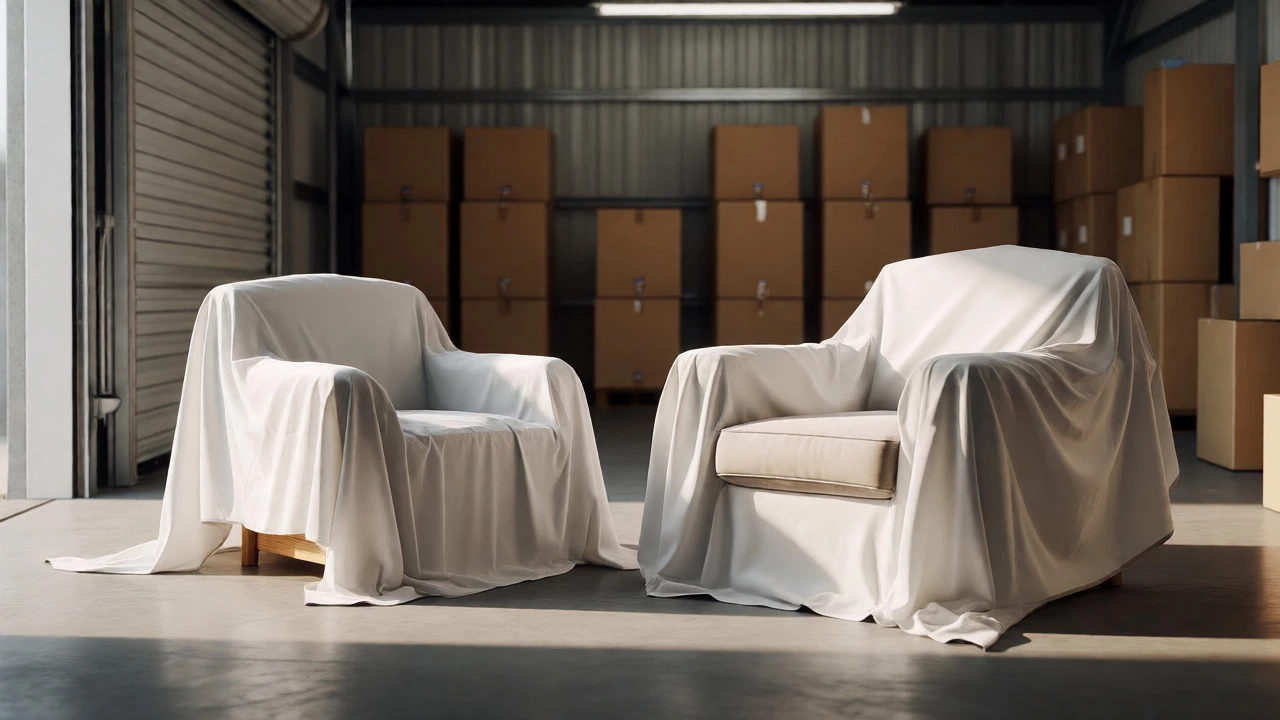
For wooden furniture, upholstery, and mattresses, you want breathable materials. Think cotton drop cloths, old bedsheets, or specialized moving blankets. These allow air to circulate slightly, preventing moisture buildup. For metal frames or glass tables, plastic is fine because those materials don’t absorb water. But even then, avoid tight sealing. Leave a small gap for airflow if possible.
| Furniture Type | Best Cover Material | Why? | Risk Factor |
|---|---|---|---|
| Solid Wood | Cotton Drop Cloth or Moving Blanket | Allows wood to breathe; prevents condensation | Mold, warping, finish clouding |
| Upholstered Sofa | Breathable Furniture Bag (Polypropylene) | Blocks dust but lets moisture escape | Mildew, pest infestation, staining |
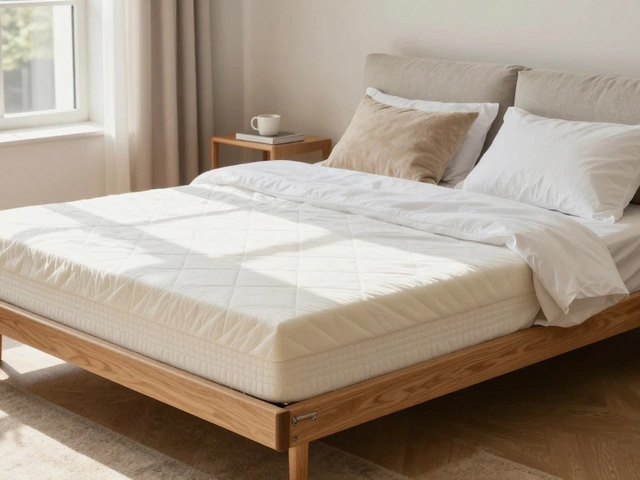
| Mattress | Specialized Mattress Bag | Water-resistant yet breathable; fits snugly | Dust mites, yellowing, odor absorption |
| Metal Frames | Plastic Wrap or Tarp | Prevents rust by blocking oxygen/moisture contact | Rust spots if scratched before wrapping |
| Glass Tables | Cardboard Corners + Plastic Film | Protects edges from chipping; film keeps dust off | Cracking, scratching, breakage |
The Best Materials to Use (And What to Avoid)
If you’re heading to the store, here’s what actually works. Skip the cheap blue tarps from the discount bin. They’re non-breathable, smell strong, and often contain chemicals that can react with finishes over time. Instead, consider these options:
- Moving Blankets: These are thick, quilted pads designed for transport. They offer excellent cushioning against knocks and bumps. They’re heavy enough to stay put and breathable enough for most indoor uses. Pro tip: Don’t use ones stained with grease or paint unless you’re okay with transferring that stain to your furniture.
- Cotton Drop Cloths: Cheap, effective, and highly breathable. Buy them by the roll from hardware stores. They’re perfect for draping over dressers, nightstands, and chairs. You can pin them together for larger items. Just make sure they’re white or colorfast so dye doesn’t bleed onto light-colored upholstery.
- Polyethylene Furniture Bags: These aren’t your average trash bags. Look for bags specifically labeled for furniture storage. They’re made from polyethylene, which is water-resistant but allows some vapor transmission. They come in sizes for sofas, chairs, and mattresses. This is the gold standard for upholstered items.
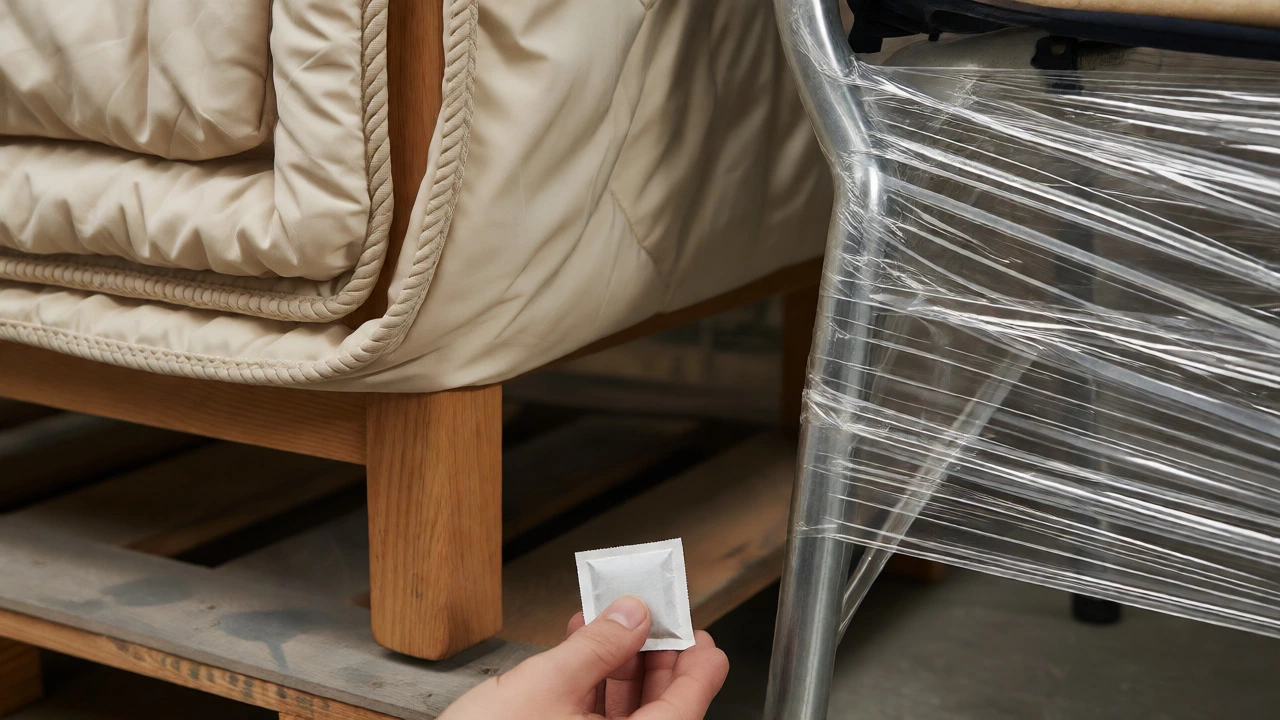
- Stretch Wrap (Industrial Grade): Use this for securing drawers shut, protecting legs from scratches, or wrapping non-porous items like lamps and mirrors. Do not use it as the primary cover for wood or fabric.
Avoid newspaper. Yes, it’s free. No, it’s terrible. The ink transfers easily, especially in humid conditions. It also breaks down quickly and attracts silverfish, who love eating paper glue. Keep it away from your nice stuff.
Step-by-Step: How to Cover Different Items
Let’s walk through the process for common household items. This isn’t rocket science, but order matters.
1. Sofas and Armchairs
Start by removing cushions if possible. Wrap them separately in breathable bags or pillowcases. This prevents indentation marks on the seat foam and makes cleaning easier later. For the frame, drape a large cotton sheet or moving blanket over the top. Secure it loosely with twine or safety pins-not tape, which leaves residue. If you have a specialized sofa bag, slide the whole piece inside and zip it up. Ensure the bottom is closed to keep bugs out, but don’t seal it hermetically.
2. Wooden Dressers and Tables
Empty all drawers. Tape them shut with painter’s tape to prevent sliding during transit. Wipe the exterior. Drape a drop cloth over the entire piece, letting it hang to the floor. If the piece has delicate carvings, add extra padding around those areas using foam wrap or bubble wrap before covering with the cloth. Bubble wrap directly on wood can trap moisture, so always use a layer of cloth between the wood and any plastic-based padding.
3. Mattresses and Box Springs
These are sponges for dust and moisture. Never store a mattress flat on the ground in a storage unit. Lean it against a wall or stand it upright. Wrap it tightly in a dedicated mattress bag. Seal the ends with packing tape. If you don’t have a bag, use multiple layers of plastic sheeting, but leave a few inches open at the bottom for ventilation. Check periodically for signs of moisture.
4. Electronics and Lamps
Remove batteries from remotes and devices to prevent leakage. Wrap lamps individually in bubble wrap, paying special attention to the shade and base. Place them in sturdy boxes rather than leaving them loose. Dust is less of an issue here, but impact is. Cushion them well.
Environmental Control: Beyond the Cover
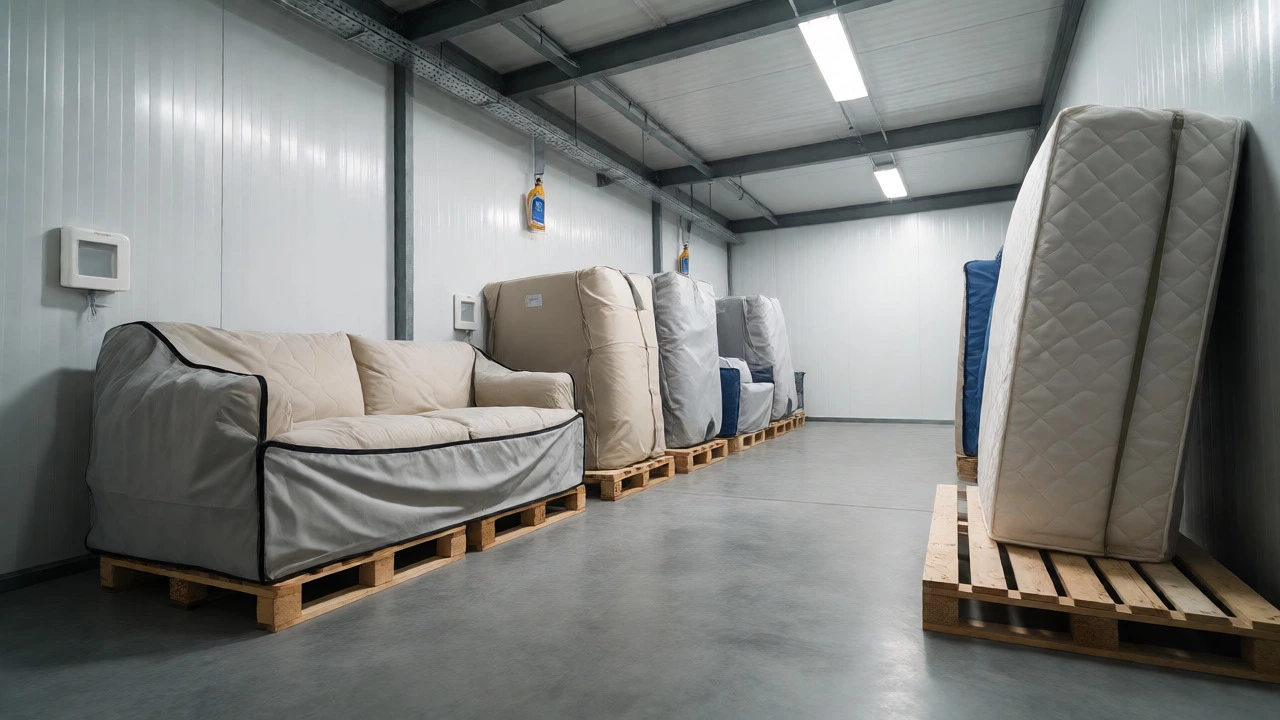
Your cover is your first line of defense, but it’s not the only one. Where you place the furniture in the storage unit matters as much as what’s on it. Never push furniture directly against external walls, especially in climates with temperature fluctuations. Condensation forms on cold walls, and your cover will soak it up. Leave at least 5-10 cm of space between the furniture and the wall.
Elevate items off the concrete floor. Concrete draws moisture from the ground, especially in winter. Use pallets, bricks, or wooden slats to raise your furniture. Even a couple of inches makes a huge difference. For carpets or rugs, roll them up (pile facing inward) and wrap them in plastic, but again, ensure they’re dry first.
Consider adding desiccants. Silica gel packets are great for small enclosed spaces like wardrobes or cabinets left in storage. For larger open units, hanging moisture absorbers (like DampRid) near the center of the room can help regulate humidity levels. In Auckland, where rain is frequent, this extra precaution can save your wooden floors and furniture from swelling.
Common Mistakes to Avoid
We’ve seen it all. Here are the errors that lead to damaged goods:
- Tight Sealing: Wrapping wood in cling film like a sandwich. Result: Cloudy varnish and trapped mold spores.
- Ignoring Legs: Leaving chair legs bare. Result: Scratches on other items and damage to the legs themselves. Wrap legs in cardboard tubes or bubble wrap.
- Stacking Too High: Putting a heavy box on a covered sofa. Result: Crushed cushions and broken frames. Always store furniture upright and unstacked if possible.
- Using Dirty Covers: Reusing a blanket from last year’s move without washing it. Result: Transferring grime, oil, or previous stains to clean furniture.
Remember, the goal is preservation, not just concealment. Take ten minutes per item to prepare it properly. Future-you, standing in the storage unit trying to figure out why the armrest smells musty, will thank you.
Can I use plastic bags to cover my sofa?
You can, but it's risky. Standard plastic bags are non-breathable and can trap moisture, leading to mold and mildew. If you must use plastic, choose heavy-duty polyethylene bags specifically designed for furniture storage, which offer better vapor permeability. Always ensure the sofa is completely dry before wrapping, and leave small gaps for airflow if possible.
Is it better to store furniture in a climate-controlled unit?
Yes, absolutely. Climate-controlled units maintain stable temperatures and humidity levels, which is crucial for wood, leather, and electronics. In places like Auckland with variable weather, non-climate-controlled units can experience significant condensation cycles. While covers help, they cannot fully compensate for extreme environmental swings. If budget allows, prioritize climate control for valuable pieces.
How often should I check my stored furniture?
Check every 3 to 6 months. Look for signs of pests, moisture, or cover displacement. Lift the covers slightly to inspect for condensation underneath. If you live in a particularly humid area, checking quarterly is safer. Early detection of mold or insect activity can prevent extensive damage.
Should I disassemble furniture before storing?
Disassembly is generally recommended for large items like beds, tables, and wardrobes. It saves space and reduces the risk of damage during transport. However, keep all screws and hardware in a labeled bag taped to the main component. If disassembly requires professional tools or skills, weigh the cost against the potential savings in storage fees.
What is the best cover for a leather couch?
Leather needs to breathe but also needs protection from drying out. Use a breathable cotton sheet or a specialized leather-friendly furniture cover. Avoid plastic entirely, as it can cause leather to crack or develop mold. Condition the leather thoroughly before storage to keep it supple, and keep the unit away from direct sunlight or heat sources.