Sofa Bed Suitability Calculator
Assessment Result
Enter Details
Fill out the form to see if your sofa bed is healthy for daily use.
Picture this: you’re in a small apartment, maybe a studio in the city center. Space is tight, rent is high, and buying a separate bed feels like a luxury you can’t afford. So, you buy a sofa bed a dual-purpose piece of furniture that functions as both seating and sleeping surface. It’s practical. It saves money. But then comes the nagging question: can you actually sleep on it every single night without wrecking your health?
The short answer is yes, but with major caveats. Most standard sofa beds are designed for occasional guests, not for nightly rest. If you plan to make one your primary sleeping spot, you need to know exactly what kind you have, how to set it up, and what risks you might face. Sleeping on the wrong mechanism or thin mattress can lead to chronic back pain, poor sleep quality, and even long-term posture issues.
Why Standard Sofa Beds Fail at Nightly Rest
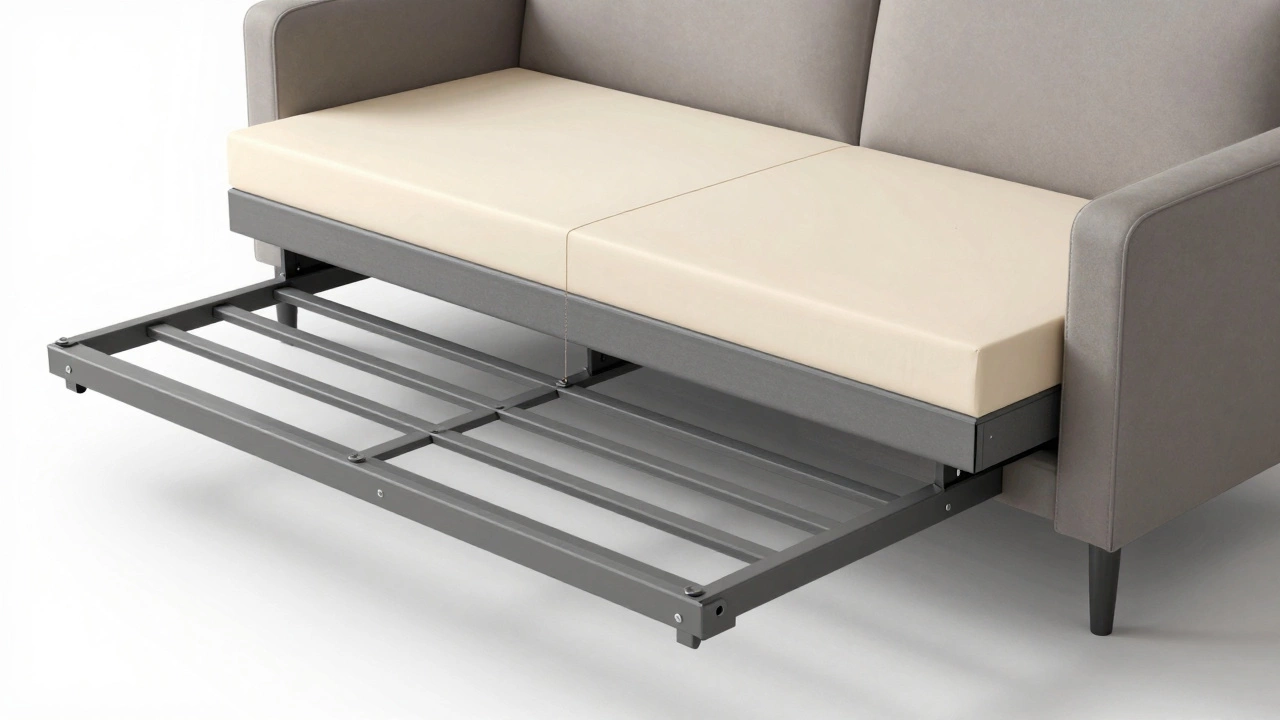
To understand why most sofa beds aren’t cut out for daily use, we have to look at their construction. A typical pull-out sofa uses a metal frame mechanism the folding structure that extends from the seat base to create a flat sleeping platform. This frame usually consists of thin metal slats or bars spaced several inches apart. On top of these sits a mattress that is often only 4 to 6 inches thick-significantly thinner than a standard bedroom mattress, which averages 8 to 12 inches.
When you lie down on this setup, your body weight presses against those hard metal bars. Over time, this creates pressure points on your hips, shoulders, and spine. Your body tries to compensate by shifting positions constantly, leading to fragmented sleep. You might wake up feeling stiff, achy, or simply unrested. This isn’t just discomfort; it’s a sign that your body isn’t getting the support it needs to repair itself during sleep.
- Thin Mattresses: Lack the cushioning needed to distribute body weight evenly.
- Metal Slats: Create uneven surfaces that press into joints and muscles.
- Short Lifespan: Mechanisms wear out faster under daily stress, leading to squeaks and instability.
The Right Type of Sofa Bed for Daily Use
If you’re committed to using a sofa bed as your main bed, not all models are created equal. You need to look for specific features that prioritize sleep comfort over space-saving convenience. The key difference lies in the mechanism and the mattress type.
Avoid traditional pull-outs if possible. Instead, look for click-clack mechanisms a hinge system where the backrest folds down to meet the seat, creating a flat surface or futon frames wooden or metal frames designed to hold a thicker mattress that folds rather than pulls out. These options often allow for thicker, more supportive mattresses because they don’t rely on complex folding metal grids. Some modern designs even feature memory foam layers viscoelastic foam that conforms to body shape, reducing pressure points integrated directly into the seat cushions, eliminating the need for a separate thin mattress altogether.
| Feature | Traditional Pull-Out | Click-Clack / Futon | Hidden Bed Frame |
|---|---|---|---|
| Mattress Thickness | 4-6 inches | 6-10 inches | 8-12 inches |
| Support Level | Poor (metal slats) | Moderate (solid base) | High (standard bed base) |
| Durability for Daily Use | Low | Medium-High | High |
| Comfort Rating | 2/5 | 3.5/5 | 4.5/5 |
Health Risks of Poor Sleep Support
Sleeping on an unsupportive surface isn’t just uncomfortable; it has real health consequences. Your spine needs to maintain its natural curvature while you sleep. When a mattress is too soft or the base is uneven, your spine can sag or twist. This misalignment puts strain on the muscles and ligaments supporting your back.
Over weeks and months, this can lead to chronic lower back pain persistent discomfort in the lumbar region caused by muscle strain or spinal misalignment. You might also experience neck stiffness if your head isn’t properly aligned with your spine. Poor sleep quality affects more than just your back; it impacts your mood, cognitive function, and immune system. If you find yourself waking up tired despite getting eight hours of sleep, your sleeping surface might be the culprit.
How to Make a Sofa Bed Work for Daily Sleep
If you already own a sofa bed or are limited by budget and space, there are ways to improve its suitability for nightly use. You don’t necessarily need to buy a new piece of furniture right away. Simple upgrades can make a significant difference in comfort and support.
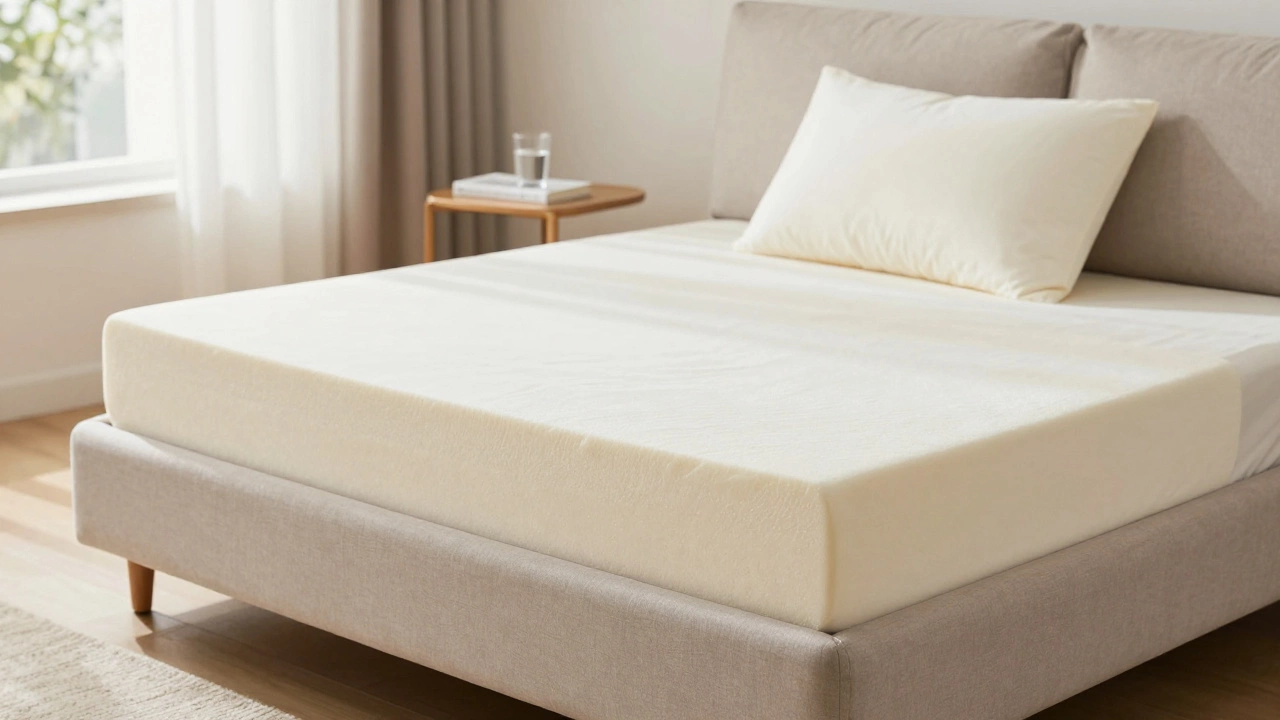
- Add a Mattress Topper: Invest in a 2-to-3-inch memory foam or latex topper. This adds cushioning and helps bridge the gaps between metal slats, creating a smoother surface.
- Use a Firm Pillow: Ensure your head and neck are supported. A pillow that’s too soft can cause your head to tilt forward, straining your neck muscles.
- Check the Base: If your sofa bed has removable slats, consider replacing them with solid wood boards or closer-spaced slats to provide a firmer, more even foundation.
- Rotate the Mattress: Just like a regular bed, rotate your sofa bed mattress every few months to prevent sagging and uneven wear.
Alternatives to Consider
If you’ve tried improving your current sofa bed and still struggle with comfort, it might be time to explore alternatives. Depending on your living situation, other options might offer better value and health benefits.
A daybed a piece of furniture that looks like a couch but is designed primarily for sleeping, often with a twin-size mattress is a great middle ground. It looks like a sofa but sleeps like a bed. Another option is a Murphy bed a wall-mounted bed that folds up vertically when not in use. While more expensive, it provides a full-sized, high-quality mattress and frees up floor space during the day. For those in very tight spaces, a loft bed an elevated bed with storage or workspace underneath maximizes vertical space, allowing you to keep a proper bed without sacrificing room for other activities.
Signs It’s Time to Upgrade
Your body will tell you when a sofa bed is no longer working for you. Pay attention to these warning signs:
- You wake up with frequent back or neck pain.
- You feel restless throughout the night, tossing and turning.
- The mattress shows visible sagging or indentations after a few months.
- The mechanism makes loud noises or feels unstable when opening and closing.
- You dread going to sleep because you’re worried about discomfort.
If any of these sound familiar, it’s worth investing in a better solution. Your sleep quality directly impacts your daily life, productivity, and overall well-being. Don’t underestimate the importance of a good night’s rest.
Is it bad to sleep on a sofa bed every night?
It depends on the type of sofa bed. Traditional pull-out sofas with thin mattresses and metal slats are not recommended for daily use due to poor support and potential health risks. However, high-quality click-clack models or futons with thicker mattresses can be suitable for nightly rest if maintained properly.
How long can I sleep on a sofa bed before it breaks?
With daily use, a standard sofa bed may last 1-2 years before the mechanism wears out or the mattress sags significantly. Higher-end models designed for frequent use can last 3-5 years. Regular maintenance and adding a topper can extend its lifespan.
What is the best mattress topper for a sofa bed?
Memory foam toppers (2-3 inches thick) are generally the best choice. They conform to your body, fill gaps between slats, and add necessary cushioning. Latex toppers are also excellent for durability and breathability.
Can a sofa bed cause back pain?
Yes, especially if the mattress is too thin or the base is uneven. Lack of proper spinal support can lead to muscle strain and chronic lower back pain over time. Using a firm topper and ensuring proper alignment can help mitigate this risk.
Are sofa beds comfortable for side sleepers?
Standard sofa beds are often too firm for side sleepers, who need more cushioning for their hips and shoulders. Adding a plush memory foam topper can improve comfort for side sleepers by providing necessary pressure relief.