Sofa Quality Inspector
Answer the 10 checks below as if you were inspecting a real sofa in-store. Each answer is scored against what a well-built sofa should have. Your running score updates instantly.
Buying a sofa is one of the biggest investments you’ll make for your living room. It’s not just about finding something that looks good in photos; it’s about ensuring the piece lasts through years of daily use, family gatherings, and lazy Sunday afternoons. Yet, walking into a showroom or browsing online can feel overwhelming. Two sofas might look identical on the surface, but one could fall apart in two years while the other stands strong for a decade. The difference lies in details that are easy to miss unless you know what to look for.
Quality isn’t always about price. Sometimes, a mid-range sofa with superior construction outperforms an expensive brand-name item that cuts corners on internal framing. This guide breaks down exactly how to inspect a sofa’s build, materials, and comfort so you can make a confident decision without getting scammed by marketing fluff. Whether you’re looking at a high quality corner sofa or a standard three-seater, these checks apply universally.
The Frame: The Backbone of Durability
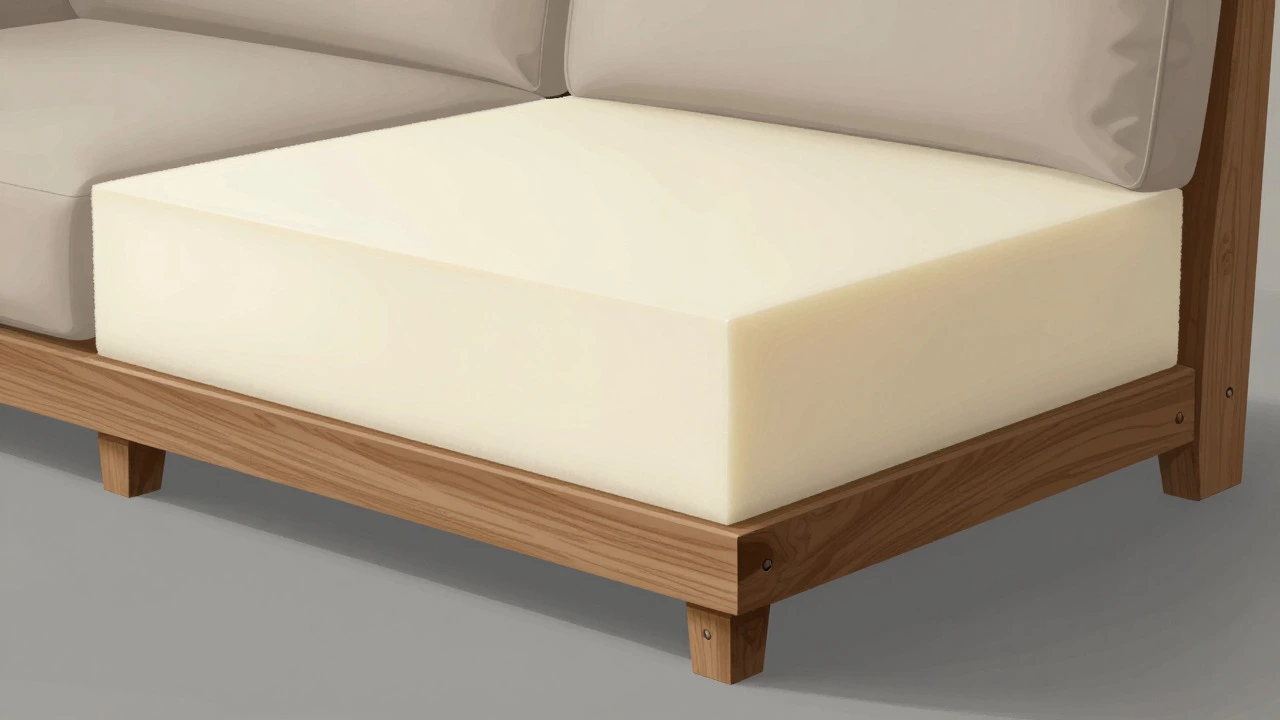
If you stripped away all the fabric and foam, what would be left? That’s the frame, and it determines how long your sofa will last. Most cheap sofas use particleboard (MDF) or thin plywood glued together. These materials are lightweight but weak. Under constant weight, they can crack, split, or sag within a few years. Look for kiln-dried hardwood frames instead. Oak, maple, ash, and beech are excellent choices because they resist warping and insect damage.
How do you check this without disassembling the sofa? Flip it over if possible, or ask the retailer to show you the underside. If you can’t see the frame, press firmly on the armrests and back. You should feel solid resistance, not a springy or hollow sensation. Corners are critical stress points. Check where the joints meet. Dovetail joints are the gold standard-they interlock like puzzle pieces and don’t rely solely on glue. Stapled or nailed joints are acceptable if reinforced with metal brackets, but avoid loose or wobbly connections entirely.
| Material | Durability | Weight | Common Use |
|---|---|---|---|
| Kiln-Dried Hardwood | High (10+ years) | Heavy | Premium Sofas |
| Plywood | Medium (5-7 years) | Light | Budget Mid-Range |
| Particleboard/MDF | Low (2-4 years) | Very Light | Ultra-Budget/Disposable |
Foam Density and Resilience
Sit on the sofa. Really sit on it. Don’t just perch on the edge; sink into the center where most people sit. Quality foam has specific attributes you can feel immediately. Low-density foam feels bouncy at first but compresses quickly. Within months, it develops permanent dips where you usually sit. High-density foam, typically rated between 30kg/m³ and 40kg/m³, offers better support and retains its shape much longer.
Run your hand across the seat cushion. Does it feel fluffy and soft, or firm and structured? For a sofa intended for daily lounging, a medium-firm density works best. If the foam feels too soft, your lower back will ache after an hour. If it’s too hard, you’ll bounce off it. Also, check the sides of the cushions. Some manufacturers use low-quality filler foam on the edges to save costs, which causes the seat to tilt forward when you lean back. Press the side panels; they should have similar density to the top surface.
Upholstery: Fabric vs. Leather
The cover protects the interior and defines the aesthetic. But not all fabrics are created equal. Cotton blends are breathable and comfortable but wrinkle easily. Polyester blends are durable and stain-resistant but can trap heat. Microfiber is a popular choice for families because it resists spills and cleans well, though it can pill over time if rubbed frequently.
If you’re considering leather, distinguish between full-grain and bonded leather. Full-grain leather is the top layer of the hide, natural and breathable, aging beautifully with patina. Bonded leather is made from scraps glued together and coated with plastic. It looks like leather initially but peels and cracks within a few years. Run your finger under the seam of a leather sofa. If you feel a rough, fibrous texture, it’s likely genuine. If it feels smooth and uniform everywhere, including the underside, it’s probably synthetic or bonded.
Check the stitching quality. Double-stitching along seams indicates higher durability. Single stitches can unravel if snagged. Look for consistent stitch spacing. Uneven stitching suggests rushed production or poor quality control. Also, examine the zipper area. Zippers should glide smoothly without catching. A stuck zipper often leads to ripped fabric when you try to remove covers for cleaning.
Corner Sofas: Specific Considerations
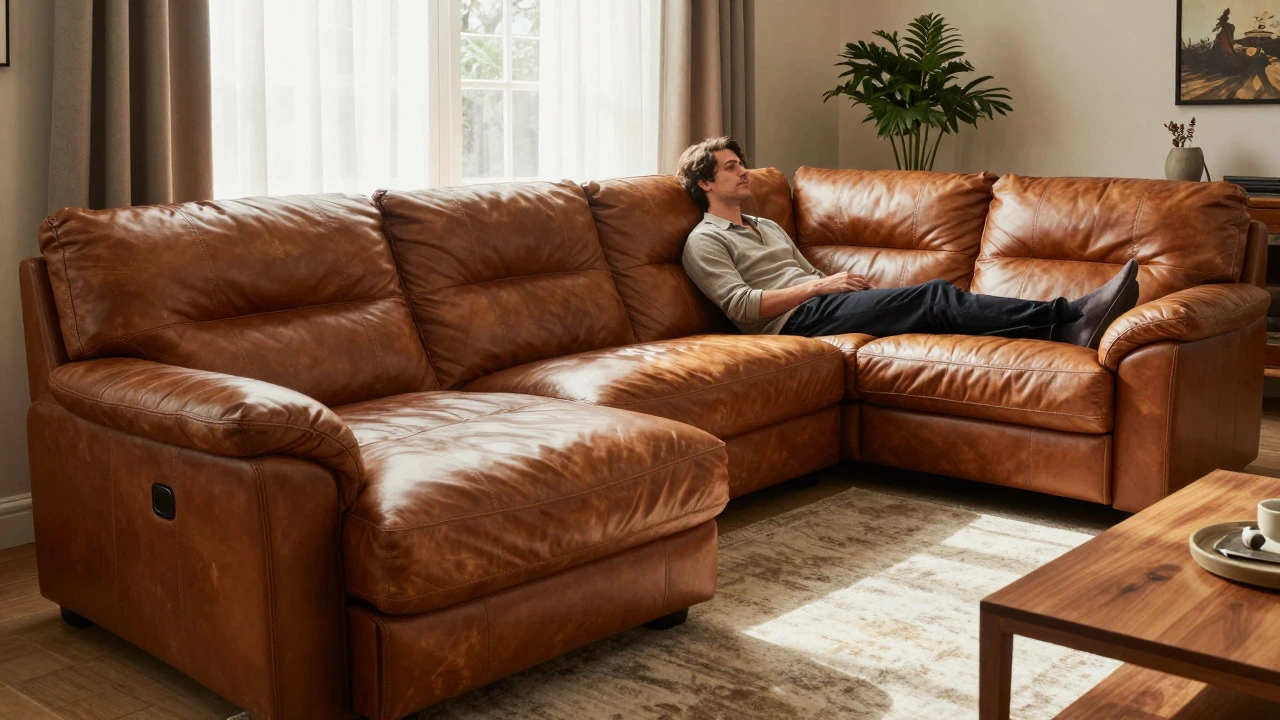
Corner sofas (sectionals) have unique structural challenges. They consist of multiple modules joined together. The connection points are where failures happen most often. Inspect the joinery between the chaise section and the main body. Is there a visible gap? Do the pieces move independently? Ideally, the modules should fit snugly with minimal movement. Some designs use hidden clips or rails to hold sections together; others rely on gravity and friction. If the pieces shift when you push them, expect creaking noises and eventual separation.
Also, consider the depth of the seating area in corner units. Deep seats are great for lounging but can make it difficult to get up if you have mobility issues. Measure the distance from the front edge to the backrest. Standard depths range from 90cm to 105cm. Deeper than 110cm turns the sofa into a daybed rather than a chair. Ensure the armrest height complements the seat depth so your elbows rest naturally.
Legs and Base Stability
It sounds trivial, but legs matter more than you think. Metal legs are generally stronger than wood legs, especially for heavy sofas. However, wooden legs can be aesthetically pleasing if properly finished. Check if the legs are screwed directly into the frame or attached via brackets. Screws provide a tighter, more secure connection. Brackets can loosen over time, causing the sofa to rock. Shake the sofa gently. Any wobbling indicates instability that will worsen as the frame settles.
Look at the material of the leg caps. Plastic caps can crack under weight. Wood or metal caps are more durable. If the sofa sits close to the floor, ensure the base doesn’t scrape against carpets. Dragging a heavy sofa across flooring damages both the furniture and your home. Wheels or glides can help, but they add cost and complexity.
Practical Inspection Checklist
Before you buy, run through this quick checklist. It takes five minutes but saves you thousands in regret later.
- Frame: Kiln-dried hardwood? Dovetail or reinforced joints? No wobble?
- Foam: Medium-high density? Consistent compression? No bottoming out?
- Fabric: Appropriate weave for your lifestyle? Double-stitched seams? Smooth zippers?
- Structure: Tight module connections (for sectionals)? Stable legs? No gaps?
- Finish: Even color distribution? No loose threads? Clean edges?
Don’t rush this process. Salespeople want you to decide quickly. Take your time. Sit in different positions. Lean back. Cross your legs. Test the armrests. Your body knows what feels right before your brain does.
Common Red Flags to Avoid
Some signs scream "cheap" even if the price tag says otherwise. First, excessive padding. If the sofa looks puffy and overstuffed, it’s likely hiding poor foam inside. Manufacturers use thick layers of low-grade stuffing to create a plush appearance that disappears after the first month. Second, shiny synthetic fabrics. While some sheens are stylish, overly glossy materials often indicate cheap polyester that attracts dust and static. Third, missing labels. Reputable brands label their materials clearly. If you can’t find a care tag or composition label, assume the worst.
Also, beware of "customizable" options that come with huge price jumps. Often, the base model is already cut to save costs, and customization just adds margin without improving core quality. Stick to standard configurations unless you have specific space constraints that require modular adjustments.
Frequently Asked Questions
What is the best foam density for a sofa?
For most households, a foam density between 30kg/m³ and 35kg/m³ offers the best balance of comfort and longevity. Densities above 40kg/m³ are very firm and may feel uncomfortable for extended sitting periods. Below 25kg/m³, the foam is likely to flatten quickly.
How do I check if a sofa frame is made of hardwood?
Ask the retailer to show you the underside of the sofa. Hardwood has a distinct grain pattern and feels dense. Particleboard looks like compressed sawdust and feels light. If you can’t see the frame, press the armrests firmly. Hardwood feels solid and unyielding, while particleboard may flex slightly or sound hollow.
Is leather always better than fabric?
Not necessarily. Full-grain leather is durable and ages well, but it requires regular conditioning and can be hot in warm climates. High-quality microfiber or performance fabrics are easier to clean, more affordable, and often more resistant to stains. Choose based on your lifestyle, maintenance preference, and climate.
What should I look for in a corner sofa specifically?
Focus on the module connections. Ensure the pieces fit tightly without gaps or excessive movement. Check that the chaise section aligns properly with the main body. Also, verify the depth of the seating area to ensure it suits your posture needs. Corner sofas put extra stress on joints, so robust joinery is critical.
How long should a high-quality sofa last?
A well-made sofa with a hardwood frame and high-density foam can last 10 to 15 years or more. With proper care, such as rotating cushions and using protective covers, it may last even longer. Cheaper models with particleboard frames and low-density foam typically last 3 to 5 years.