Sofa Color & Space Perception Calculator
Room Configuration
Shade Comparison
Personalized Recommendation
Configure your room settings and click "Analyze Space Impact" to receive personalized recommendations.
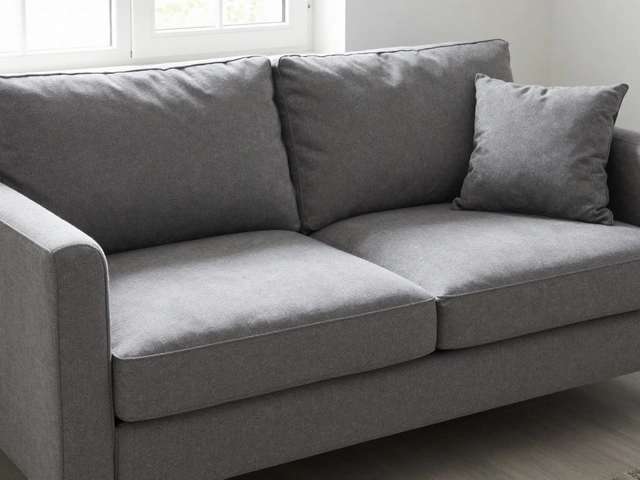
Walk into a small living room with dark charcoal walls and heavy black furniture, and what do you feel? Probably cramped. Now imagine the same room with pale, airy tones and lighter furnishings. Suddenly, there’s breathing room. If you are shopping for sofa sets that include matching seating arrangements designed to maximize comfort while defining the aesthetic of a living space, color choice is your most powerful tool for manipulating perception.
You might think all grays look the same at first glance. They don’t. Some shades shrink a space, making it feel like a closet, while others push the walls outward, creating an illusion of square footage that doesn’t exist. The secret isn't just picking "gray." It is about choosing the right undertone, sheen, and saturation level. When applied correctly to your main furniture pieces, specifically your sofa set, you can make a modest apartment feel like a spacious loft without moving a single wall.
The Science of Light Reflection and Space Perception
Why does color change how big a room feels? It comes down to physics and human psychology. Light-colored surfaces reflect more visible light than dark ones. When a surface reflects light, it sends visual information back to your eyes quickly, signaling openness. Dark surfaces absorb light, creating voids that your brain interprets as boundaries or edges closing in on you.
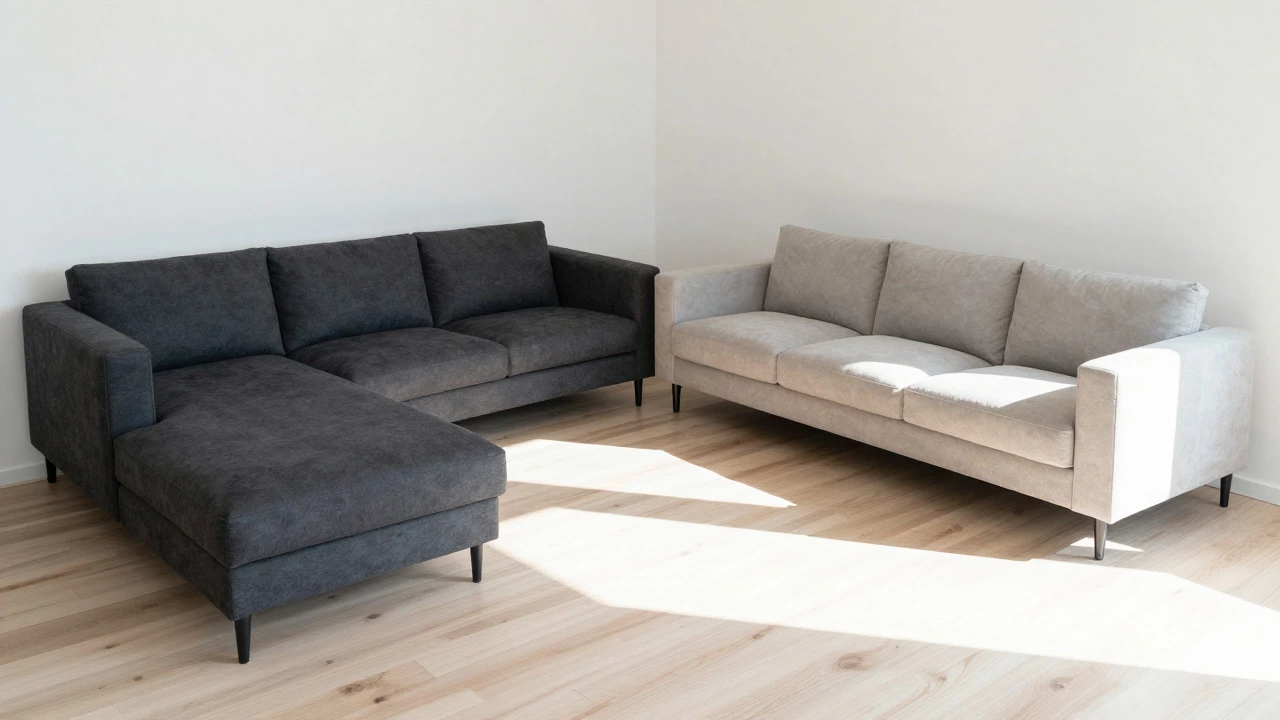
In interior design, this principle is known as visual weight. A dark gray sofa has high visual weight; it anchors the room but also occupies significant mental space. A light gray sectional has low visual weight. It recedes visually, allowing your eye to travel further across the room before hitting a stopping point. For smaller rooms, where every inch counts, minimizing visual weight on large furniture items is crucial.
Consider the difference between a matte finish and a semi-gloss one. Even within the same shade of gray, a fabric with a slight sheen will bounce ambient light around the room more effectively than a flat, light-absorbing velvet. This subtle interplay of light and texture contributes significantly to the perceived volume of the space.
Choosing the Right Shade: Cool vs. Warm Grays
Not all light grays perform equally. You need to distinguish between cool grays (with blue or green undertones) and warm grays (with beige, taupe, or brown undertones). Both can work to expand a room, but they achieve different atmospheres.
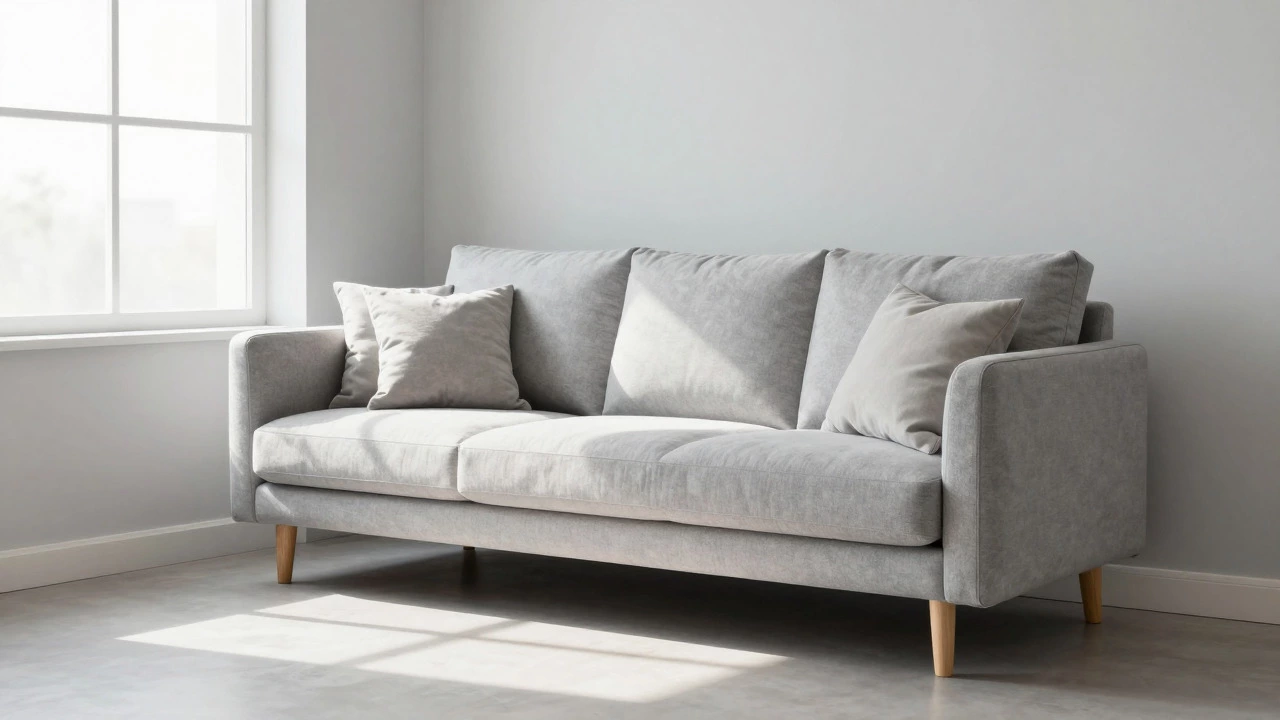
- Cool Light Grays: These shades, often resembling mist or steel, tend to feel crisp and modern. Because they mimic the color of the sky and natural daylight, they blend seamlessly with windows and natural light sources. In a north-facing room with limited sunlight, a cool light gray sofa can introduce a sense of brightness that counters the gloom.
- Warm Light Grays: Often called greige (gray-beige), these tones add softness. They prevent the room from feeling sterile or hospital-like. While slightly warmer than their cool counterparts, very light warm grays still reflect ample light. They are particularly effective in south-facing rooms where you want to maintain brightness without adding too much coldness.
If your goal is purely maximizing size, stick to the highest value (lightest) option available. Avoid mid-tones. Mid-tone grays sit in a no-man's-land where they aren't dark enough to create dramatic contrast nor light enough to disappear into the background. They simply take up space.
| Shade Category | Visual Weight | Light Reflection | Best Use Case |
|---|---|---|---|
| Charcoal/Dark Gray | High | Low | Large rooms, accent walls |
| Medium Gray | Moderate | Moderate | Standard-sized living areas |
| Light Cool Gray | Low | High | Small rooms, north-facing spaces |
| Light Warm Gray (Greige) | Low | High | Cozy small spaces, south-facing rooms |
The Role of Sofa Sets in Spatial Dynamics
Your sofa set is usually the largest object in the living room. Its impact on spatial perception is disproportionate to its actual physical footprint. When selecting a sofa set to make a room look bigger, consider the silhouette as well as the color.
A bulky, overstuffed sofa in light gray will still feel heavy because of its mass. To truly exploit the benefits of light colors, pair them with exposed legs. Sofas with raised legs allow you to see the floor underneath the furniture. This continuity of the floor plane tricks the eye into thinking the room extends further than it actually does. Hidden bases or skirted sofas cut off the view of the floor, chopping up the visual field and making the room feel smaller.
Furthermore, modular sofa sets offer flexibility. In a small space, a massive L-shaped sectional might overwhelm the area. Instead, opt for a two-piece or three-piece modular set in a uniform light gray. You can arrange these pieces to create clear pathways, ensuring the room doesn't feel cluttered. The uniformity of color across multiple pieces helps them read as a single, cohesive unit rather than scattered obstacles.
Harmonizing Walls, Floors, and Furniture
The magic happens when your sofa set interacts with its surroundings. Contrast creates definition, but too much contrast can fragment a small room. If you choose a light gray sofa, you have two strategic options for your walls and floors.
Monochromatic Harmony: Paint your walls in a similar, perhaps slightly lighter, shade of gray. This blurs the boundary between the furniture and the architecture. When the eye cannot easily distinguish where the sofa ends and the wall begins, the room feels seamless and expansive. Add texture through throw pillows or rugs to prevent boredom, but keep the hue consistent.
Soft Contrast: Pair your light gray sofa with white or off-white walls. This combination maximizes light reflection. White walls act as mirrors, bouncing light onto the gray furniture and back again. Ensure your flooring is also light-toned-light wood or pale carpeting works best. Dark hardwood floors can ground the room nicely but may reduce the floating effect if not balanced with a large, light-colored area rug.
Avoid placing a light gray sofa against a dark navy or black feature wall unless the room is genuinely large. That high-contrast setup pushes the furniture forward, making it pop out of the background and occupy more visual space.
Practical Tips for Testing Colors Before Buying
Online images can be deceiving. Lighting conditions in showrooms differ vastly from your home. Here is how to ensure your chosen gray makes your specific room look bigger:
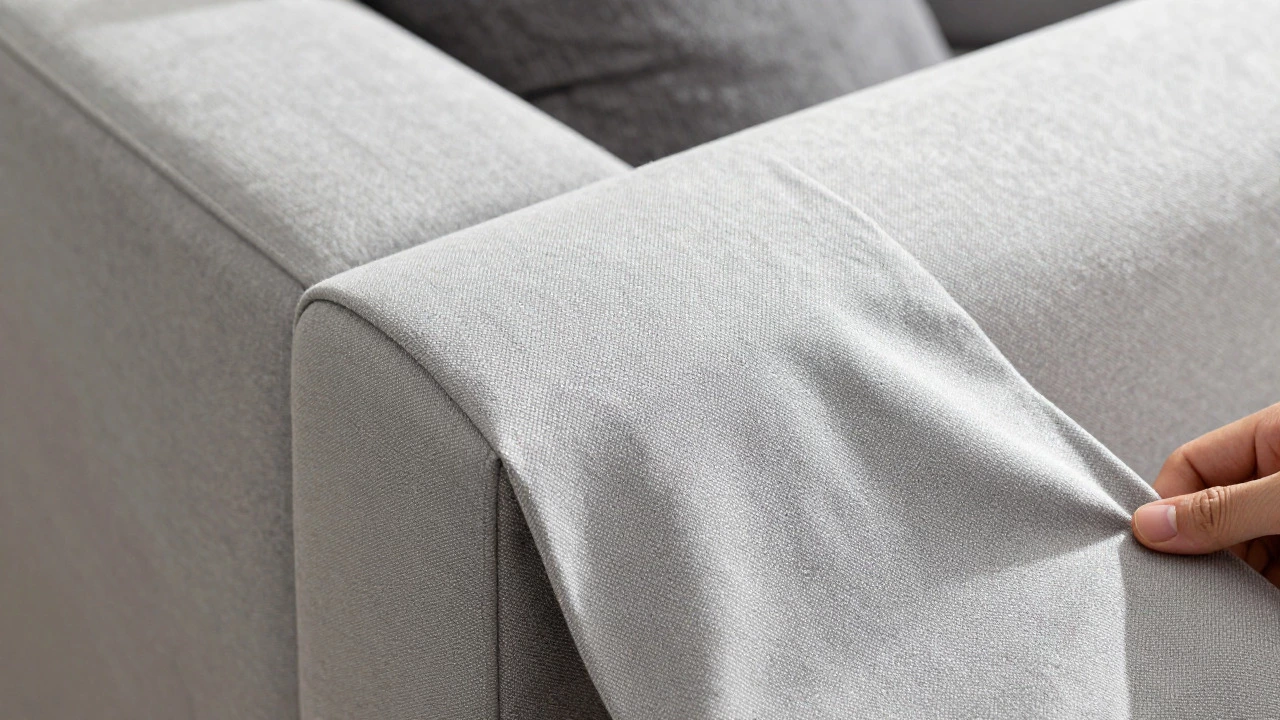
- Check Natural Light: Observe how your room looks at different times of day. A gray that looks bright at noon might appear dull and muddy in the evening under artificial yellow lighting. Bring fabric swatches home and hold them up next to your existing walls and floors.
- Use Large Swatches: Small squares don't show true scale. Tape a large piece of fabric or paint sample to the wall or drape it over your current sofa. Live with it for 48 hours. Does the room feel airier? Or does the gray feel flat?
- Consider Maintenance: Lighter grays show stains more easily than darker ones. If you have pets or young children, look for performance fabrics like microfiber or treated linen that resist dirt while maintaining their light appearance. A stained light sofa draws negative attention to imperfections, breaking the illusion of cleanliness and order that contributes to a spacious feel.
- Accessorize Wisely: Keep accessories minimal. Too many colorful cushions or throws on a light gray sofa can create visual clutter. Stick to neutral tones or textures like wool and cotton to maintain the clean, open aesthetic.
Common Mistakes to Avoid
Even with the right shade, execution errors can undermine your efforts. One common mistake is mixing too many patterns. A busy pattern on a light gray sofa can break up the solid block of color, causing the eye to stop and analyze details rather than glide across the surface. Solid colors are generally better for expanding small spaces.
Another pitfall is ignoring the undertones of adjacent materials. If your kitchen has granite countertops with strong blue veins, a warm beige-gray sofa might clash, creating visual tension. Tension makes a space feel chaotic, and chaos feels small. Ensure your gray harmonizes with fixed elements like tile, stone, and wood finishes.
Finally, don't forget vertical space. While the sofa sits on the floor, drawing the eye upward with tall bookshelves or vertical artwork in complementary light tones can enhance the height of the ceiling, contributing to the overall sense of volume.
Is light gray better than white for making a room look bigger?
Both light gray and white reflect light effectively, but light gray offers more versatility. Pure white can sometimes feel stark or clinical, especially in rooms with poor lighting. Light gray provides a softer backdrop that still expands space but adds depth and warmth. It is easier to match with other decor elements without creating harsh contrasts that might segment the room visually.
Can a dark gray sofa ever make a room look bigger?
In some cases, yes. If you paint the walls the exact same dark gray as the sofa, the furniture can visually merge with the background, reducing its apparent bulk. However, this technique requires excellent lighting to avoid making the room feel cave-like. For most average-sized rooms, light gray remains the safer and more reliable choice for creating an illusion of space.
How does the texture of the gray fabric affect the room's appearance?
Texture influences how light interacts with the surface. Smooth, tightly woven fabrics reflect light evenly, enhancing the sense of openness. Rough or nubby textures scatter light, which can add visual interest but may slightly reduce the reflective quality. For maximum space expansion, choose smooth, light-colored fabrics that bounce ambient light around the room efficiently.
Should I match my sofa set to my wall color exactly?
Matching exactly can blur boundaries, which helps expand space, but it can also look flat. A better approach is to choose a sofa shade that is slightly lighter or darker than the wall, staying within the same tonal family. This subtle variation maintains cohesion while providing enough distinction to define the furniture without creating hard lines that chop up the room.
What if my room has dark hardwood floors? Will a light gray sofa still work?
Yes, a light gray sofa works well with dark floors, provided you bridge the gap. Use a large, light-colored area rug to anchor the sofa set. This prevents the dark floor from visually cutting off the bottom of the furniture, maintaining the flow of light and keeping the focus on the upper, brighter parts of the room. The rug acts as a transition zone, preserving the airy feel.