Wardrobe Size & Fit Checker
Not sure if that "simple wardrobe" will fit in your room? Input your available space below to get a recommendation on the best unit size and type for your needs.
Recommendation
--
Walk into any furniture store or browse online catalogs, and you’ll notice that "wardrobe" isn’t the only word used to describe where we keep our clothes. Sometimes it’s called a closet, other times an armoire, and in some regions, people just say "press." If you’re looking for a simple wardrobe, knowing the right terms helps you find exactly what fits your space and style without getting confused by marketing jargon.
The term "wardrobe" itself has a long history. Originally, it referred to the room where clothes were kept, not the piece of furniture. Over time, as homes shrank and dedicated dressing rooms became less common, the word shifted to mean the large cabinet or cupboard designed specifically for hanging garments and storing accessories. Today, when someone asks for a simple wardrobe, they usually mean a functional, uncluttered unit that offers basic storage without excessive ornamentation or complex features.
Common Names for Simple Wardrobes
While "wardrobe" is the standard term in most English-speaking countries, several synonyms exist depending on the region and the specific design of the unit. Understanding these variations can help you communicate better with designers or search more effectively online.
- Closet: In North America, this often refers to a built-in storage space within a wall, typically found in bedrooms. It’s not a movable piece of furniture but rather part of the architecture. If you need a standalone unit, "closet" might be misleading.
- Armoire: This term comes from French and originally referred to a tall, narrow cabinet. In modern usage, an armoire is often decorative, sometimes featuring carved wood or antique finishes. While not always "simple," a plain armoire can serve the same function as a basic wardrobe.
- Press: In British English, particularly in older households, a "press" refers to a large wooden chest or cupboard used for storing clothes. It’s a dated term now but still recognized in heritage contexts.
- Chest of Drawers: Strictly speaking, this is not a wardrobe because it lacks hanging space. However, many people use it interchangeably when discussing bedroom storage. A true simple wardrobe includes at least one hanging rail, whereas a chest of drawers focuses on folded items.
If you are shopping for a minimalist setup, the most accurate term remains "wardrobe" or "clothing cabinet." Avoiding overly specific regional terms ensures you see a wider range of options in search results.
Defining a "Simple" Wardrobe: What to Look For
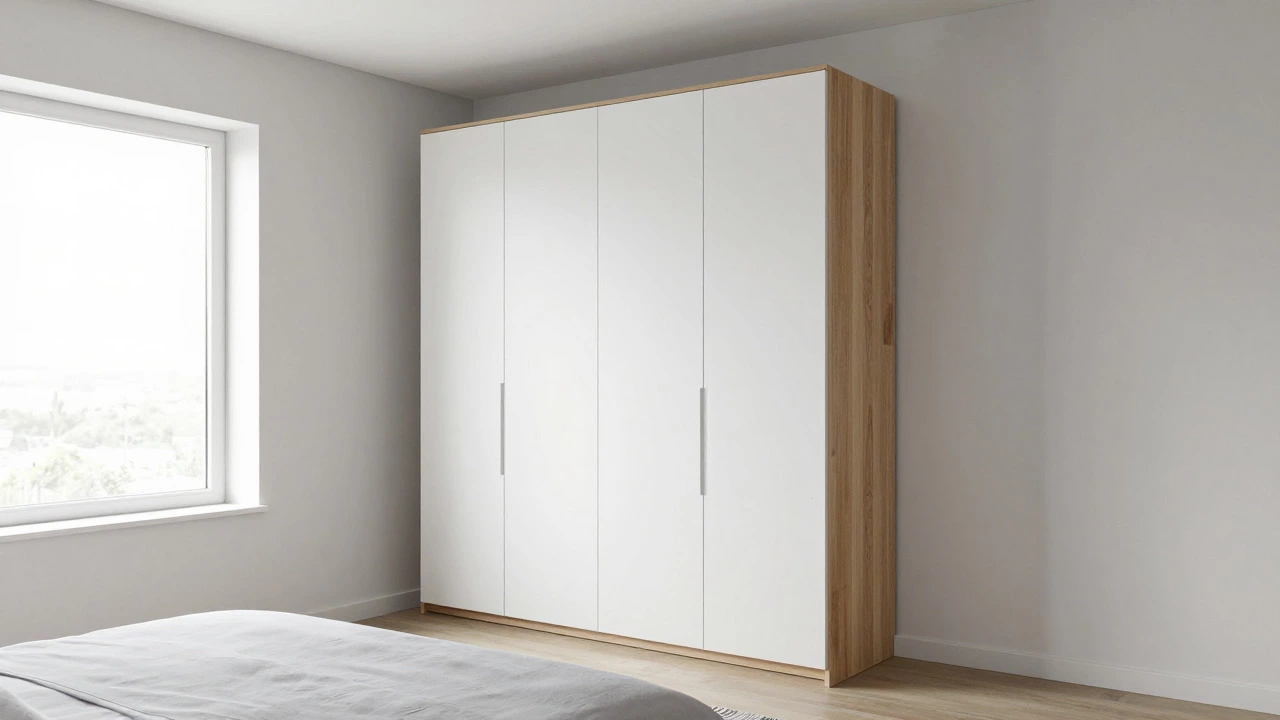
"Simple" is subjective, but in furniture design, it generally implies clean lines, minimal hardware, and straightforward functionality. A simple wardrobe doesn’t have to be ugly; it just avoids unnecessary complexity. Here are the key attributes that define this category:
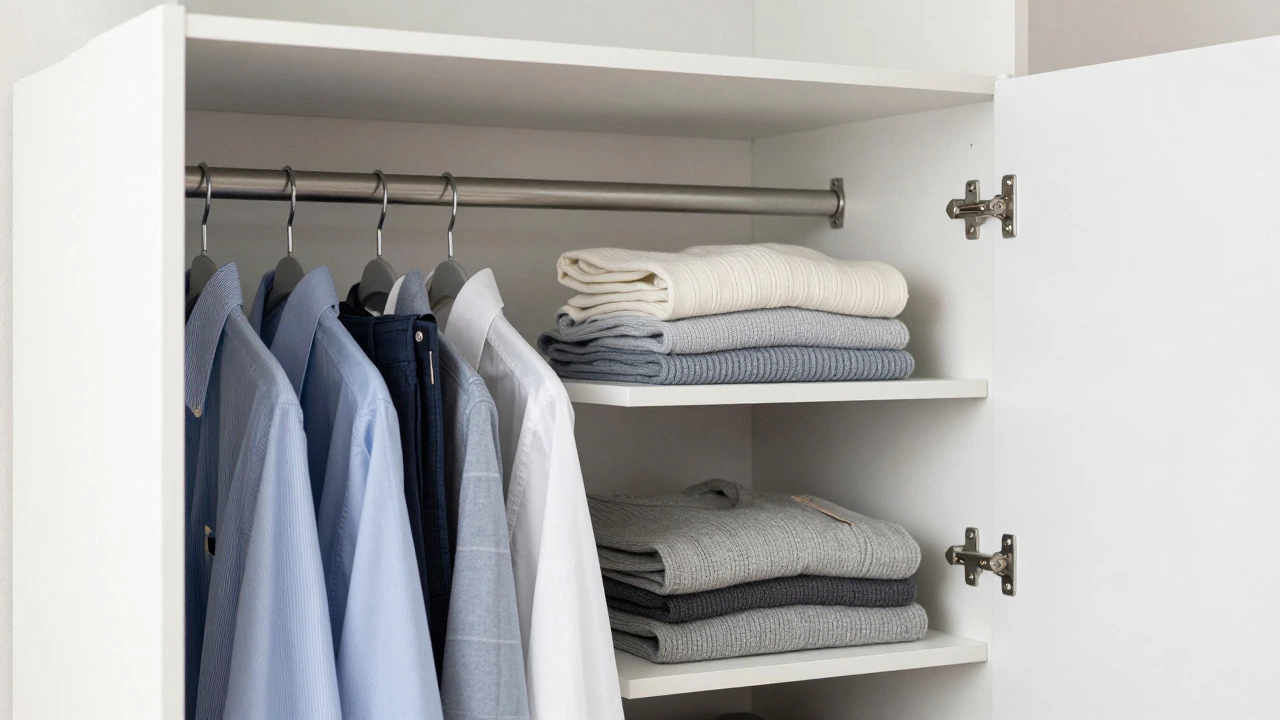
- Minimalist Design: Flat-panel doors, no ornate carvings, and neutral colors like white, gray, or natural wood tones. The focus is on the interior organization, not the exterior aesthetics.
- Basic Internal Configuration: Typically includes one or two hanging rails (one for shirts/dresses, one for trousers) and a few shelves for folded items. No integrated lighting, mirror, or complex drawer systems unless specified.
- Standard Dimensions: Most simple wardrobes fit within standard room proportions. Common widths range from 60cm to 120cm for single units, or up to 240cm for double-door configurations. Heights usually align with ceiling heights or remain under 200cm for ease of access.
- Affordable Materials: Often constructed from medium-density fiberboard (MDF) with a laminate finish, or solid pine for a rustic look. These materials are cost-effective and easy to maintain compared to exotic hardwoods or glass-fronted units.
When evaluating whether a wardrobe qualifies as "simple," ask yourself: Does it do exactly what I need without extra features? If the answer is yes, you’ve found the right type.
Comparison of Storage Options
Not all clothing storage solutions are created equal. To help you decide if a simple wardrobe is the right choice for your bedroom, here’s how it compares to other common alternatives.
| Type | Hanging Space | Folded Storage | Mobility | Best For |
|---|---|---|---|---|
| Simple Wardrobe | Yes (1-2 rails) | Shelves only | Movable | General bedroom use, renters |
| Built-in Closet | Yes (customizable) | Custom shelves/drawers | Fixed | Homeowners, high-end renovations |
| Chest of Drawers | No | Drawers only | Movable | T-shirts, underwear, small items |
| Armoire | Yes (limited) | Shelves/drawers | Movable | Decorative accents, smaller spaces |
As you can see, the simple wardrobe strikes a balance between capacity and flexibility. It’s ideal for people who move frequently or want to change their room layout without major construction work.
Choosing the Right Size and Style
Before buying, measure your available floor space carefully. A common mistake is purchasing a wardrobe that’s too wide, blocking doorways or windows. For a single person, a 80cm to 100cm wide unit is usually sufficient. Couples may need two separate units or one larger double-door wardrobe around 150cm to 180cm wide.
Consider the depth as well. Standard wardrobes are about 60cm deep, which allows clothes to hang without bulging out when the doors are closed. Deeper units offer more shelf space but can make it harder to reach items at the back. Shallow units, around 45cm, are great for apartments but may not accommodate longer garments properly.
Style-wise, stick to finishes that complement your existing decor. White or light oak works well in small rooms, making them feel brighter and larger. Darker woods like walnut or espresso add warmth but can make a room feel heavier. If you’re unsure, go with a neutral tone that blends easily with different bedding and rug choices.
Maintenance and Longevity Tips
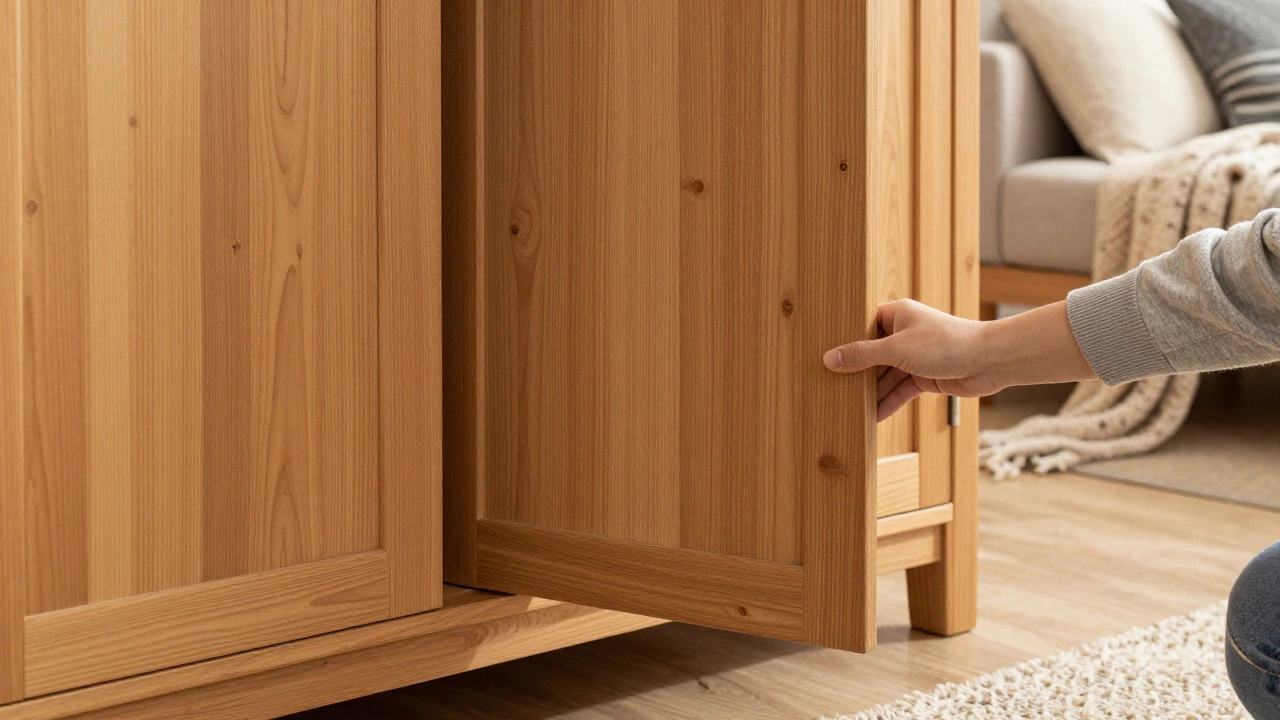
A simple wardrobe is an investment in daily comfort, so keeping it in good condition matters. Dust the exterior regularly with a dry cloth to prevent buildup on flat surfaces. Check the hinges and handles monthly to ensure they’re tight and functioning smoothly. If you live in a humid climate, consider using moisture-absorbing sachets inside the unit to protect your clothes from dampness.
For laminate-finished wardrobes, avoid abrasive cleaners that can scratch the surface. Use a mild soap solution for tougher stains. Solid wood wardrobes benefit from occasional polishing to maintain their finish. By taking these small steps, you can extend the life of your furniture for years.
Frequently Asked Questions
Is a closet the same as a wardrobe?
No. A closet is typically a built-in storage space fixed to the walls of a room, common in North American homes. A wardrobe is a freestanding piece of furniture that can be moved. While both store clothes, their installation methods and mobility differ significantly.
What is the best material for a simple wardrobe?
Medium-density fiberboard (MDF) with a laminate finish is the most popular choice for simple wardrobes due to its affordability and durability. Solid pine is another good option if you prefer a natural wood look and don’t mind minor dents over time. Avoid particle board for heavy-duty use as it can swell in humid conditions.
How much weight can a simple wardrobe hold?
Most standard simple wardrobes can support between 50kg and 100kg of clothing and accessories combined. This depends on the internal structure and the quality of the shelves. Always check the manufacturer’s weight limit for individual shelves, especially if you plan to store heavy items like books or boots.
Can I customize the interior of a simple wardrobe?
Yes, many simple wardrobes come with adjustable shelves and removable hanging rails. This allows you to reconfigure the interior based on your needs. For example, you can remove a lower shelf to create more hanging space for long dresses, or add extra shelves for folded sweaters. Just ensure the new configuration doesn’t exceed the weight limits.
What is the difference between a wardrobe and an armoire?
An armoire is historically a taller, narrower cabinet, often with decorative elements. In modern terms, the distinction is subtle. An armoire may have a more traditional or ornate design, while a simple wardrobe focuses on functionality and clean lines. Functionally, they serve the same purpose: storing clothing.