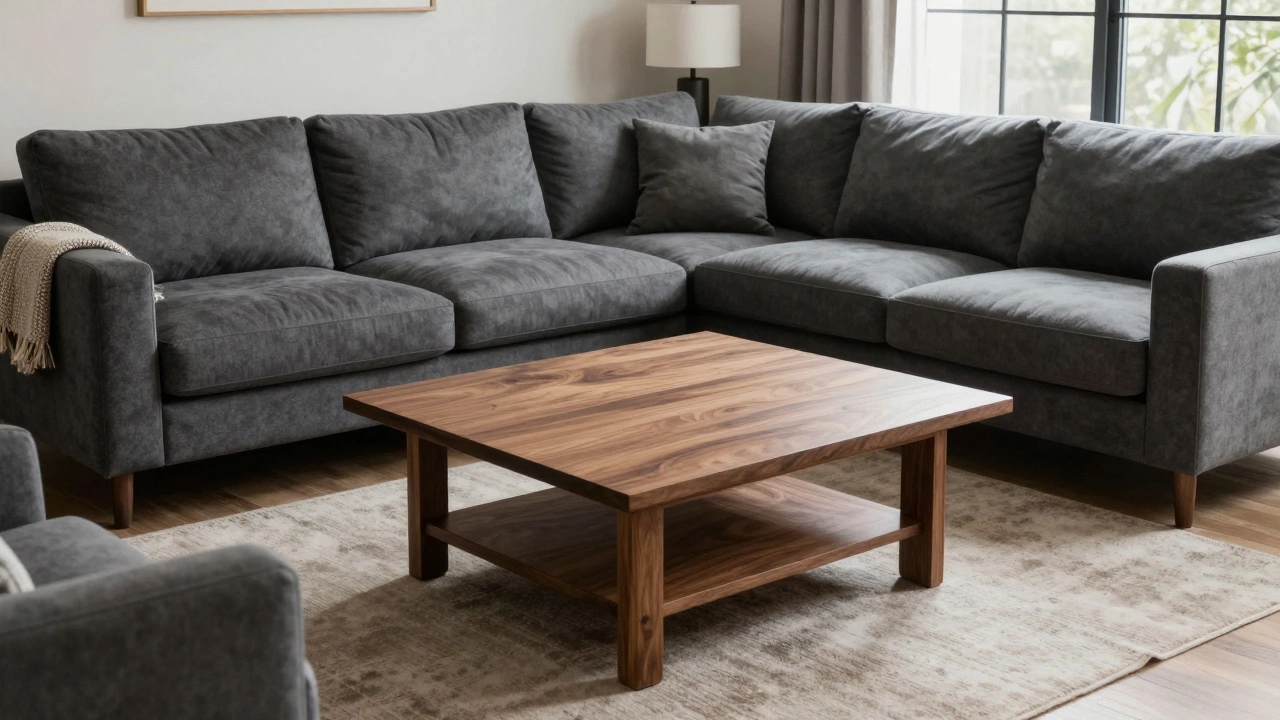
How to Pair a Coffee Table with a Couch for a Balanced Living Room
Learn how to choose the right coffee table size, shape, and height to pair with your couch for a balanced, functional living room that feels comfortable and intentional.
When you think about a coffee table, a low, central piece of furniture in a living room designed for placing drinks, books, or decor. It’s not just decoration—it’s a functional anchor. But get the size wrong, and it ruins the flow of your whole space. A table that’s too small feels lost. One that’s too big blocks movement. And if it’s the wrong height? You’ll be constantly leaning or straining just to reach your coffee. The truth? Most people guess. But real-life comfort doesn’t come from trends—it comes from matching the table to your couch and your body.
The couch height, the distance from the floor to the top of the seat cushion is the single most important number to check. A coffee table, a low, central piece of furniture in a living room designed for placing drinks, books, or decor that’s 1 to 2 inches lower than your couch seat is ideal. But here’s what most guides don’t say: a table 2 inches higher than your couch? It actually works better in many homes. Why? Because it gives you a natural resting point for your arms when you’re sitting upright, and it makes it easier to reach things without bending over. You’ll see this in real living rooms—not just showrooms. The furniture spacing, the distance between key pieces like couches, tables, and walkways matters just as much. Leave at least 18 inches between your couch and the coffee table so people can walk past without bumping knees. If you’ve got a big family or frequent guests, go for 24 inches. That’s not just polite—it’s practical.
Width and length? Match the table to the couch, not the room. A good rule: the coffee table should be about two-thirds the length of your sofa. So if your couch is 84 inches long, aim for a 56-inch table. Too short? The table looks like an afterthought. Too long? It eats up floor space and makes the room feel cramped. Depth? Keep it between 16 and 18 inches. Anything deeper than 20 inches starts to feel like a barrier. And don’t forget the shape. A rectangular table works best with a straight sofa. A round or oval one softens the look if you’ve got a corner sofa or lots of angular furniture. It also reduces the chance of someone walking into a sharp corner with a glass of wine.
What about style? It matters, but not as much as function. A glass table might look sleek, but if you’ve got kids or pets, it’s a fingerprint magnet and a hazard. Wood or stone gives you durability without sacrificing looks. And if you’re using your coffee table for storage—books, blankets, remotes—choose one with a shelf or drawer. That’s not just smart, it’s how real people live.
You’ll find posts here that break down exactly how different sizes work in real homes. From why a 2-inch height difference can improve comfort, to how to pick the right width for a sectional, to what happens when you put a giant table in a small room. These aren’t theoretical ideas—they’re lessons from people who’ve lived with their choices. Whether you’re setting up a new living room or just tired of bumping your knees, the right coffee table size makes all the difference.
Learn how to choose the right coffee table size, shape, and height to pair with your couch for a balanced, functional living room that feels comfortable and intentional.

24 Nov
Can a Couch Fit in a 10x10 Storage Unit: Tips and Tricks

9 Jun
Futon or Sofa Bed: Which Is More Comfortable for Sleep and Sitting?
2 Feb
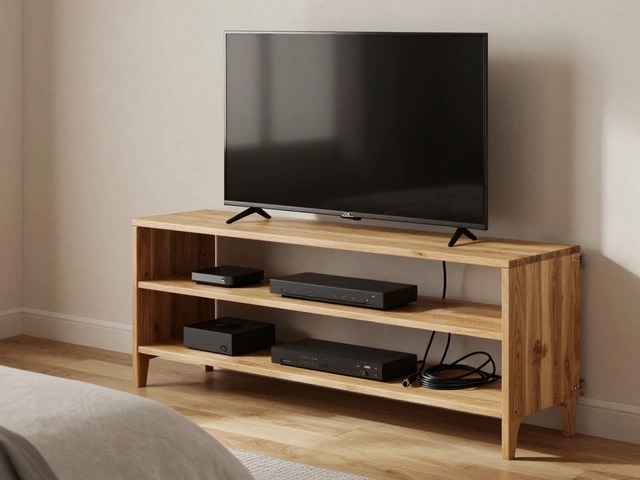
What Can I Use as a TV Stand in My Bedroom? 10 Practical Alternatives
23 Mar
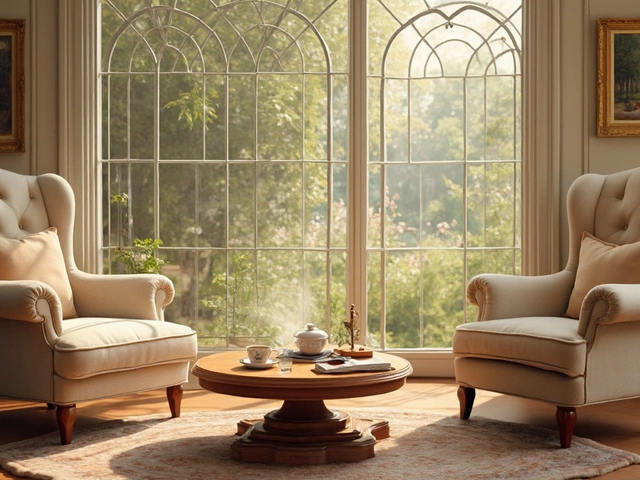
Round or Square: Choosing the Perfect Coffee Table

4 Mar
What’s the Toughest Material for Garden Furniture?