Furniture Ruin in Storage: How to Protect Your Pieces from Damage and Decay
When furniture ends up in storage, it doesn’t just sit there quietly—it’s at risk. furniture ruin in storage, the gradual breakdown of wood, fabric, and metal due to neglect, moisture, or pests. Also known as storage damage, it’s not just about dust—it’s about irreversible harm that shows up months or years later. You might think a blanket or plastic sheet is enough, but that’s often what makes things worse. Trapped moisture turns into mold. Dark corners become mouse highways. Sunlight fades finishes. And if you’re using the wrong cover, you’re not protecting your furniture—you’re accelerating its decay.
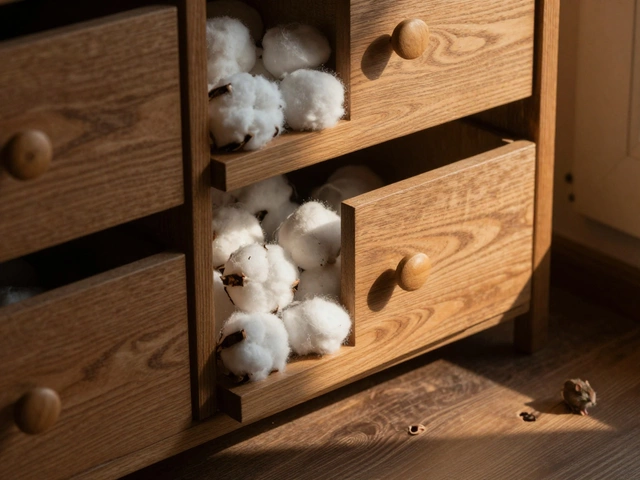
One of the biggest causes of furniture ruin in storage is mouse repellent, the lack of effective barriers against rodents that chew through fabric, insulation, and even wood. Mice don’t just eat food—they nest in sofas, gnaw on chair legs, and leave droppings that stain and stink. And if you’re storing wood furniture in a damp garage or basement, moisture swells the grain, warps the joints, and invites mildew. Even metal parts rust. Fabric fades. Leather cracks. None of this happens overnight, but all of it is preventable with the right approach.
People often assume that covering furniture is enough. But not all covers are created equal. A breathable, non-plastic cover made for storage keeps air moving and stops condensation. Plastic traps humidity and turns your couch into a greenhouse for mold. And if you’re just throwing a sheet over a dresser, you’re leaving gaps where pests crawl in. The right method includes lifting furniture off the floor, using desiccants, checking regularly, and choosing storage spaces with stable temperatures. It’s not about buying expensive gear—it’s about knowing what to avoid.
You’ll find posts here that show you exactly how to cover a sofa for storage, what materials actually work, how to spot early signs of pest damage, and why putting a bookcase in front of a window might seem smart but could be hurting your furniture’s long-term health. Some of these tips come from real people who learned the hard way—like the one who stored a wooden dining set in a damp shed and found it unrecognizable a year later. Others are from experts who’ve seen dozens of damaged pieces and know the small habits that make all the difference.
This isn’t about perfection. It’s about avoiding the mistakes most people make. You don’t need to be a furniture expert to stop furniture ruin in storage. You just need to know what to look for—and what to do before it’s too late.