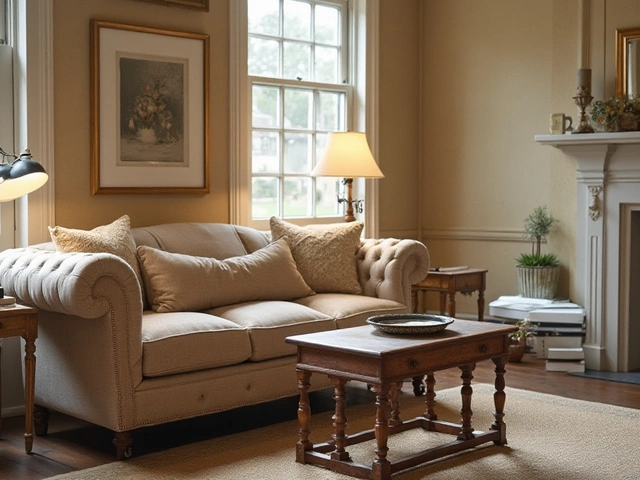
Furniture Spacing: How to Arrange Your Pieces for Comfort and Flow
When you think about furniture spacing, the deliberate distance between pieces to create usable, comfortable space in a room. Also known as room layout, it’s not about filling every inch—it’s about leaving room for people to move, breathe, and actually use the space. Too much furniture crammed together turns your living room into a maze. Too little, and it feels cold and empty. The right balance makes a room feel inviting, not like a showroom.
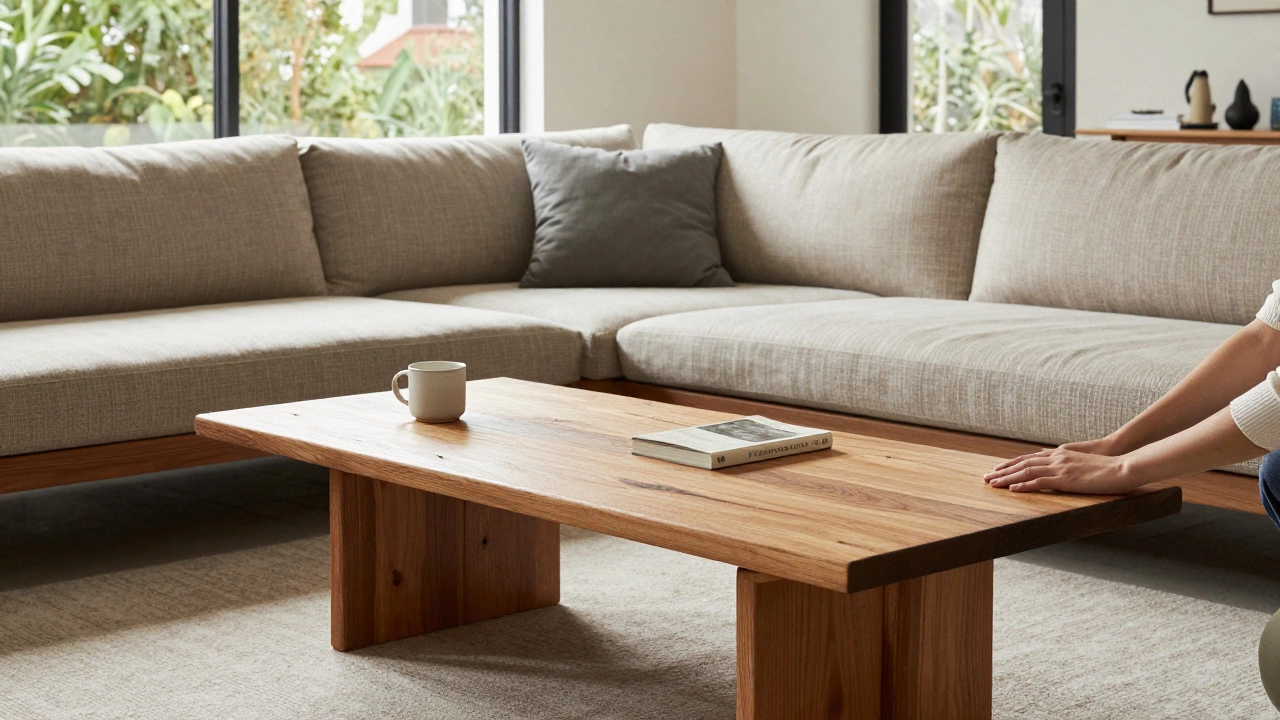
Good furniture placement, how pieces are positioned relative to each other and the room’s architecture affects everything: how you sit, how you walk, even how you feel. A sofa pushed too close to a coffee table makes it hard to get up. A TV stand too far from the main seating turns movie night into a workout. And don’t forget ergonomic spacing, the distance that supports healthy posture and natural movement—especially in classrooms or home offices where people sit for hours. Studies show even a few extra inches between a desk and chair can reduce back pain by over 30%.
It’s not just about measurements. It’s about flow. People need clear paths—usually at least 24 to 36 inches wide—to move without bumping into things. A corner sofa might look perfect until you realize you can’t get to the kitchen without walking around it. A bookcase in front of a window might store books, but it steals light and makes the room feel smaller. These aren’t just design choices—they’re daily frustrations built into the layout.
You’ll find posts here that show exactly how to fix these problems. Whether it’s figuring out the right size for a TV stand next to your couch, learning why putting a bookcase in front of a window backfires, or understanding how to pair a coffee table so it doesn’t feel like an afterthought—each article cuts through the noise. You’ll see real examples, not theory. No fluff. Just what works in actual homes and classrooms.
And if you’ve ever wondered why your legs ache after sitting on the couch, or why your storage furniture attracts pests, it’s often tied back to how things are spaced. Poor layout leads to poor habits. Cluttered spaces lead to cluttered minds. This collection gives you the tools to fix it—not by buying new stuff, but by rearranging what you already have.